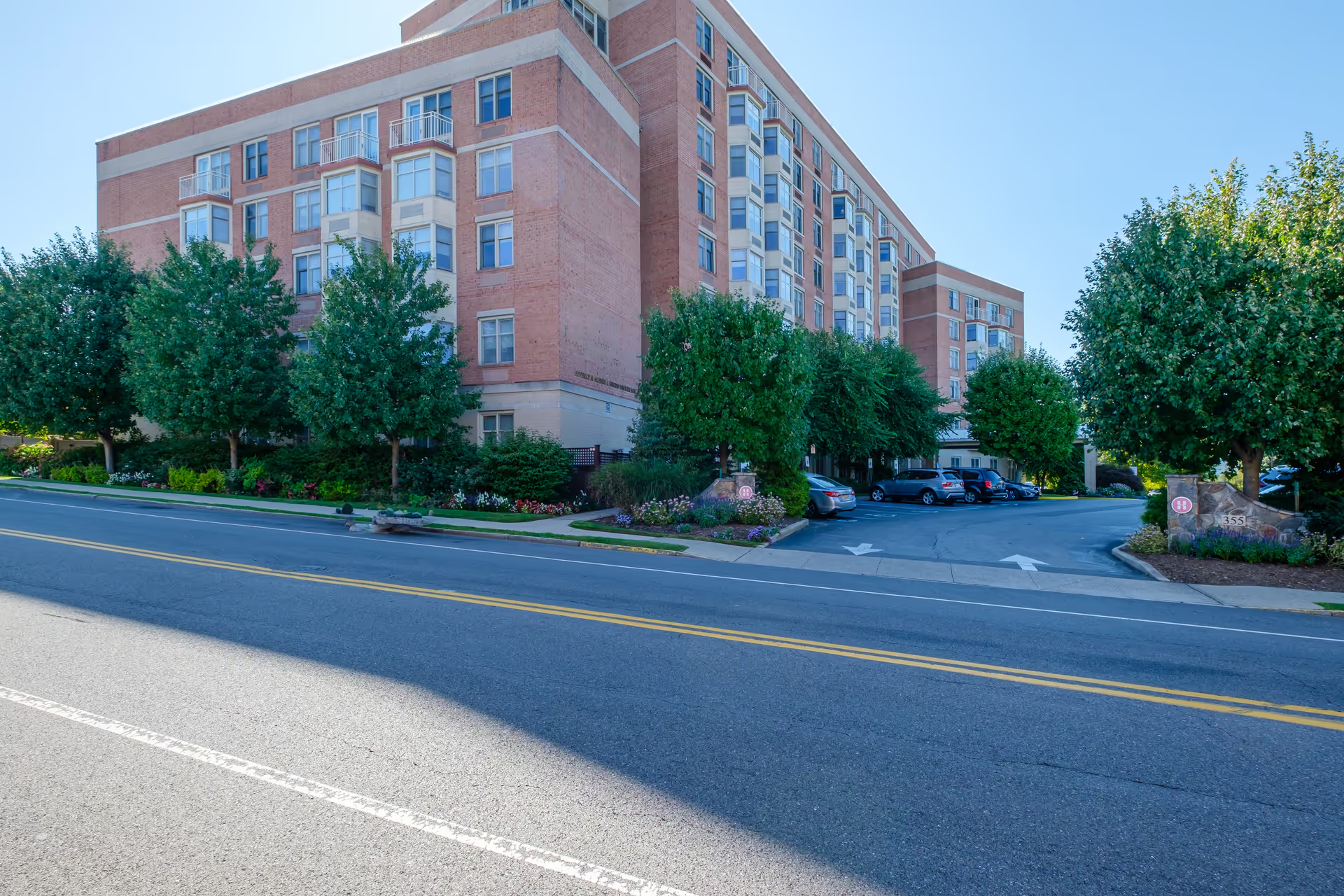
Gold Crest Care Center elicits highly polarized experiences: many families and short-term rehabilitation patients describe excellent clinical outcomes and strong interpersonal support, while other accounts raise operational and consistency concerns. Strengths consistently noted include effective physical and occupational therapy programs, a proactive recreation department that engages residents, and several long-term staff members—particularly CNAs and therapists—who are described as compassionate and dedicated. The facility's recent renovations, clean lobby and certain updated rooms contribute to a favorable physical impression for many visitors and residents. On-site services such as dialysis and transportation support are important assets for medically complex patients.
Care quality is mixed depending on the service line and shift. Rehabilitation stays are frequently characterized as very positive, with measurable functional gains and responsive therapy teams. Conversely, long-term care experiences show more variability: reviewers cite delays in medication administration, wound- and skin-care inconsistencies, and episodic gaps in clinical coordination with external pharmacies or physicians. Several accounts raise concerns about incontinence-care timeliness and bathing/bed maintenance routines; these should be interpreted as systemic process issues rather than isolated descriptions.
Staffing and conduct present a similar pattern of contrast. Numerous reviewers praise individual staff and administrators for responsiveness, family communication, and advocacy during transitions from hospital to facility. At the same time, recurring operational weaknesses appear: inconsistent staffing levels, slow call-response times, variability in staff tone and bedside communication, and occasional night-shift disturbances. These issues are linked in multiple accounts to resource constraints or shift patterns and appear to affect resident comfort and family confidence when they occur.
Dining, activities, and the built environment are also areas of mixed feedback. The recreation program is widely regarded as active and beneficial for resident engagement. Dining receives both praise for appealing meals and criticism for inconsistency—examples include limited protein at breakfast and variable puree/texture-menu variety. The physical plant is often described as clean and recently updated, though reviewers also report unit-level sanitation concerns, odor issues in particular areas, and intermittent pest-control or maintenance items that require attention.
Management and communication show divergent impressions. Several reviewers commend social-work and administrative staff for effective admission coordination, insurance assistance, and hands-on leadership presence. Other families describe difficulty reaching staff, delayed follow-up to complaints, and perceived discrepancies between marketing materials and actual room condition or contract terms. There are also isolated, serious allegations concerning financial and medication-handling irregularities; such claims warrant direct inquiry and verification through inspection and regulatory records.
Notable patterns and practical recommendations: experiences appear to vary substantially by unit, shift, and service type—rehab patients and those receiving intensive therapy tend to report better outcomes than some long-term residents whose families describe process lapses. Prospective residents and families should tour the specific unit, ask about current staffing ratios by shift, review medication administration and wound-care protocols, confirm on-site medical coverage and pharmacy arrangements, observe communal dining and activity sessions, and request clarity on contract terms and transportation perks. Verifying recent inspection results and asking management how they address sanitation, maintenance, and supply shortages can help separate the facility’s strengths from the operational variability described in reviews.