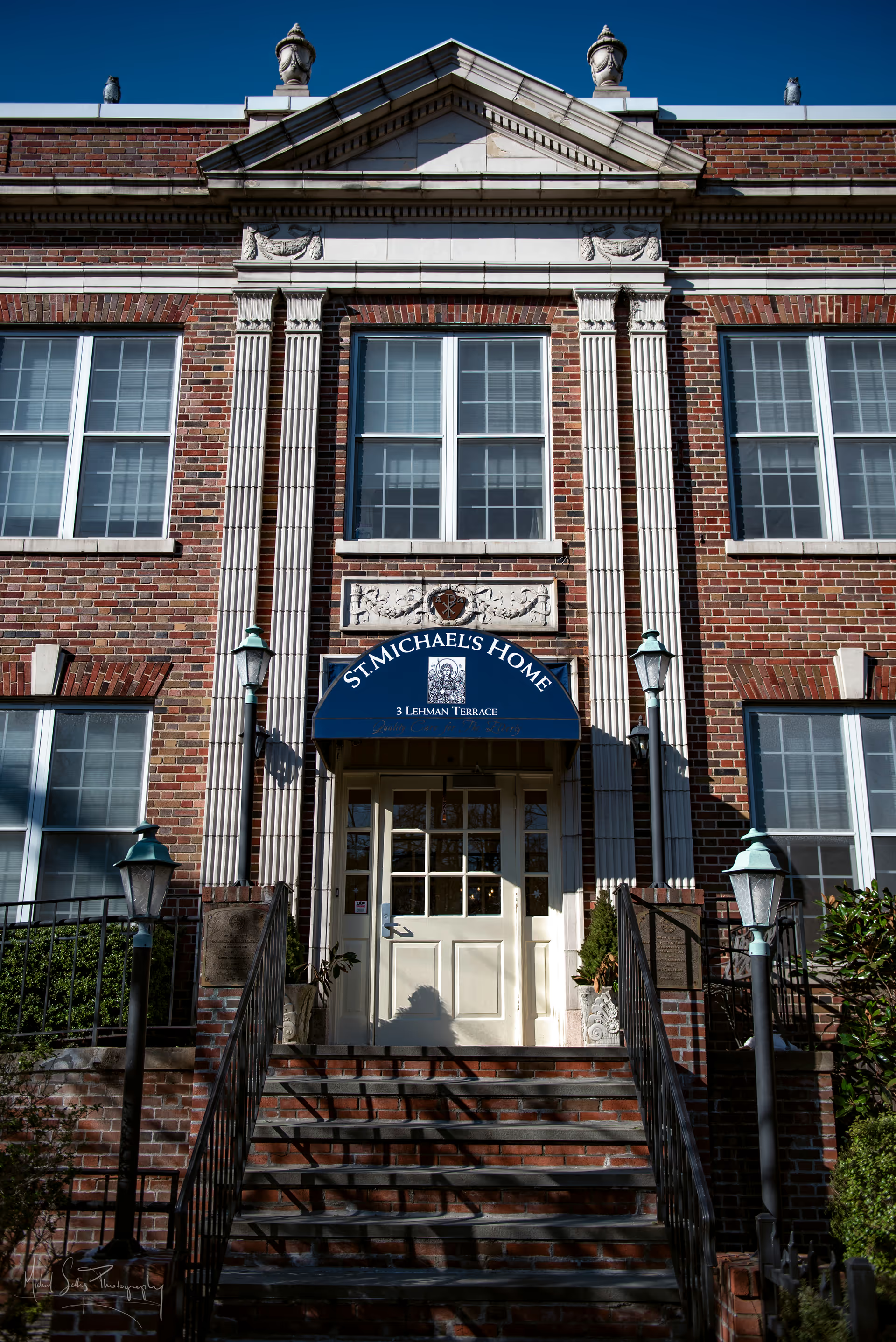
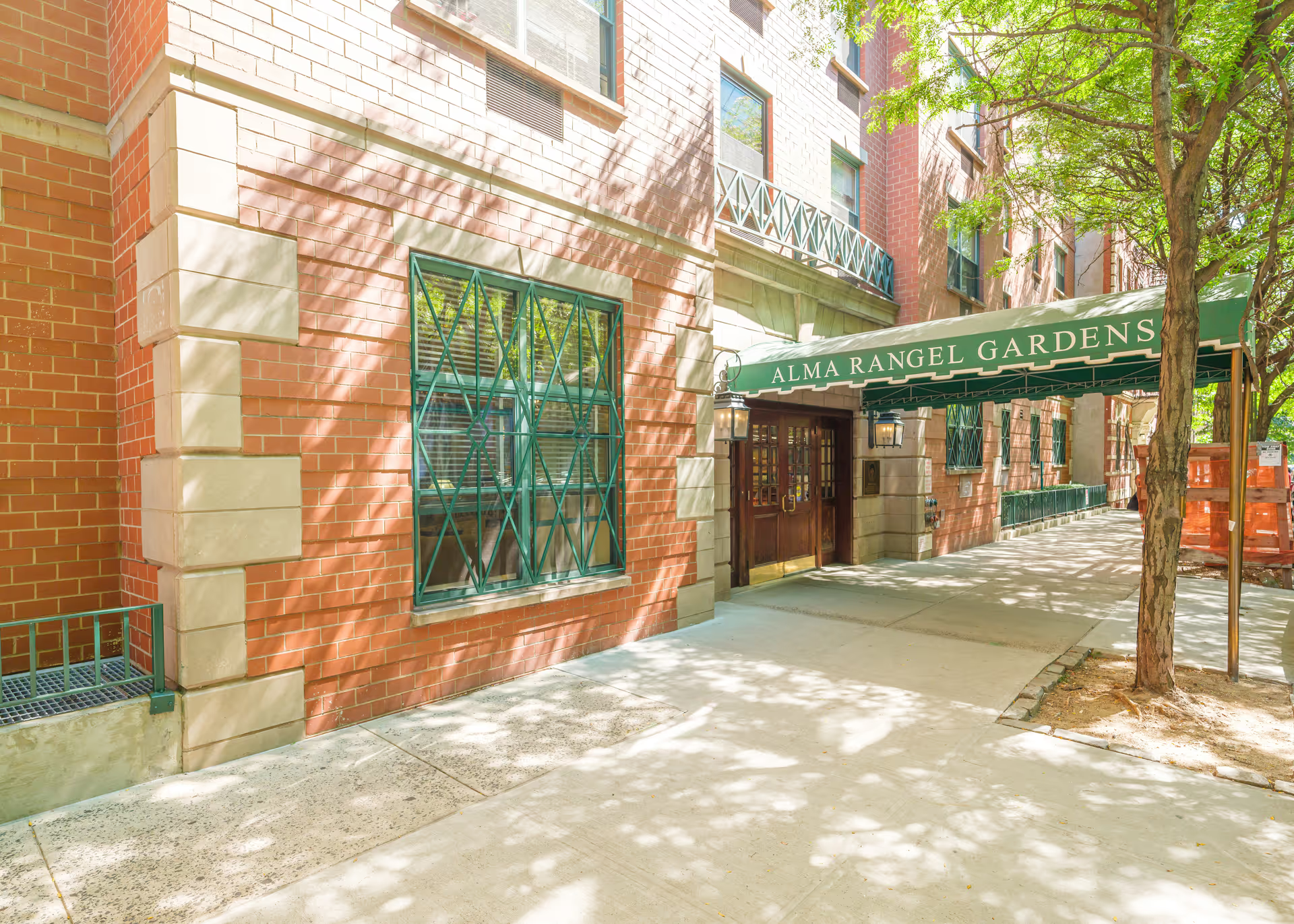
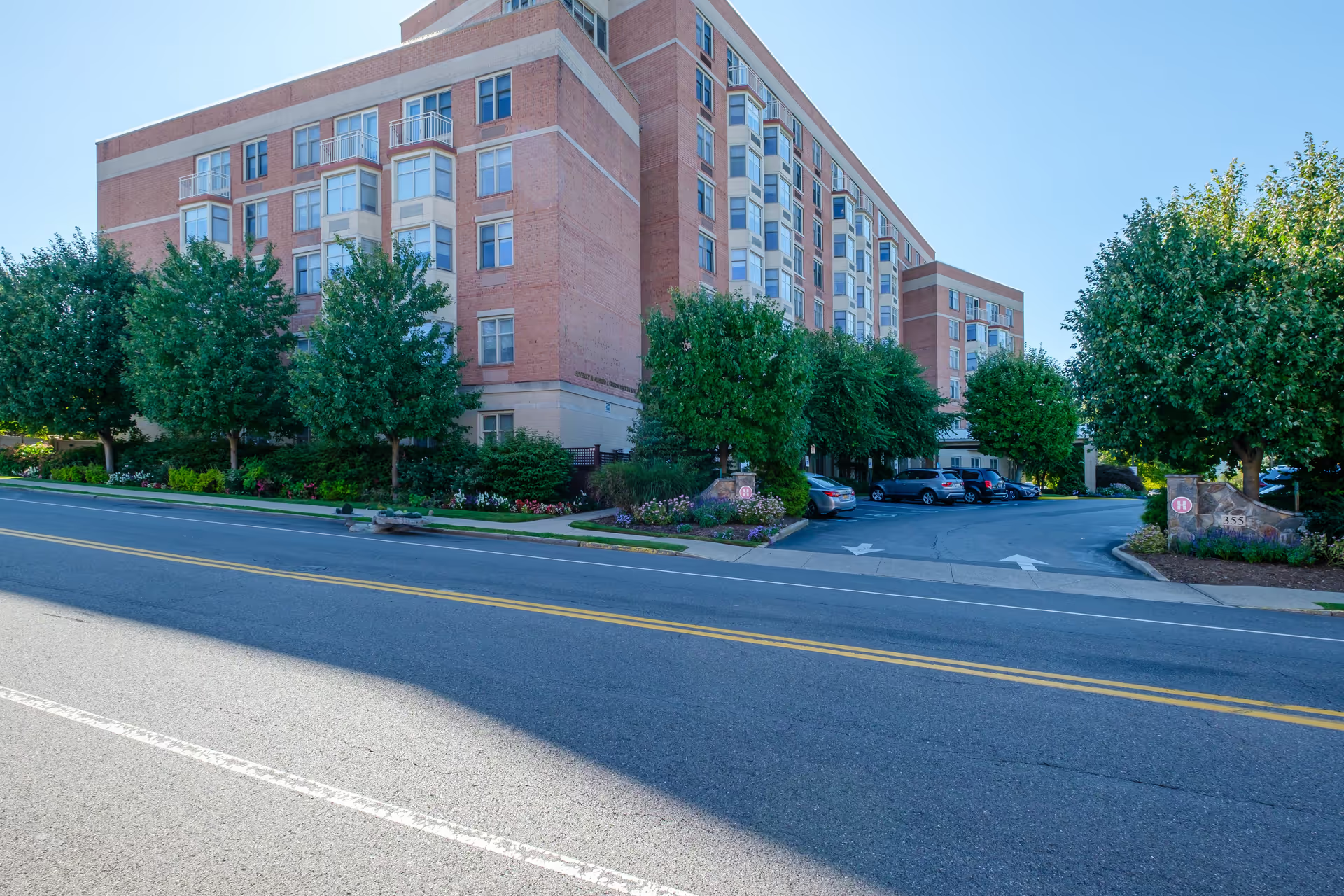
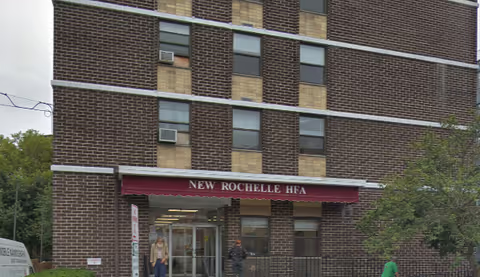
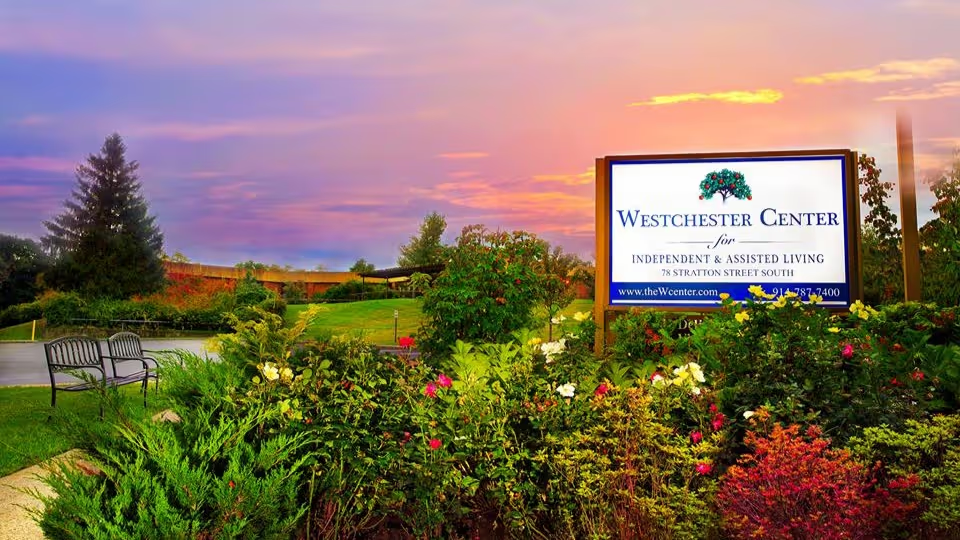
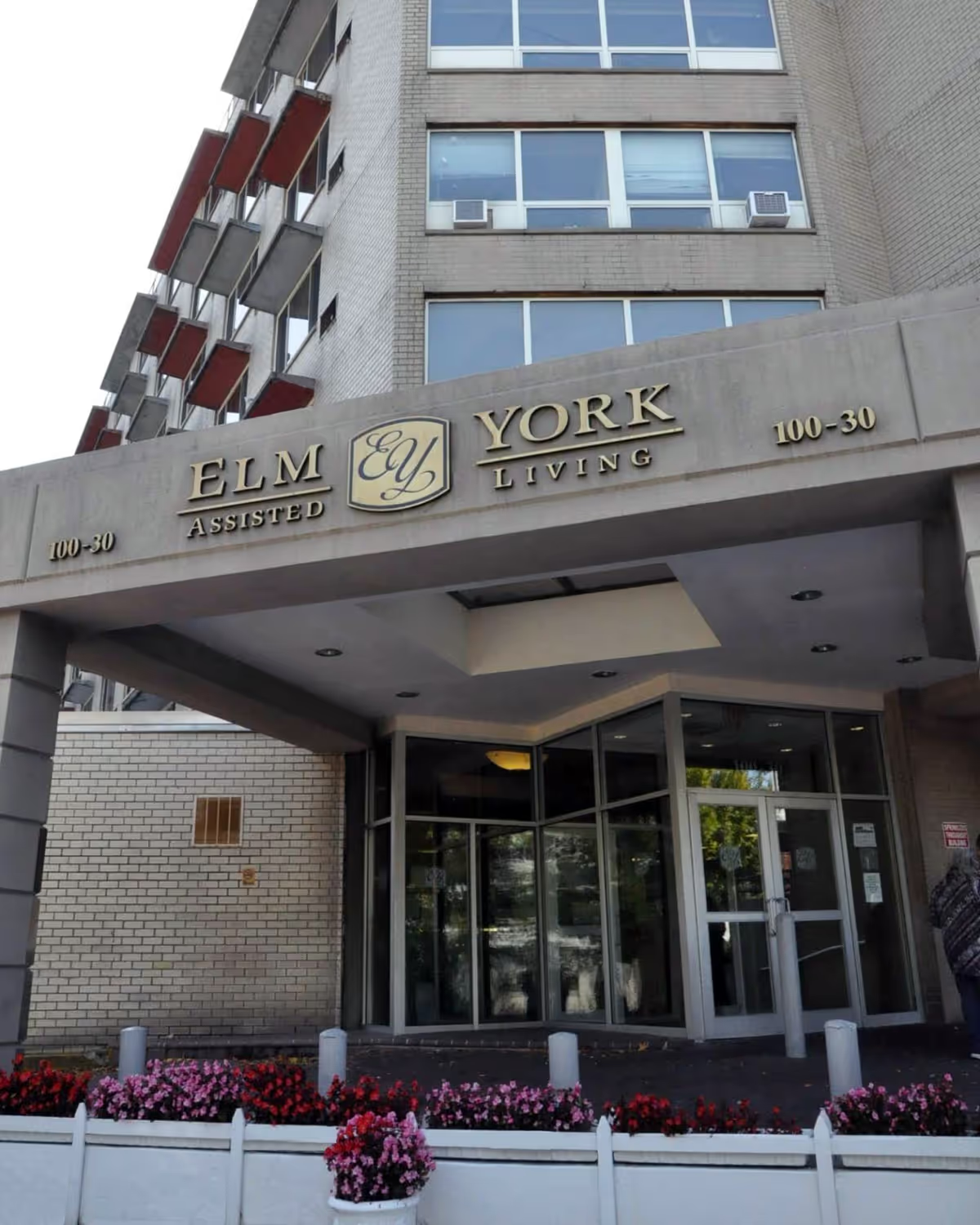
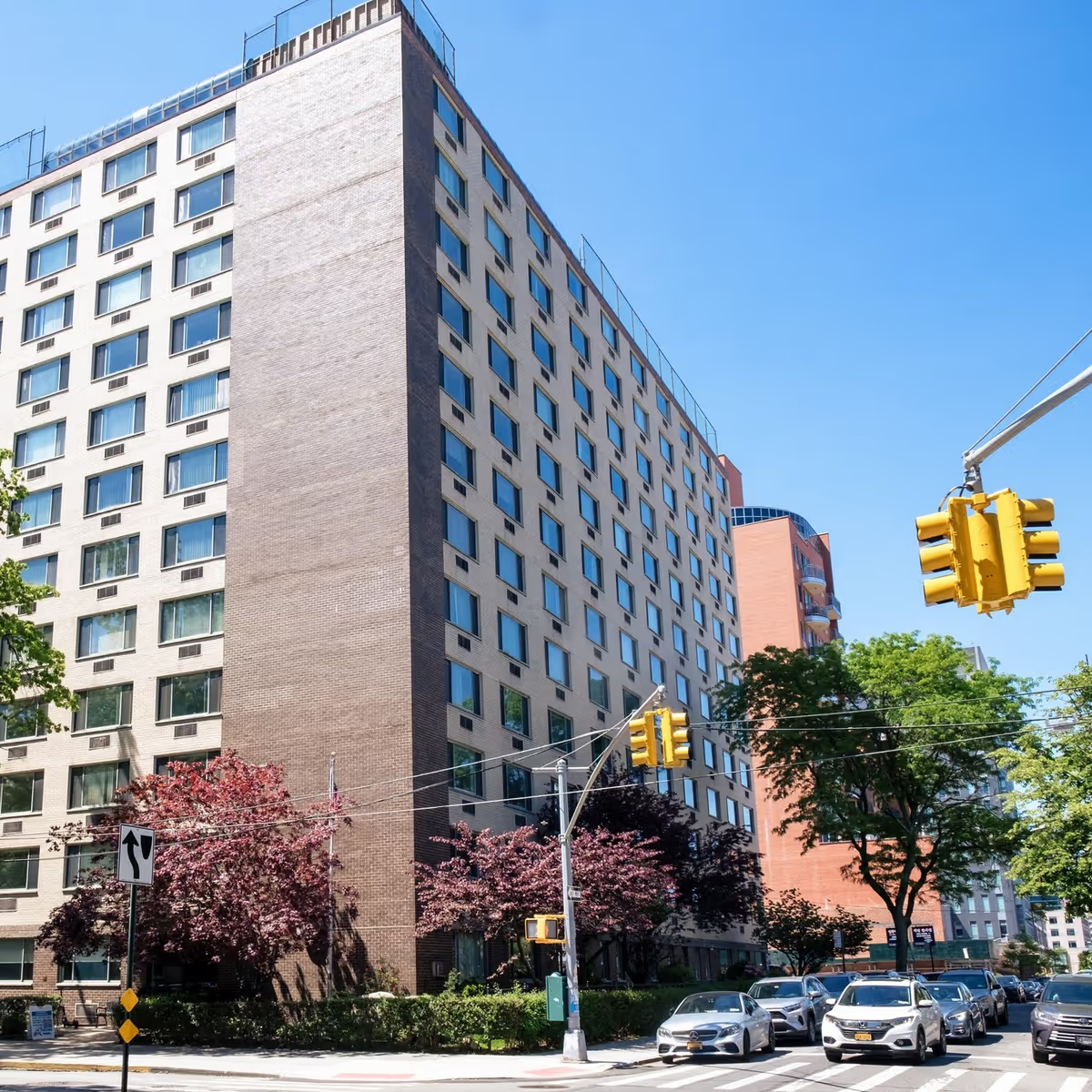
Reviews describe a facility with a mixture of clear strengths and noteworthy operational weaknesses. Strengths commonly cited include recent renovations, a generally clean physical plant, and attractive communal spaces such as a courtyard and library. Several families described long-term relationships with compassionate caregivers, transparent daily updates, and an open-door approach from some administrators. Rehabilitation services receive positive mentions in cases where therapy was consistent and effective, and some residents benefited from attentive staff who reduced family caregiving burden.
At the same time, patterns of operational inconsistency recur. Staffing levels and responsiveness appear uneven: reviewers described delays in assistance with personal care tasks, delayed diaper changes, and slow response times. Staff skill and conduct are reported as variable across shifts, producing a polarized experience where some staff are praised while others are characterized as inattentive or rude. These personnel issues tie into broader concerns about administrative oversight, including disorganized shift handoffs, room-readiness problems, and gaps in family communication and follow-up. There are also specific safety-related patterns: inadequate supervision and fall-prevention practices, unsafe room layouts (including bed-height and accessibility issues), and instances where residents were placed on an inappropriate care unit.
Dining and activity programming are described as inconsistent. Some families found the food acceptable or very good, while others described canned/frozen items, limited menu options, and the absence of a nutritionist. Activity engagement was frequently described as limited or unobserved, suggesting opportunities to expand structured social and recreational programming. Clinical communication also surfaced as a concern: reviewers reported difficulty getting timely physician callbacks and insufficient clinical follow-up in some cases, contributing to family frustration.
Sanitation and personal-care practices are another area of mixed feedback. While many noted clean rooms and renovated units, other accounts raised sanitation and incontinence-care concerns that led to clinical complications for individual residents. Language-access limitations were noted for Spanish-speaking families, and at least one review referenced regulatory involvement and a contentious interaction with a named social worker; this was presented as a serious family-level dispute.
In sum, the facility presents tangible positives—clean, updated spaces, some devoted caregivers, and capable rehabilitation when delivered consistently—but recurring operational challenges affect reliability of care. Prospective residents and families should weigh the facility’s physical and therapy strengths against reported variability in staffing, supervision, clinical communication, dining consistency, and activity programming. Visiting multiple shifts, meeting unit staff, asking about fall-prevention protocols, language support, staffing ratios, and the facility’s approach to handoffs and clinical follow-up would help assess day-to-day reliability for a specific resident’s needs.