The reviews present a mixed but informative picture of The Wayne Center for Nursing and Rehabilitation. Strengths center on rehabilitative capability: reviewers consistently note strong PT/OT/speech programming, a well-equipped therapy gym, and an orientation toward returning residents home. The facility offers advanced clinical services such as respiratory care (including successful decannulation), on-site dialysis, and wound-management programs; several families praised effective wound healing and coordinated skin care. Social work and therapeutic-recreation offerings—including spiritual and family-oriented activities—are frequently cited as supportive elements that aid emotional and functional recovery.
Staffing and day-to-day caregiving receive both high praise and significant criticism. Many accounts describe compassionate, dedicated nurses, aides, therapists, and social workers who provide attentive bedside care, clear family updates, and personalized therapy interventions. At the same time, other accounts identify variability in staff conduct and communication tone, particularly on night shifts. Night staffing levels, delayed call-bell responses, and slower emergency responsiveness at off hours are recurring operational concerns. Reviewers also highlight turnover and staffing pressure as contributors to uneven care across shifts and units.
Clinical processes and dining are another area of contrast. Positive notes include proactive nurse-management communication, coordinated therapy schedules, and nutrition that supported skin and overall health for some residents. Negative observations focus on inconsistent medication administration (including alleged substitutions or missed doses), dietary management problems for tube-fed residents, and instances where allergies or specialized meal needs were not consistently accommodated. These patterns suggest reliable daytime clinical coordination but gaps in continuity and quality control for medications and specialized nutrition.
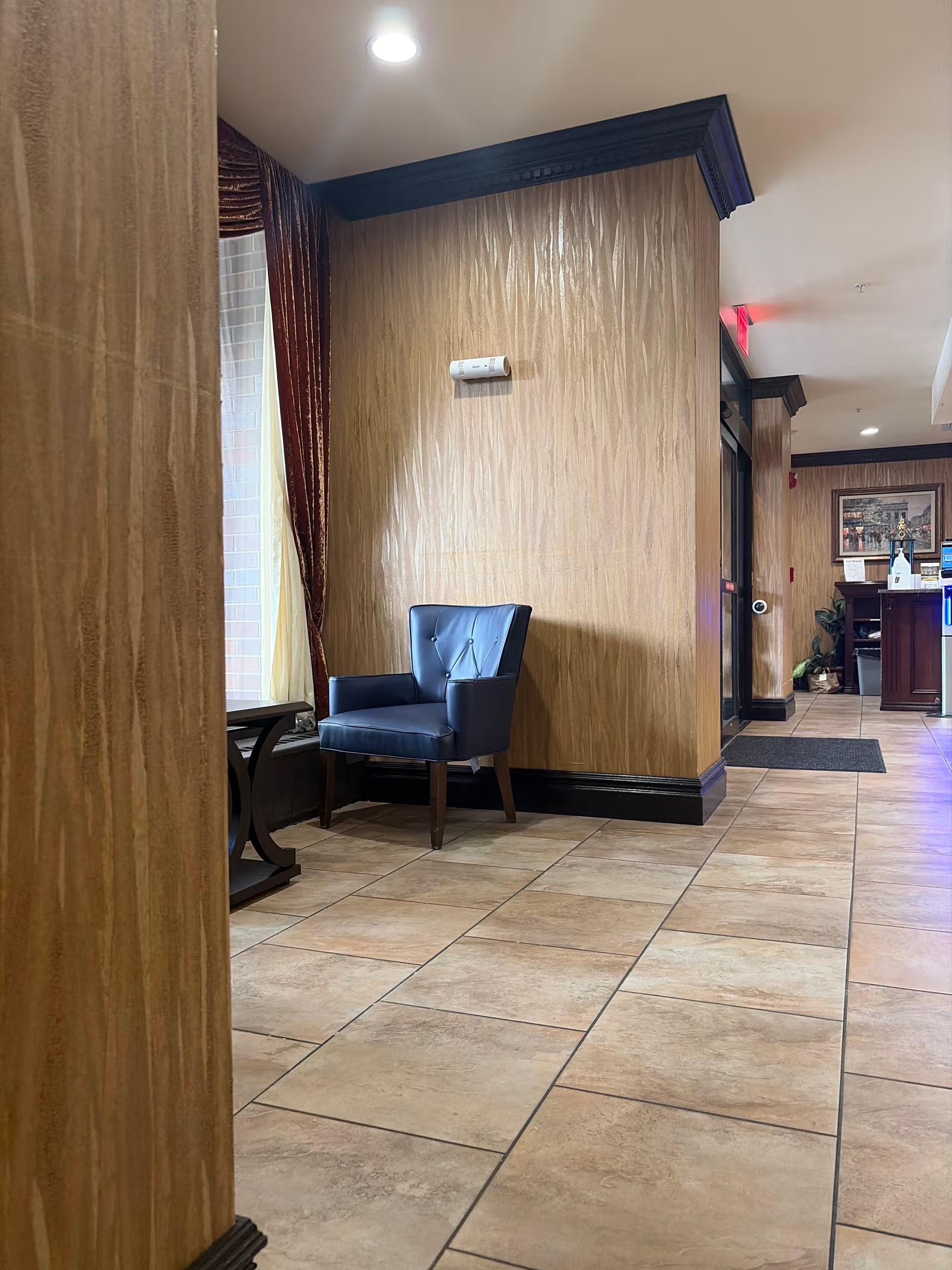
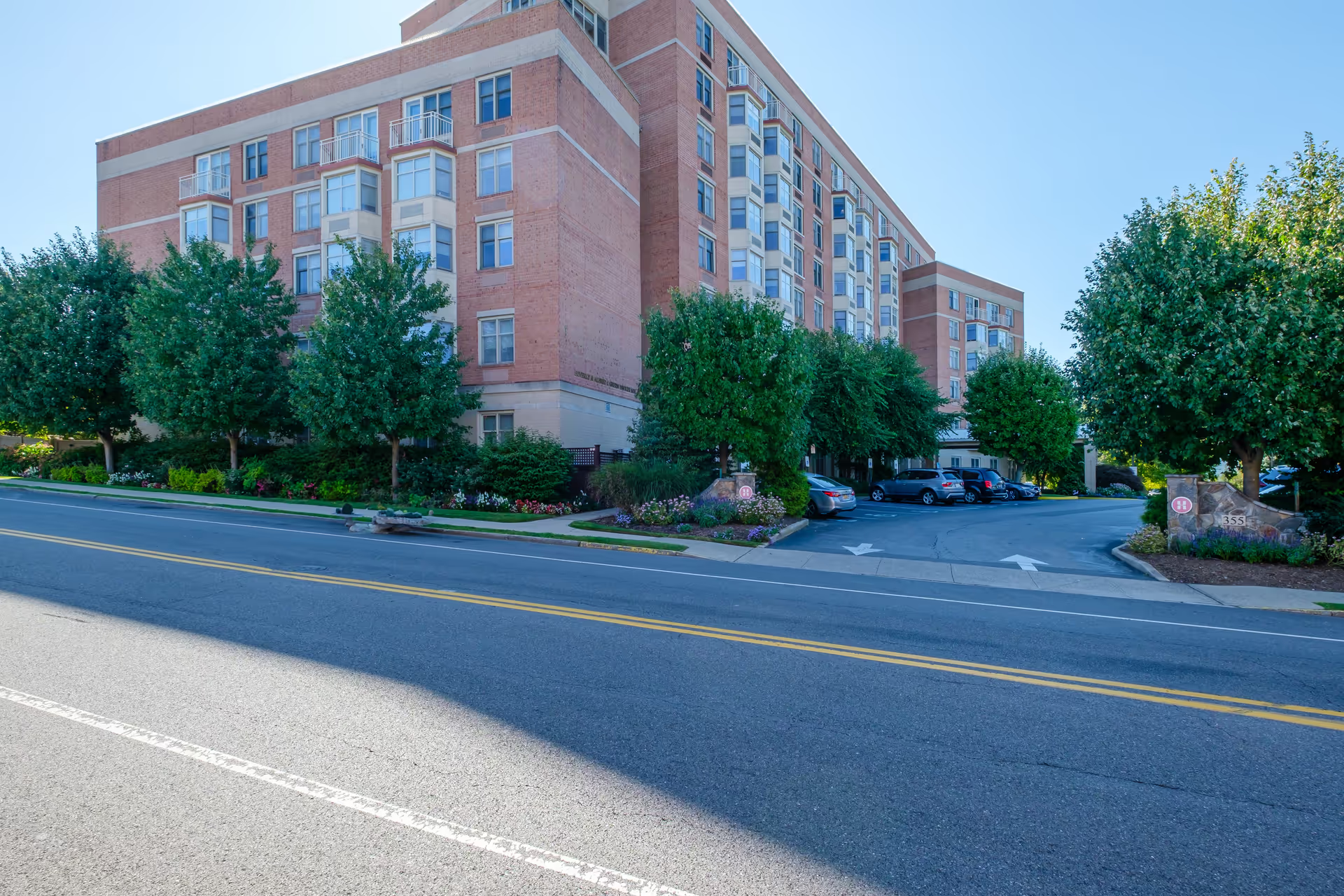
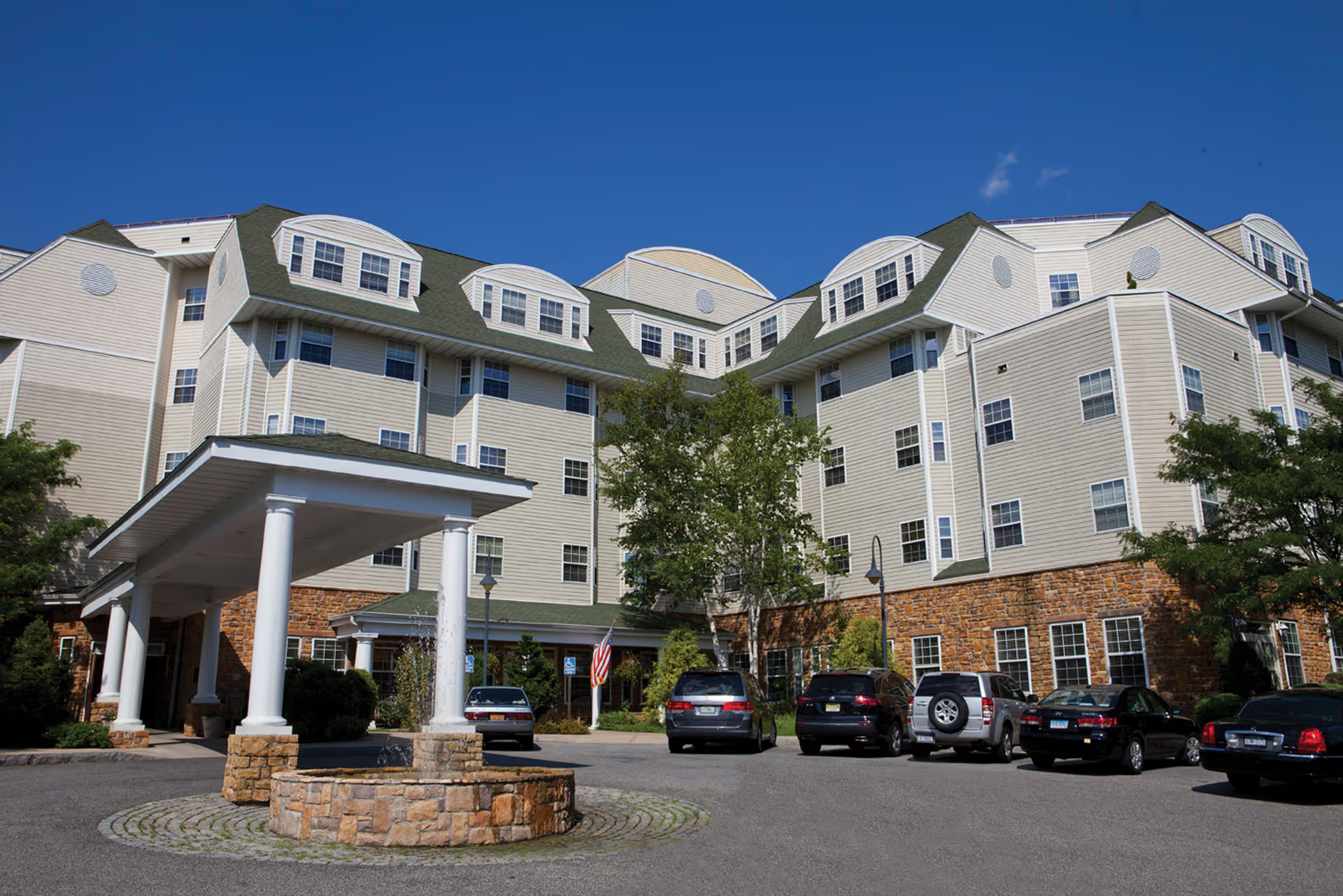
Facility condition and operations likewise show variability. Many families describe a modern, clean, well-maintained environment with home-like rooms, prompt daytime maintenance, and welcoming common areas. Conversely, other accounts raise sanitation and pest-control concerns, inconsistent housekeeping across units, and occasional maintenance issues that affected resident comfort. There are also multiple references to missing personal items and questions about storage/tracking of resident belongings, indicating opportunities to strengthen inventory and property protocols.
Management and administration evoke a split perception: some reviewers praise transparent, engaged leadership and a helpful admissions process, while others describe dismissive communication and defensive responses to serious incidents. There are also reports raising serious safety questions, including concerns following resident deaths and delays in critical responses; such allegations merit review through regulatory records and direct inquiry with facility leadership. Language-access limitations and perceived inequities in care for non-English speakers were reported and represent an operational area for improvement.
In summary, The Wayne Center demonstrates pronounced strengths in rehabilitation, therapy, and certain advanced clinical services, supported by several compassionate and effective staff members and social workers. However, notable variability appears across nursing shifts, sanitation practices, medication and dietary continuity, and communication from management. Prospective residents and families would benefit from on-site discussions about night staffing levels, medication-administration safeguards, infection-control and pest-control protocols, language-access services, personal-belongings procedures, and hospice coordination to ensure expectations align with the facility’s current operational realities.