The reviews present a strongly polarized picture of the facility. A sizable portion of comments describe a highly attentive, family-like culture with engaged leadership, individualized care planning, effective rehabilitation services and positive outcomes. At the same time, a number of reviews raise substantive operational concerns about safety, cleanliness, communication and administrative practices. Prospective residents and families will see both strong endorsements and serious cautions in the available feedback.
Care and staff: Many reviewers praise compassionate, respectful caregivers, CNAs, nurses and therapists who provide personalized attention and clear communication. Several accounts highlight an involved administrator who is accessible and proactive. Those positives coexist with reports of inconsistent responsiveness, delays in addressing clinical needs, and concerns about medication handling and oversight. There are also accounts describing unprofessional interactions and gaps in family notification—some of which have led families to pursue ombudsman or regulatory follow-up. Overall, the pattern suggests reliable, high-quality care is delivered at times but that consistency of clinical responsiveness and communication can vary.
Dining and activities: Multiple reviewers described balanced, nutritious meals and organized social programming that supports recovery and resident engagement. Conversely, other comments cite repetitive menus, limited nightly options, perceived declines in meal variety and occasional supply shortfalls. Activity programming is similarly mixed: some families report robust, engaging offerings and outings; others describe minimal or inconsistent programming. Rehabilitation services are frequently cited as a strength, with measurable discharge-to-community success, yet there are also mentions of limited dedicated therapy space and variability in therapy availability.
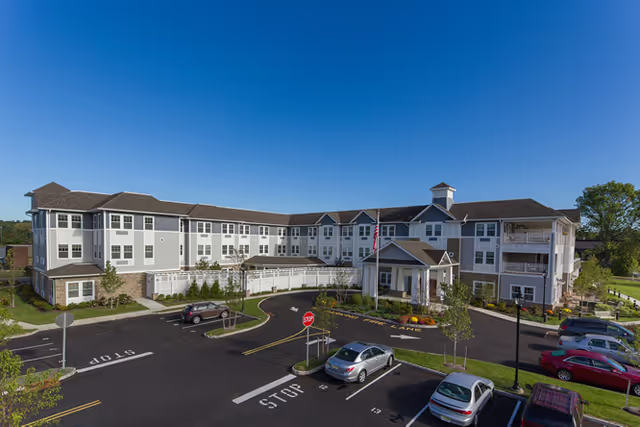
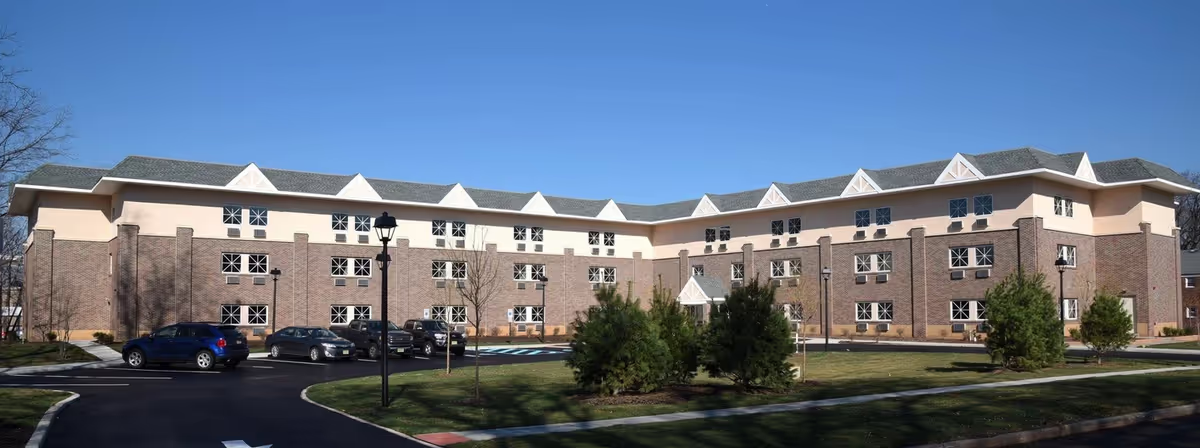
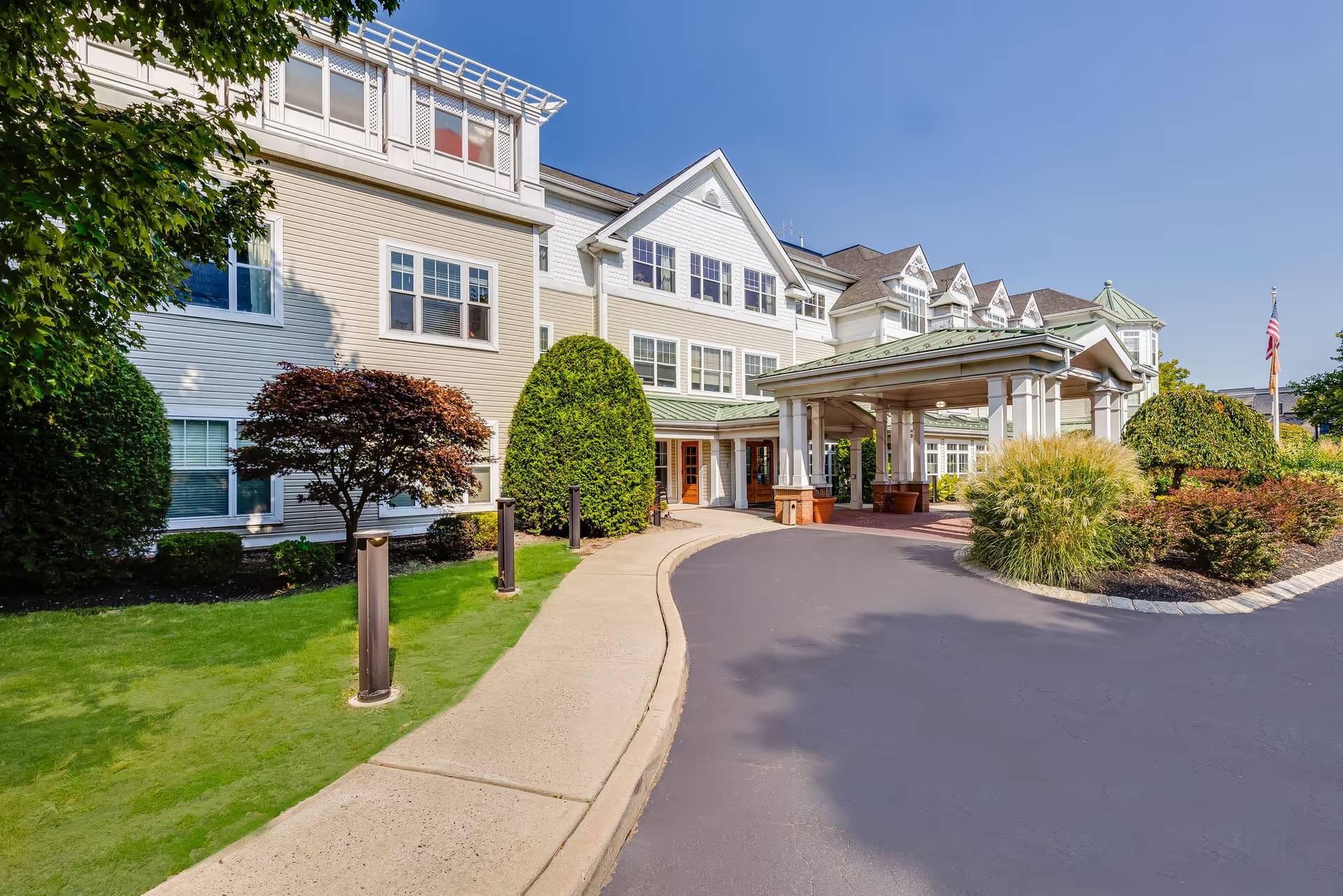
Facilities and safety: Many visitors describe a clean, home-like environment and well-maintained public areas. Contrasting reports point to an aging building with deferred maintenance, plumbing and hot-water issues, functional problems with beds and room equipment, sanitation and pest-control concerns in some areas, and gaps in basic safety features. These facility issues appear to influence perceptions of overall quality and may affect residents’ comfort and safety if not addressed consistently.
Management and operations: Leadership presence and open family communication are repeatedly cited as strengths when administrators are engaged. However, there are recurring operational concerns: inconsistent managerial responsiveness, pressure or inconsistencies around transfers and paperwork, weaknesses in informed-consent and transfer processes, and at least one mention of allegations related to theft and financial misconduct that prompted external involvement. These procedural weaknesses amplify clinical and facility concerns in affected accounts.
Notable patterns and guidance: The overall pattern is one of variability—strong, rehabilitative, person-centered care exists alongside episodic operational failures. For families considering this facility, recommended due diligence includes an on-site tour of multiple resident rooms and common areas, direct questions about staffing ratios and medication-administration protocols, clarification of therapy schedules and dedicated therapy space, review of pest-control and maintenance logs, and discussion of transfer and consent procedures. Asking for recent inspection or ombudsman reports and seeking references from recent families can help clarify whether the facility’s strengths are consistently applied and whether documented concerns have been remediated.