Overall impression: Reviews describe a facility that delivers generally effective clinical and rehabilitative care while exhibiting notable operational shortcomings. Clinical strengths — particularly in rehabilitation, nursing oversight, and physician involvement — are consistently highlighted, but nonclinical areas such as dining services, language access, privacy during care, and interpersonal communication show recurrent weaknesses.
Care quality and clinical services: Several accounts emphasize strong clinical teams. Physical therapy is described as attentive and conscientious, with documented rehabilitation successes and measurable improvement for some residents. Nursing oversight and physician involvement are characterized as efficient and caring, and administrative nursing coordination is noted as effective. However, there are recurring concerns about medication timing and reliability; these suggest process gaps in medication administration and handoff procedures that could affect continuity of clinical care.
Staff and interpersonal conduct: Caregivers and aides are praised for conscientiousness and supportive interactions with residents and families. At the same time, there are repeated comments about privacy lapses during personal care and about the tone and approachability of some social-service and front-line staff. Social-services coordination is described as efficient from an administrative perspective, but occasionally rigid in interpersonal style. Language-access limitations — including a lack of translators — create communication barriers for non–English-speaking residents and families and impair family engagement and satisfaction.
Dining and activities: Dining is an area of clear concern; reviewers described meal quality and satisfaction as substandard. That pattern points to weaknesses in menu planning, food preparation, or mealtime service consistency. There is limited commentary on organized recreational activities or resident engagement programs in the available summaries; absence of mention suggests these areas were not prominent in the reviewers’ impressions, either positively or negatively.
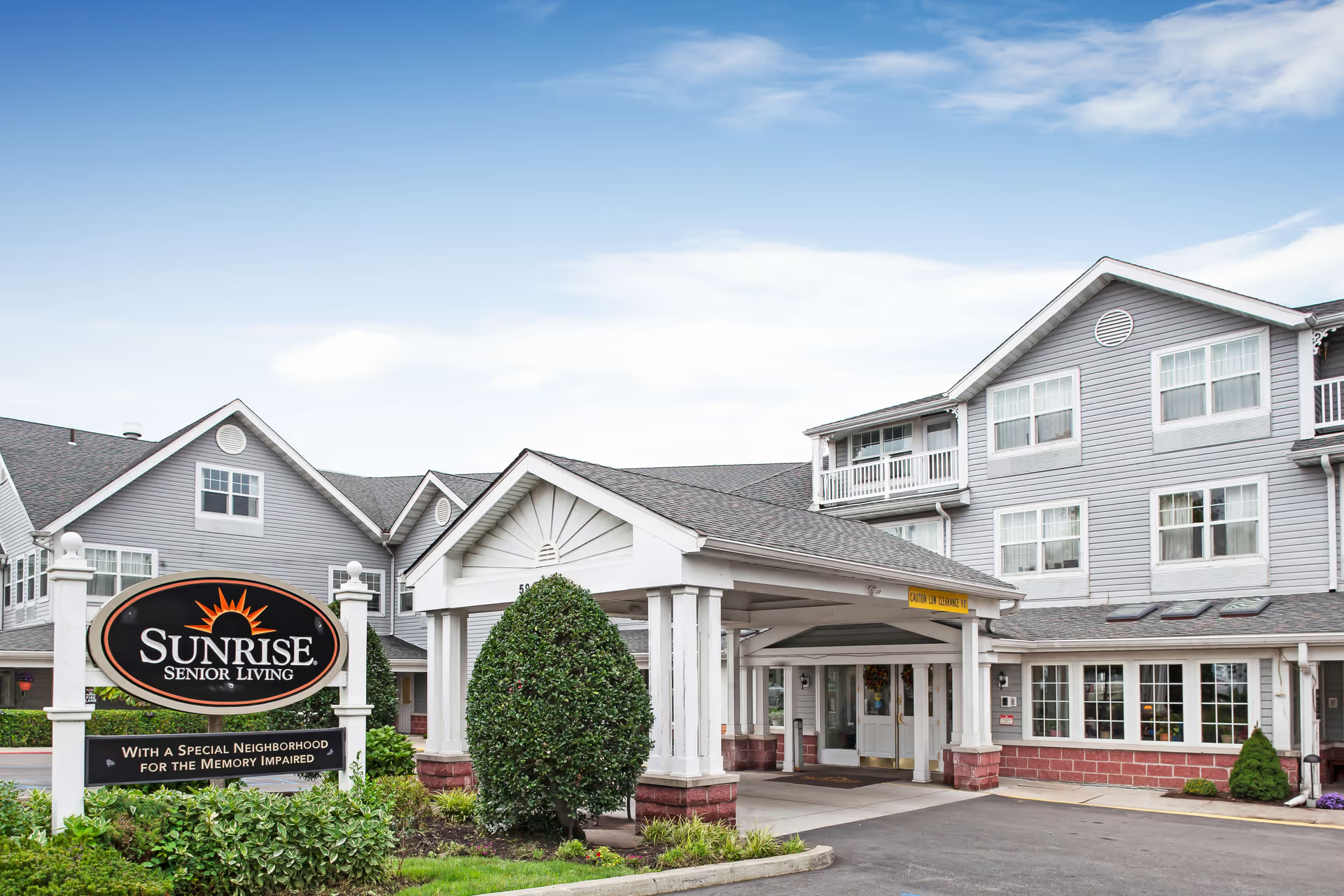
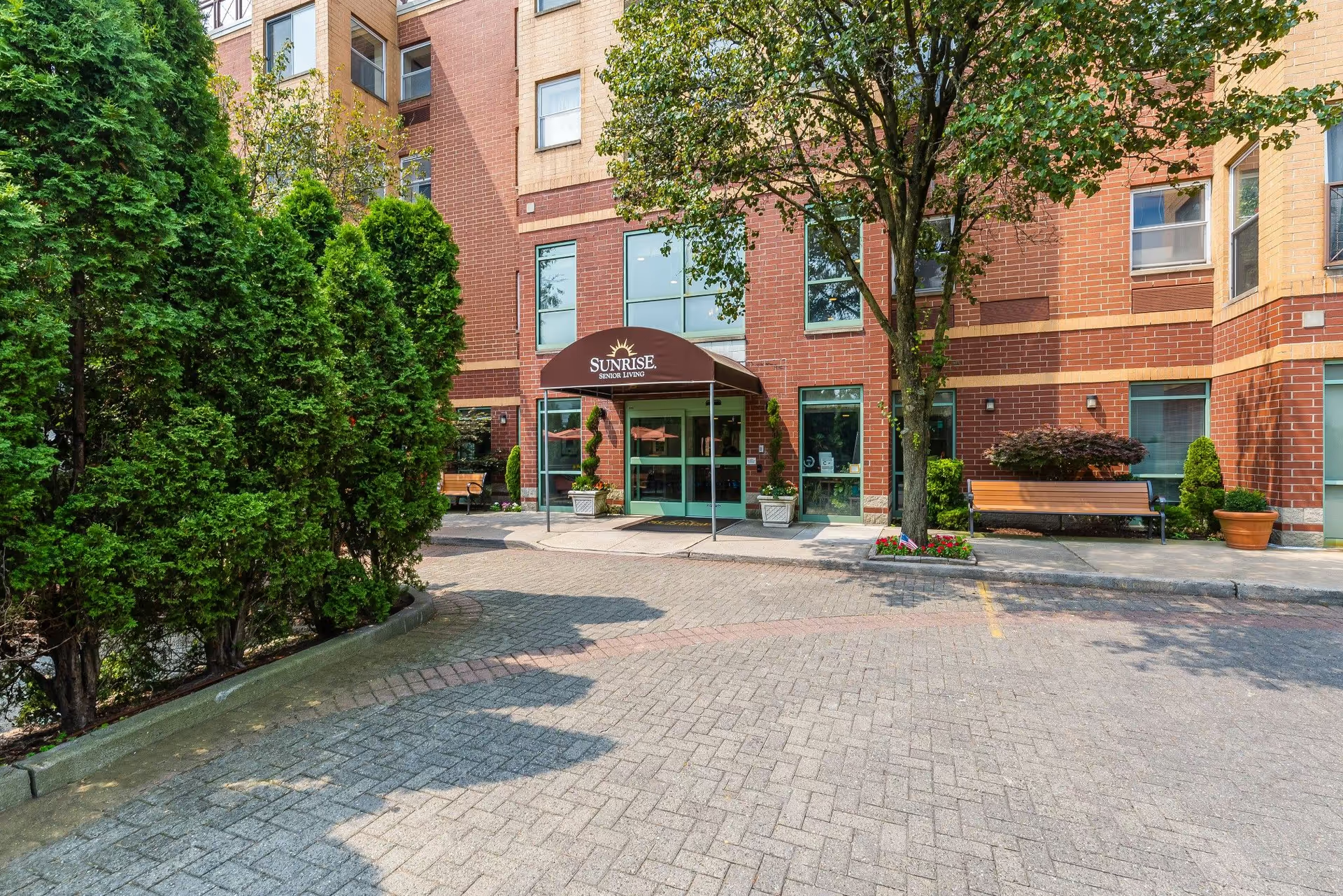
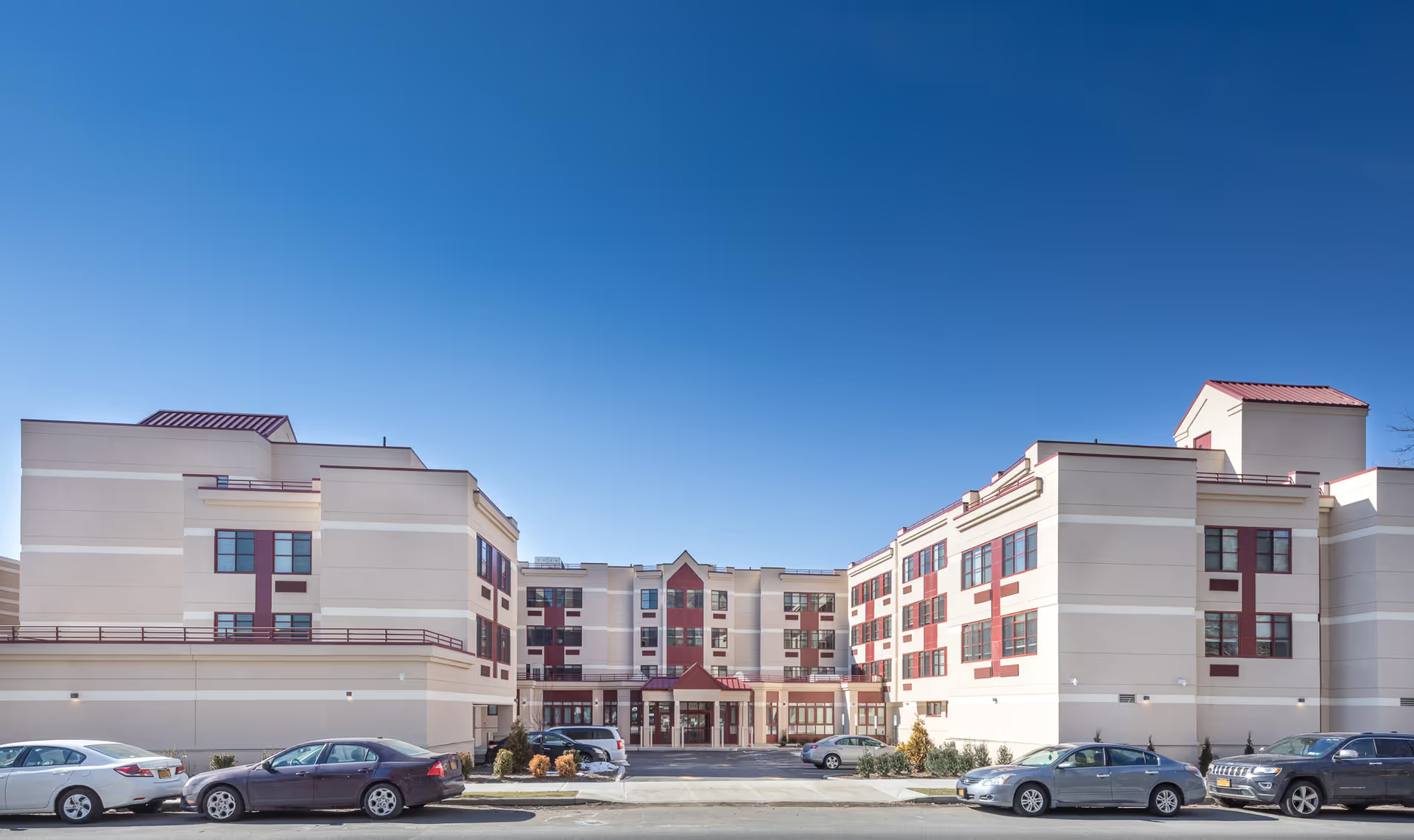
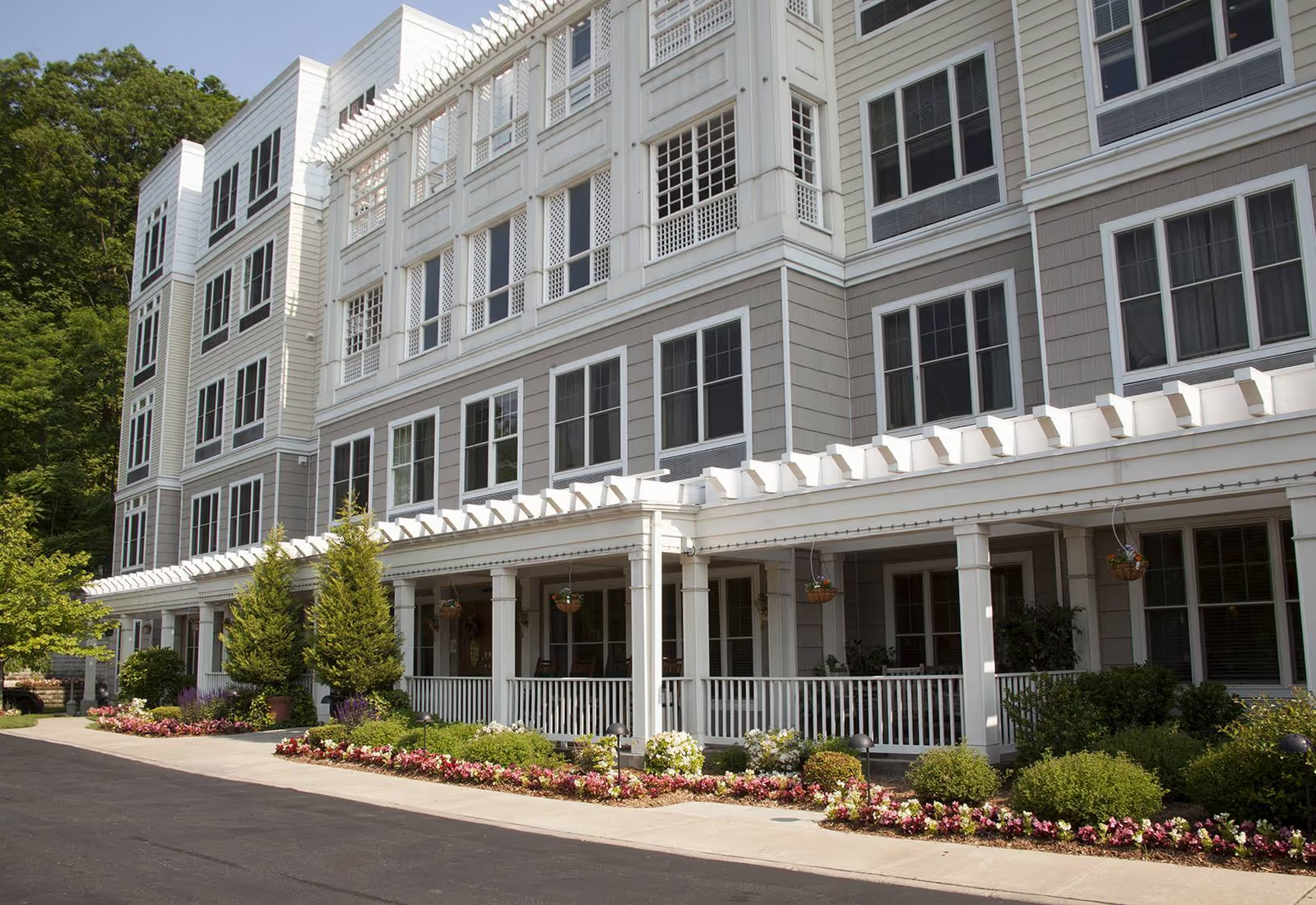
Facilities and cleanliness: The physical environment receives positive remarks for cleanliness and maintenance. Housekeeping and general sanitation appear to be reliable aspects of the facility’s operation, contributing to a well-kept setting.
Management and operational patterns: Management strengths include administrative efficiency and coordinated social-service processes. Operational gaps appear in medication management, mealtime quality control, privacy protections during personal care, language-access planning, and staff communication style. These are systemic, facility-level traits rather than isolated incidents and would benefit from targeted quality-improvement efforts: standardizing medication administration protocols, enhancing mealtime oversight, implementing privacy-focused training for direct-care staff, and expanding interpreter services.
Notable patterns and takeaways: The facility’s core clinical and rehabilitative services are a relative strength and may deliver meaningful recovery outcomes for residents needing therapy. Families prioritizing strong medical and rehabilitative care may find the facility appropriate, but those for whom dining quality, language access, privacy during care, or warm interpersonal communication are priority areas should seek clarifying conversations with administration about specific policies and improvement plans before making placement decisions.