Reviews describe a facility with a broad range of strengths alongside recurring operational concerns. Strengths most consistently described include a robust rehabilitation program, attentive therapists, and many caregivers who families characterize as compassionate and hands-on. The site’s public spaces—lobby, rehab gym and common rooms—are frequently described as clean, welcoming, and well maintained, with recreational offerings such as music, gardening and group activities that contribute to resident engagement and morale. Several accounts highlight capable specialized services (respiratory care, tracheostomy management, on-site dialysis) and the presence of multilingual staff and social-work support that can ease transitions and discharge planning.
Clinical quality perceptions are mixed. Positive reports praise effective therapy plans and coordinated progress toward discharge, while other accounts describe inconsistent clinical practice—notably wound and infection-management, and variable adherence to specific physician orders (positioning, feeding/fluids, medication or treatment continuity). Families also describe uneven responsiveness to call bells and delays in communication, and a subset of reviews raise concerns about emergency monitoring and timely intervention. These mixed signals suggest that clinical performance may be strong in certain units or shifts and less reliable in others.
Staffing and culture present a similar pattern of contrast. Many families commend individual nurses, aides, therapists and administrators for professionalism, warmth and proactivity; at the same time reviewers report understaffing, high turnover among CNAs, and inconsistent on-duty conduct (personal phone use, tone of communication). These operational staffing issues are linked in some accounts to slower response times, missed or delayed care tasks, and variability in the daily experience for residents.
Dining and activities are frequently cited as positive aspects: personalized meal accommodations, chef-quality items for some residents, and an active recreation schedule that includes celebrations and personalized therapy themes. However, food quality consistency is uneven across reports and additional clarification about meal-service routines may be warranted during intake.
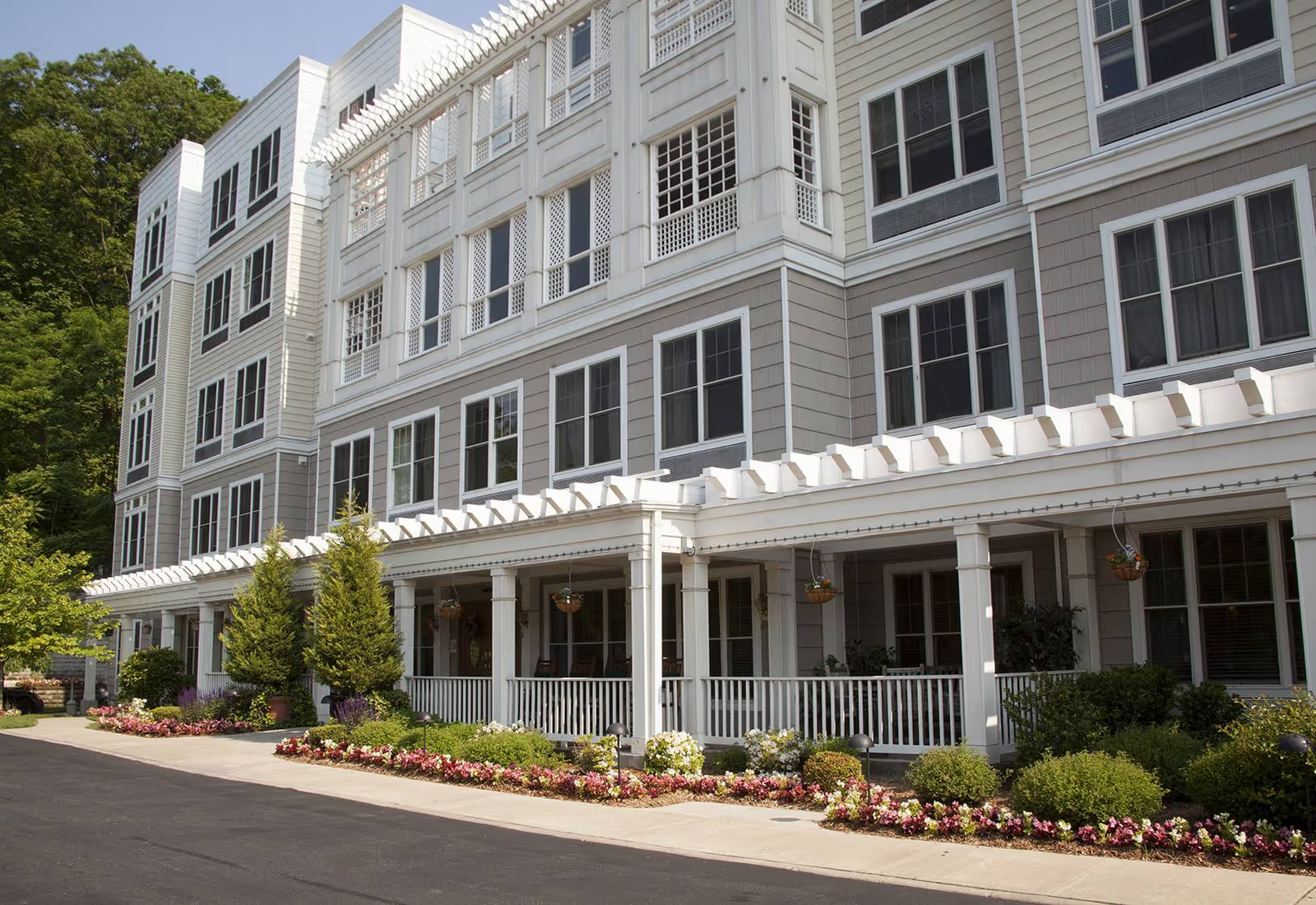
Facility condition impressions are largely positive for communal areas and therapy spaces, but several reviews identify sanitation and upkeep concerns in particular rooms or floors, and some note an outdated appearance of specific units. Property-management issues—items lost, belongings distributed without clear notice, and questions about discharge-room preparation—appear repeatedly enough to be considered an operational weakness.
Administrative themes include praise for particular social workers and administrators who go above and beyond, alongside descriptions of abrupt or insurance-timed discharges and inconsistent discharge coordination. Prospective residents and families should be prepared to discuss discharge policies, wound-care protocols, staffing patterns for the intended unit and shift, emergency-preparedness measures, and belongings-protection procedures during tours.
In summary, Palm Gardens offers strong rehabilitation services, engaging activities, and many staff who provide compassionate, personalized care. At the same time, reviewers describe variability in staffing, clinical consistency (especially wound/infection management), responsiveness, and certain housekeeping/property controls. These mixed patterns suggest the facility can deliver high-quality outcomes for residents in units or shifts where staffing and clinical oversight are solid, but families should perform targeted inquiries and observe unit-level conditions to match expectations with the specific placement and care needs.