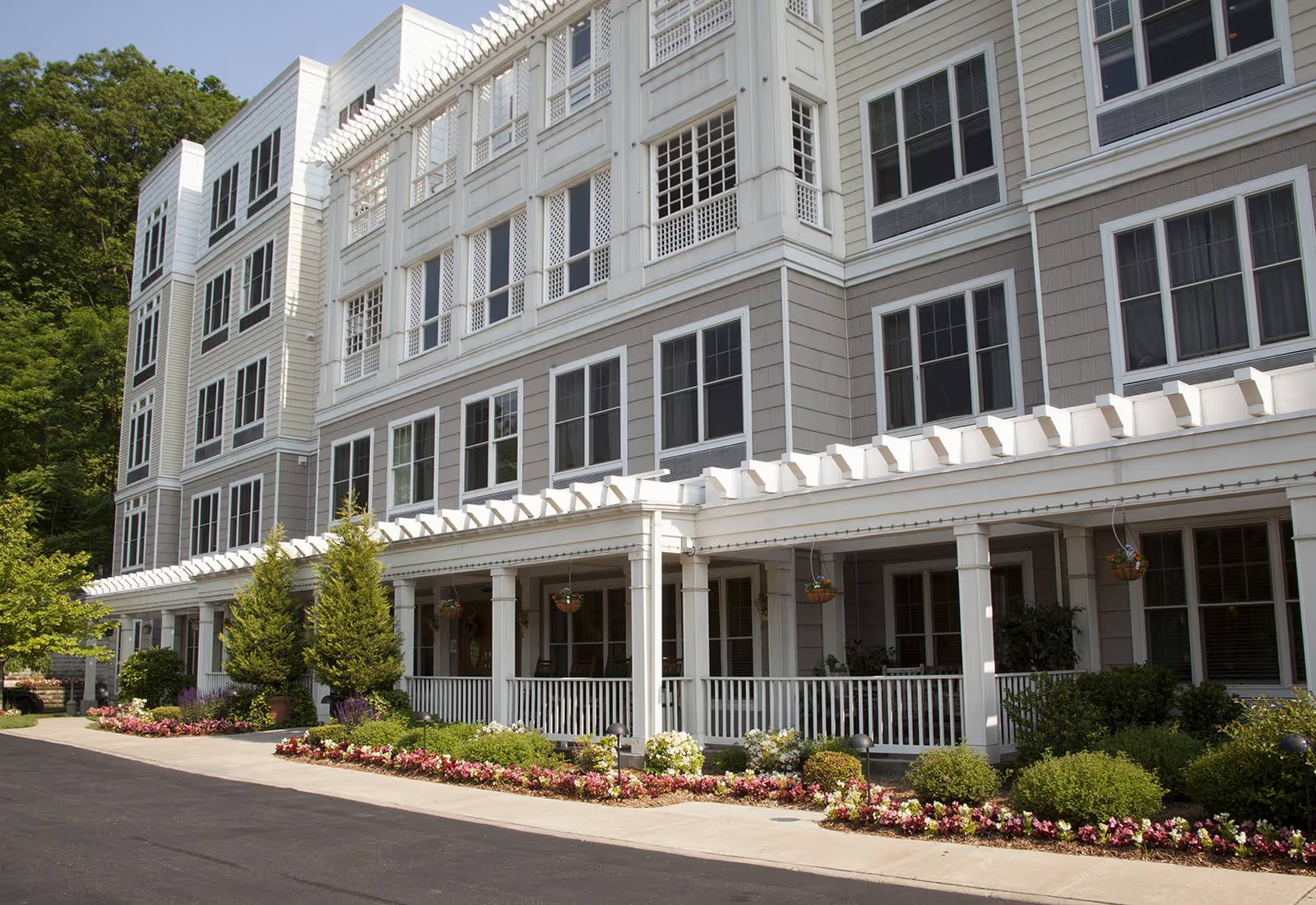
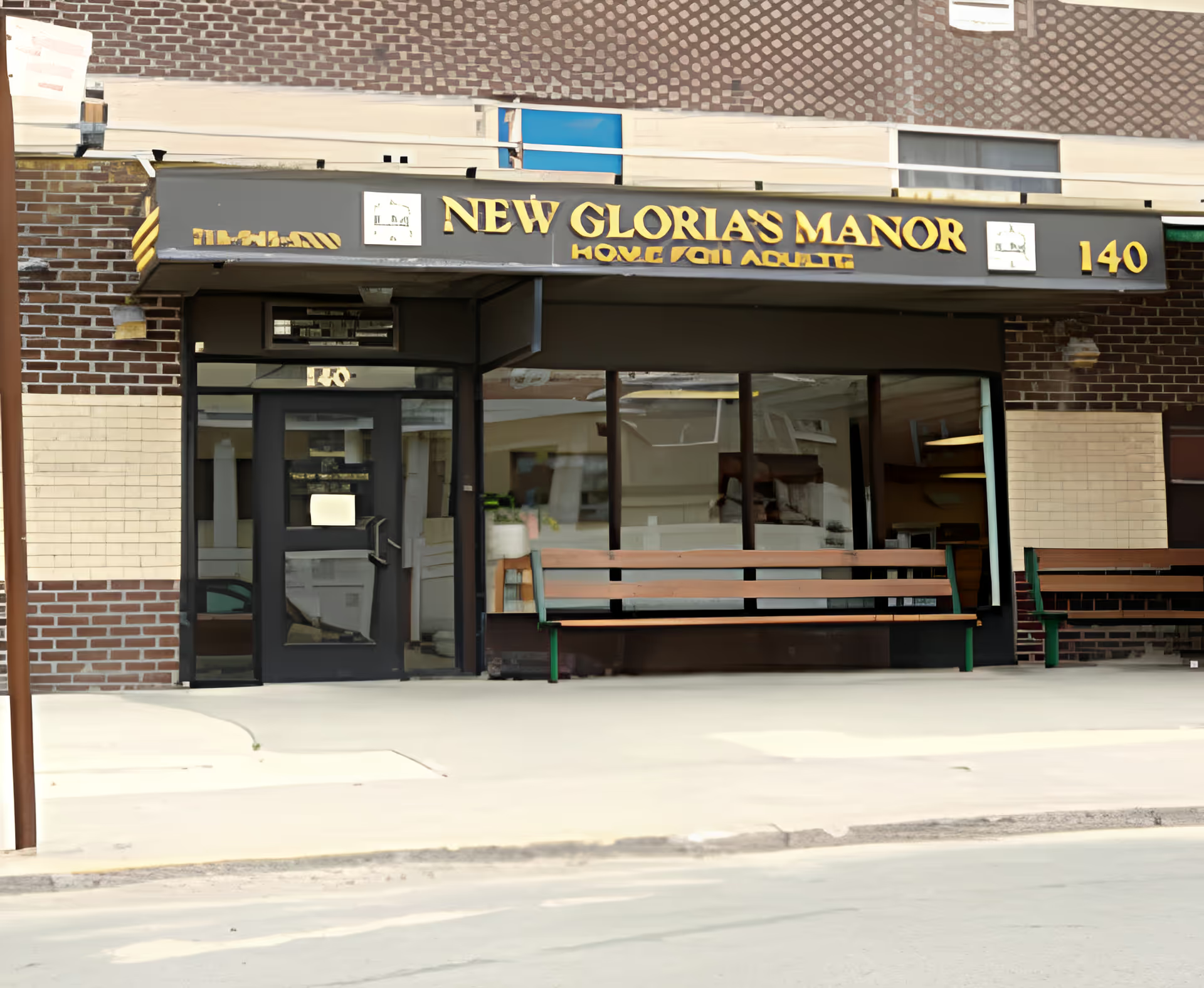
Signature Senior Living elicits strongly mixed feedback. Many families and residents highlight the quality of direct care: individual staff members, activity coordinators, and certain administrators receive repeated praise for compassion, professionalism, and smooth intake support. Several named employees were called out positively for being proactive, helpful and reassuring during transitions. The community offers private memory-care rooms, a range of activities (bingo, exercise classes, movie nights, outings), onsite therapy and salon services, and outdoor spaces that residents and families find valuable. In renovated areas reviewers describe a hotel-like atmosphere, well-furnished rooms, clean common areas, and active programming that can improve resident mood and participation.
At the same time, there is a consistent pattern of operational concerns. Cleanliness and sanitation are described as inconsistent across different wings and units, and reviewers point to a maintenance backlog and areas that need renovation. Furnishings and decor are uneven between floors; some wings are updated while others retain older, institutional finishes and limited storage. Several accounts indicate small shared-room layouts or limited single-occupancy availability, which may affect privacy and suitability depending on a prospective resident’s needs.
Clinical-operations and staffing present another contrast. While medication administration and medical attention were reported as timely in many cases, there are recurring reports of understaffing—particularly on dementia units—and of outsourced caregiving arrangements that can disrupt continuity. Families also note inconsistent responsiveness from administrative staff, including delays in addressing care concerns, missed appointments or staff no-shows, and variability in communication following incidents. These operational gaps are linked in some reports to increased family involvement or the need to supplement care privately.
Dining and activities are generally strengths where resources and staffing are steady: many reviewers praise well‑portioned meals, dietary accommodations (including kosher options), and a robust activity calendar. However, food quality and meal-service continuity are described as variable, and interruptions (for example during renovations or staffing shortages) have been noted.
Management, billing, and accountability are areas callers should evaluate during a tour. There are repeated comments about billing errors, confusing invoices, and concerns around financial administration; a subset of reviewers describe serious financial concerns that prompted regulatory attention. There are also multiple references to missing personal items and questions about asset accountability. Prospective families should ask for documentation of staffing models (including use of agency/outsource staff), pest-control records, recent inspection reports, and any regulatory findings.
Recommendation: the community shows clear strengths in compassionate direct care, activity programming, and renovated living areas, and it can be a good fit when those elements align with a prospective resident’s needs and acuity. At the same time, variability between units and shifts—around cleanliness, maintenance, staffing levels, and administrative consistency—means an in-person assessment should focus on the specific unit, staff on duty, recent inspection history, and written policies for billing, security, and incident response. Families seeking memory-care placement should pay particular attention to staff-to-resident ratios, continuity of caregivers, and how the facility documents and resolves clinical and property concerns.