Brompton Heights of Williamsville presents a mix of clear strengths and operational challenges. The strongest and most consistent praise concerns the social program: a robust, varied activities schedule with frequent live entertainment, outings, and daily engagement that many families describe as a key asset. The activities leadership is frequently singled out as dedicated and effective, and the community offers a broad range of amenities — a private movie theater, ice cream parlor, library, activity rooms, pool table and organized field trips — that support an active, social environment.
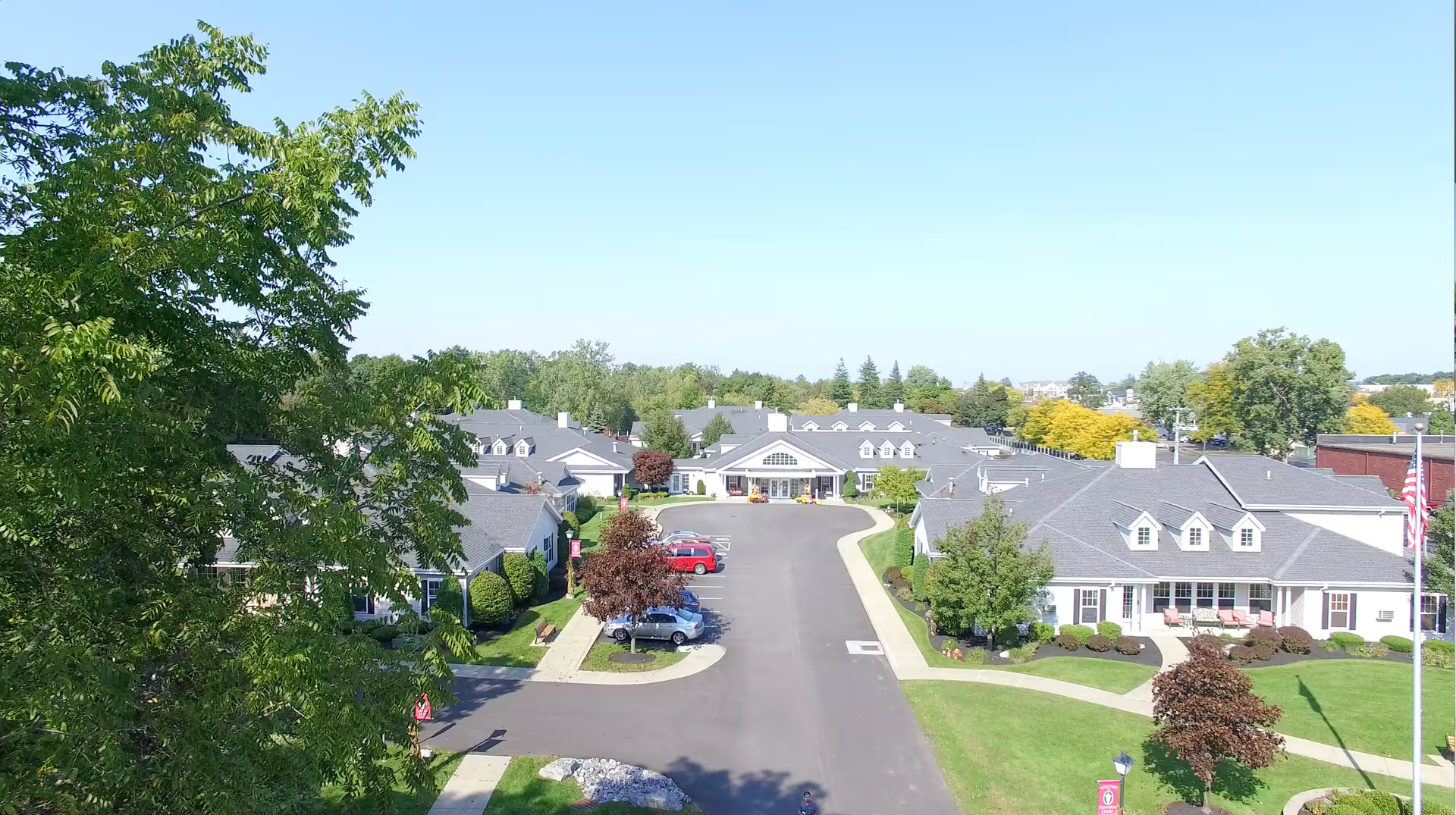
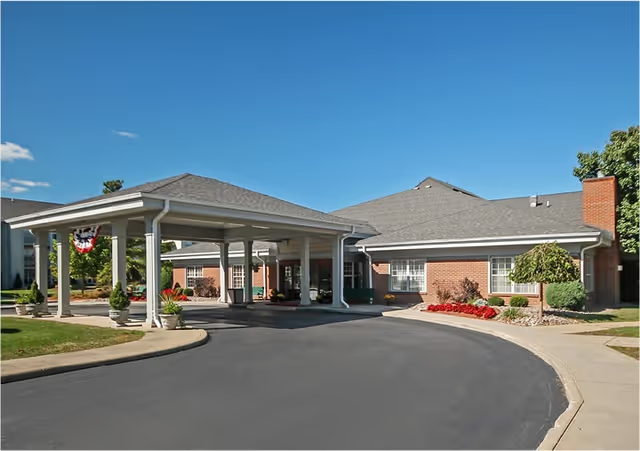
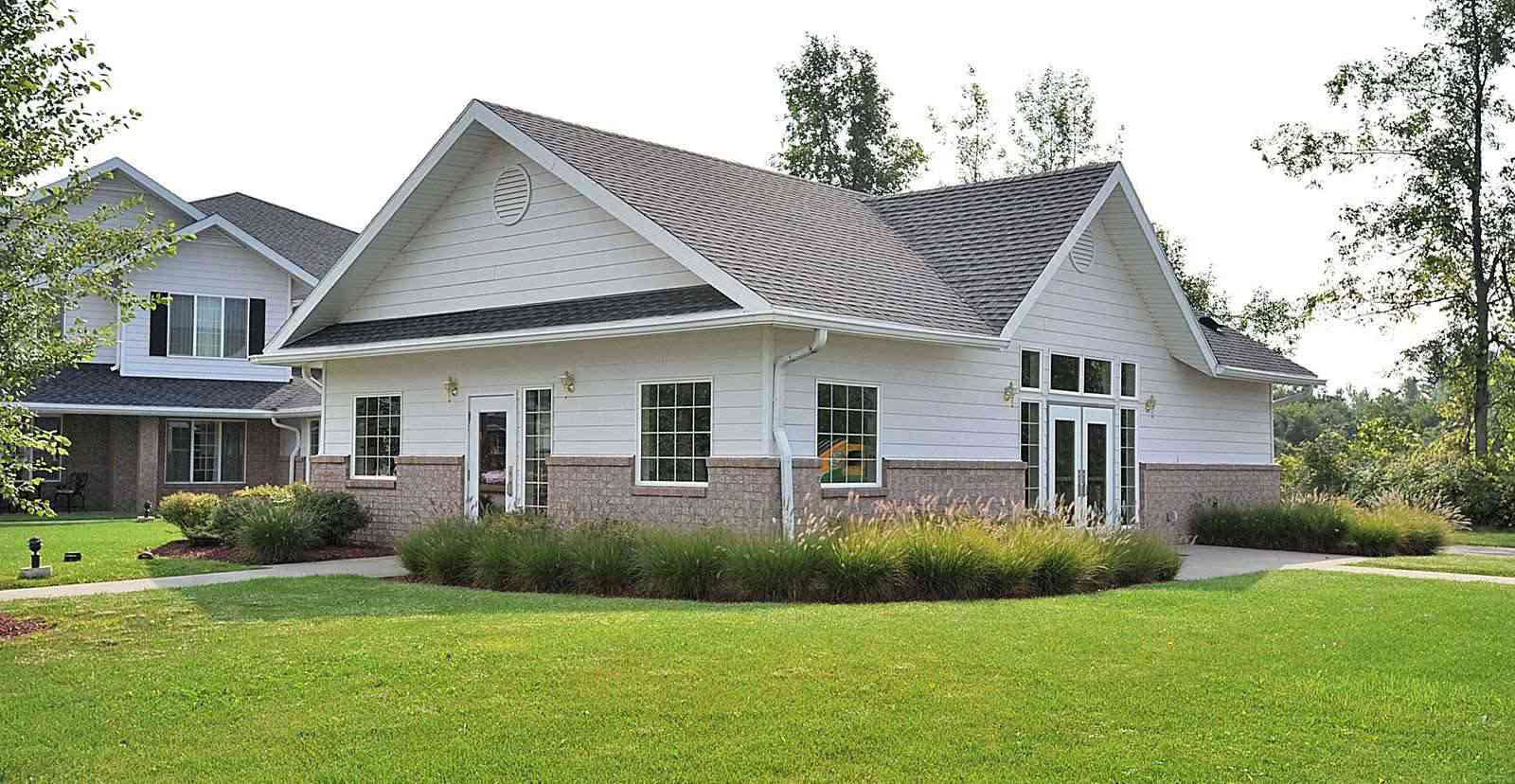
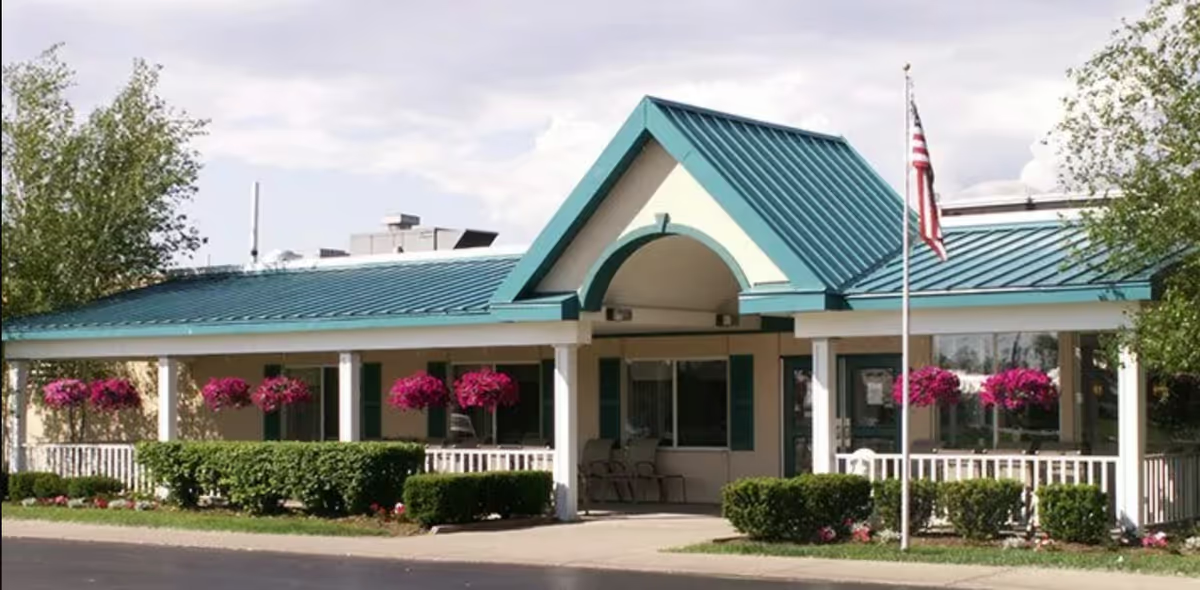
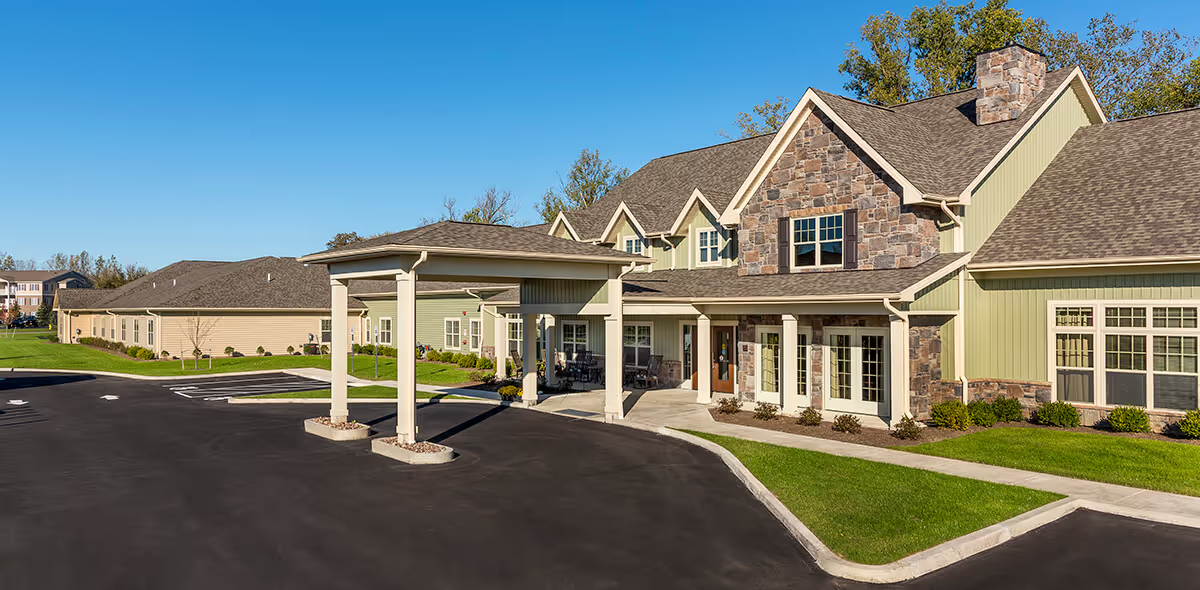
Dining and amenities receive generally positive feedback: several reviewers highlight chef-driven meals, multiple menu choices, seasonal events, and pleasant dining rooms. The facility’s physical campus is often described as resort-like with attractive grounds, a grand lobby, and spacious private or semi-private rooms that include large bathrooms; some apartments offer in-unit washer/dryers and full kitchens. On-site skilled nursing and a memory-care unit are available, which is important for families seeking a continuum of care. Many families also describe a warm, family-style caregiving atmosphere and responsive daytime staff who coordinate doctor visits and transportation.
Despite these strengths, there are recurring operational concerns that prospective residents and families should weigh. Staffing and clinical continuity are inconsistent in accounts: reviewers describe scheduling gaps, stretched aides, and nurses covering multiple units, which can lead to delays in assistance and uneven care continuity. Relatedly, there are concerns about medication-management practices and documentation. Cleanliness and sanitation controls are uneven across the campus, and there are mentions of pest-control issues in certain units. Kitchen management and meal consistency are variable; while some praise the food, others describe declines in meal quality or interruptions in expected meal service.
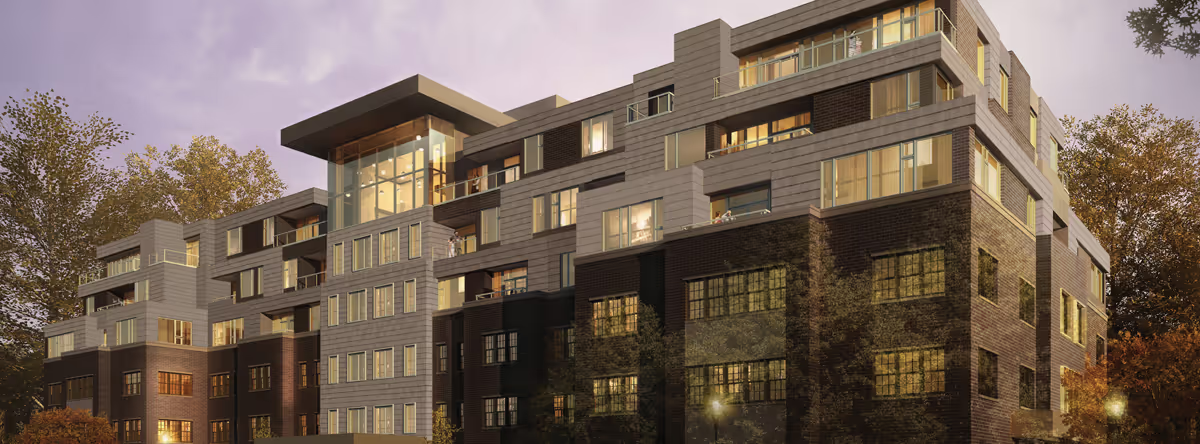
Management and communication emerge as another mixed area. Several reviews describe constructive, visible leadership and improvements in staff morale after leadership changes, while other reviews indicate unresponsive or defensive administration, inconsistent family communication, and occasional regulatory attention such as Department of Health survey activity. The physical layout and scale of the community also affect experience: the large campus and long internal distances can make navigation challenging, and there is an observable difference between newer, updated sections and older, less-refreshed areas. High occupancy periods can create crowded common areas, and some families raise concerns about visitation limitations and clarity around pricing and billing.
Overall pattern: experiences are polarized — many families report excellent, active living with attentive staff and strong programming, while others describe operational shortfalls in clinical oversight, staffing, cleanliness, and management responsiveness. Prospective residents should schedule a tour that includes multiple units (newer and older sections), review recent regulatory surveys, ask about current staffing ratios and medication protocols, observe meal service, and clarify visitation and billing policies. These steps can help determine whether the community’s strengths align with an individual’s care needs and expectations.