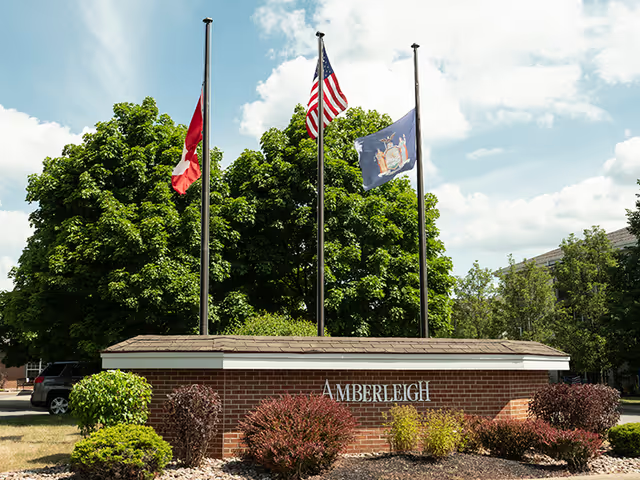
Peregrine Senior Living at Cheektowaga elicits strongly mixed but thematically consistent impressions. Many families emphasize a warm, family-like culture driven by compassionate, resident-focused staff; reviewers describe staff who know residents by name, organize a broad calendar of activities, and provide supportive admissions and transition assistance. The community is frequently praised for its cleanliness, modernized sections, spacious apartment-style units with kitchenettes, pleasant outdoor spaces and an in-house chapel. Memory-care services are noted as a deliberate operational area with dementia-specific programming and a secure wing.
Care quality is an area of contrast. Numerous accounts describe attentive nursing, helpful aides, coordinated care among nursing/dietary/therapy/maintenance teams, and effective medication adjustments. Conversely, a persistent theme across reviews is inconsistent care linked to staffing shortages and turnover. That pattern is associated with delayed responses to call alarms, uneven completion of personal-care tasks (including incontinence-related assistance), and variable oversight of residents at higher fall risk. There are also recurrent concerns about medication-administration controls; families should ask for current staffing ratios, training protocols, and medication-safety practices when evaluating placement.
Dining receives largely positive comments for variety, generous portions, and home-style offerings (including homemade soups and special holiday meals), and many residents enjoy the social dining atmosphere. However, reviewers also cite operational weaknesses: meal temperature and service continuity can be inconsistent, dining-room staffing shortages have been noted, and some find the menu occasionally bland or lacking in fresh fruit and vegetables. Prospective residents may want to observe a mealtime and inquire about kitchen staffing during peak service times.
Activities are a pronounced strength for many residents: daily programming ranges from exercise classes, arts and crafts, and weekly live music to frequent outings, scenic drives, and religious services. The activity staff are frequently described as energetic and effective at creating social opportunities. That said, activity engagement can be uneven when transport or wheelchair availability is limited or when staff shortages force cancellations; families should confirm transportation capacity and how off-site trips are prioritized.
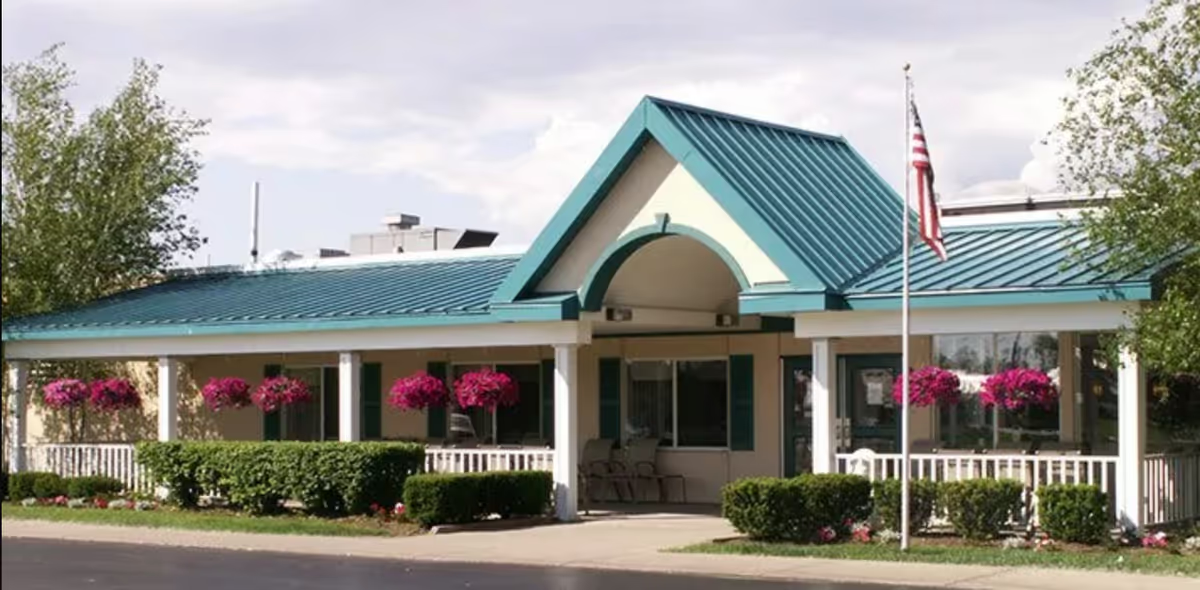
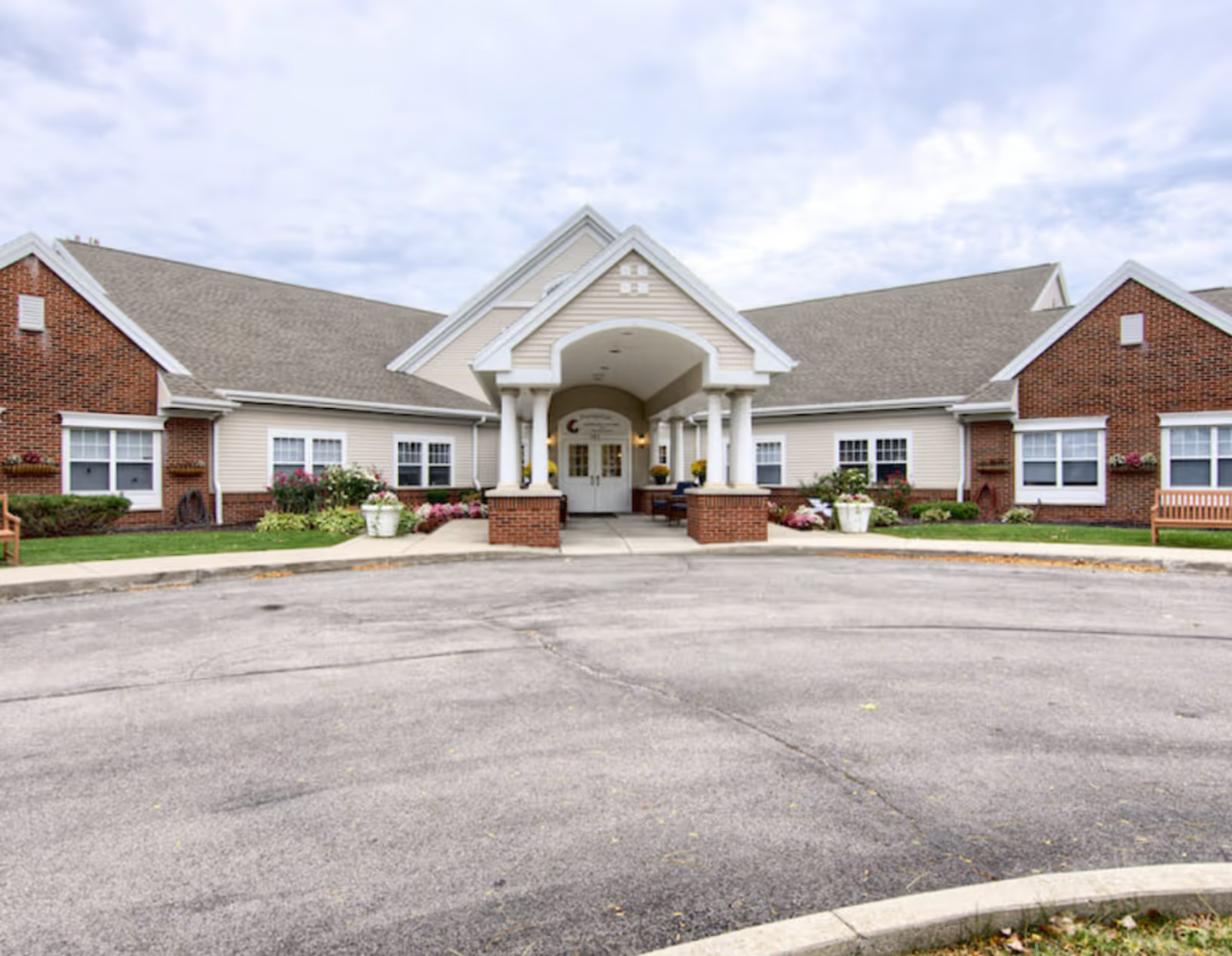
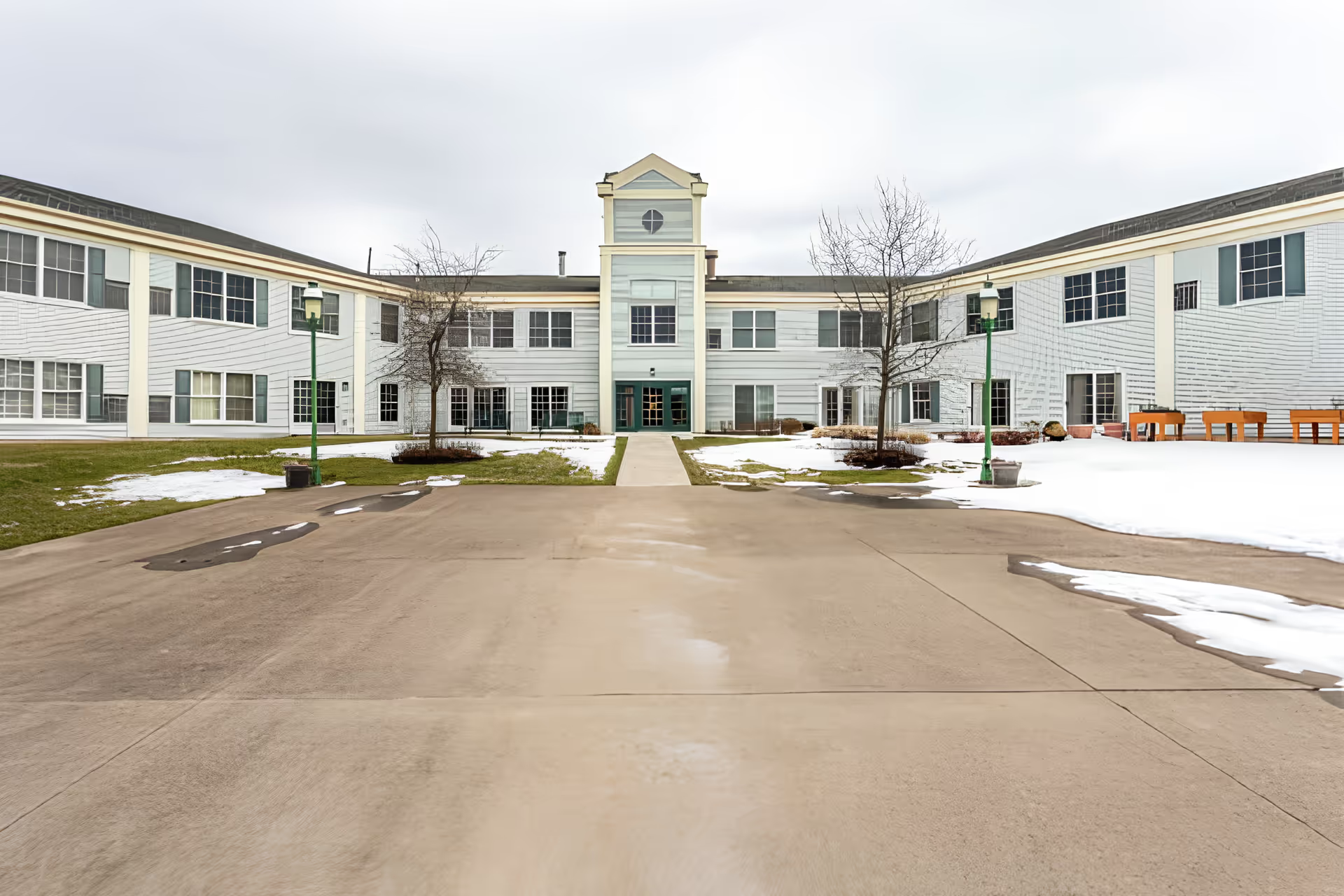
Facility condition is generally reported as good to very good. Many reviews highlight bright, renovated areas, clean common spaces, chapel, salon, therapy gym, and attractive outdoor courtyards. Some parts of the building were described as older or awaiting renovation, and the two-level layout raises accessibility considerations for residents who use walkers or have limited mobility; prospective residents should verify elevator reliability and unit location relative to common areas.
Management impressions are polarized. Several families commend approachable administrators who communicate clearly, resolve issues, and coordinate care proactively. Others describe lapses in communication, promises not kept, rising fees without corresponding service enhancements, and inconsistent response to concerns. There are also isolated but serious allegations about missing personal items and staff conduct; these warrant direct inquiry during tours and reference checks. Billing transparency and pharmacy arrangements have been a point of dissatisfaction for some families, so clarifying fee structures and pharmacy partnerships is advisable.
Overall pattern: many residents and families report high satisfaction driven by personable staff, robust social programming, and a clean, well-appointed environment. At the same time, recurring operational weaknesses—chiefly inconsistent staffing, variable oversight of clinical and personal-care tasks, and communication gaps with families—create risk of uneven experiences. For families considering this community, recommended due diligence includes asking for current staffing ratios and turnover data, reviewing medication-safety and incident-communication policies, observing a mealtime and an activity, verifying transportation and accessibility accommodations, and discussing billing/pharmacy arrangements and property-control procedures for personal items.