Overall impression: Reviews of Carthage Center are highly polarized. A consistent strength is the facility’s rehabilitative therapy — physical therapy, occupational therapy, and speech-language pathology are frequently described as effective and instrumental in restoring function or preparing residents for discharge home. Many families and former patients praise individual caregivers and therapists as caring, skilled, and attentive. At the same time, a substantial portion of feedback raises operational concerns that affect perceived safety and reliability of care.
Care quality and safety: There is a clear pattern of concerns related to responsiveness of direct care staff. Long wait times for assistance with personal care, delays in toileting and hygiene support, and inconsistent timing of medications are recurrent themes. Reviewers have also described fall incidents and readmissions that reviewers tie to staffing shortages and gaps in transfer/fall-prevention practices. A few accounts reference serious clinical deterioration and concerns following a resident’s death; these comments underscore the importance of verifying current clinical oversight and incident history before placement.
Staffing and staff conduct: Many reviews portray frontline staff (aides and therapists) as hardworking and compassionate but overstretched. Staffing levels and workload are described as inadequate relative to resident needs, contributing to delayed care and inconsistent attention. Reviewers also raise concerns about staff professionalism and infection-control practices in some instances (for example, distraction by personal devices or poor hand-hygiene practices). Leadership responsiveness is another theme: families report difficulty reaching nursing leadership, social work, or administration in a timely manner.
Dining and activities: Opinions on dining are mixed. Several reviewers praise the meals as well-balanced and tasty, while others note cold meals or inconsistent service. The activities program is more uniformly described positively and appears to be an active part of resident life for some participants.
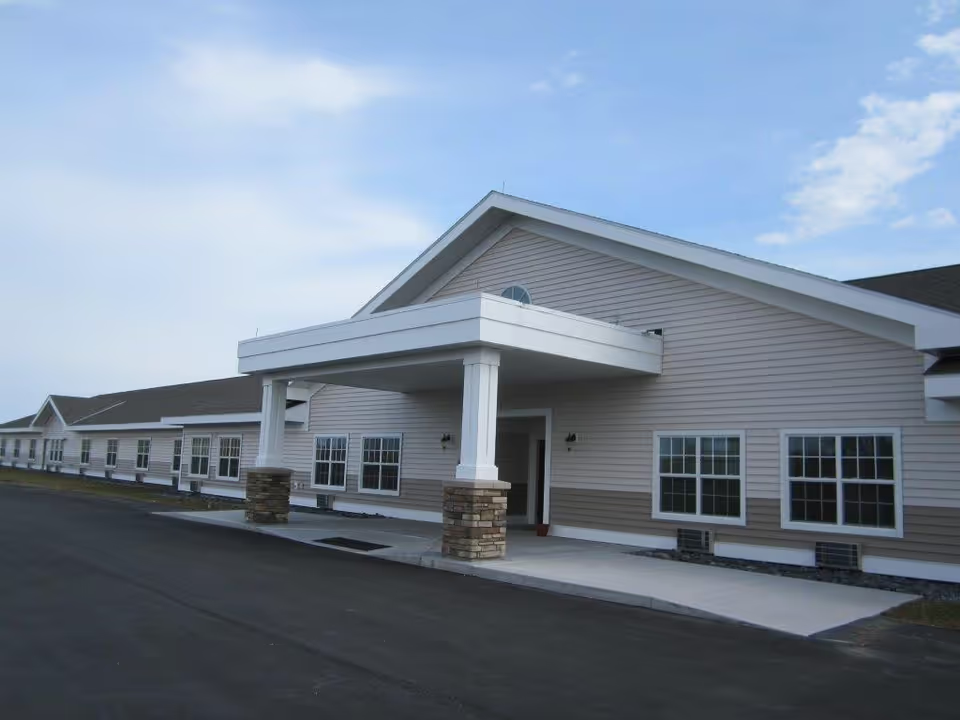
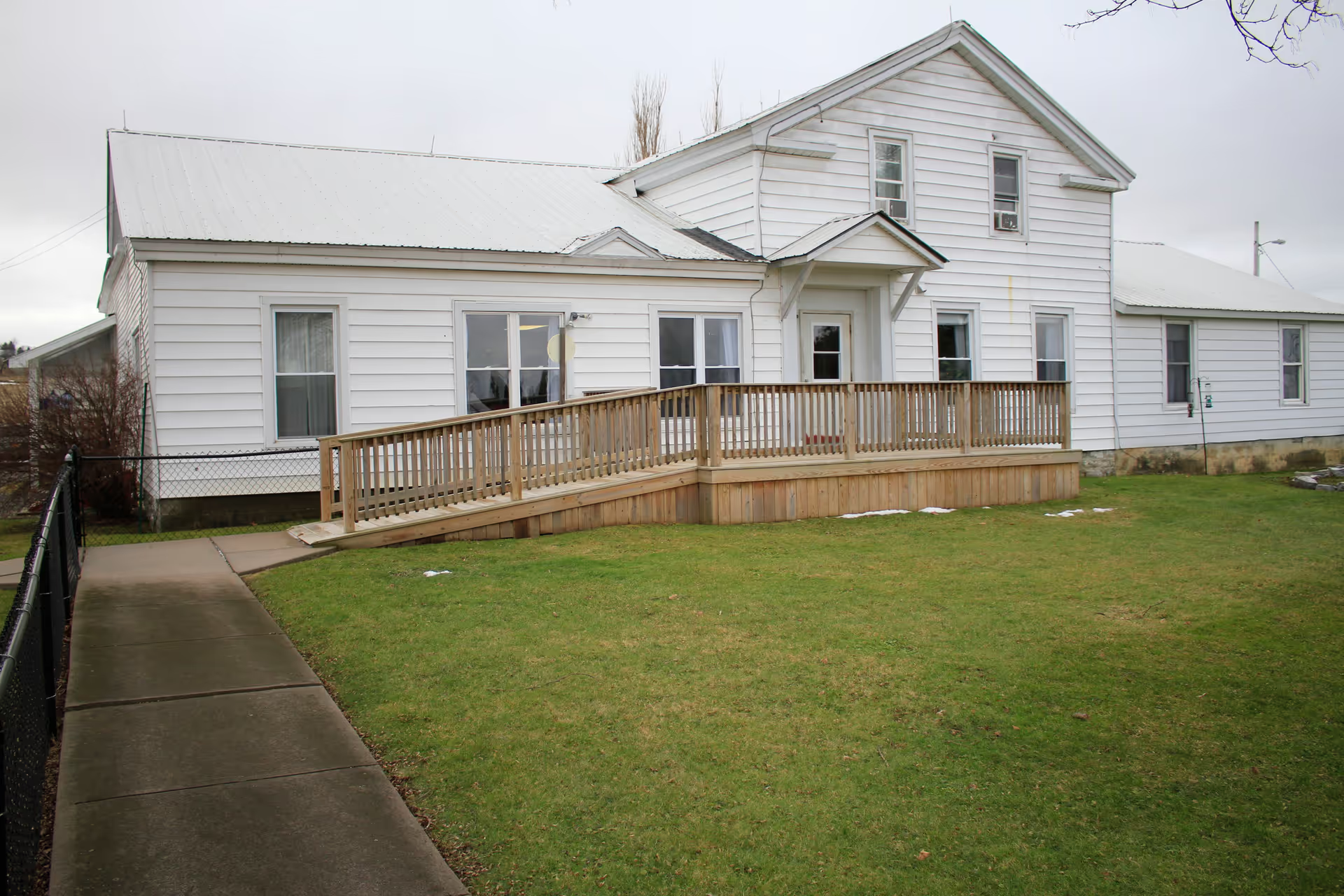
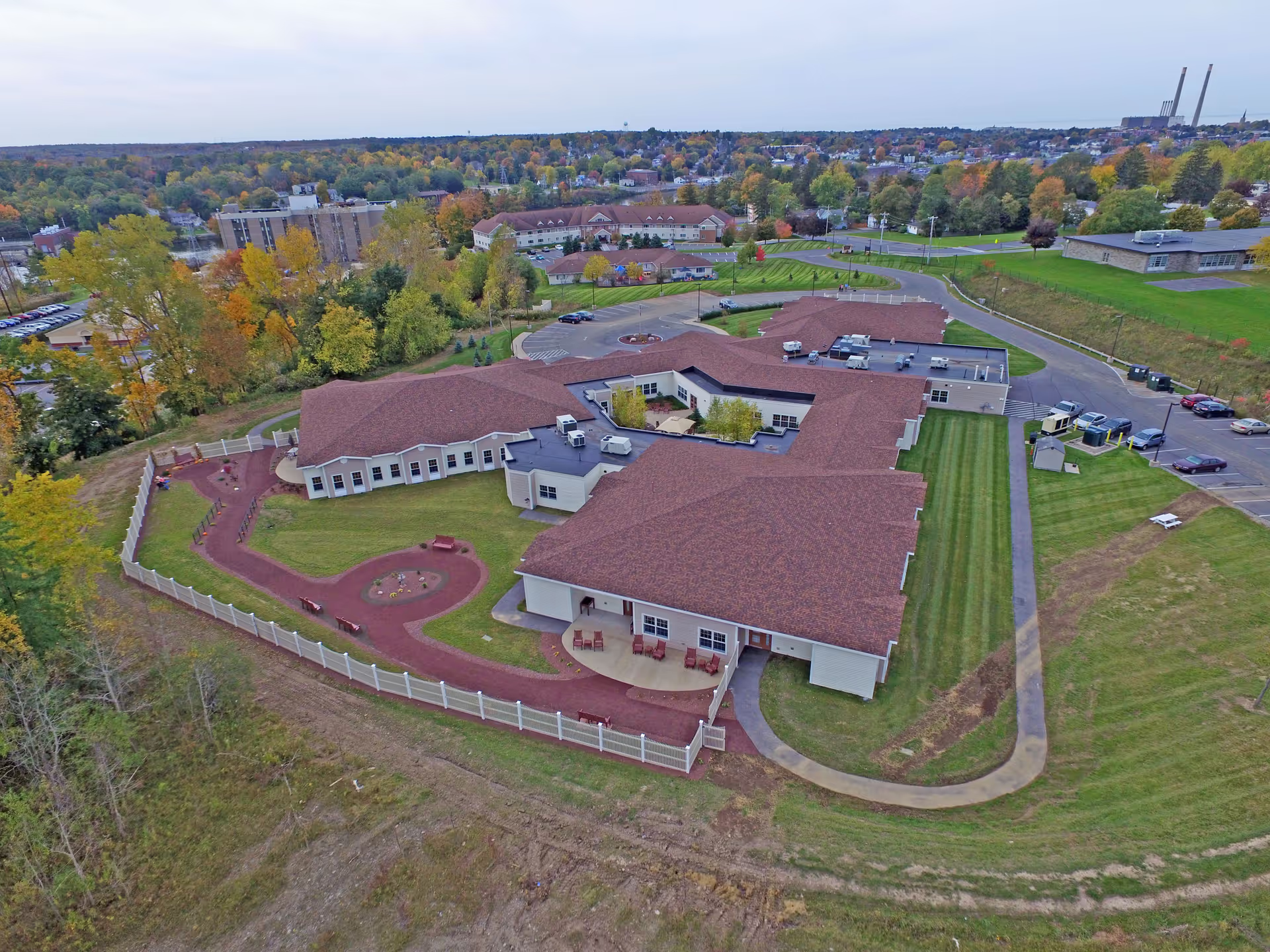
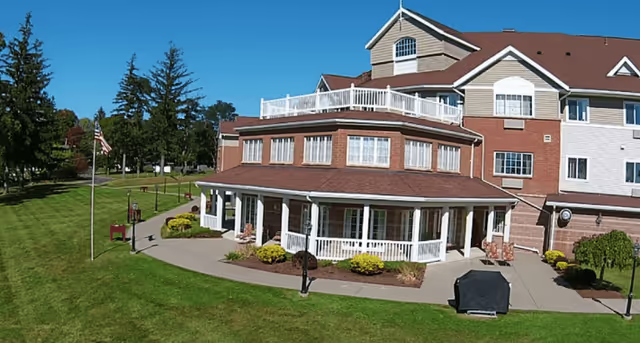
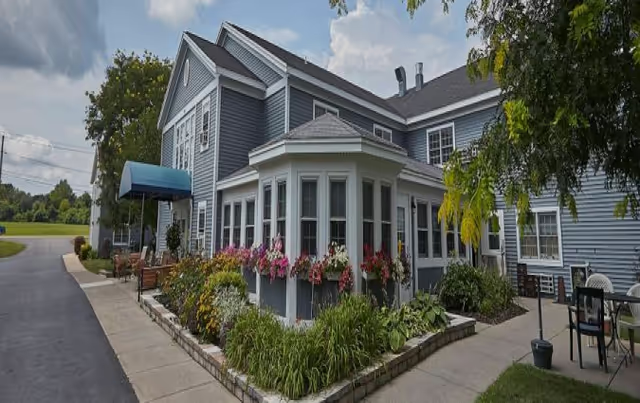
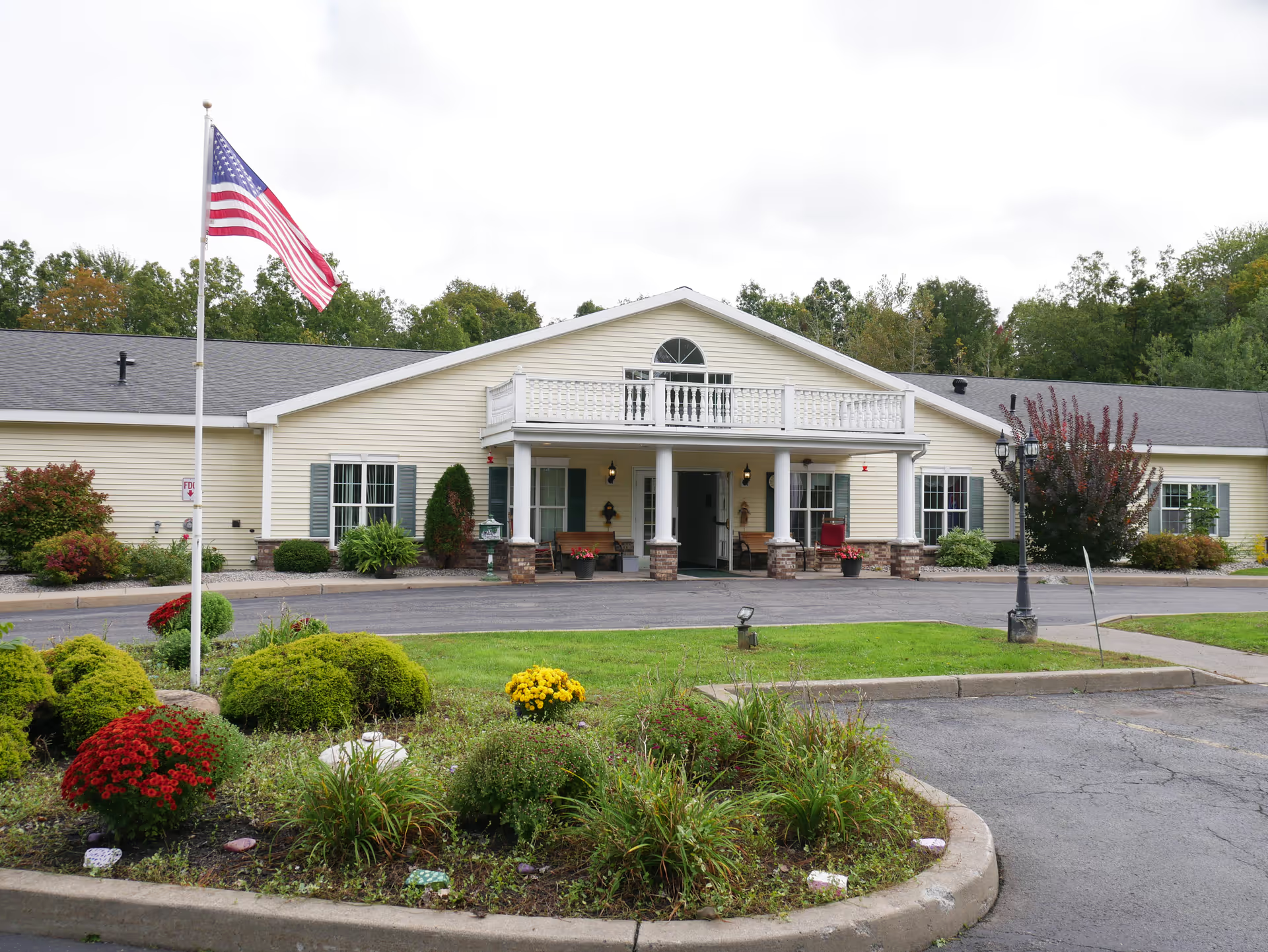
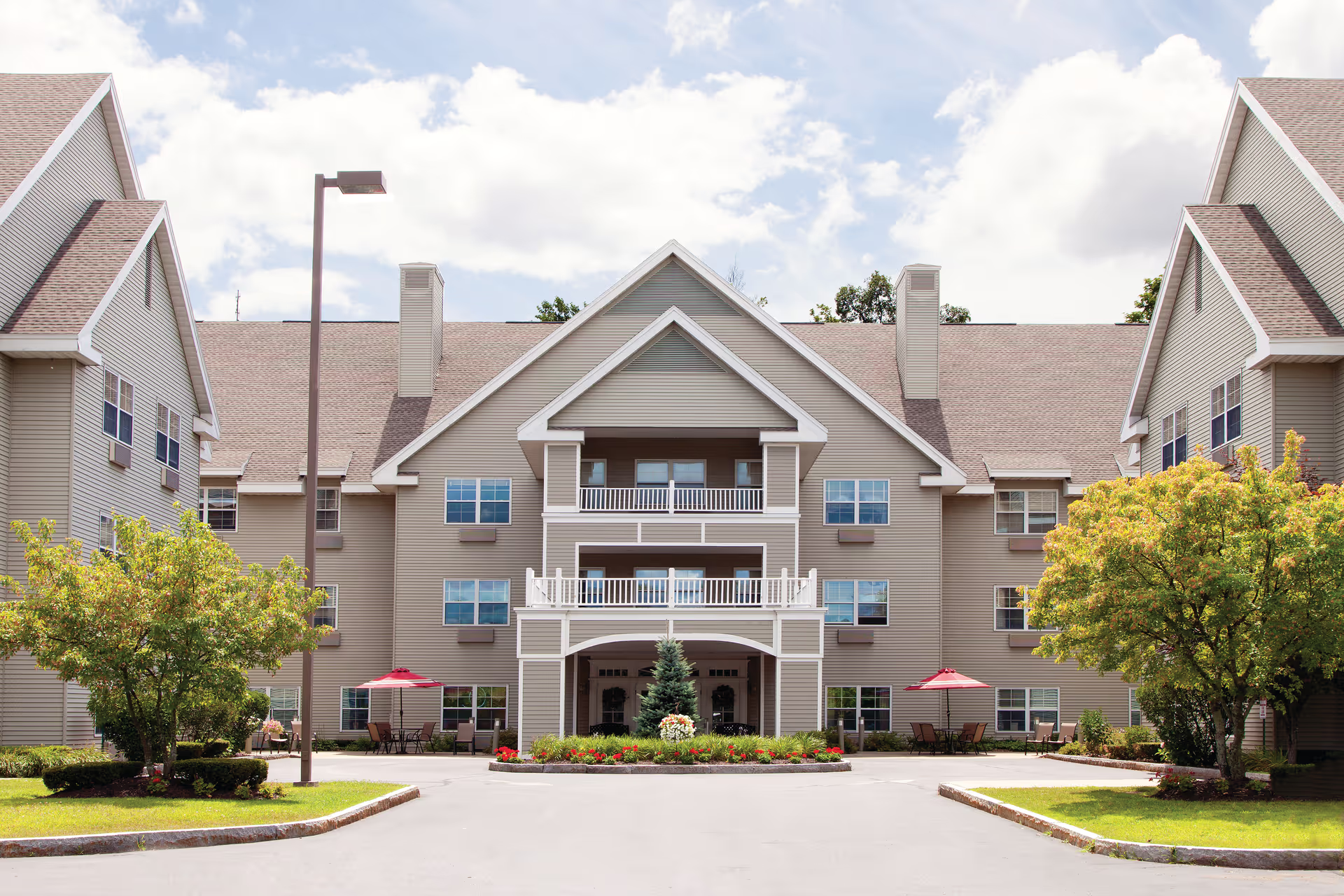
Facilities and maintenance: The building is described by some as dated and in need of repair. Specific facility-level issues include broken fixtures, damp rooms, odor concerns, and pest-control worries, along with limited seating in common areas. Conversely, maintenance staff receive occasional positive notes for responsiveness to repair requests.
Management and administration: Communication and coordination are frequent sources of dissatisfaction. Families report unreturned calls, delayed or unclear discharge planning, and difficulty obtaining timely updates. There are also serious, specific allegations in the reviews concerning financial handling and manipulation of online ratings; these items raise trust and transparency questions and may warrant direct inquiry. A few reviewers note state regulatory involvement or suggest that stronger oversight may be needed.
Notable patterns and guidance for families: The most consistent positive signal is the facility’s rehabilitative therapy teams and the dedication of certain frontline staff. The most consistent concerns relate to staffing levels, timeliness of personal care and medications, maintenance and sanitation issues, and administrative responsiveness. Prospective families should schedule an in-person tour, ask for current staffing ratios, medication administration protocols, recent inspection or complaint history, therapy outcome metrics, and examples of how the facility handles incident reporting and family communication. Observing mealtime, checking a typical staffing assignment, and speaking directly with the therapy and nursing leadership can help assess whether the facility’s operational practices meet the resident’s needs.