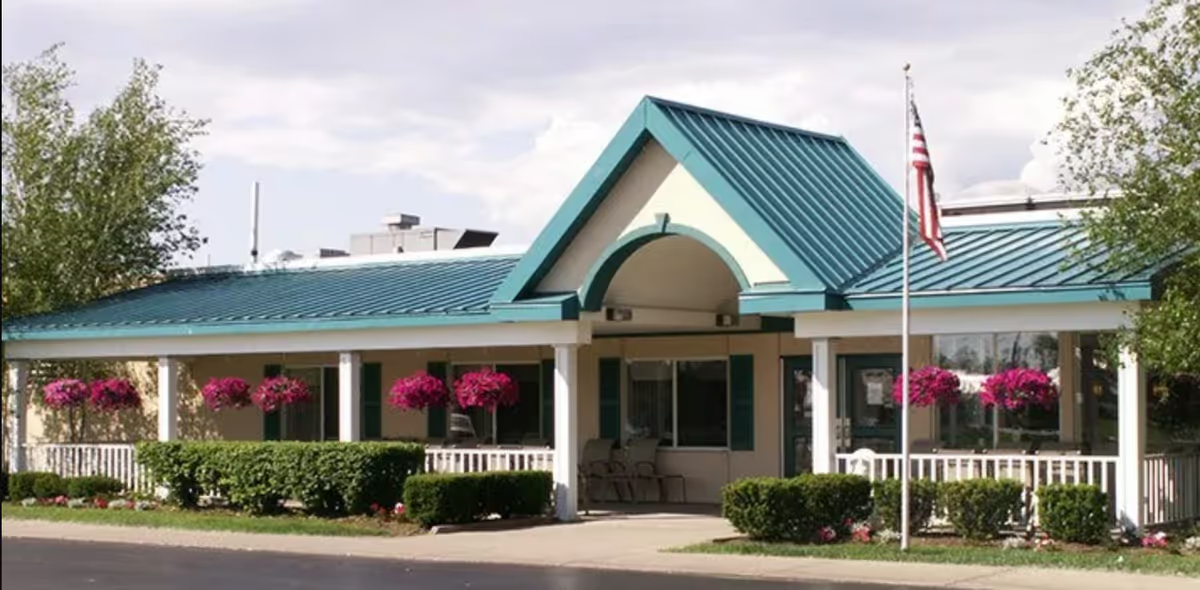
Overall impression: Brothers of Mercy presents as a large, multi-campus senior care provider with several clear strengths alongside notable areas of variability. Many families and residents praise the staff’s warmth and personal connection with residents, a strong therapy program, a well-regarded dining operation, and a broad set of campus amenities including chapel services, activity spaces, and outdoor areas. At the same time, reviewer accounts indicate inconsistent performance on operational fundamentals such as cleanliness, staffing reliability, and family communication.
Care and staffing: A dominant positive theme is the presence of caring nursing staff and CNAs who know residents by name and provide individualized attention. The rehabilitation teams (PT/OT) and therapy gyms receive high marks for effectiveness, one-on-one sessions, and recovery support in many accounts. However, chronic staffing shortages recur as a pattern: reviewers described slow call-light responses, delays in assistance with toileting and transfers, and periods when aides appear overstretched. There are also repeated mentions of inconsistent bedside manner and occasional lapses in professional communication, which families felt affected the quality of day-to-day caregiving.
Dining and activities: Dining is frequently cited as a strength — varied menus, restaurant-style meals, and in some comments an award-winning chef. Activity programming is broad and includes bingo, cards, movies, men’s clubs, musical visits, and faith services; volunteers and community visitors are an appreciated supplement. That said, engagement can be uneven: several accounts describe limited social activity participation for some residents outside of scheduled therapies, and a handful of families wanted more consistent outreach from the activities team for less-mobile residents.
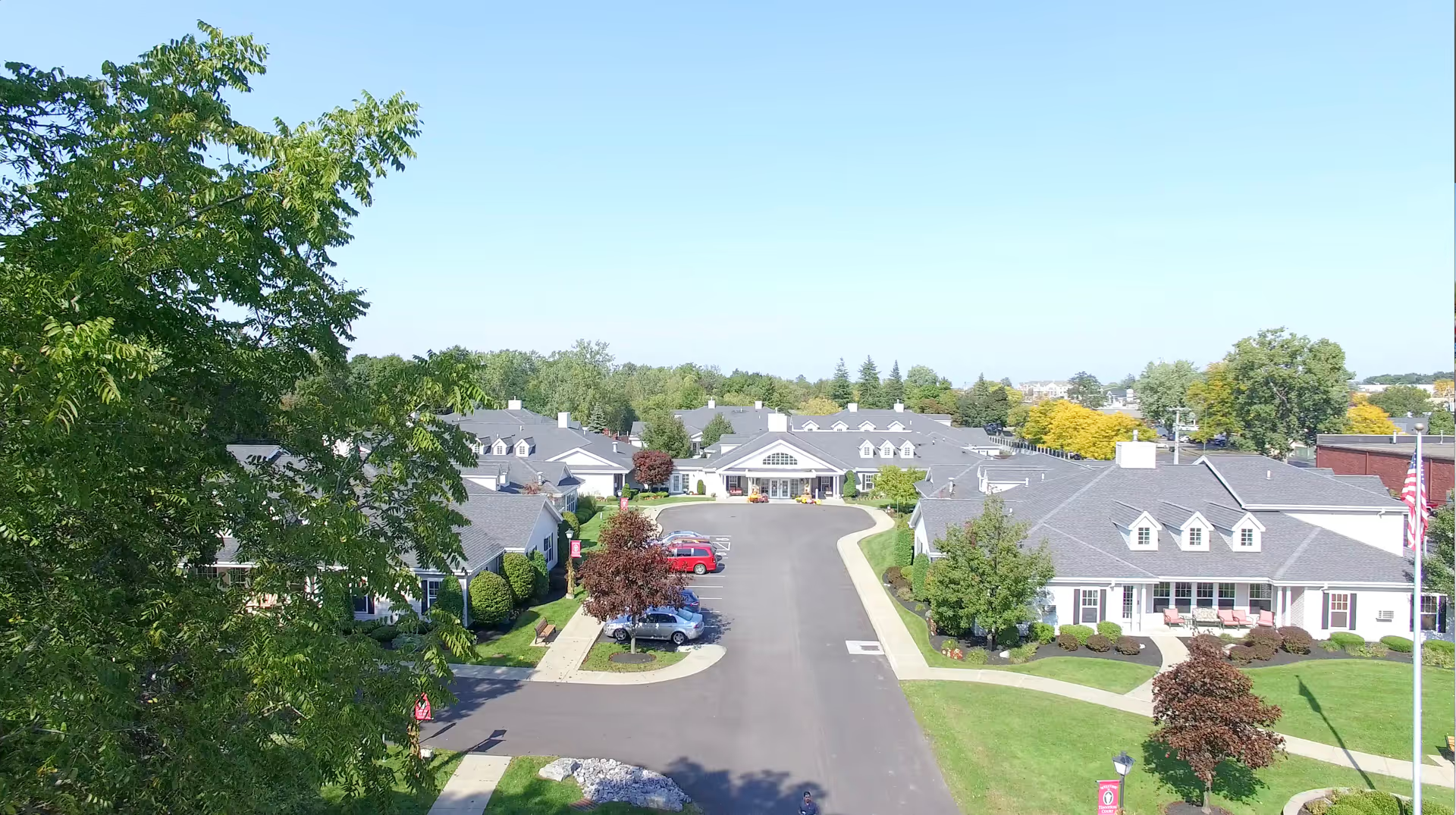
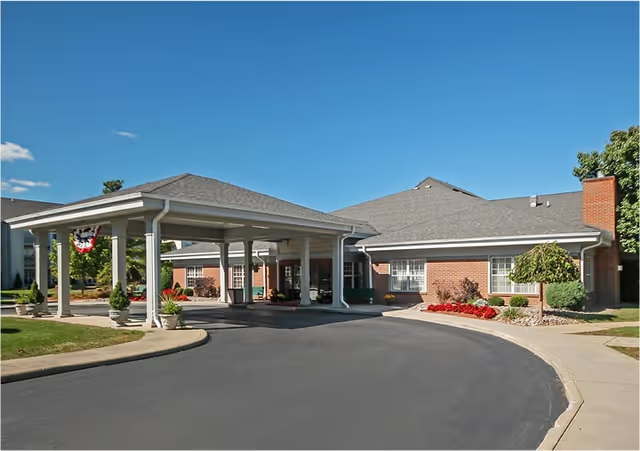
Facilities and amenities: The campus offers many desirable amenities — chapel, salon, theater/pub-style spaces, patios, bocce, and well-equipped therapy gyms. Many reviewers found the grounds and common areas well maintained. Conversely, the physical plant is described as older in places, with some areas needing modernization. Room sizes vary widely: some families reported spacious, furnished rooms, while others encountered small shared rooms and limited private-room availability. Sanitation and odor control emerged as a recurrent operational concern in certain units or time periods and warrants direct inquiry during visits.
Management and patterns: Administrative responsiveness draws mixed feedback. Some reviewers praised administrators, social workers, and front-desk personnel for empathy and follow-through; others described gaps in family communication, phone responsiveness, and perceived blame-shifting when problems occurred. Medication management and clinical documentation were strong in many reports but were identified as an area of concern in a few serious accounts; those cases raise questions families should explore directly. A small number of strongly negative narratives referenced events including significant clinical problems and a resident death; these represent serious individual allegations and should prompt families to request records, incident reports, and regulatory history before placement.
Bottom line: Brothers of Mercy offers clear strengths — compassionate staff, robust rehabilitation services, varied dining, and campus amenities — that make it a reasonable option for many residents needing skilled nursing, rehab, or senior housing. However, variability in staffing levels, cleanliness standards, family communication, and some aspects of clinical oversight suggest families should perform targeted due diligence: tour the specific unit, observe staff–resident interactions, review staffing ratios and incident logs, confirm room type and sanitation practices, and discuss medication and mobility protocols before deciding.