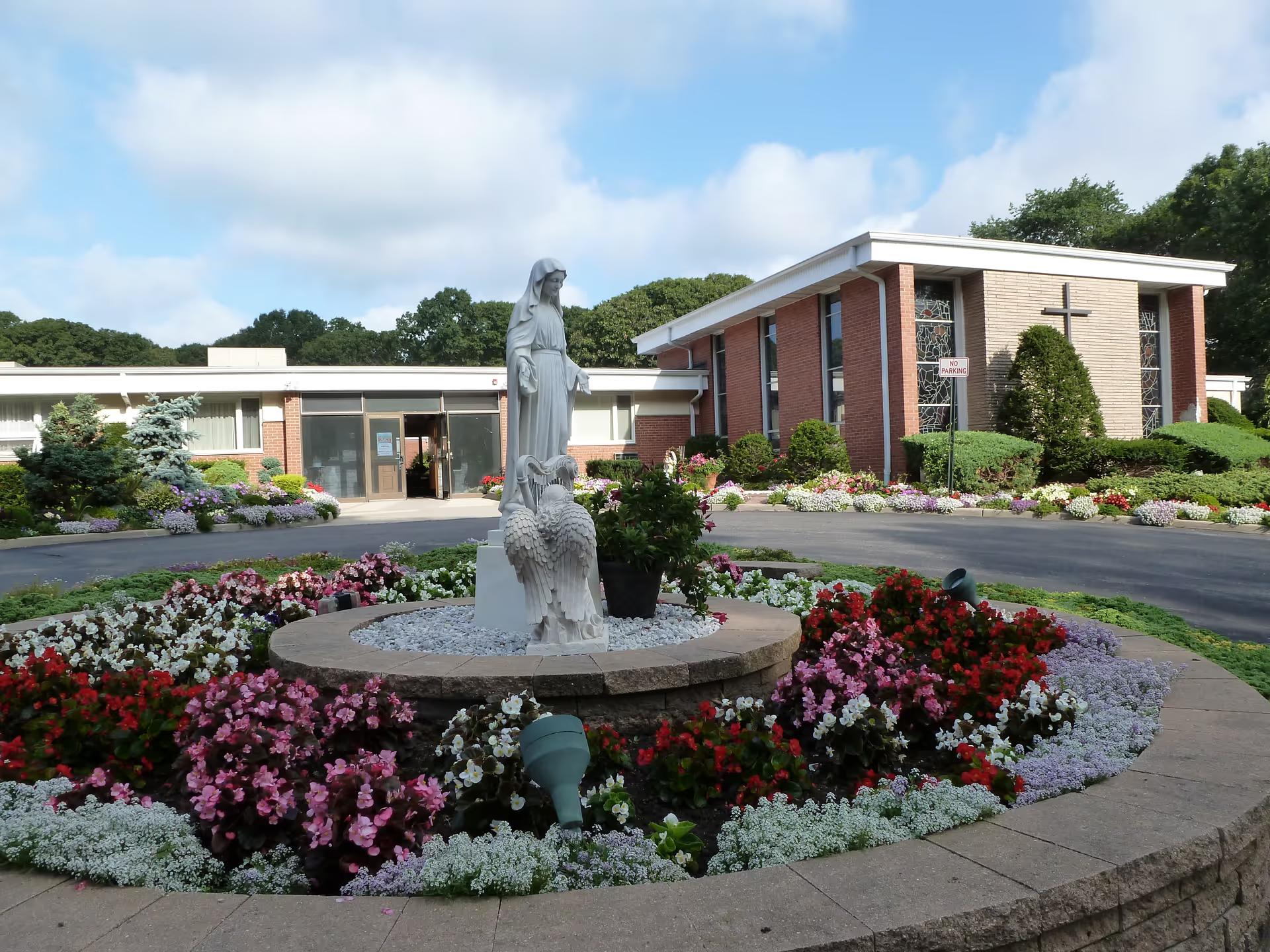
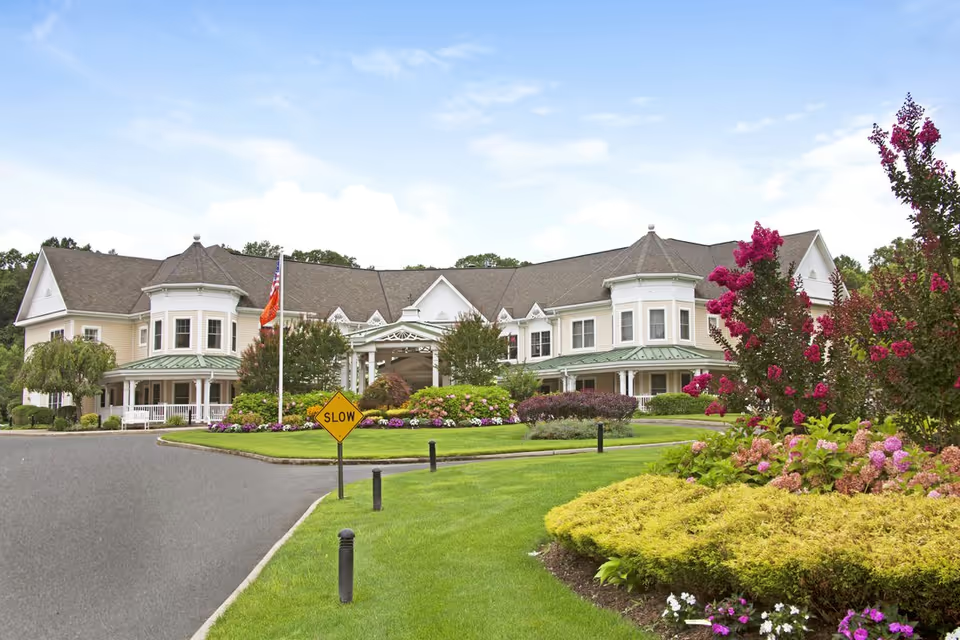
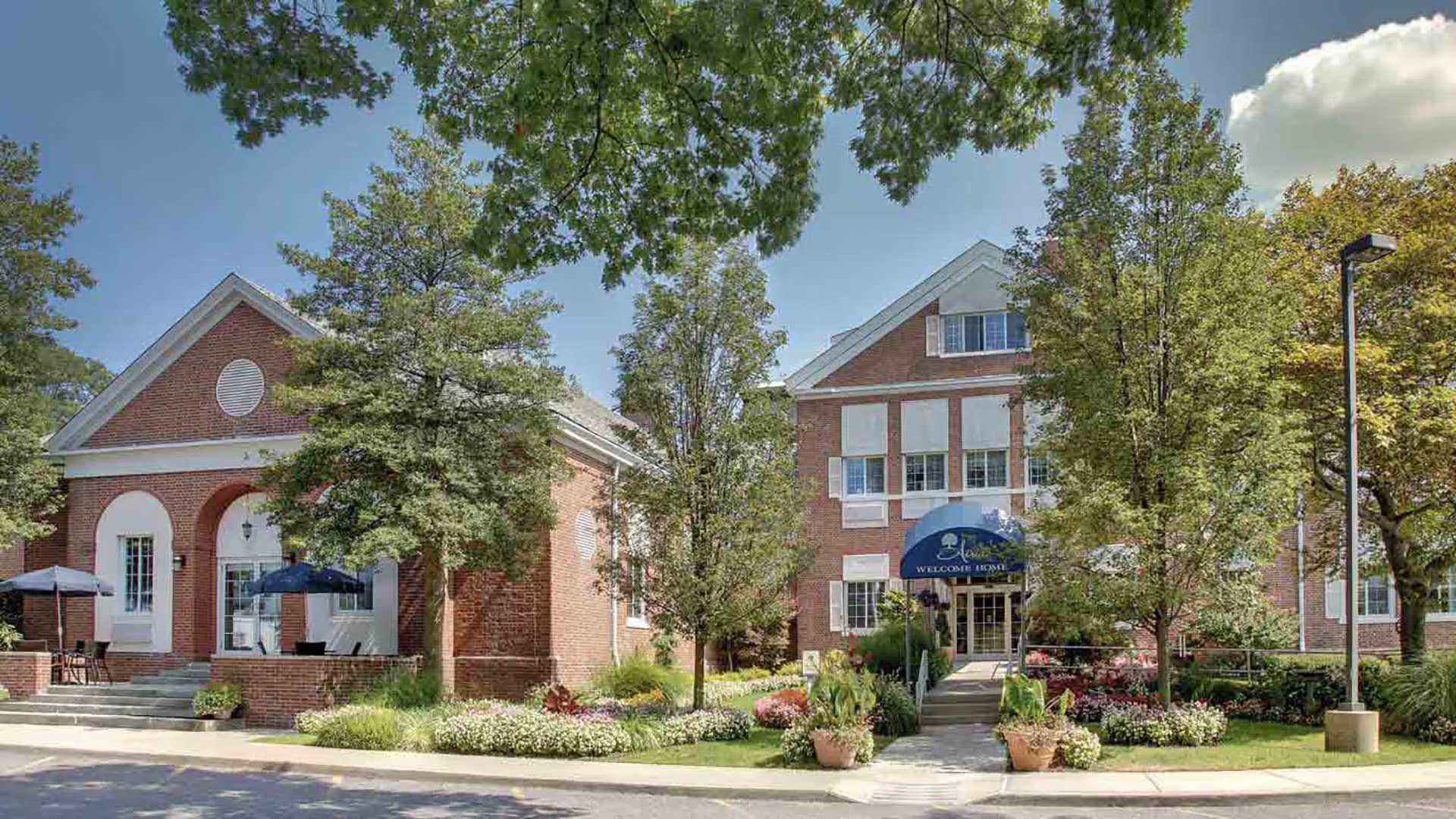
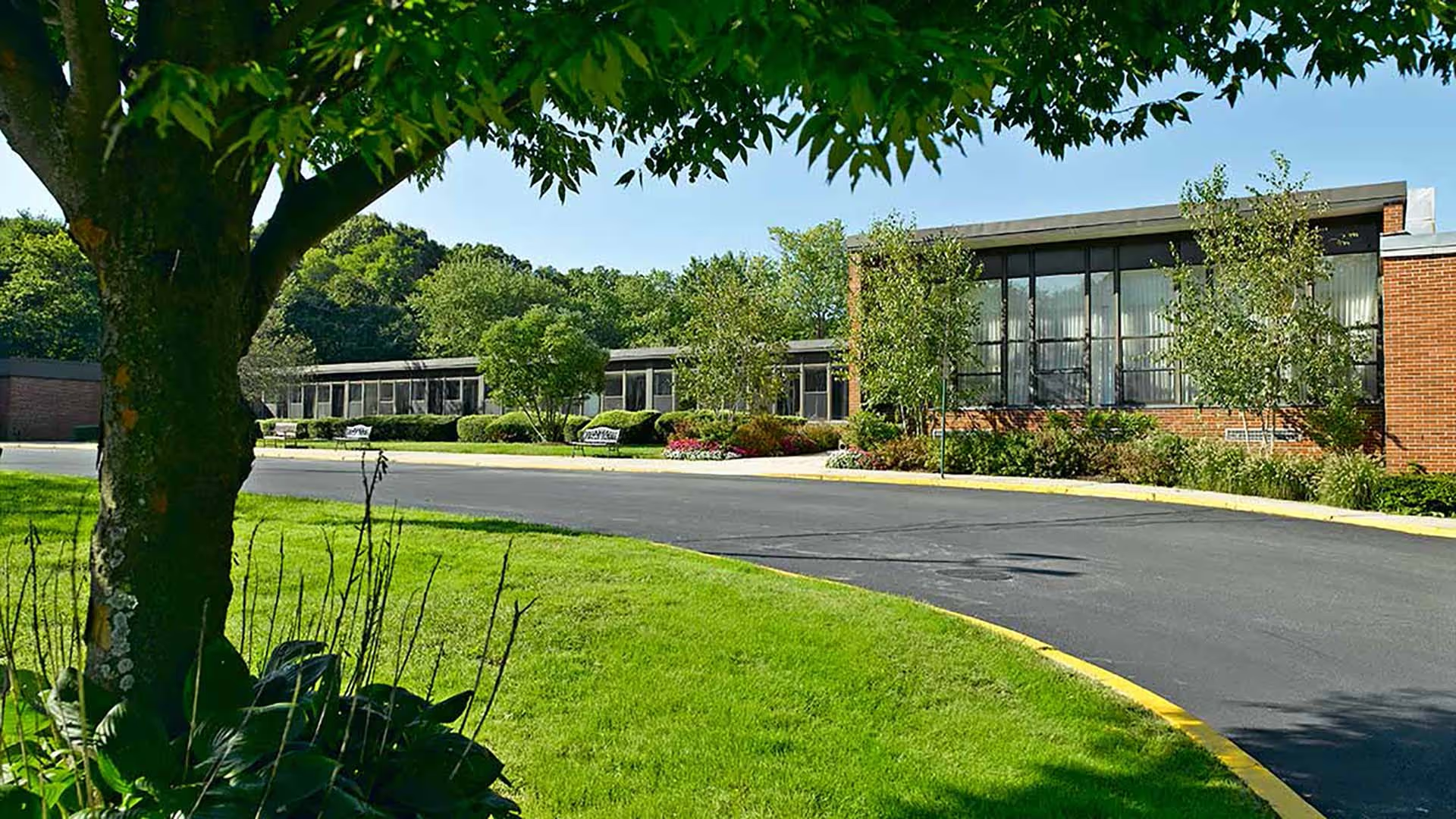
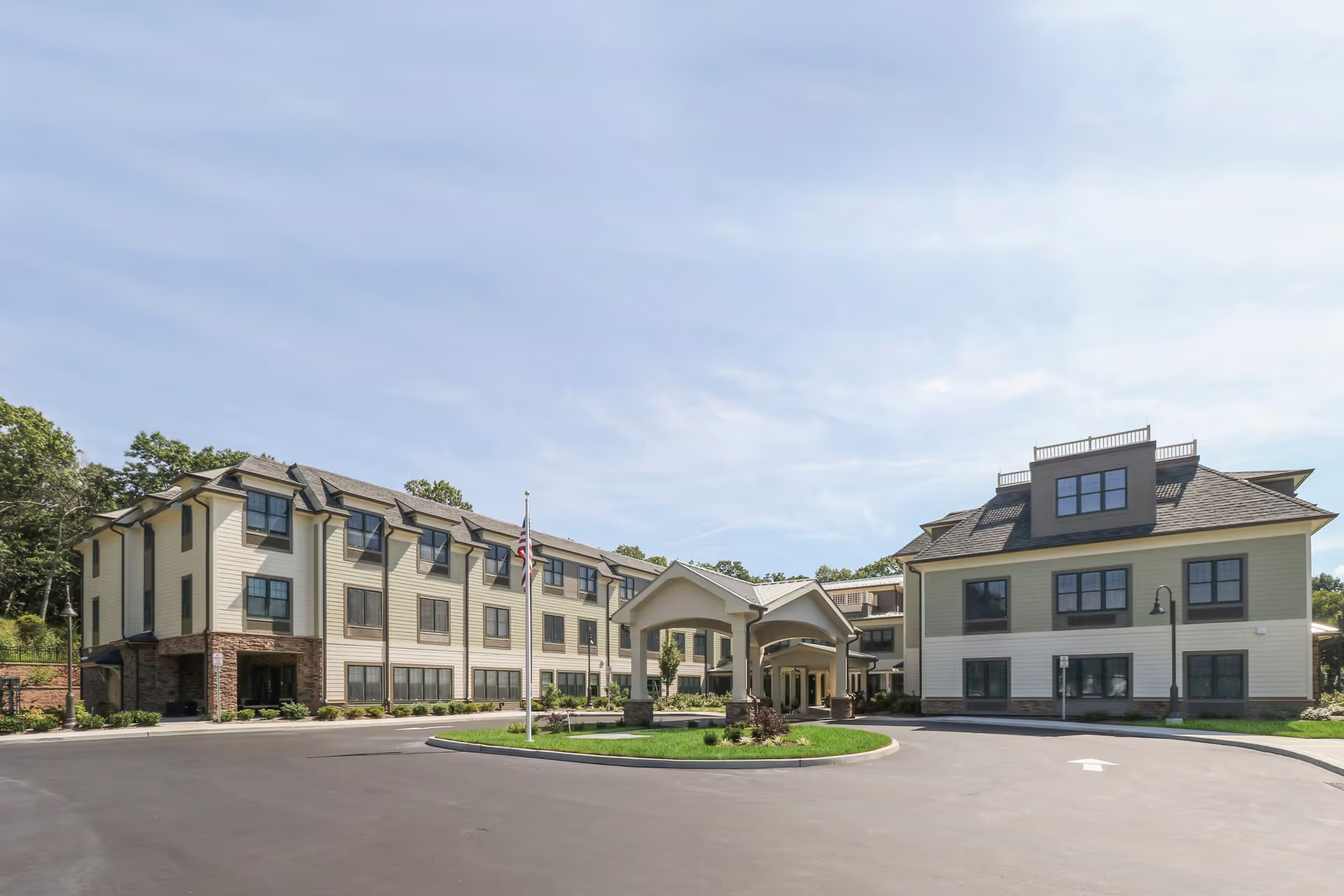
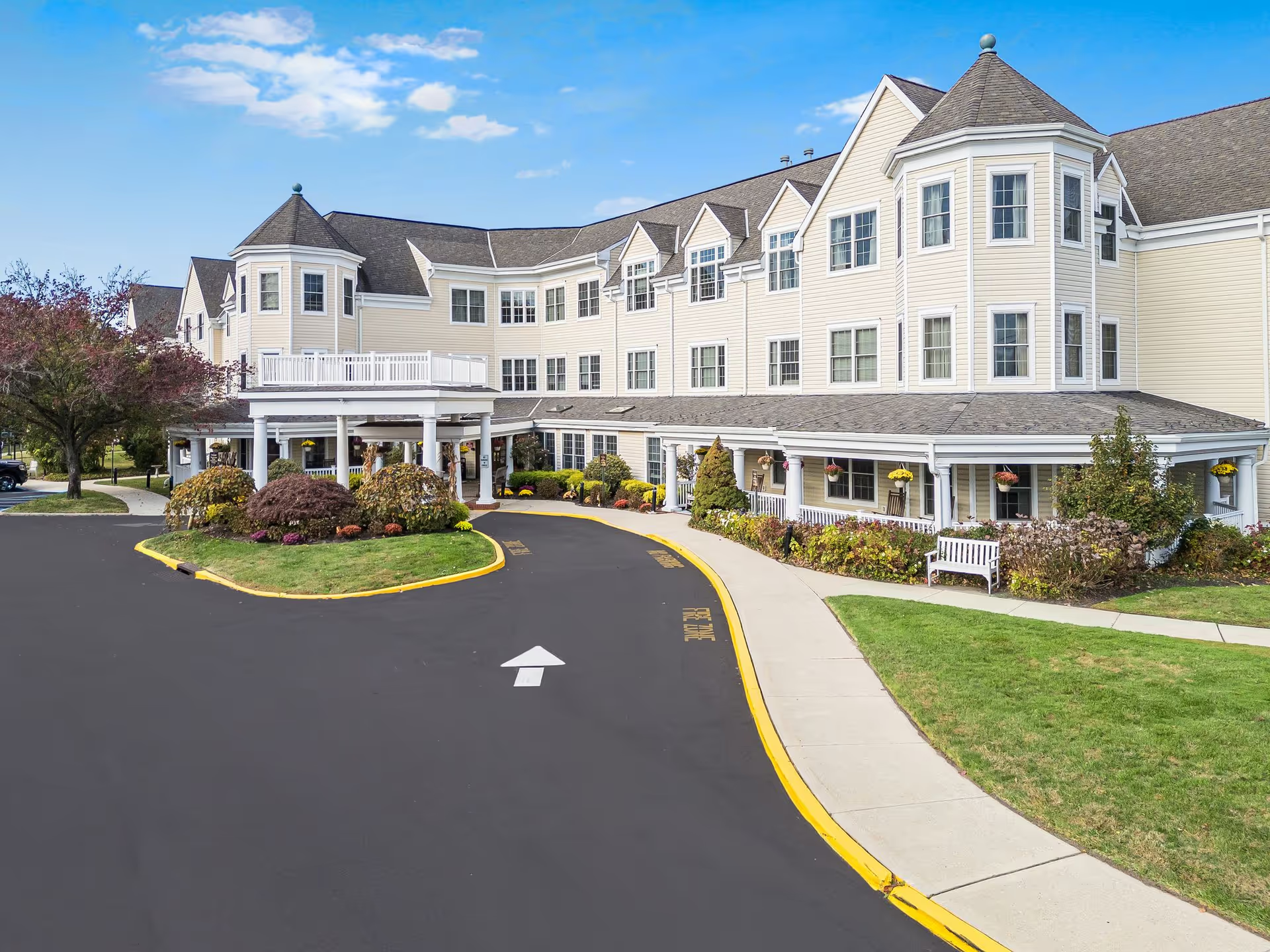
Gurwin Jewish - Fay J. Lindner Residences elicits strongly mixed but consistent themes across reviewers. A substantial number of families and residents praise the frontline staff — aides, nurses, recreation therapists and reception teams — describing them as warm, attentive and personally engaged. Reviewers highlight active recreation programming, organized religious services on site, transportation options, kosher dining choices, and the availability of dialysis and private apartments with kitchenettes. Admissions and marketing personnel are frequently singled out as helpful and transparent, and many positive accounts emphasize well‑maintained grounds, bright apartments, and the convenience of an adjacent nursing facility for those who may need increased clinical support later.
At the same time, there are recurrent operational concerns that prospective families should evaluate. Medication-management inconsistencies (timing errors, late evening distribution, and billing questions) appear as a recurring theme, and several accounts describe variability in staff conduct and responsiveness — ranging from highly compassionate caregivers to staff perceived as rude or unapproachable. Cleanliness and sanitation inconsistencies are noted in some common areas and units, accompanied by occasional odor concerns and comments about housekeeping lapses. Infection-control practices and masking enforcement are described as uneven across shifts by multiple reviewers.
Programmatic and structural issues also surface. Reviewers report that the facility’s large campus and busy, hotel-like lobby can feel crowded and impersonal for some residents; navigation and limited seating for mobility‑impaired visitors were cited. Activity programming is often praised for richness and variety, but other accounts describe boredom or reduced offerings during crisis periods, suggesting variability in consistency and staffing to sustain a full schedule. Dining receives mixed feedback: many residents appreciate varied menus and kosher options, while others note declines in meal quality or challenges when room service replaces dining‑room seating. Financial concerns include periodic rent increases and extra fees, and some families express dissatisfaction with how management handles complaints and requests for escalation.
There are also reports of more serious concerns, including delayed clinical responses in isolated cases and pending litigation or allegations that families have pursued outside the facility; these items underline the importance of direct inquiry and verification. Overall, experiences range from families who felt the community provided peace of mind and improved quality of life to families who experienced enough operational gaps to prompt relocation.
For prospective residents and families: visit in person, observe mealtime service, the cleanliness of different units, and activity sessions; ask for written protocols on medication administration, infection control, staffing ratios, dementia-specific programming, housekeeping schedules, fee structure, and the facility’s formal complaint-resolution process. These focused inquiries will help determine whether Gurwin’s strengths align with an individual’s clinical needs and cultural preferences and whether the facility’s operational weaknesses are being actively addressed.