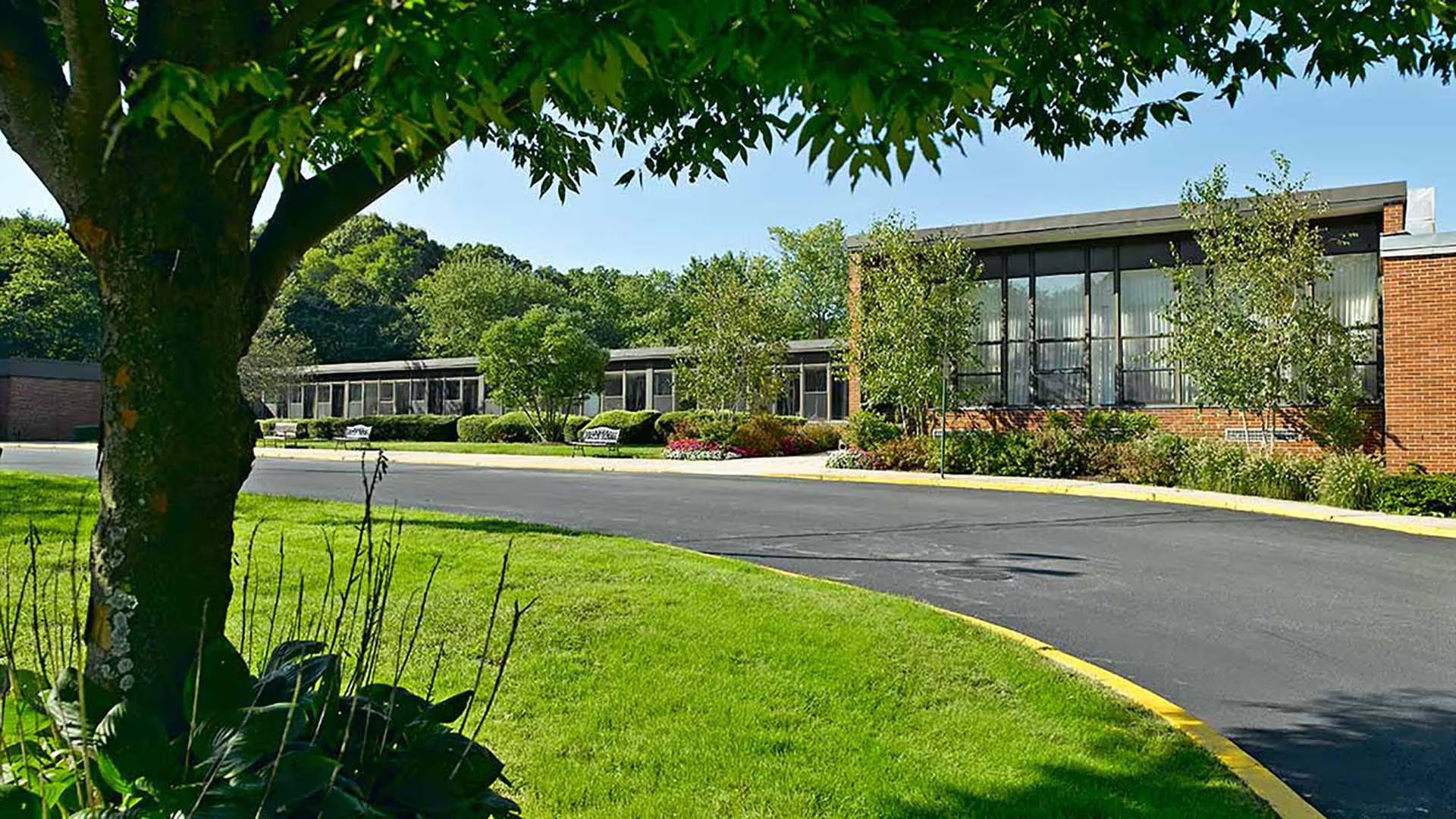
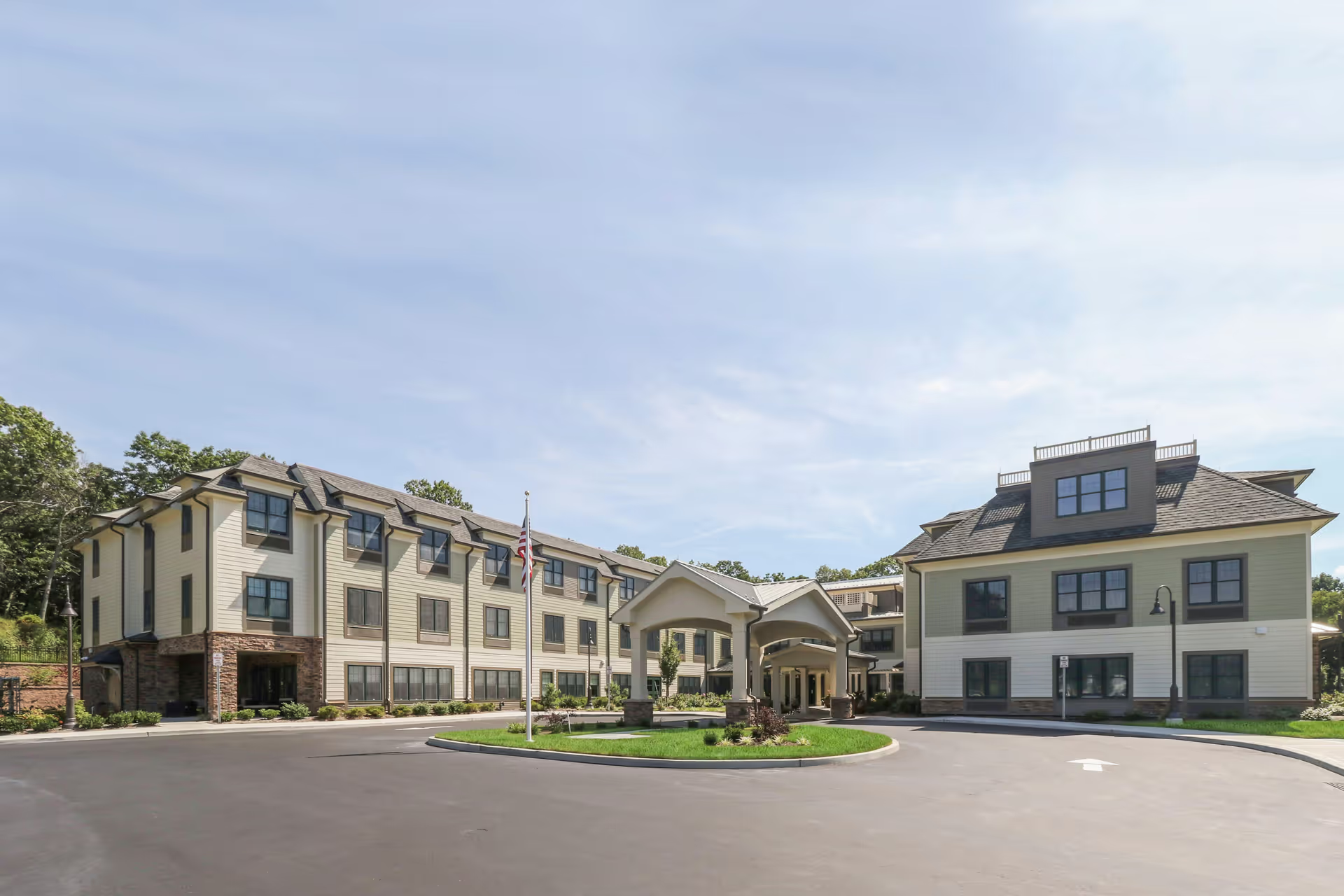
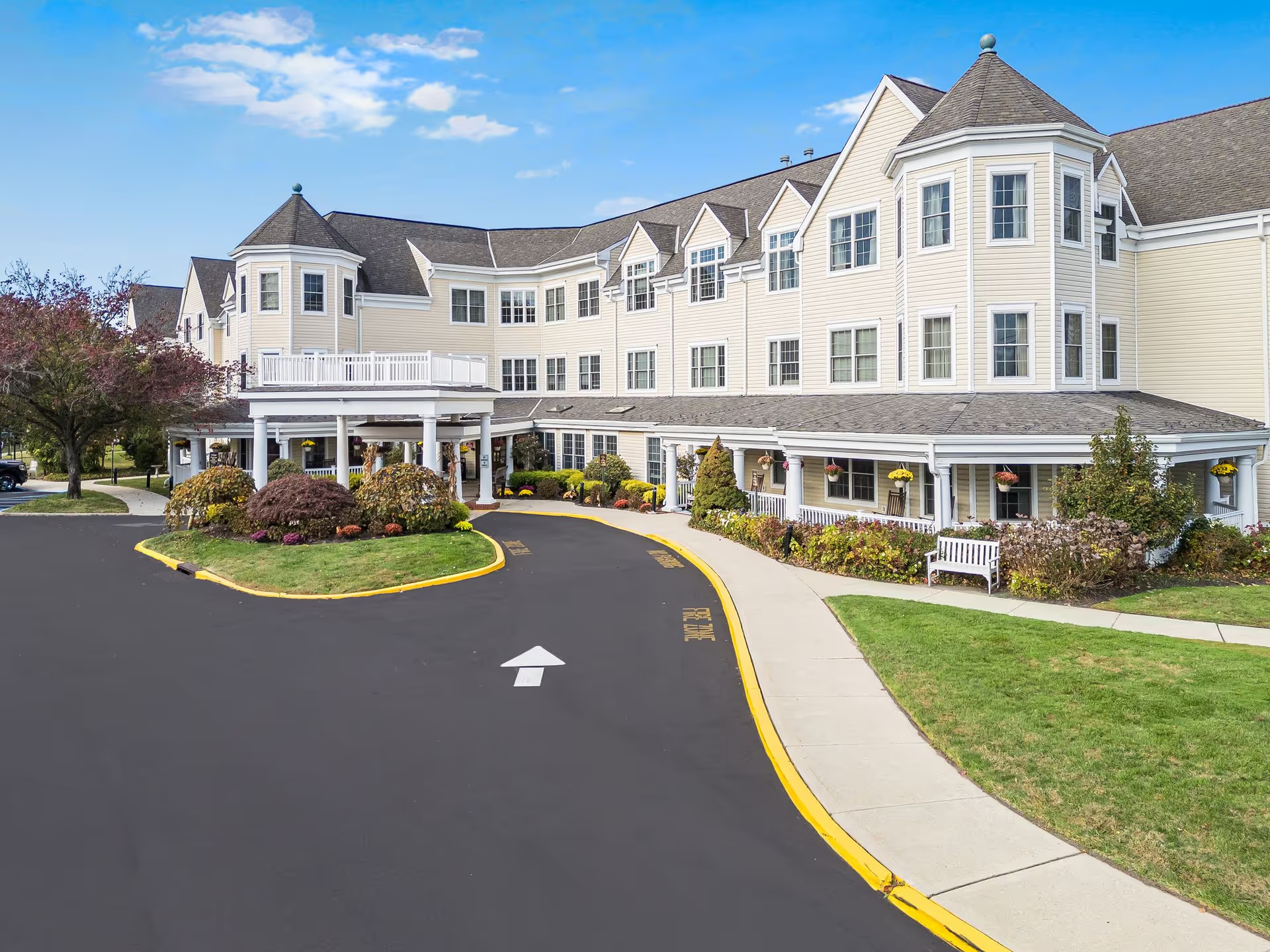
Many reviews describe a facility with strong rehabilitation capabilities and a well-maintained physical environment alongside notable operational inconsistencies. The rehabilitation programs — particularly physical and occupational therapy — are repeatedly praised for producing measurable mobility gains and for staff skill and motivation. Respiratory therapy and certain specialty services (on-site MD/NP/PA coverage, dialysis) also receive positive mention. Facilities and amenities such as an atrium, courtyard, aquarium/aviary and on-site food options are frequently cited as pleasant, and housekeeping/engineering response is often described as attentive.
At the same time, a recurring pattern concerns variability in day‑to‑day nursing and aide care. Staffing shortages are emphasized for nights, weekends and after-dinner periods, producing delayed responses to call buttons, long waits for toileting and assistance, and inconsistent supervision. Families note a wide range of individual caregiver performance — from highly compassionate, competent staff to aides and nurses perceived as indifferent or inattentive. Reviewers also describe coordination gaps between therapy and nursing teams that can affect transfers, lift use, and post‑therapy assistance.
Dining and nutrition experience is mixed. The facility provides kosher options and accommodations such as brown‑bag meals, and some reviewers praise meal variety and quality. Other accounts describe missed or delayed meals, inconsistent meal temperatures and downgraded texture modifications for safety. Nutrition and hydration management are expressed as an area of concern in several accounts, alongside food‑service reliability issues.
Safety, clinical follow‑up and infection‑control are additional themes. Several reviewers raised concerns about transfer safety practices, inconsistent use of mechanical lifts and absence of timely safety devices (alarms/rails). There are multiple accounts of inconsistent medication administration and delayed clinical follow‑up, and some families reported problematic handling of infection‑control events (room moves, visitation restrictions, and communication about COVID placement). Sanitation and incontinence‑care issues are reported in particular units, indicating uneven housekeeping or clinical attention in those areas.
Management and administrative practices show wide variability in family experiences. Some families praise social workers, administration, and individualized communication, particularly during successful rehab or end‑of‑life periods. Others report difficulties with billing, financial‑aid interactions, aggressive collections, and poor transparency around incidents. There are also serious allegations of theft and financial‑exploitation that parents and families should consider when evaluating resident safety and property protocols.
What emerges is a facility with clear strengths in rehabilitative services, on-site specialties and certain aspects of hospitality, but with operational and consistency challenges that affect overnight coverage, aide/nursing reliability, meal-service continuity, memory‑care engagement and administrative transparency. Prospective residents and families seeking strong rehab outcomes may find Gurwin’s therapy teams highly effective; those prioritizing consistent round‑the‑clock nursing support, memory‑care engagement, or ironclad administrative and security processes should ask specific, targeted questions and seek unit‑level information during tours and intake conversations.