The feedback presents Cortlandt Healthcare as a rehabilitation-forward skilled nursing facility with many strong operational elements alongside several recurring operational weaknesses. The facility is frequently praised for its therapy services: physical and occupational therapy teams are described as skilled, proactive, and recovery-focused, and multiple accounts credit therapy staff with substantial functional gains. Rehabilitation areas, therapy rooms, and equipment coordination (walkers, adaptive devices) are commonly cited as strengths that facilitate timely discharge and mobility restoration.
Clinical care impressions are mixed. Many families and patients describe compassionate, attentive nurses and aides who provide comfort-focused care, wound management, and supportive end-of-life attention. Social workers and administrators are often characterized as responsive and helpful with discharge planning, transportation, and equipment arrangements. However, a clear pattern of inconsistent nursing continuity emerges: weekend staffing shortages, turnover or new staff unfamiliar to families, and delayed responses to call bells are recurrent concerns. Reviews also indicate medication-administration and documentation gaps, including chart inaccuracies and isolated but serious allegations of medication misadministration; these items point to a need for stronger medication-safety and record-keeping processes.
Dining and nutrition receive variable feedback. Some reviewers describe timely, friendly food service and visits from the dietitian; others note inconsistent meal quality, unusual menus, and frequent reliance on takeout-style offerings. Families expressed a desire for more nutritional consistency and clearer calorie/nutrient accommodation for restrictive diets or intolerances. Activity programming is a consistent strength: reviewers highlight a robust recreation schedule, inclusive group activities, and staff who engage residents in games, puzzles, and social options that support quality of life.
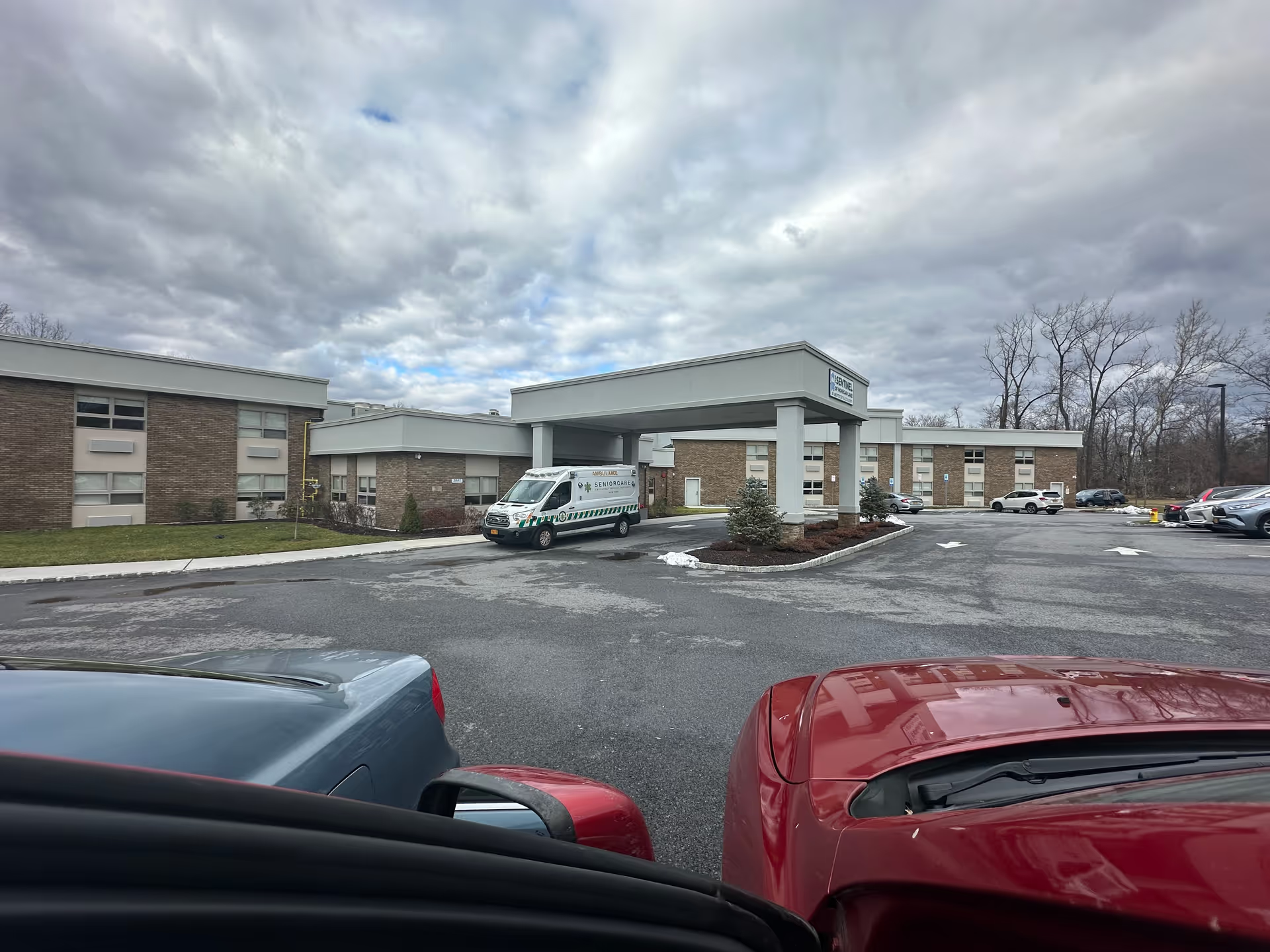
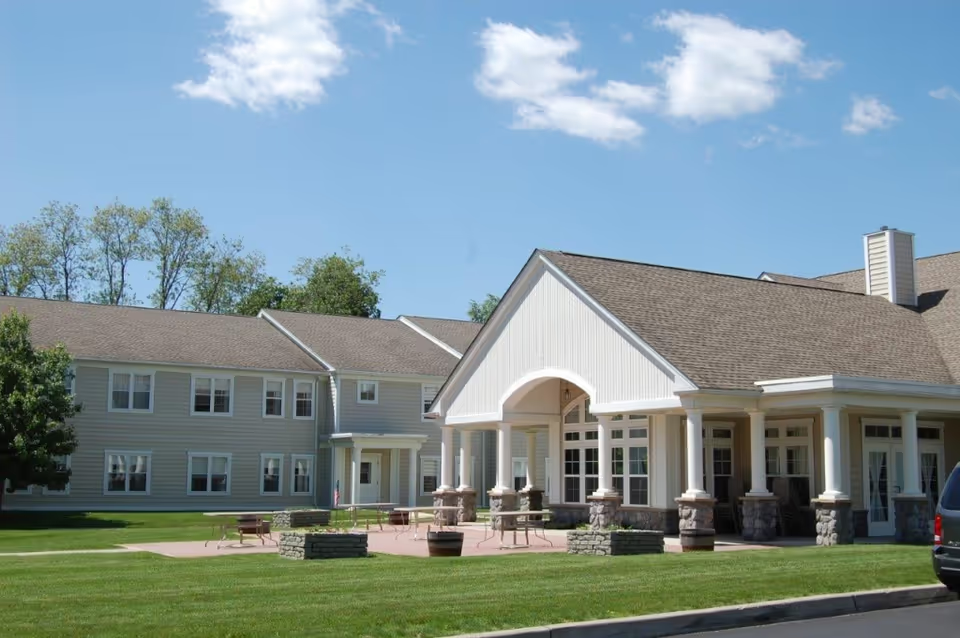
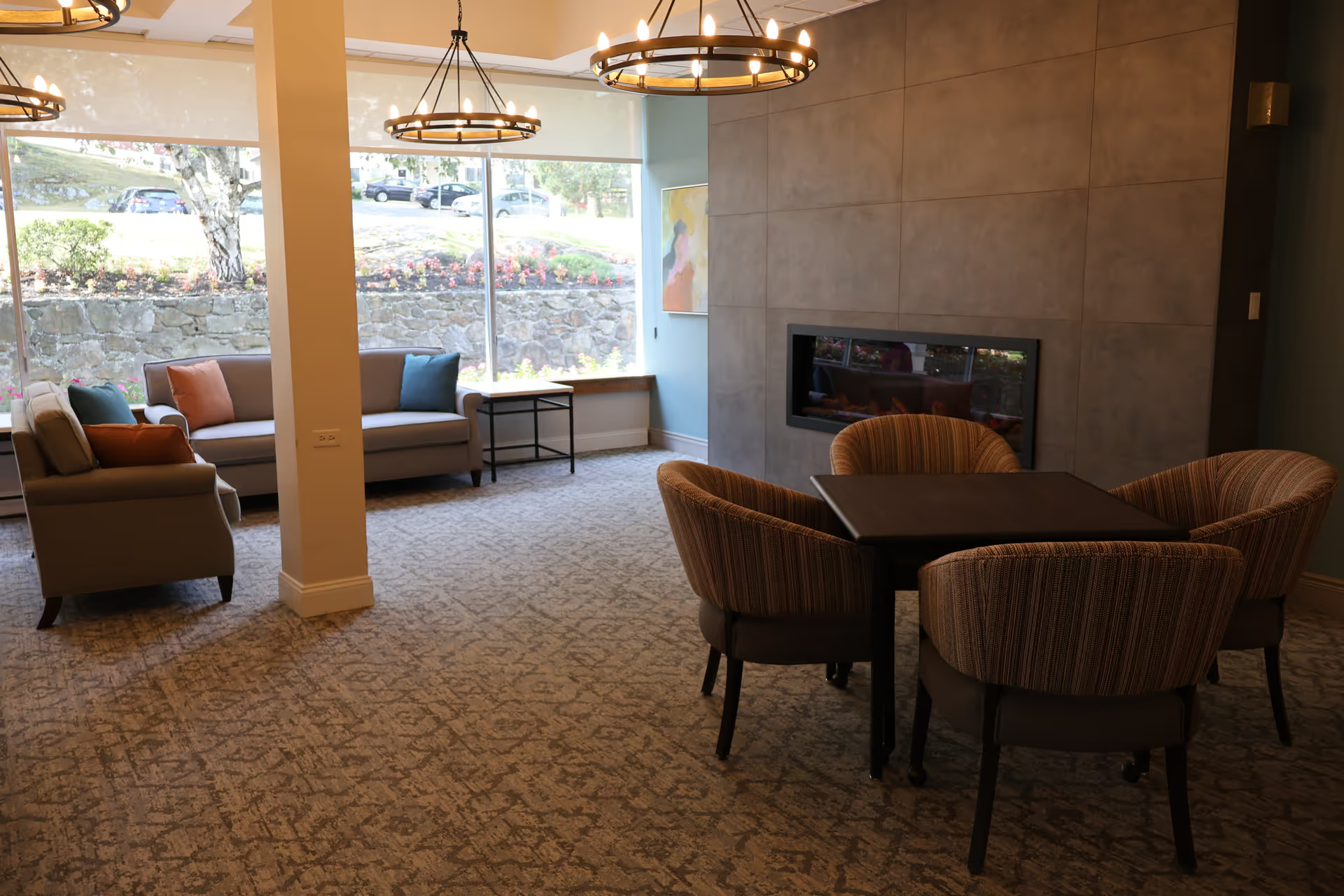
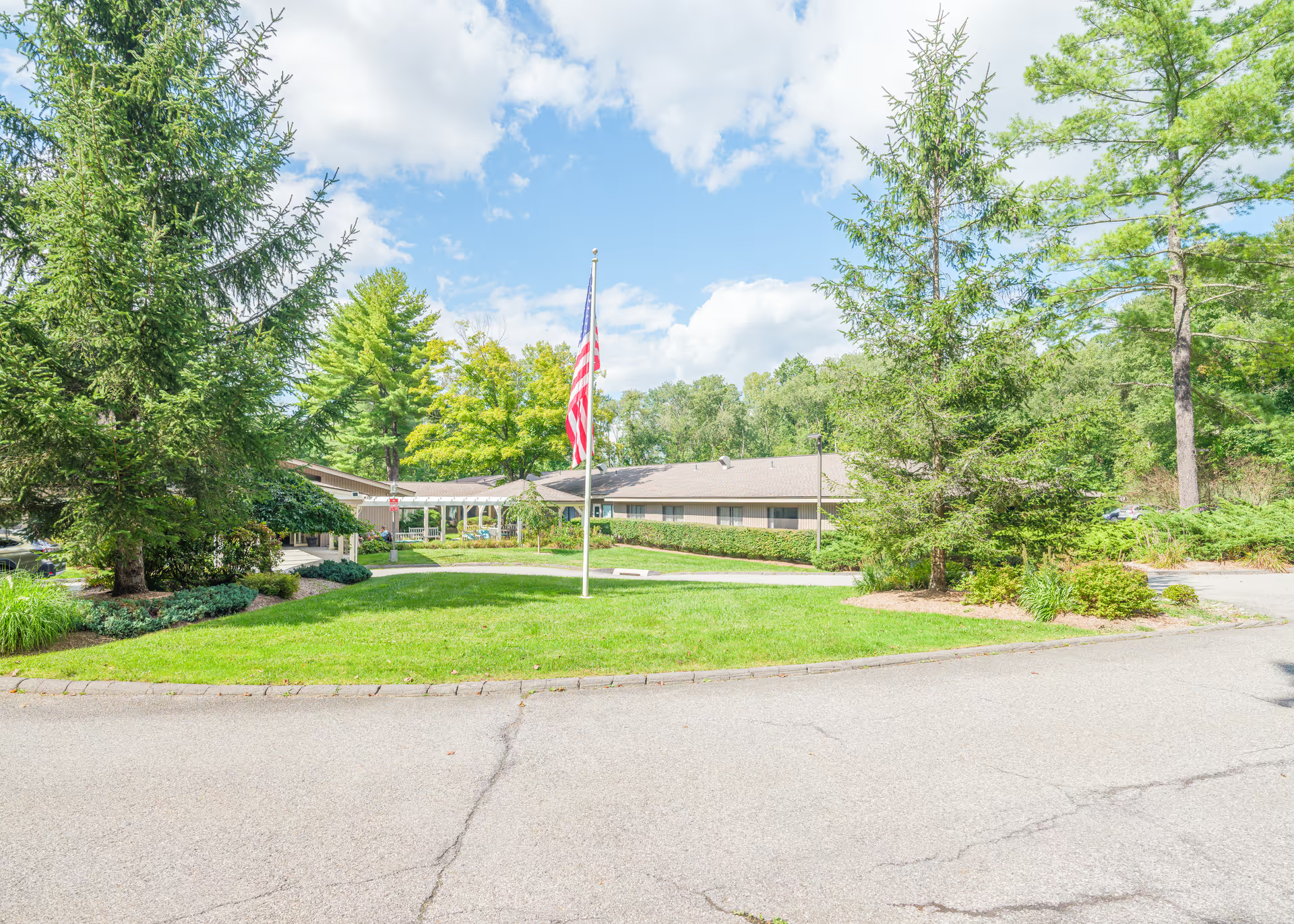
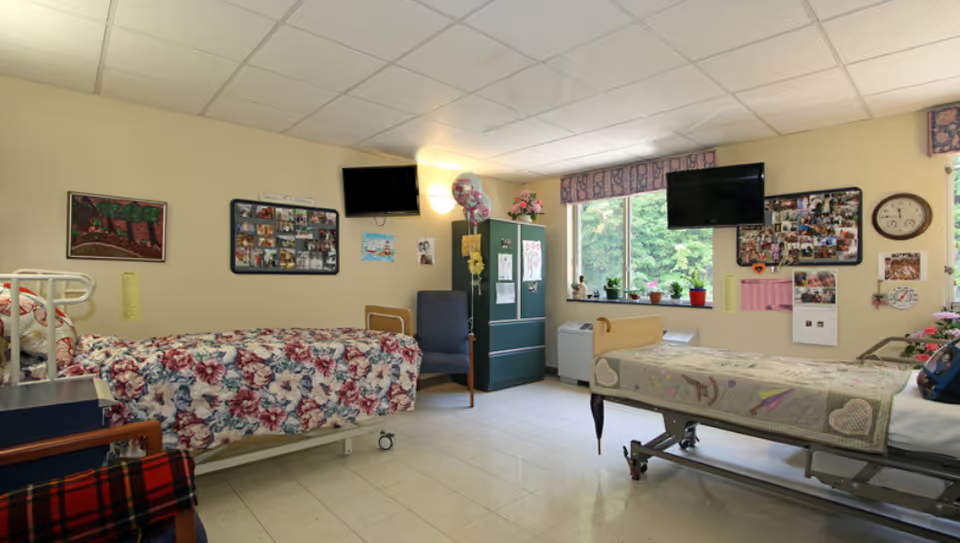
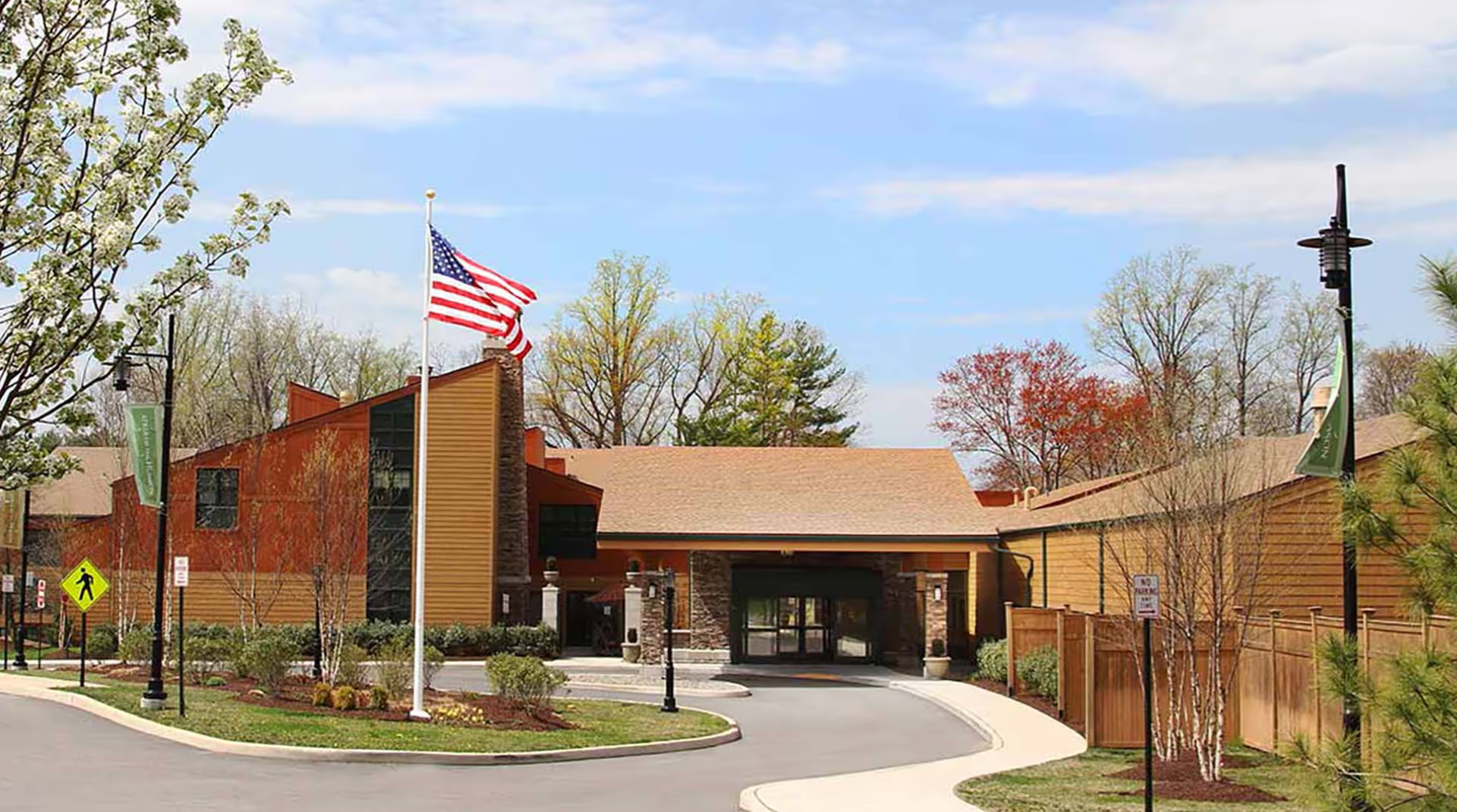
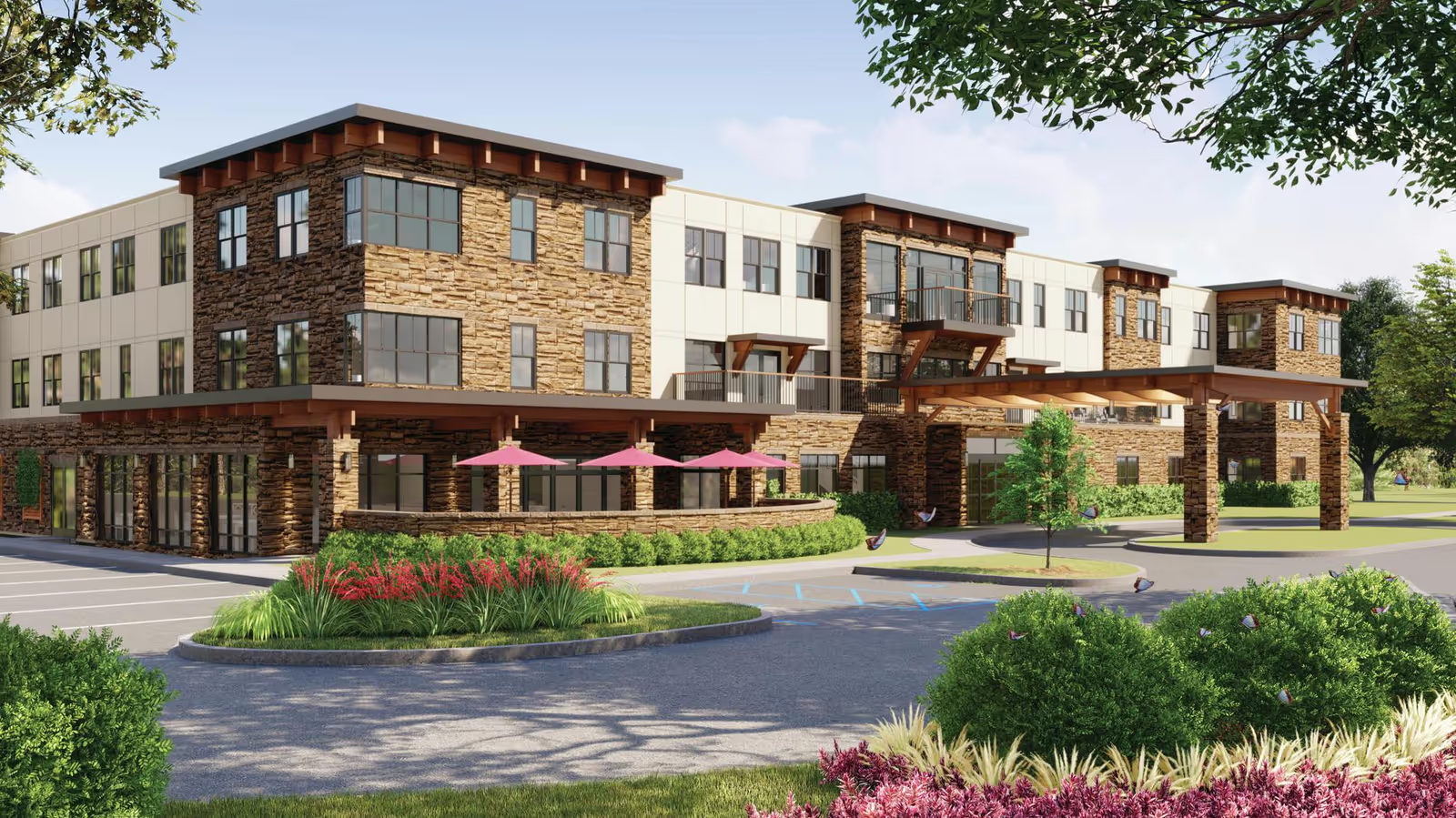
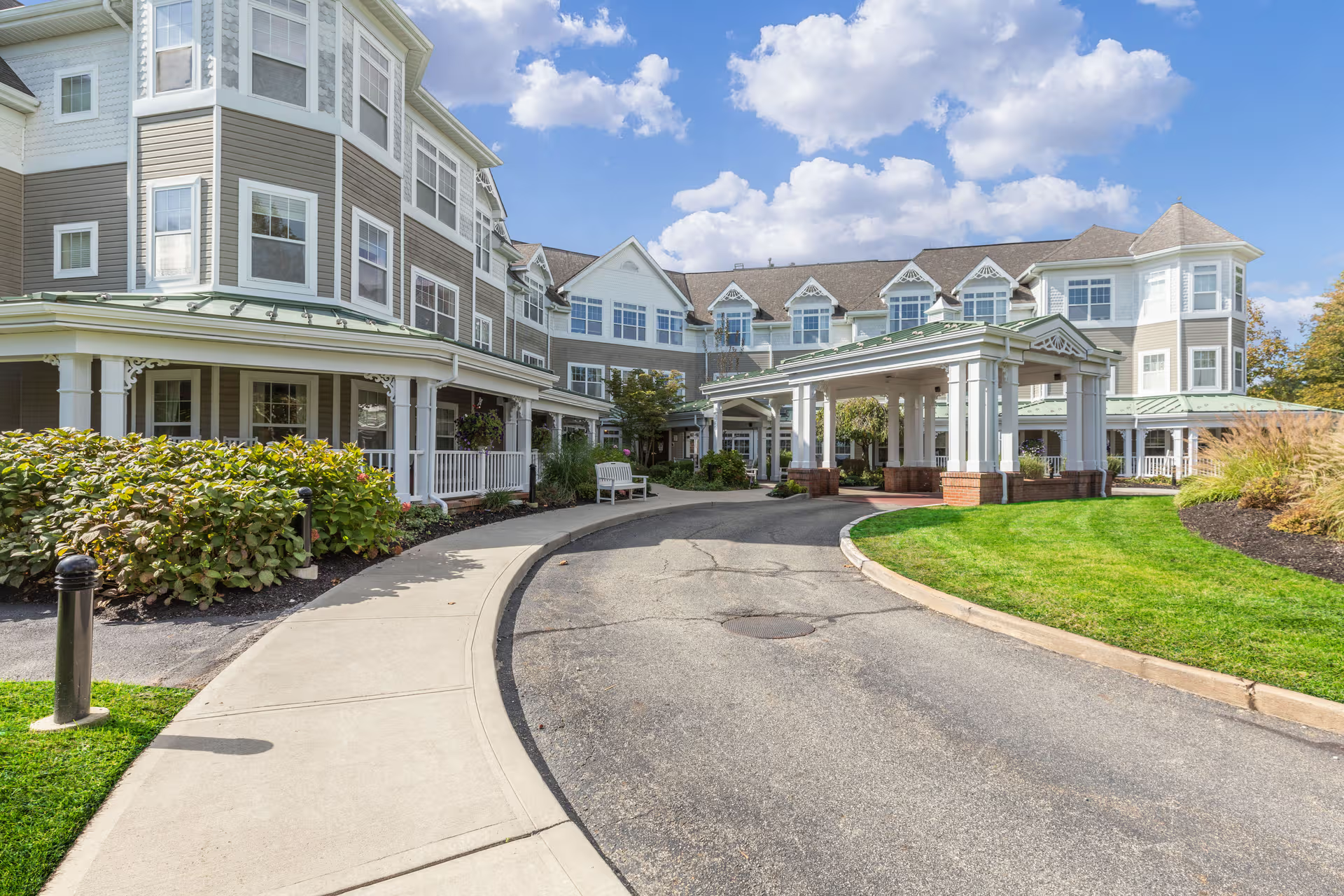
Facility environment and hospitality are generally well regarded — many describe a clean, hotel-like appearance, welcoming lobbies, and helpful concierge/front-desk staff — but isolated sanitation and pest-control concerns are mentioned and merit attention. Practical facility constraints are also noted, including smaller rooms for double occupancy and occasional loud alarm or sensory-management issues that can disrupt resident comfort.
Management and communication are another mixed area. Several accounts praise proactive administrators, social workers, and concierge staff for problem-solving and family communication. Conversely, recurring communication gaps — missed callbacks, slow responses during off hours, and inconsistent handling of personal items (lost clothing or medication holds) — indicate process weaknesses. Weekend staffing patterns amplify many of these operational issues, suggesting staffing stability and handoff procedures are primary opportunities for improvement.
In summary, Cortlandt shows strong performance in rehabilitation, many areas of clinical and concierge care, and a robust activities program that supports resident engagement. At the same time, persistent operational issues — mainly around nursing continuity, medication/documentation practices, weekend coverage, food consistency, personal-item controls, and some sanitation concerns — are evident in the feedback and would benefit from targeted quality-improvement efforts. Families considering the facility should weigh its clear rehabilitation strengths and compassionate staff against these operational variability areas, and ask management about current actions to address medication safety, weekend staffing, call-response times, and personal-property controls. Allegations of medication misadministration appear in a limited number of accounts and should prompt prospective families to seek specific clarifications about safety protocols and incident resolution practices.