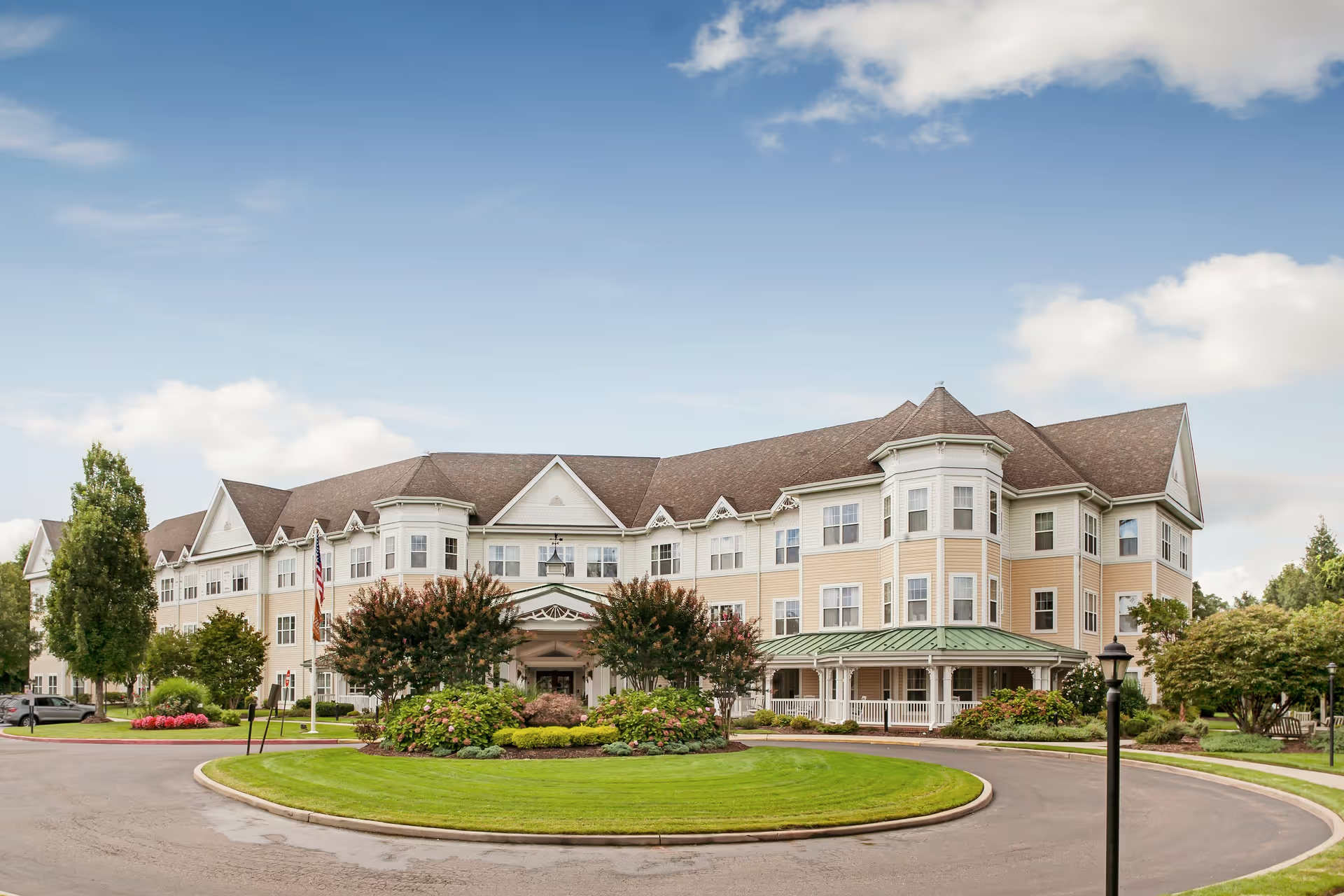
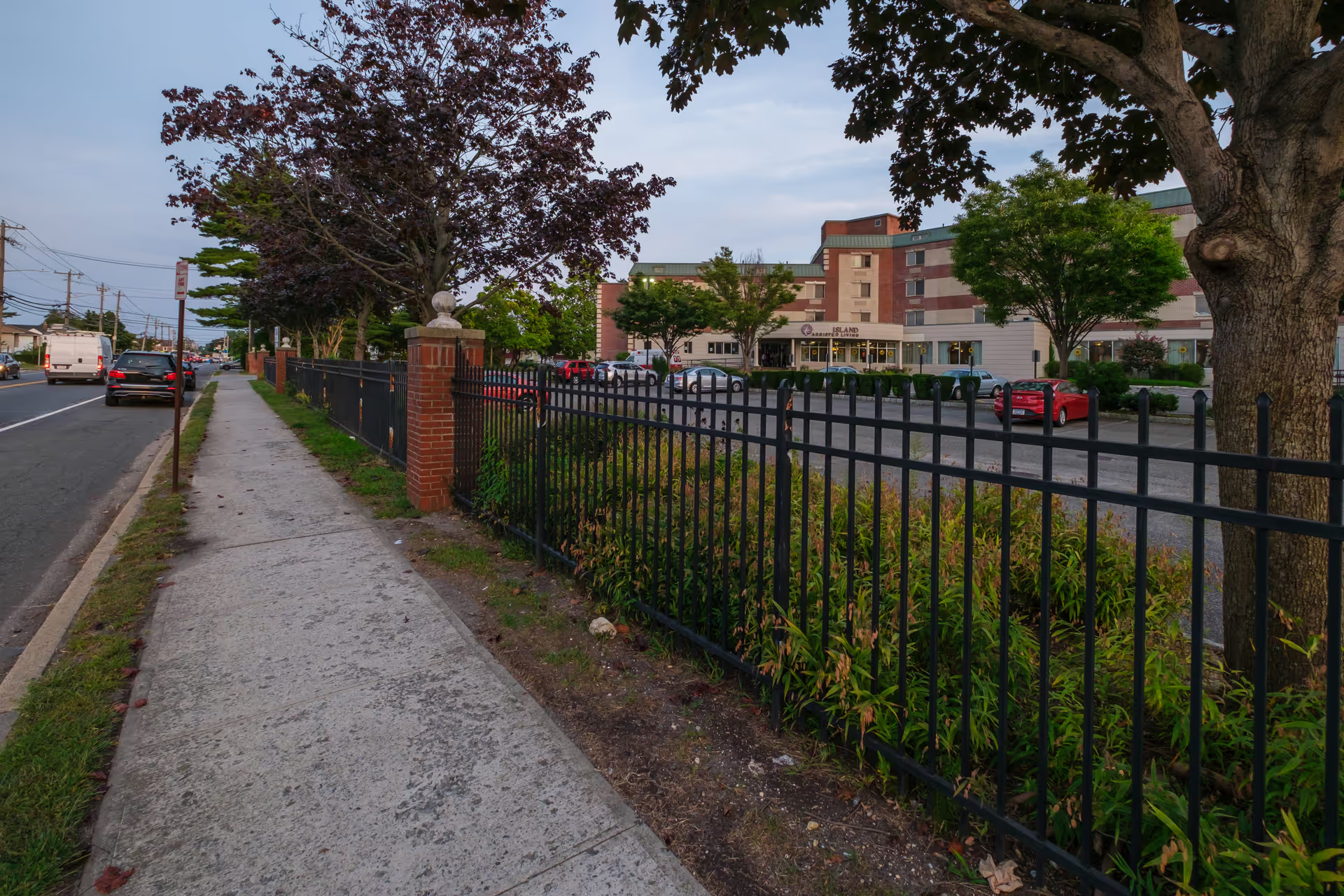
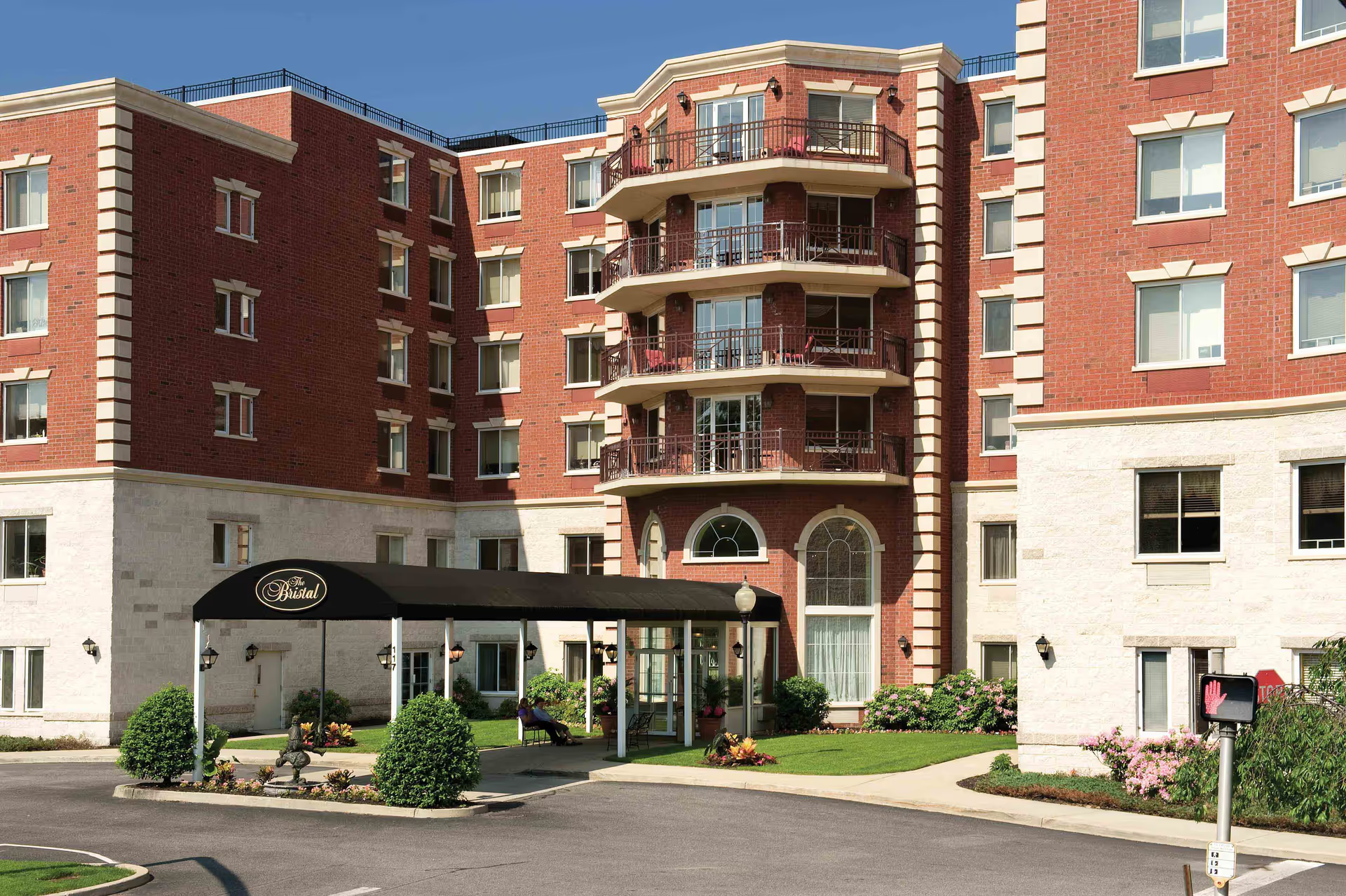
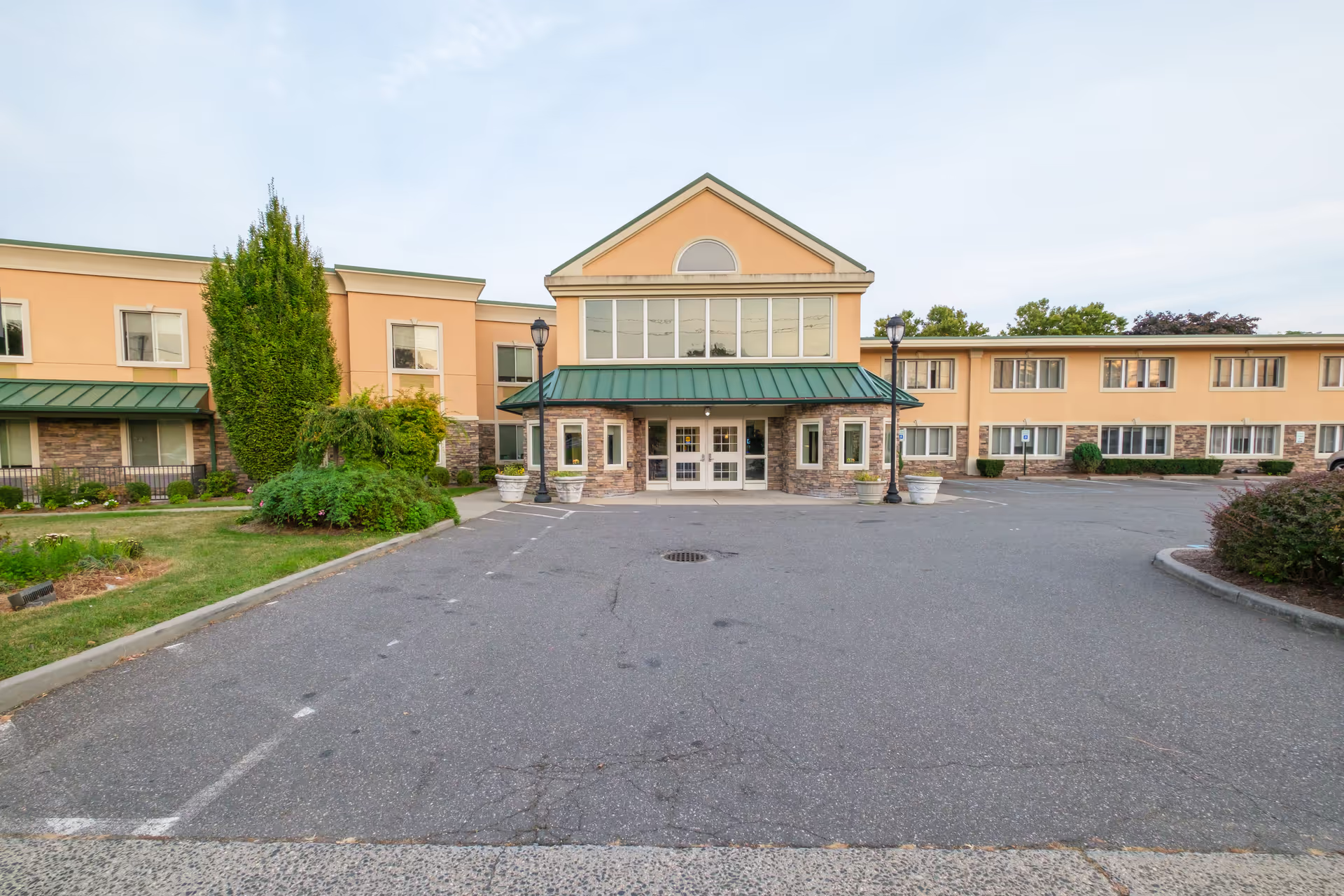
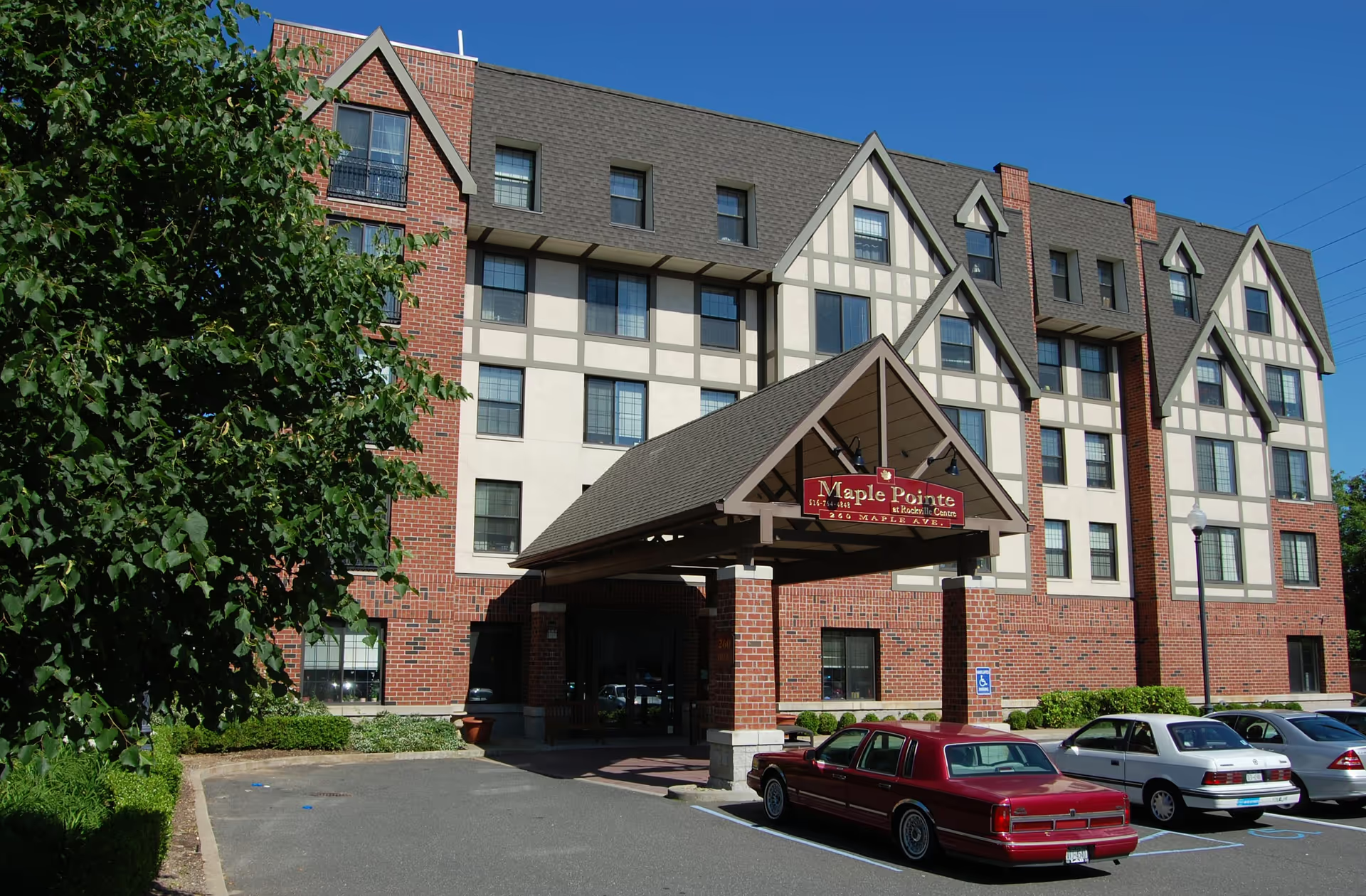
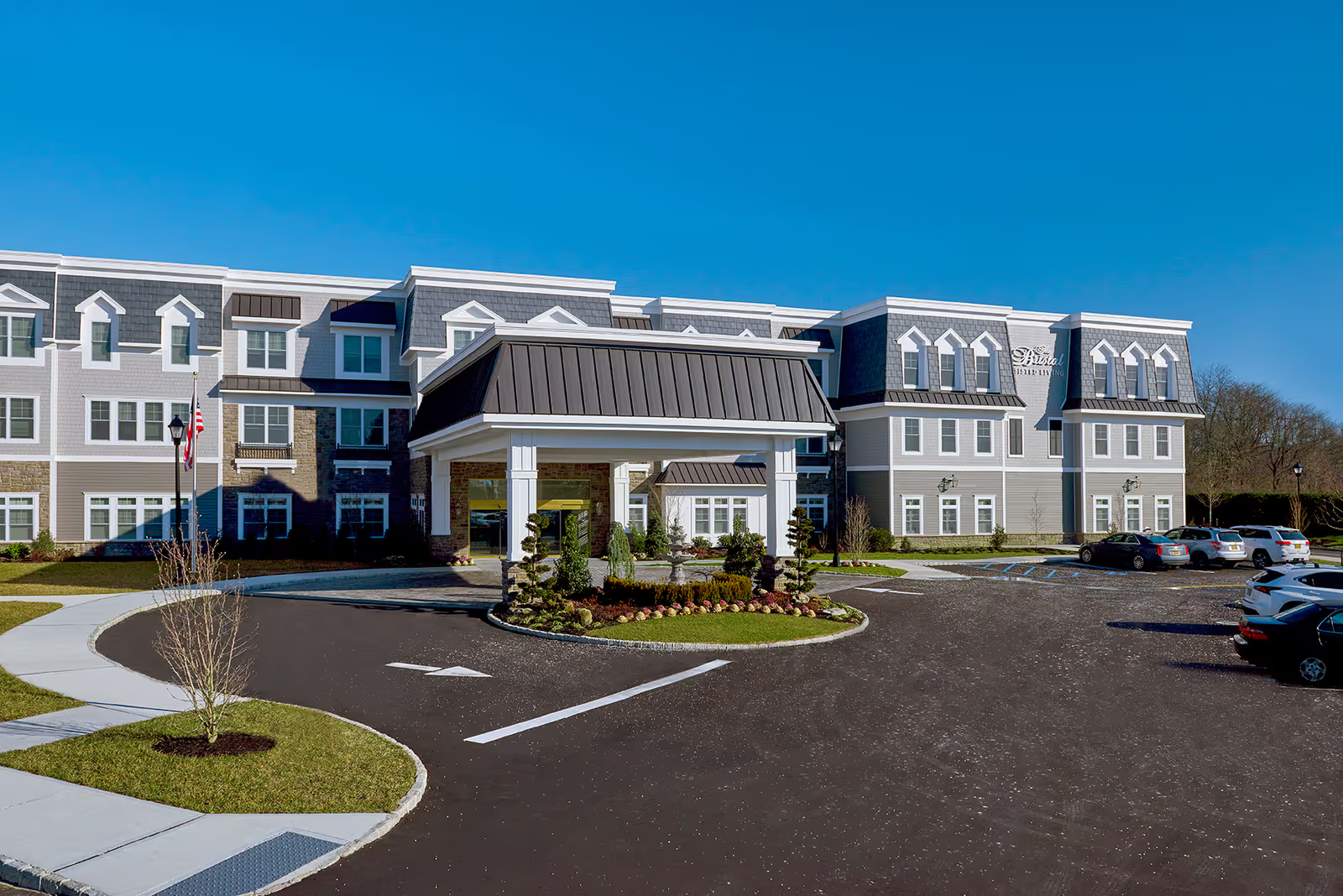
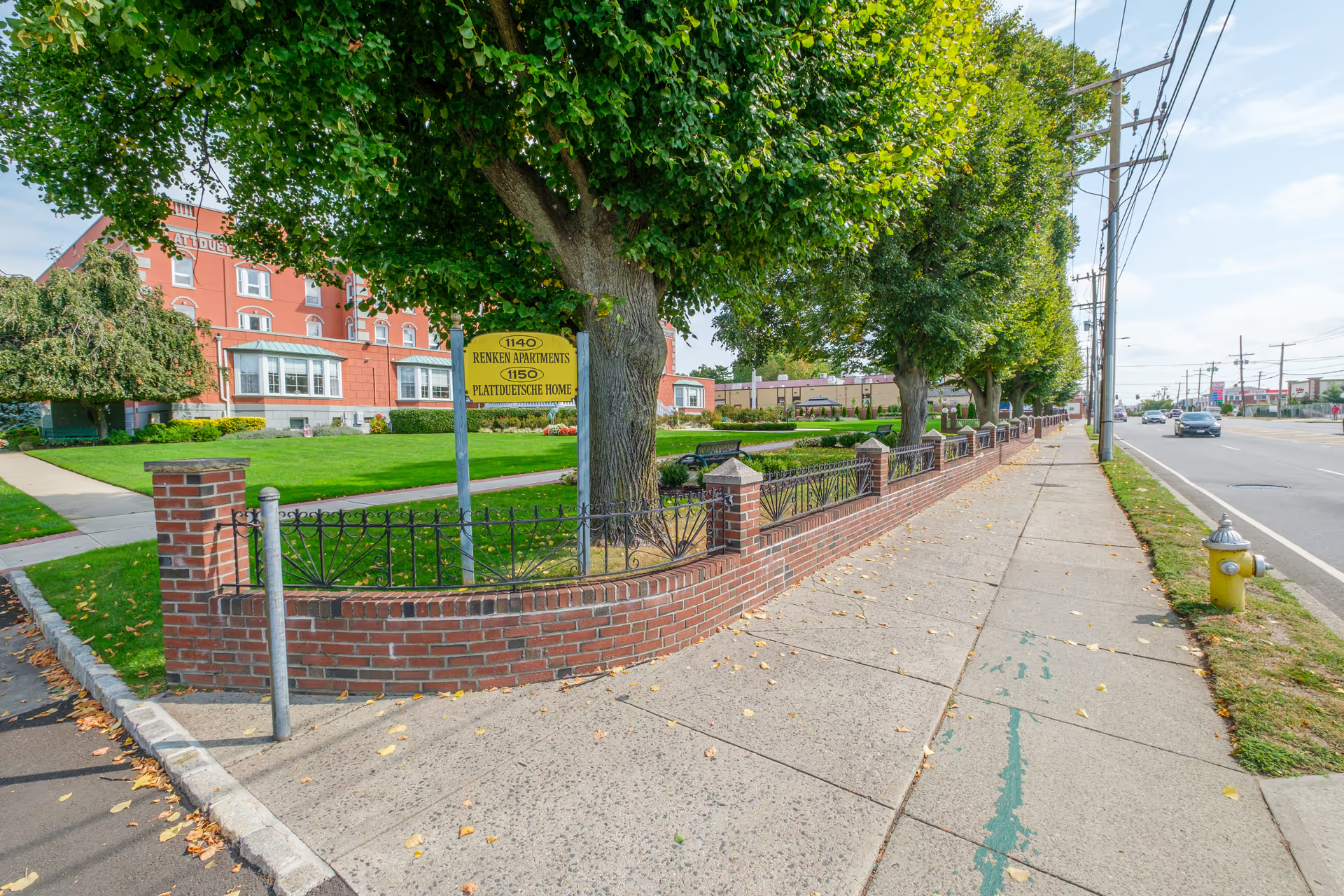
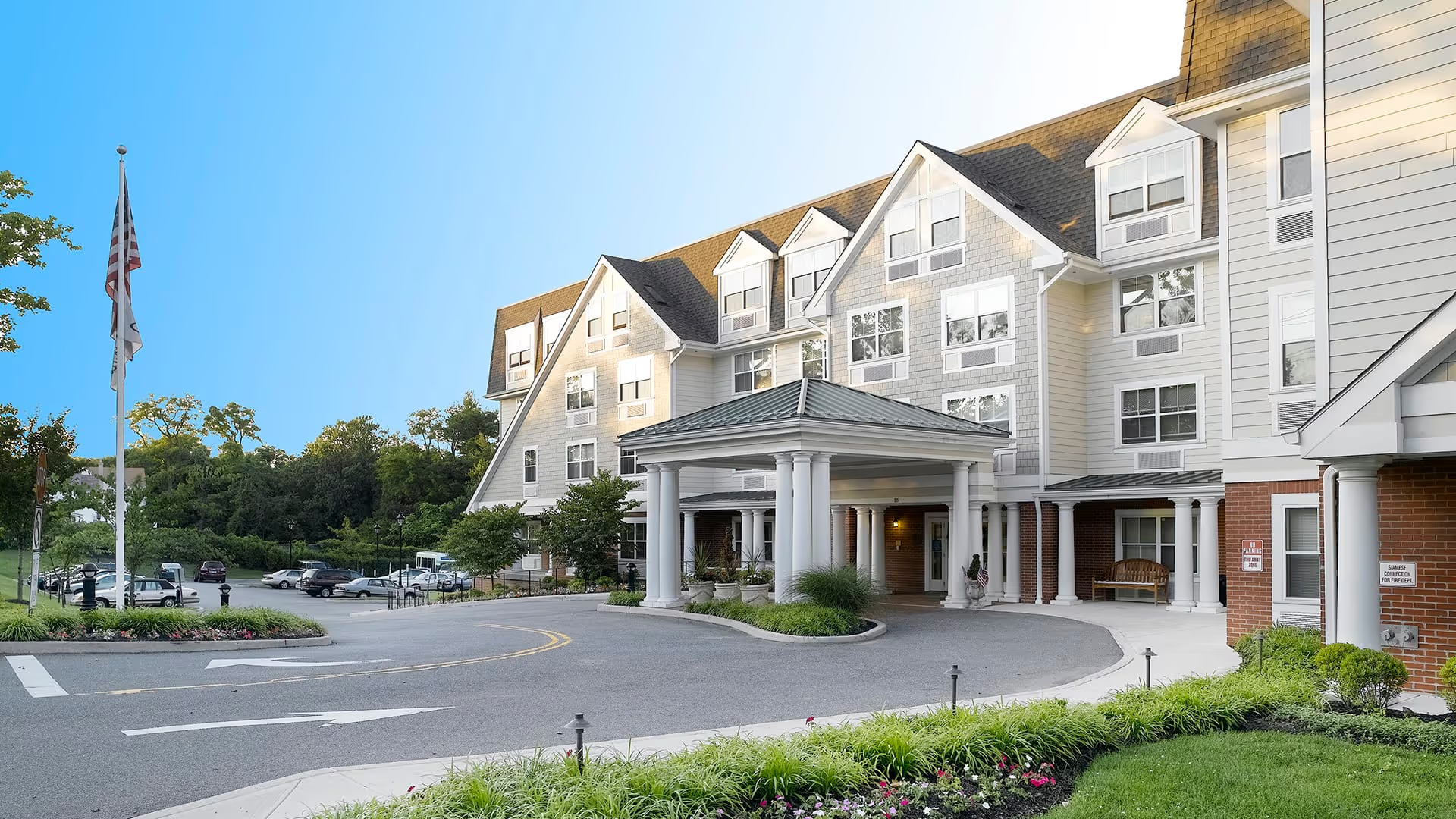
The reviews present a bifurcated picture: many families and residents praise the property, amenities, and social programming, while a substantial subset raises operational and clinical concerns. Physically, the community is consistently described as attractive, clean, and well maintained. Residents and visitors report spacious rooms, ample common space, a hotel‑like atmosphere, and convenient grounds and location. The activities program and on‑site amenities (movie theater, craft room, bistro, offsite outings) are frequently cited as strengths that support social engagement and a lively community culture.
Dining receives mixed but specific feedback. Positive comments highlight varied menus, nutritious options, and an enjoyable dining environment with attentive service. Conversely, other comments point to inconsistent food quality, menu repetition, and variable accommodation of special diets. These divergent impressions suggest that dining experience may depend on timing, staffing, or individual dietary needs.
Staffing and direct care attract both strong praise and substantive criticism. Many reviews describe warm, attentive, and familiar care staff, long‑tenured employees, and strong housekeeping and maintenance teams. These attributes contribute to residents’ sense of comfort and safety. At the same time, multiple reviews describe operational weaknesses: inconsistent clinical oversight, concerns about medication administration controls, staffing shortages, and high leadership turnover. These patterns manifest as delayed responses to clinical changes or emergencies, questionable placement decisions for residents with higher acuity, and gaps in communication with families. Taken together, the evidence suggests the facility can provide excellent day‑to‑day support for independent or lower‑acuity residents but may struggle to maintain consistent clinical quality for residents with more complex medical needs.
Management and organizational consistency are recurring themes. Positive notes point to engaged resident‑relations staff, proactive event planning, and responsive administration under particular leadership. However, other reviews cite leadership turnover, difficulties obtaining timely information, billing and fee concerns, and uneven responsiveness to complaints. Infrastructure and operational reliability issues (broken elevators, intermittent heating/AC/hot water, and maintenance incidents) are also mentioned and have implications for daily comfort and emergency preparedness. Additionally, several reviews raise security and personal‑property protection concerns and indicate perceived inconsistencies in licensing or credentialing and infection‑control practices.
In summary, the community offers strong physical amenities, an active program of social engagement, and many dedicated staff who contribute to a positive living environment. Prospective residents and families should weigh those strengths against patterns of inconsistent clinical oversight, variability in dining and dietary accommodation, staffing and leadership instability, and occasional infrastructure or security shortcomings. The facility appears well suited for relatively independent residents seeking an active lifestyle; families of persons with progressive dementia or significant nursing needs should carefully evaluate clinical staffing, emergency response protocols, medication management processes, and documentation of licensing and credentialing before committing. Detailed, specific questions about placement assessment, care‑plan oversight, emergency procedures, medication controls, and fee structure are advisable during touring and contracting conversations.