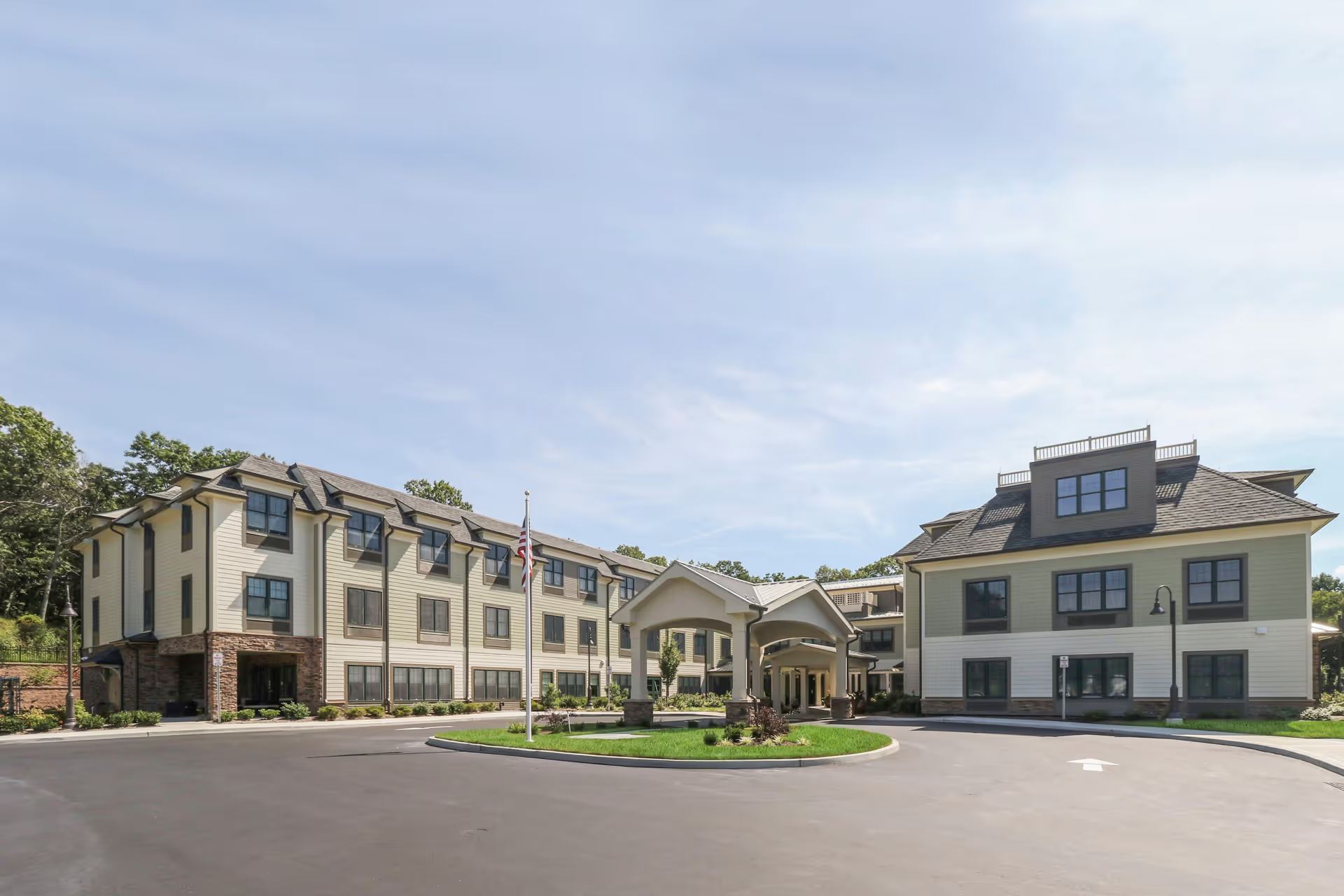
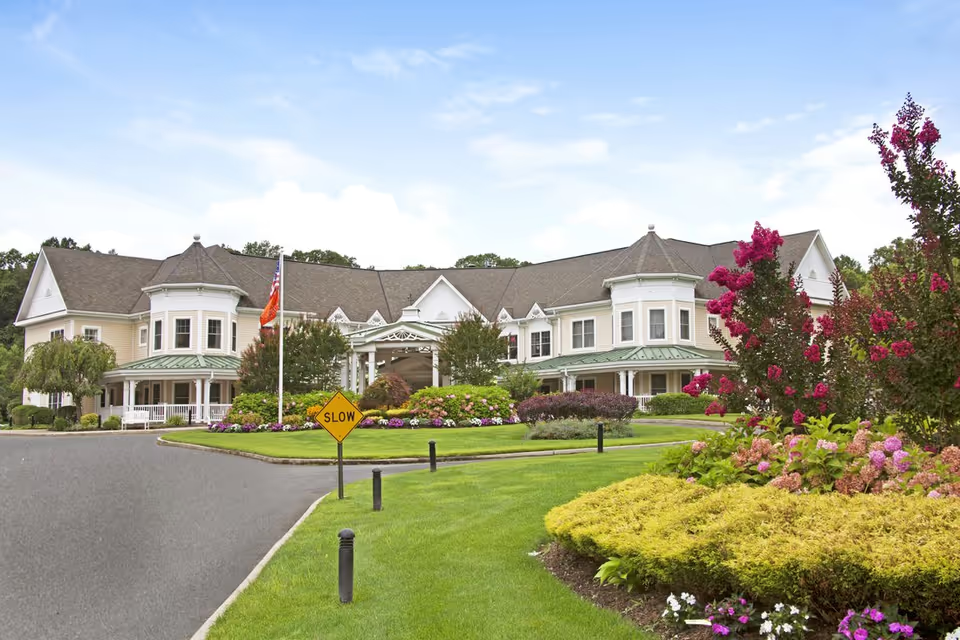
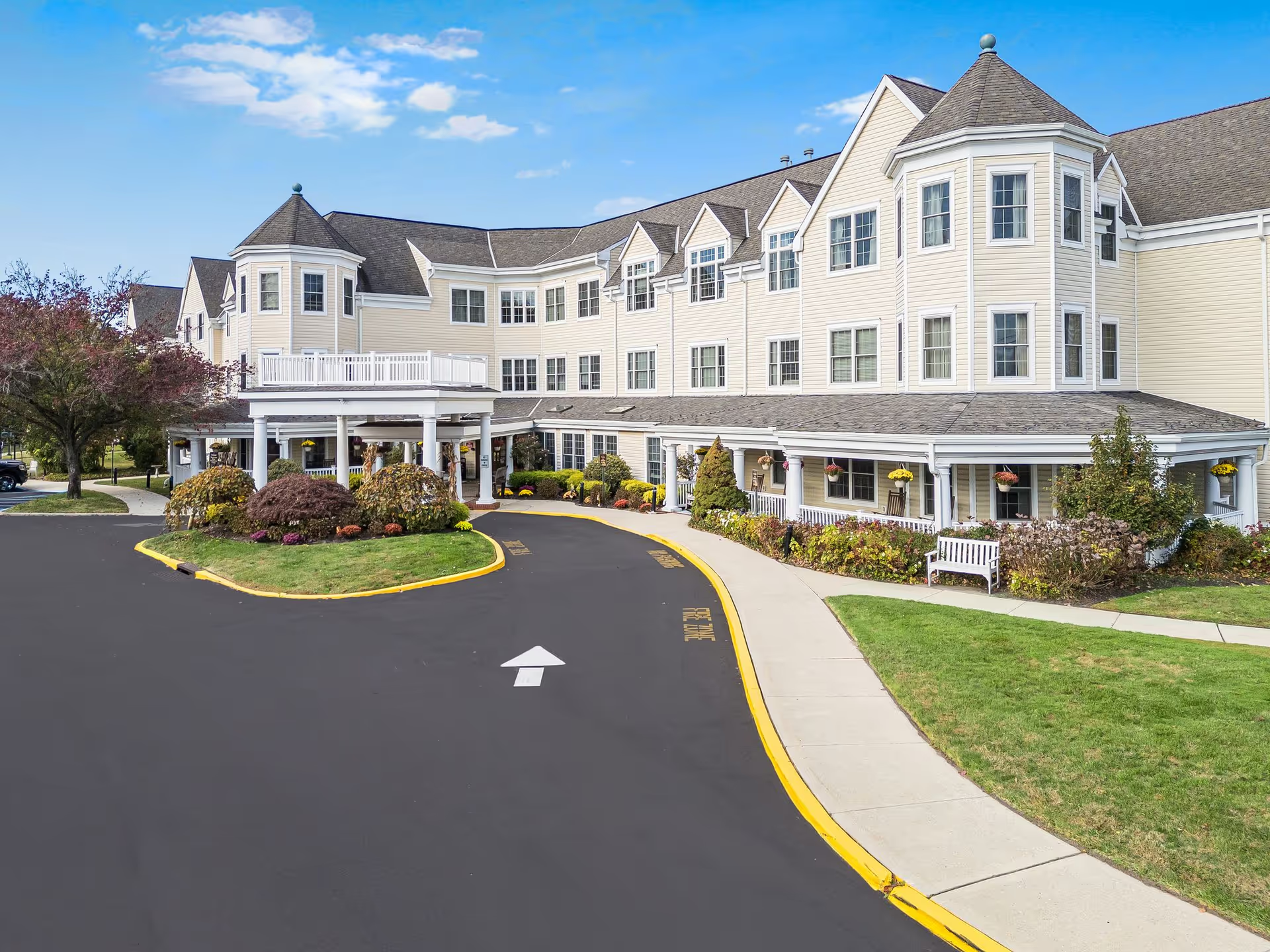
Birchwood Suites is presented across reviews as a smaller, estate-style senior community offering an inclusive pricing model and a true continuum of care: independent living, assisted living, and a dedicated memory-care unit. Strengths that recur include an attractive campus with well-maintained grounds, furnished updated suites, on-site rehabilitation and clinical supports, and an active calendar of outings and on-site programming. Many families emphasize the community’s small, home-like atmosphere, personalized attention from long-tenured case managers, and practical inclusions such as housekeeping, laundry, medication assistance, and VA/insurance coordination.
Care quality and staffing: Numerous accounts cite caring, knowledgeable staff and strong case-management relationships that support clinical needs (insulin administration, catheter care, wound/medication oversight in many cases). At the same time, a consistent theme is variability in staffing and responsiveness: reviewers describe periods of very attentive care as well as instances of delayed responses to call systems, unanswered night calls, and limited visible aide presence. Related concerns include uneven medication-administration practices and gaps in monitoring frequency; these speak to operational inconsistencies rather than a uniformly poor clinical standard. Prospective families should ask for the facility’s staffing ratios, medication-auditing procedures, and protocols for clinical checks.
Dining and activities: Meals are often described positively—nutritious, varied, and served three times daily with snacks available—but some families note inconsistent preparation and flavor profiles that do not suit all residents. The activities program receives frequent praise for music, memory games, outings, and social engagement; however, there are repeated observations that dementia-specific programming can be limited or inconsistent in intensity. For residents with cognitive impairment, confirm the frequency and content of memory-care activities and how staff tailor engagement to individual needs.
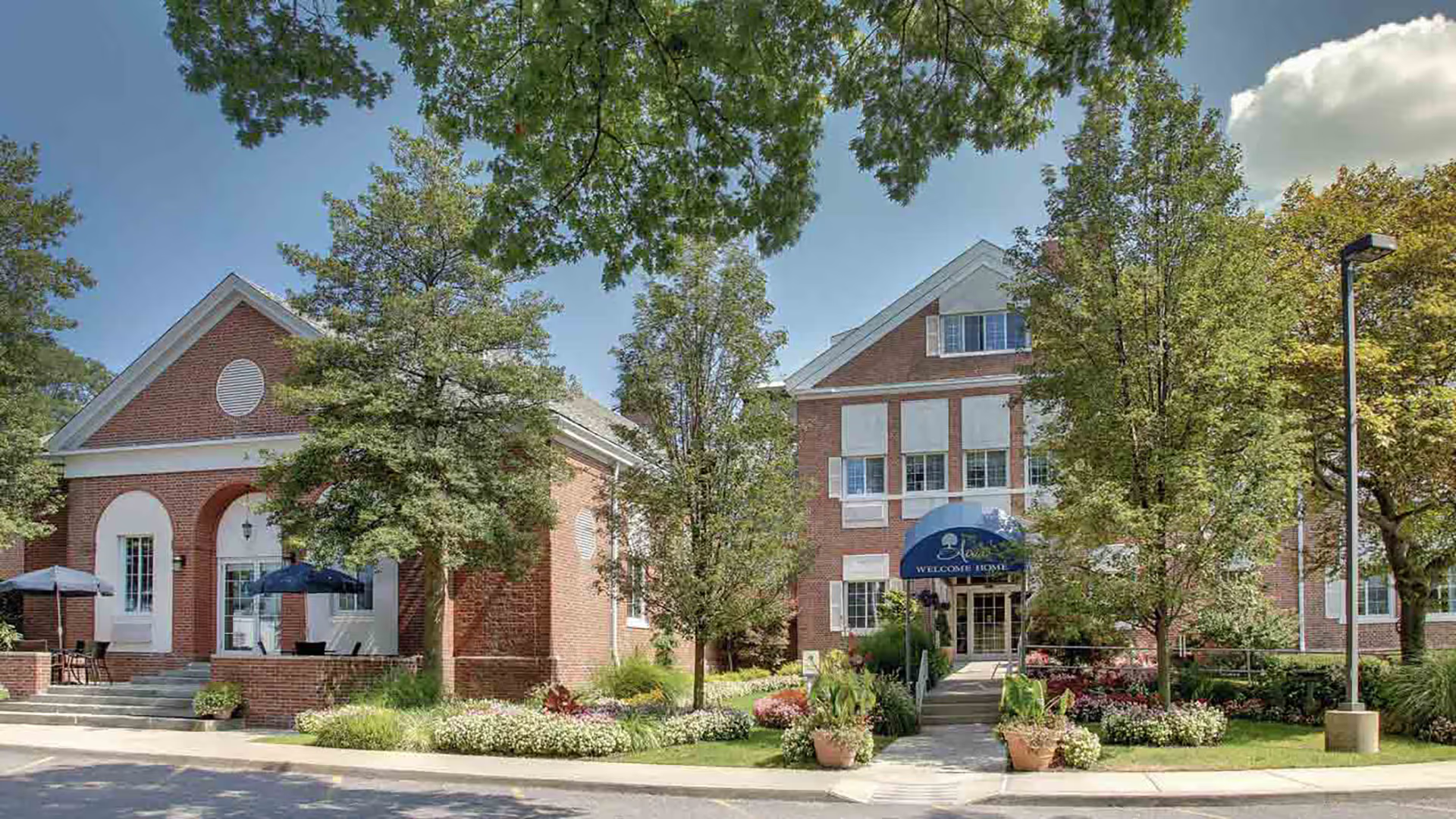
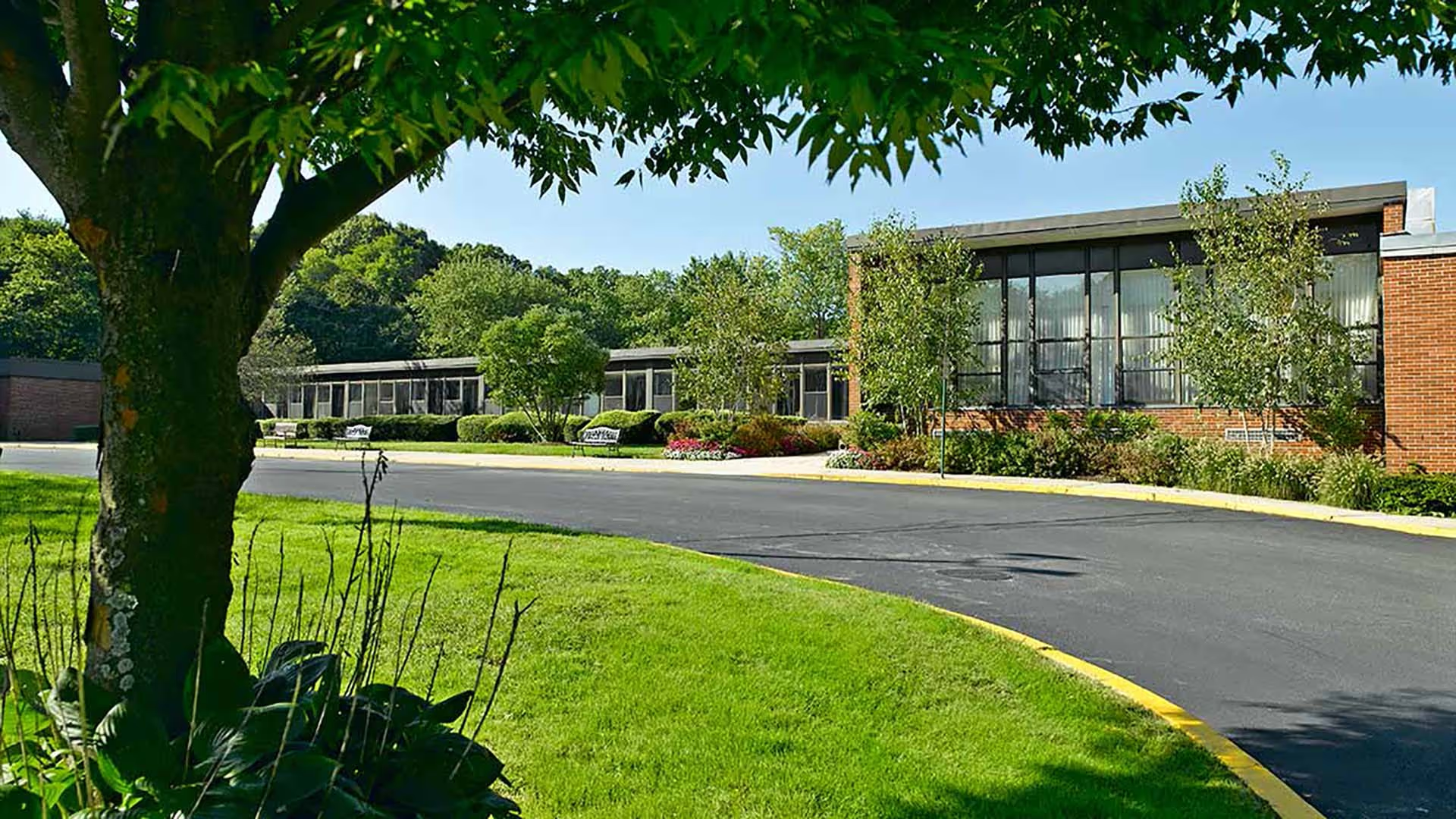
Facilities and maintenance: The property’s estate setting, landscaping, pond, and walking paths are commonly highlighted as major assets that contribute to resident well-being. Conversely, reviewers note that some interior areas can feel dark or dated, and that building maintenance issues have included parking potholes, lighting deficits, and varying apartment configurations (some units have private baths, others shared). Renovations and management-led improvements are underway in many reports, indicating active investment, but prospective residents should inspect both exterior and interior common spaces and ask about planned capital projects and timelines.
Management and communication: Several families praise recent management changes and describe improved leadership, customer service, and responsiveness. Conversely, others report front-desk or phone-system problems, occasional poor communication about doctor visits or medication changes, and variability tied to staff turnover. These patterns point to a facility in transition: there are clear signs of administrative improvement alongside operational areas that still need consistent execution. Important questions for tours include communication protocols for clinical updates, escalation pathways, visitation policies, and how the community manages staff training and retention.
Notable patterns and recommendation: Reviews are polarized—many families express high satisfaction, citing compassionate staff, cleanliness, strong clinical support, and affordability, while others cite operational shortcomings that affect care consistency. This variability suggests the facility can deliver good outcomes but may be sensitive to staffing levels, shift coverage, and ongoing renovation cycles. For prospective residents, an in-person visit that includes observing meal service, an activities session, staff–resident interactions, response-time checks for call systems, and a review of clinical and safety protocols is recommended. Ask for recent staffing schedules, medication-administration policies, incident-response procedures, and specific examples of dementia-care programming to assess fit for individual care needs.