Overall impression: Beechwood Continuing Care elicits a mixed set of observations. Many reviewers praise the facility’s rehabilitation, hospice, and memory-care teams, the grounds and common areas, and an active schedule of recreational programming. At the same time, a number of operational and clinical-consistency concerns appear across reviews; these create variability in the day-to-day experience and in family perceptions of safety.
Care and staff: Staffing and direct-care quality are the most polarized areas. Positive accounts emphasize compassionate, skilled aides and nurses, attentive hospice clinicians, and effective therapy teams that produce good rehabilitation outcomes. Several reviewers singled out individual staff members and units for excellent, personalized care. Conversely, other accounts describe slow responses to assistance requests, inconsistent bedside communication, and conduct concerns that affect family confidence. These mixed reports suggest variability by shift, unit, or individual caregiver rather than a uniform staffing profile.
Clinical safety and day-to-day assistance: Reviews indicate patterns consistent with gaps in some clinical and safety practices. Examples include inconsistent use of bed alarms and mobility-assist devices, irregular monitoring of equipment, and delays in toileting or hygiene assistance. These issues are tied to concerns about transfer-safety procedures and timeliness of response to call lights. Families also described instances that raised questions about clinical oversight and follow-up after notable incidents; centralized incident-response and communication appear to be an area needing attention.
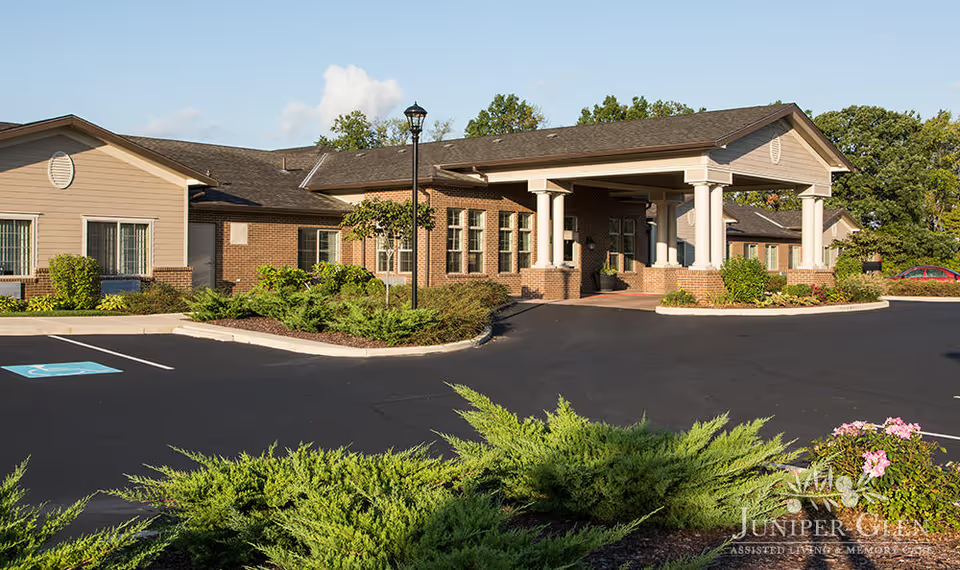
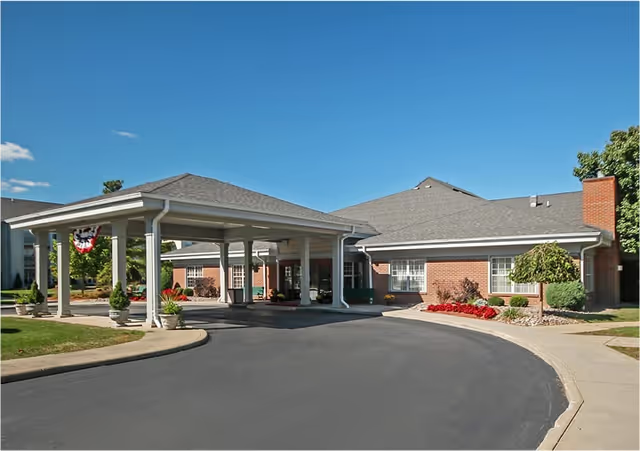
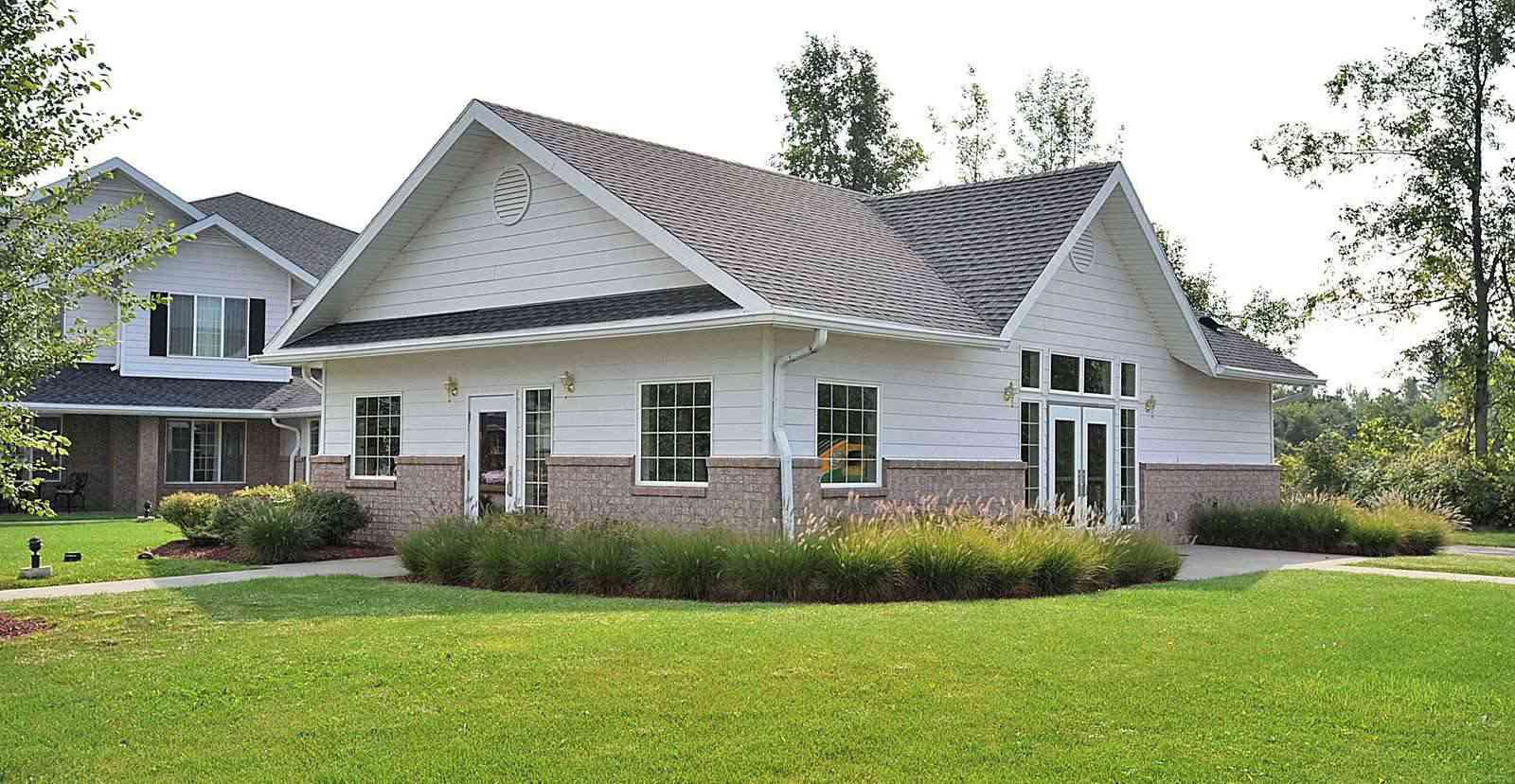
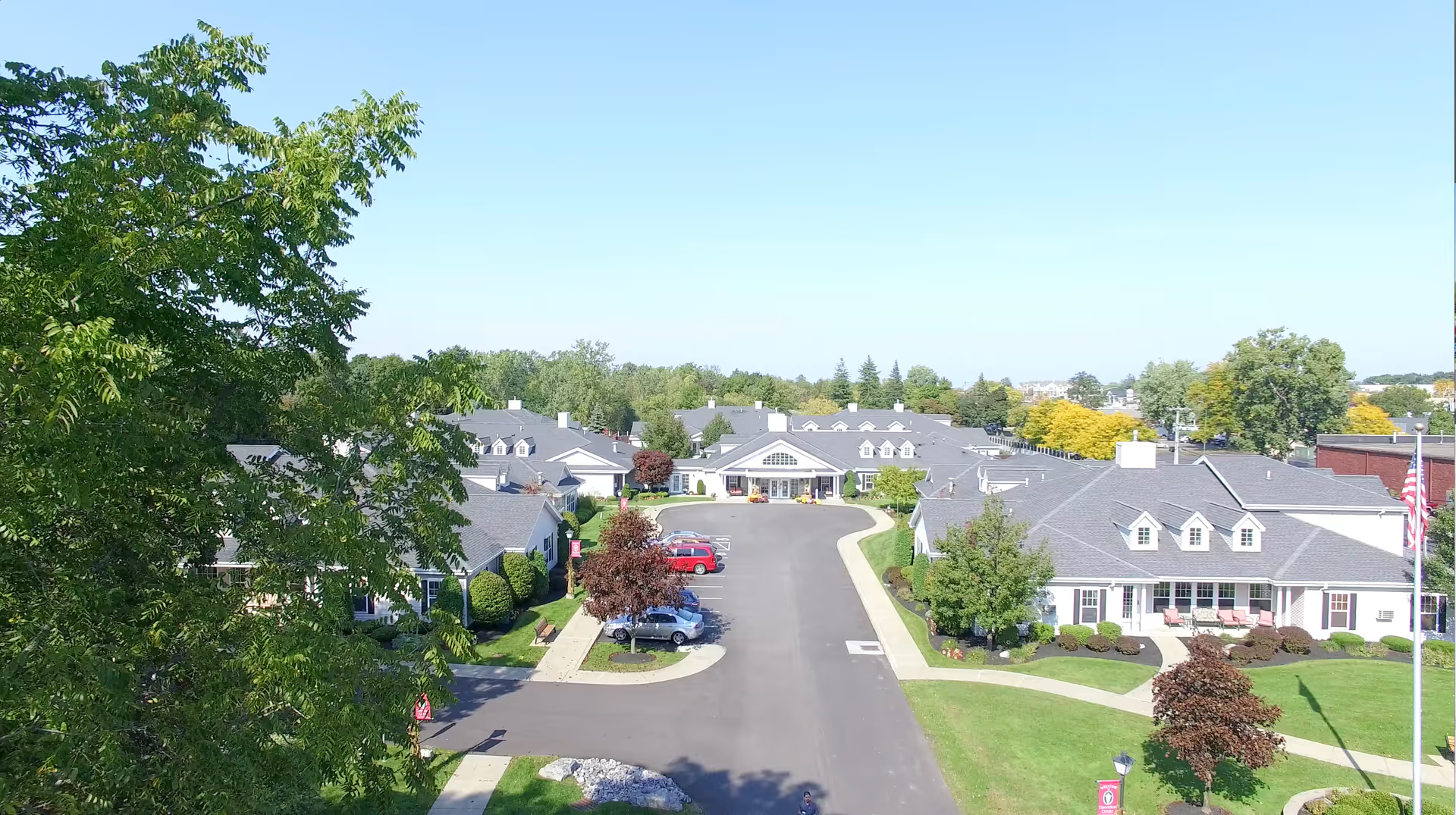
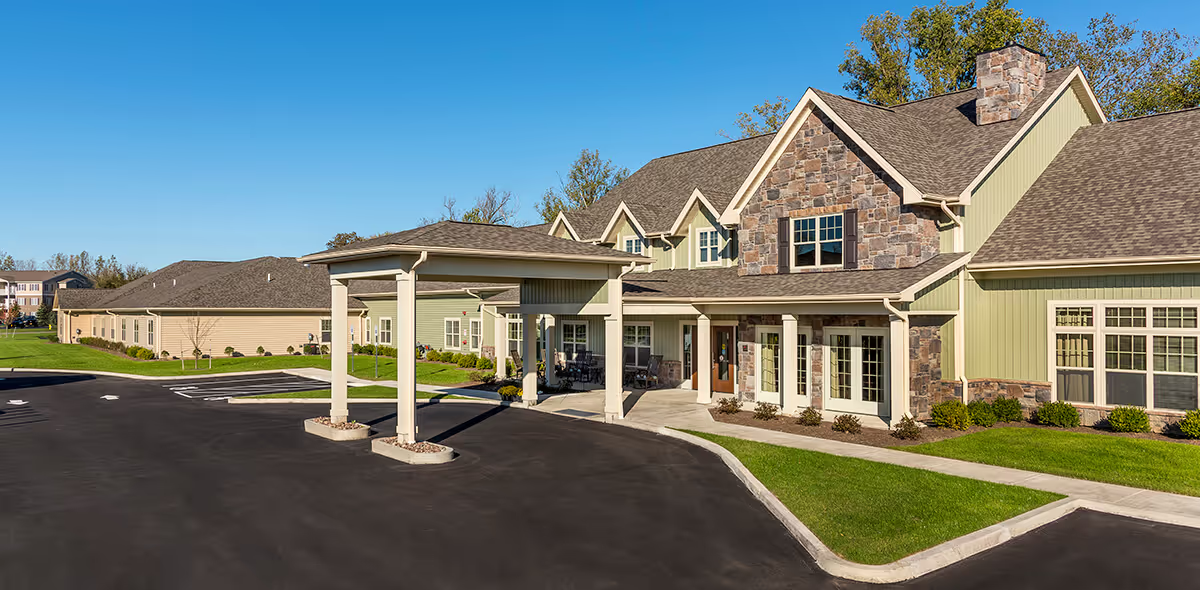
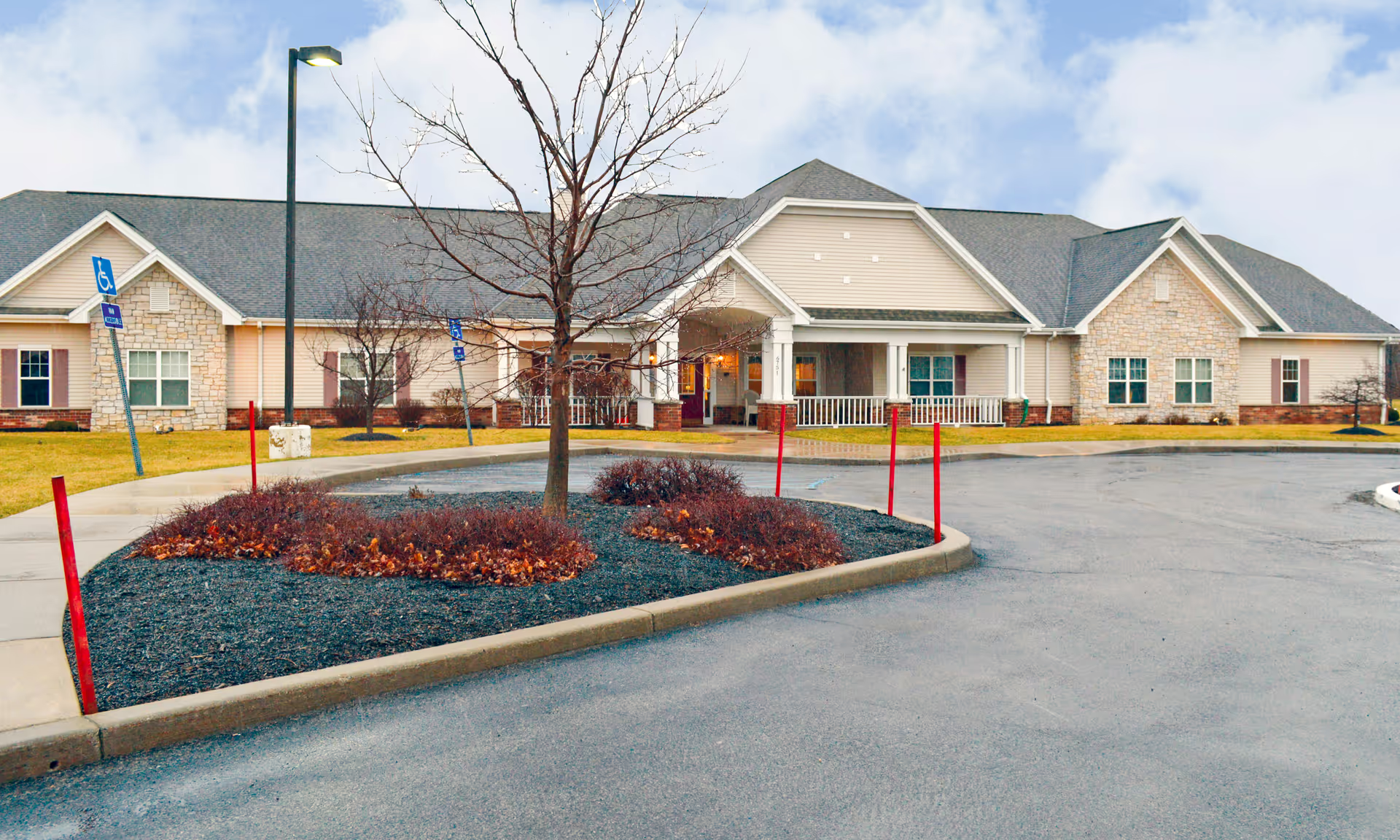
Dining, activities, and facilities: The facility’s physical environment and programming draw frequent praise. Grounds, courtyard, and common areas are described as attractive and well-kept; room options and comfortable common spaces are noted positively. Activity programming (music, group games, walks) is viewed as engaging. Dining impressions are mixed: some reviewers appreciate wholesome, hot meals, while others note inconsistent food quality and occasional concerns about food-preparation practices. Housekeeping frequency and room-cleaning consistency were called out as variable.
Management, communication, and cost: A recurrent operational theme is uneven management communication. Some families reported difficulty obtaining timely responses to complaints or questions, and perceived a lack of visible follow-up. Staffing shortages are frequently cited as a root cause of several service gaps, and several reviewers commented that the monthly cost feels high relative to inconsistent service delivery. Conversely, staff retention and support appear stronger in certain departments, such as rehab and hospice, where families more often reported positive experiences.
Notable patterns and recommendation: Prospective residents and families should weigh the facility’s strengths in therapy, hospice, memory care, grounds, and select staff against documented variability in responsiveness, housekeeping, dining quality, and clinical-safety consistency. Visiting during multiple shifts, asking about unit-specific staffing ratios, reviewing transfer and fall-prevention protocols, and clarifying housekeeping and complaint-resolution processes will help set expectations and identify the parts of the operation that align best with a resident’s needs.