The reviews describe a pattern of operational weaknesses that raise concerns about overall reliability of care and safety. The most consistent themes are staffing and oversight gaps—particularly overnight and on weekends—which reviewers indicate affect responsiveness, routine checks, and supervision. These staffing limitations are linked to potential medication-administration vulnerabilities and delayed responses to resident needs.
Care quality and safety: Reviewers describe lapses in night-time monitoring and limited overnight supervision, which have implications for timely assistance and medication routines. There are also generalized concerns about resident safety protocols and the facility’s ability to maintain consistent oversight across all shifts. These issues suggest a need to verify staffing schedules, night-check protocols, and medication-auditing processes when evaluating the facility.
Staff and management: Feedback points to problems in managerial behavior and workplace culture that may influence staff morale and conduct. Reviewers describe challenging interactions with administrative leadership and concerns about how staff are supervised and supported. Communication breakdowns are noted both internally (between managers and frontline staff) and externally (with families and vendors), which can complicate care coordination and limit outside providers’ ability to interact with on-site personnel.
Dining and activities: The supplied reviews do not provide substantive detail about dining quality or activity programming. Absence of commentary on these domains limits the ability to assess them; prospective families should request specific information about meal service continuity, dietary accommodations, and the schedule and staffing of recreational programs.
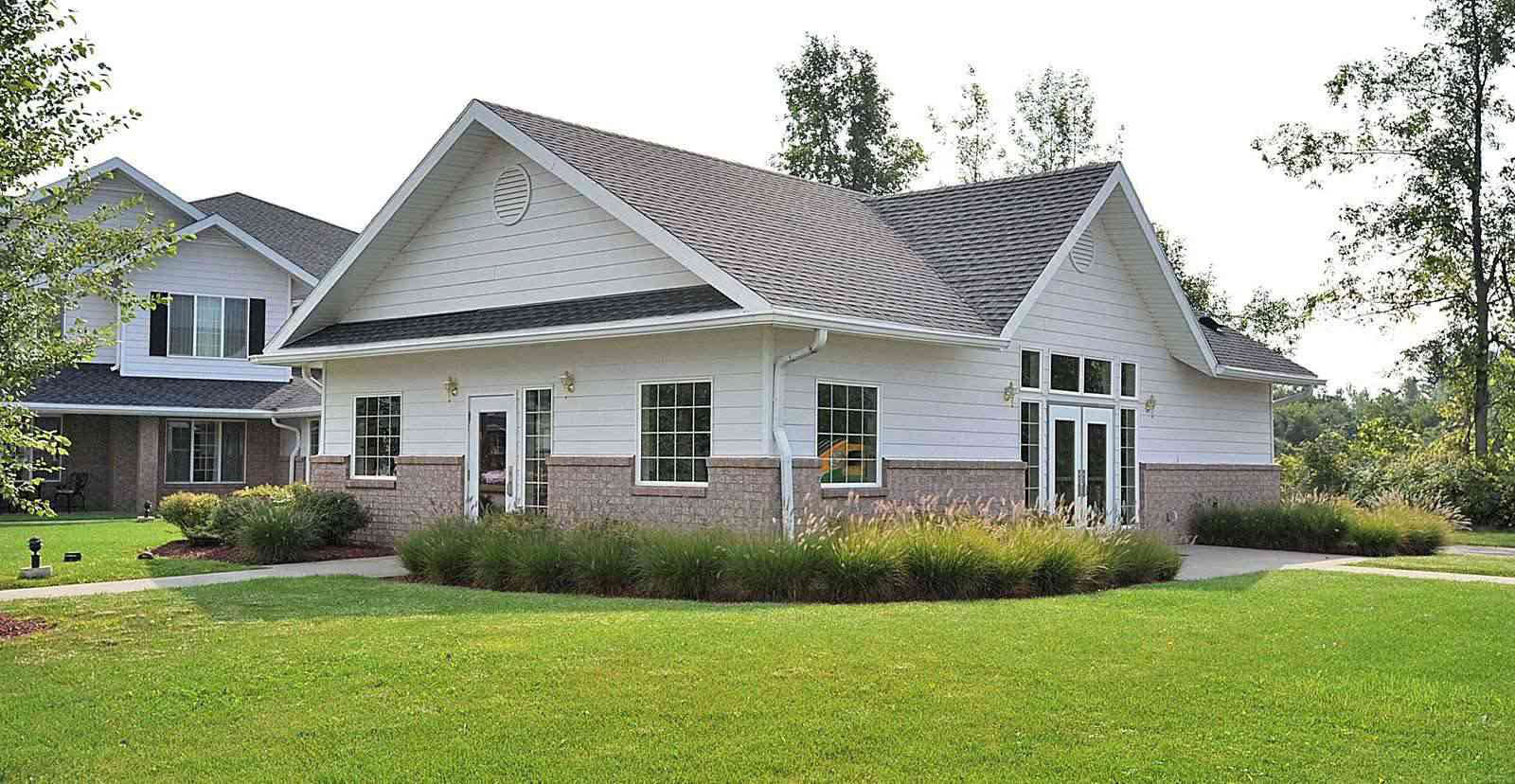
Facilities and housekeeping: Reviewers raise sanitation and housekeeping concerns within resident rooms and describe inconsistent room-assignment and turnover practices. Privacy issues are specifically noted, including concerns about unauthorized photography or monitoring; this indicates a need to clarify the facility’s privacy, monitoring, and camera policies. Prospective visitors should inspect resident rooms, common areas, and housekeeping records to assess cleanliness and maintenance standards.
Management patterns and communication: A recurring pattern is weak responsiveness from administrative staff and difficulty reaching on-site personnel or contracted vendors. This extends to limited weekend coverage and periods when family presence cannot substitute for staff functions. Those evaluating the facility should seek written policies on staffing ratios, escalation procedures, vendor access, and family involvement options.
Notable patterns and recommendations for prospective families: The dominant themes are staffing reliability (especially overnight and weekends), privacy and monitoring policy gaps, inconsistent housekeeping practices, and management-culture issues that affect staff conduct and communication. When assessing this facility, request documentation of staffing schedules, night-check procedures, medication-administration audits, privacy/monitoring policies, housekeeping schedules, and recent inspection or complaint-resolution records. In-person visits at different times (including evenings and weekends) and direct questions about vendor access and complaint processes can help clarify whether operational changes have been made to address the concerns raised.