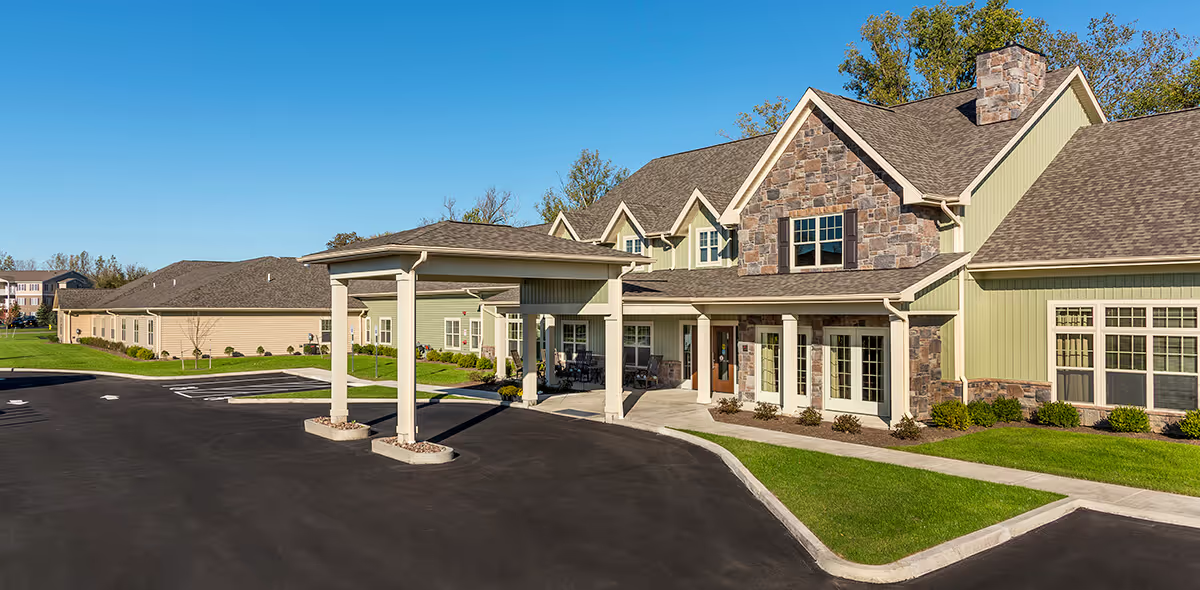
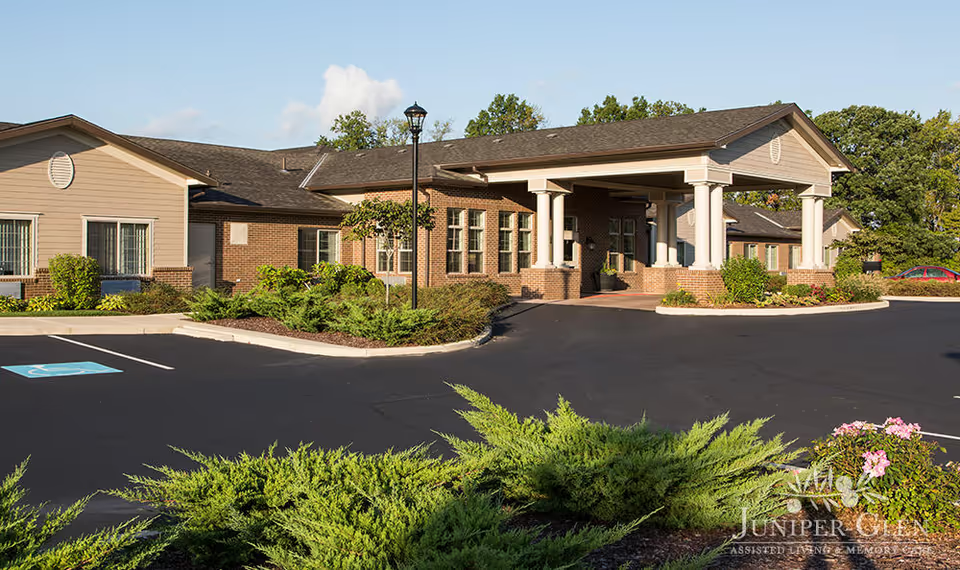
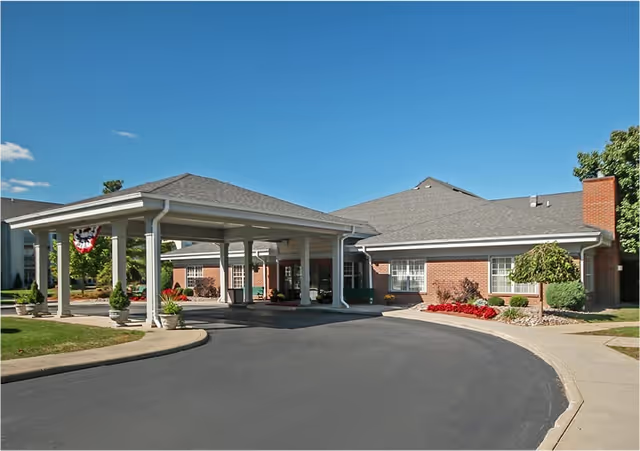
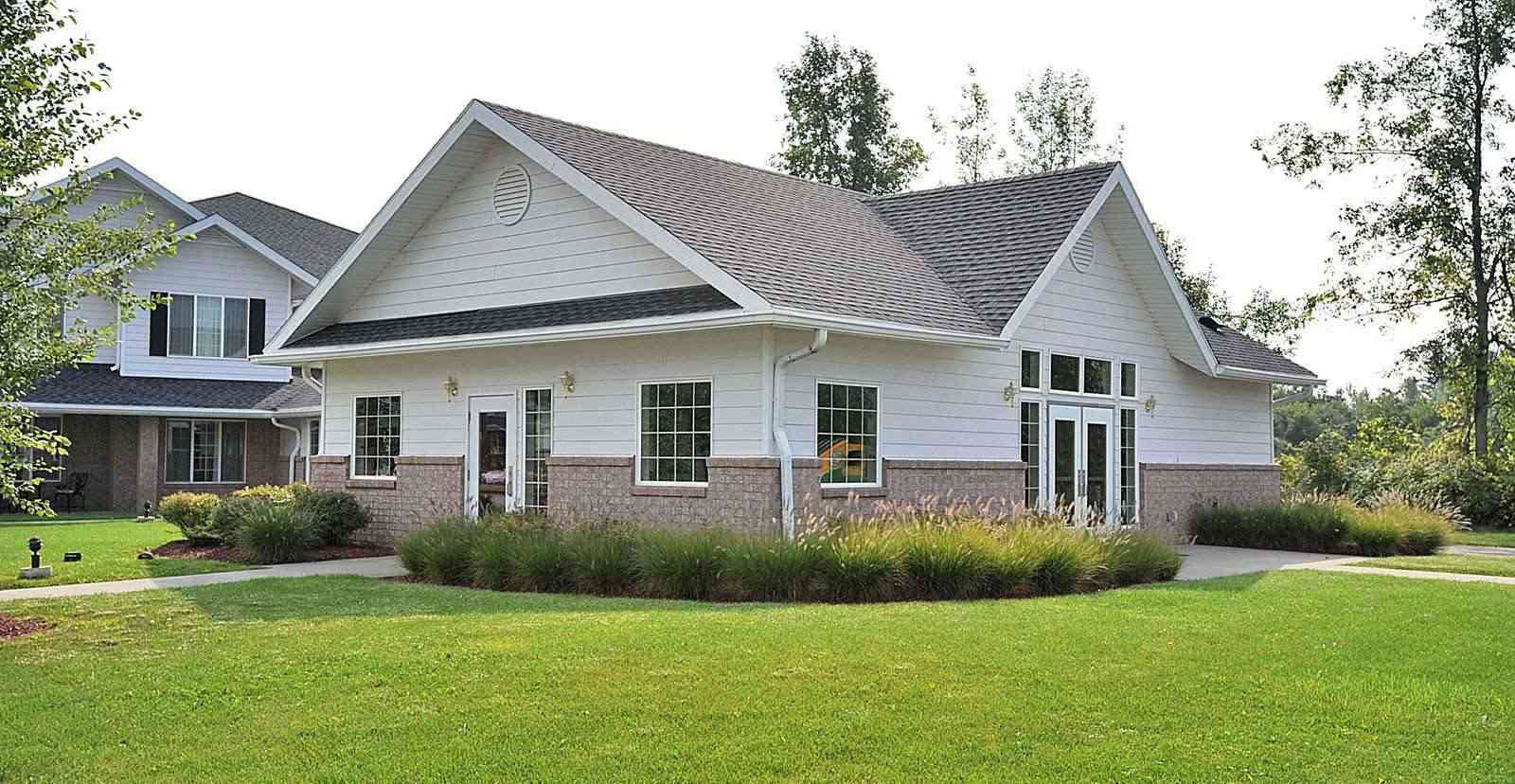
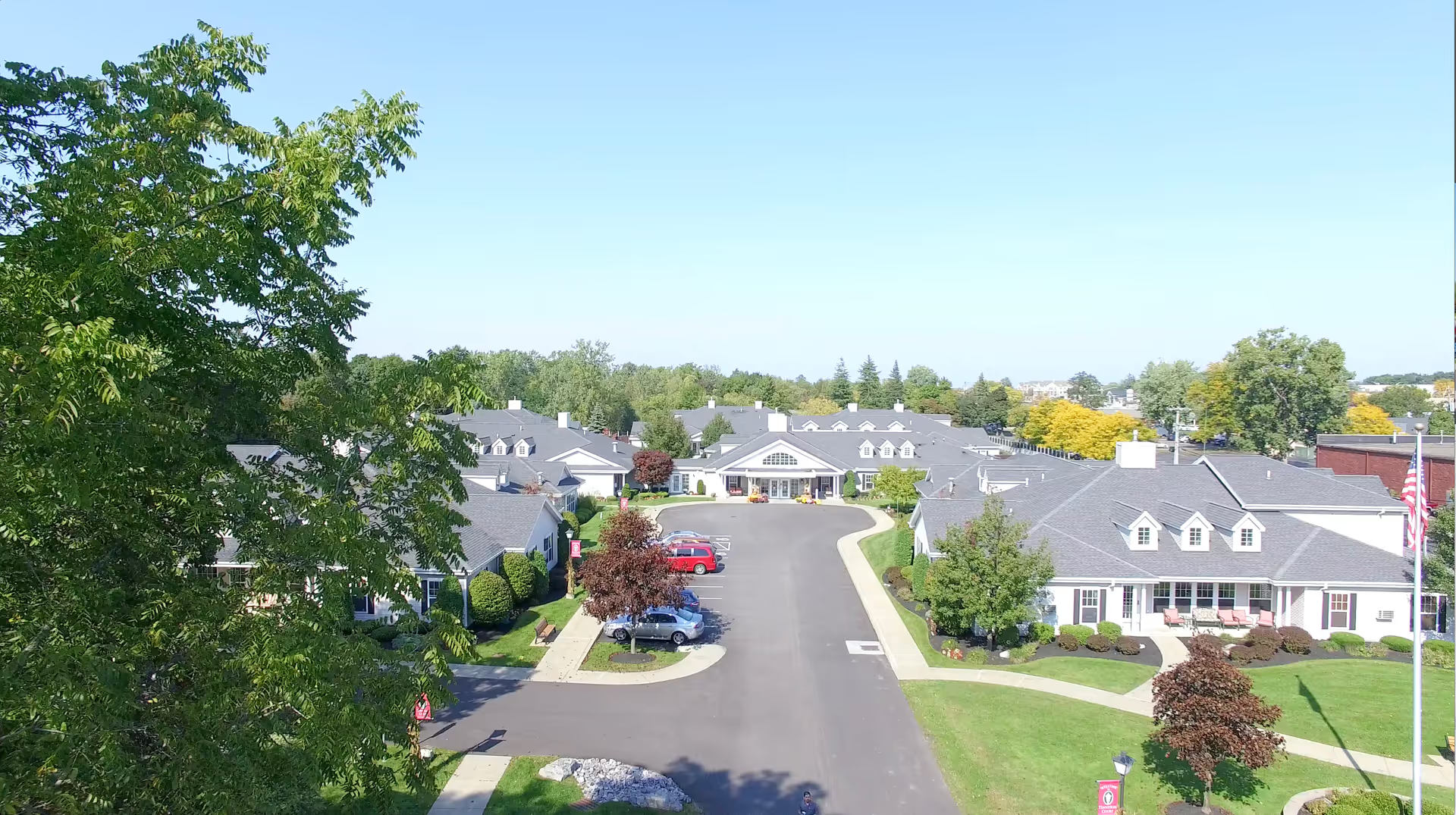
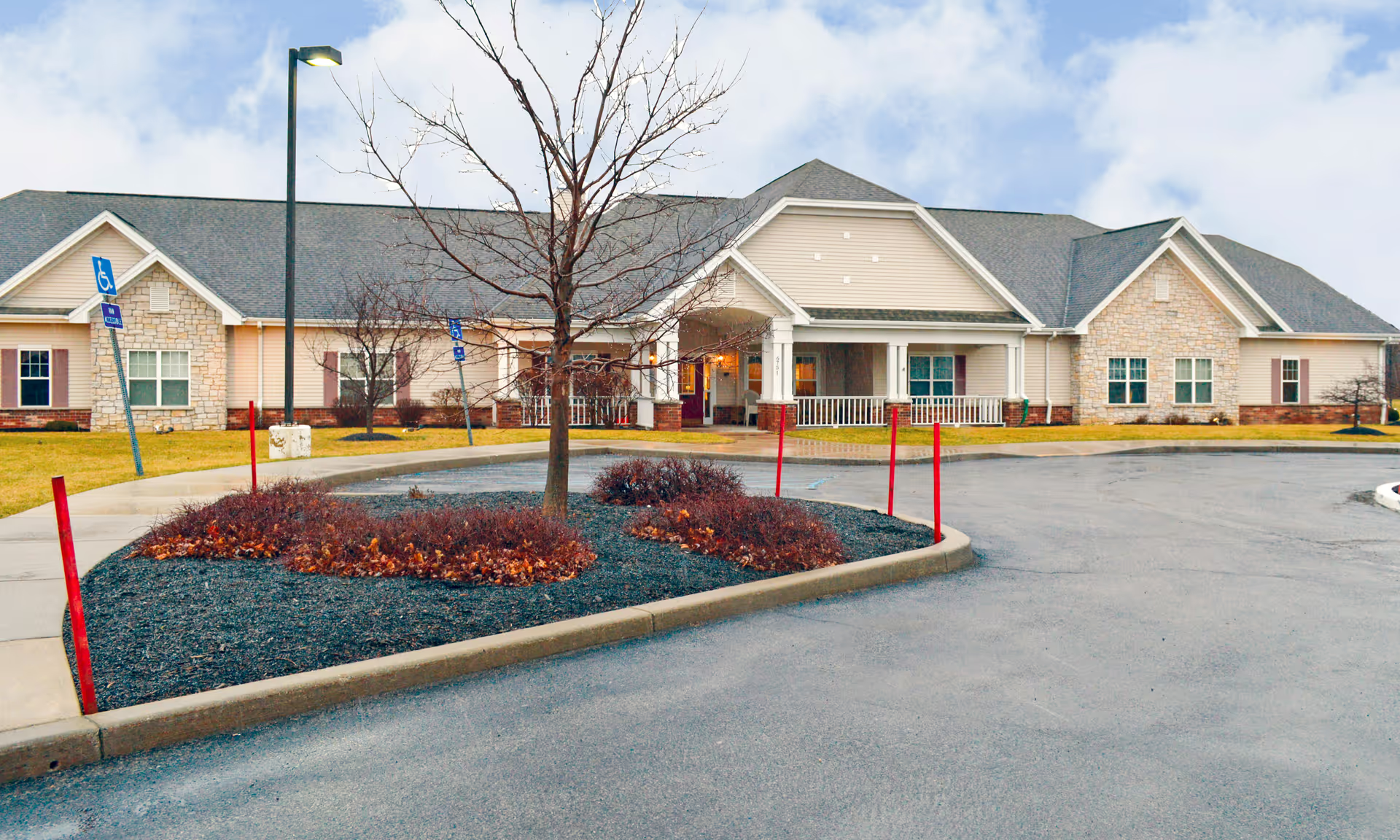
The reviews describe a polarized picture of care at this facility. Several families praised specific caregivers—notably certain nursing aides and licensed staff—who were described as attentive, approachable, and able to provide individualized attention. The building itself is described in places as modern and spacious, and rehabilitation services (PT/OT) are available at times. However, these positives coexist with multiple operational concerns that appear to affect resident safety and experience.
Care quality and clinical management emerge as prominent concerns. Reviewers cited delays in basic personal-care needs and prolonged response times to assistance requests, which contributed to wound-care and device-management problems in some cases. There are repeated references to inconsistent medication and discharge coordination, transport mix-ups, and delays that led to additional emergency care. Reports indicate variability in infection-control outcomes and timeliness of treatment; families described instances where clinical follow-up and communication with treating clinicians were difficult to obtain.
Staffing and communication are central drivers of many issues described. Multiple accounts point to chronic understaffing, especially on weekends and during certain shifts, and to high turnover among caregivers and leadership. Shift-to-shift handoff problems and poor family notification practices were frequently mentioned, as were concerns about staff conduct and responsiveness. There are also more serious claims regarding supervisory behavior and facility financial practices; these include allegations of missing items and questions about documentation practices and payroll that families found troubling.
Dining, activities, and daily services were described as inconsistent. Several families reported unacceptable meal quality or missed meal items, and some noted that special-diet requests were not consistently honored. Access to rehabilitation and therapy services appears variable—some residents received PT/OT, while others experienced long gaps since the pandemic. Laundry and property management issues were raised repeatedly, with families noting misplaced clothing or personal items and concerns about the facility’s controls for resident belongings.
Facility cleanliness and environment varied by unit. Some reviewers described clean, odor-free areas and well-maintained common spaces, while others reported sanitation and odor concerns in particular units or rooms. This variability suggests uneven adherence to housekeeping and incontinence-care protocols across the facility.
Management and organizational culture were frequent areas of concern. Families described slow or insufficient responses from leadership when escalating care or safety issues, and some cited operational decisions they perceived as prioritizing cost over care. Prospective residents and families should inquire directly about current staffing ratios, recent staffing changes, infection-control practices, handling of valuables and laundry, transfer/discharge coordination, and availability of on-site therapy. Observing mealtime and a staffed shift change, and reviewing recent inspection or complaint records, may help provide a clearer picture of current performance. Overall, while there are examples of dedicated staff and well-maintained spaces, the pattern of communication gaps, staffing instability, clinical-management inconsistencies, and property-control concerns are significant factors to evaluate before placement.