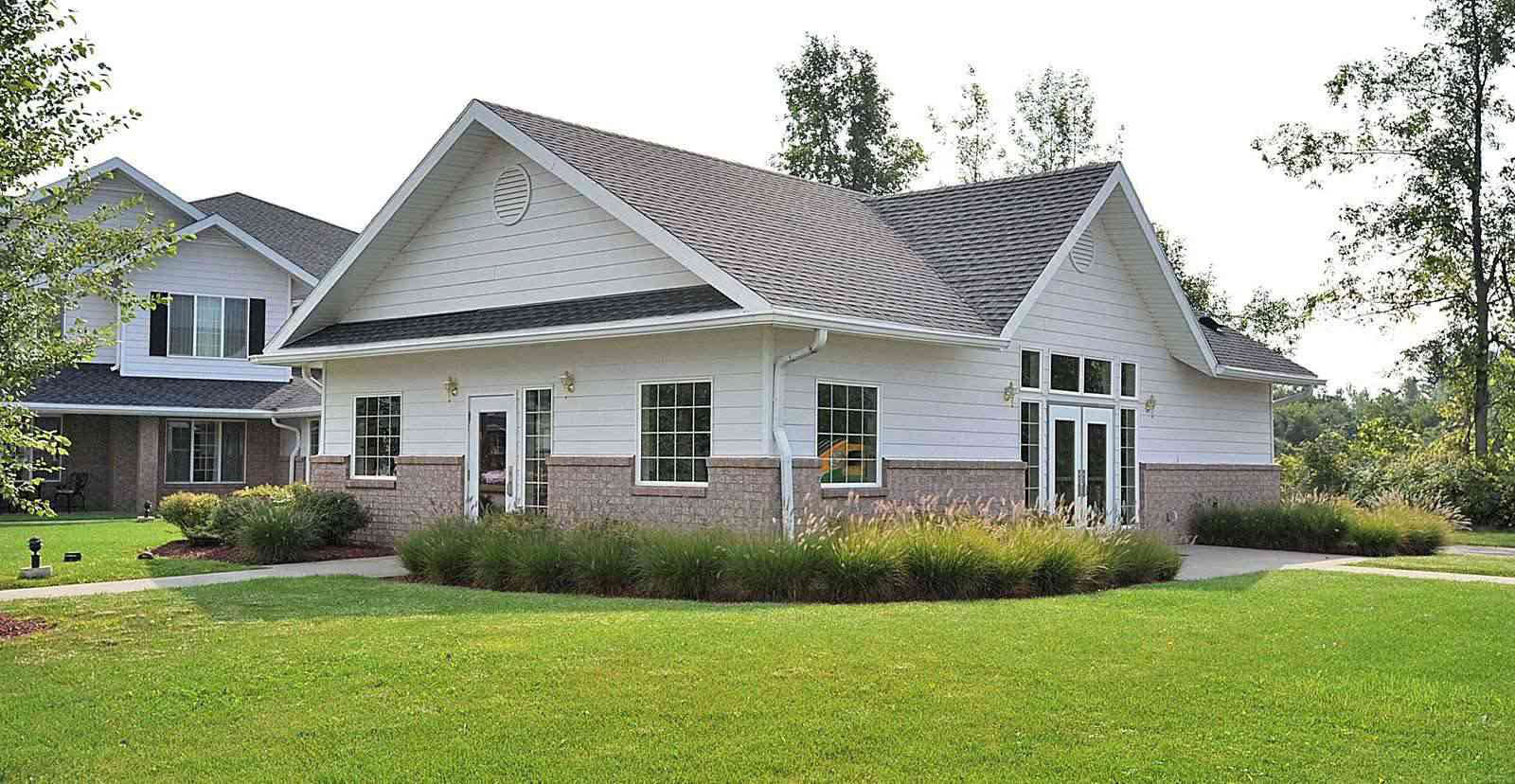
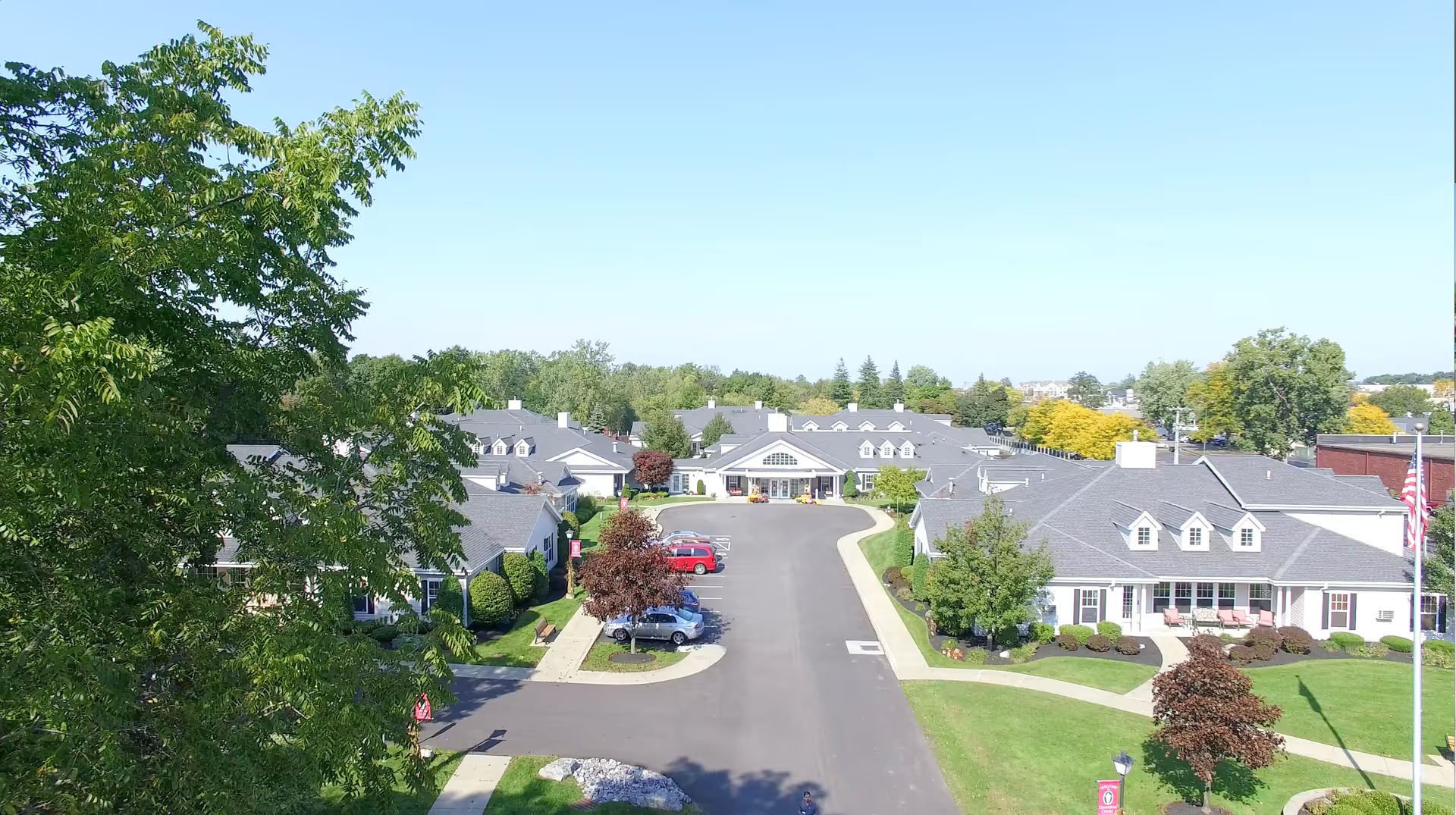
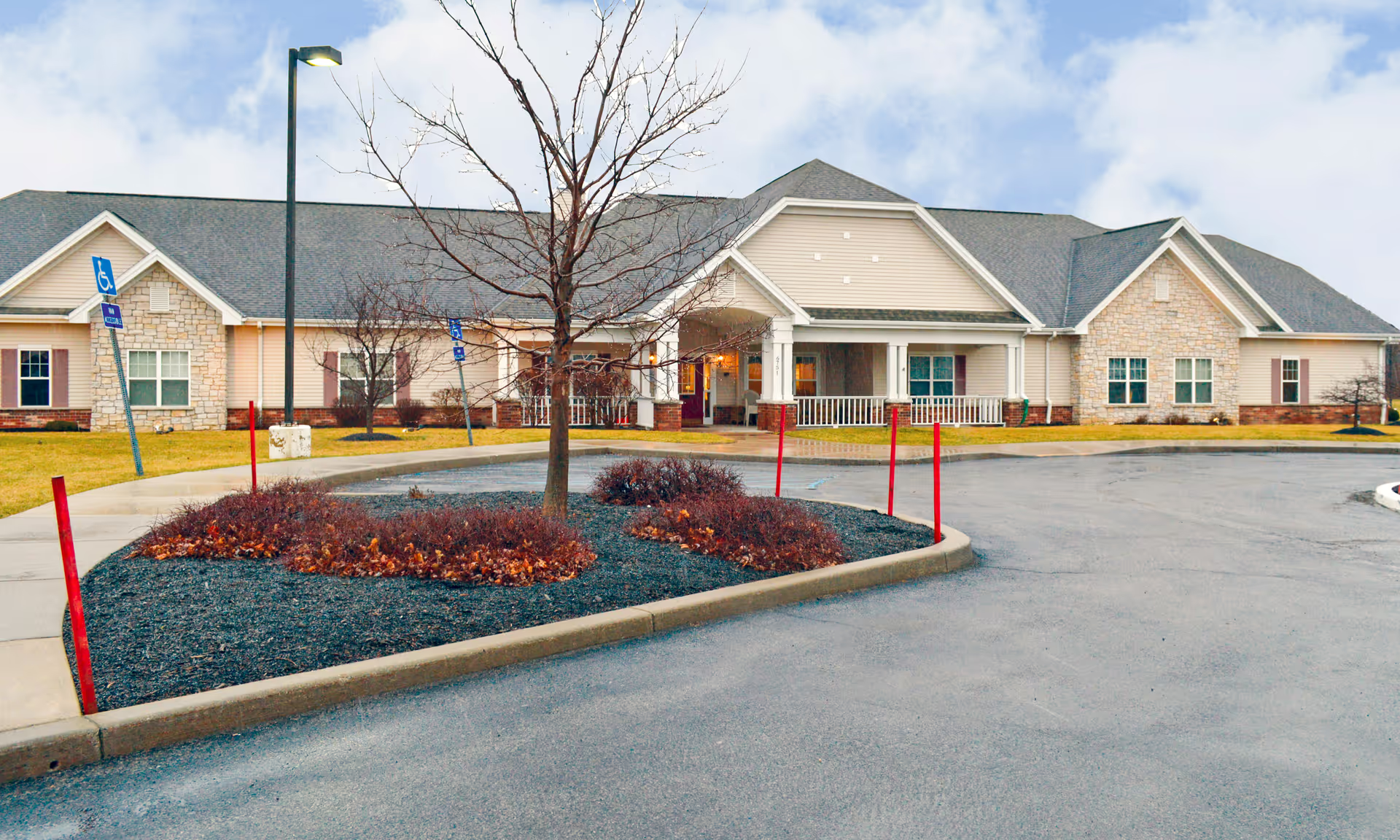
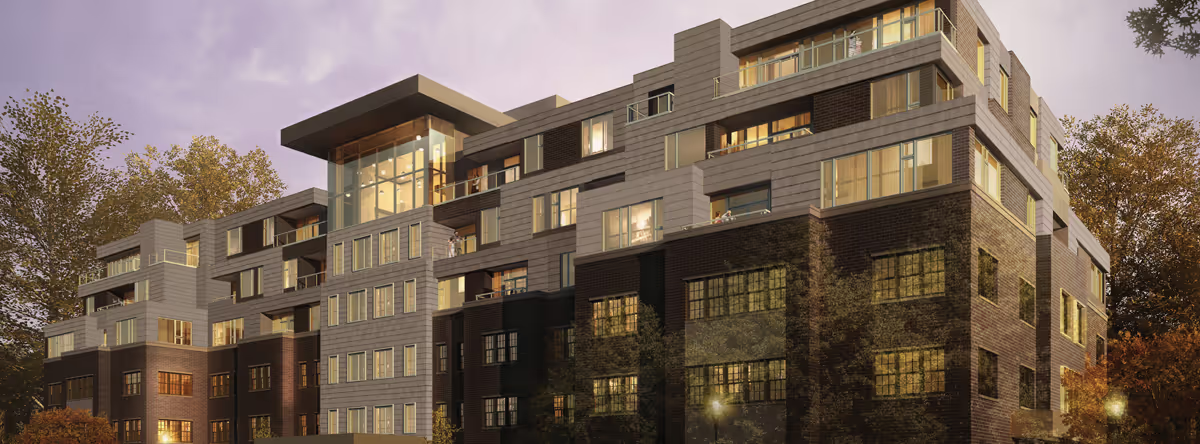
Weinberg Campus presents a mixed but clear set of strengths and operational challenges. On the positive side, the physical environment and some aspects of clinical care receive favorable mention: rooms are generally described as large and private with en-suite bathrooms, common areas are bright and well‑lit, and the campus includes outdoor garden space and abundant window views. Families frequently note a secure front-desk presence and a full-service layout offering multiple care levels, including a memory-care unit. Several reviewers commended knowledgeable nursing staff and caring direct caregivers, and recreational offerings such as music, sing-alongs, bingo, and seated exercise are available and valued by residents.
Care quality and staff conduct are an area of divergent feedback. While nursing competence and some attentive staff are cited, a recurring operational concern is inconsistency: staffing levels and responsiveness are described as variable, and families reported delays in attending to basic needs. Specific clinical-process concerns inferred from reviews include inconsistent personal-care delivery (bathing and toileting support), delays in incontinence care, and gaps in wound-care and infection-management practices. A subset of reviewers raised serious concerns about staff communication tone and responsiveness; these should prompt targeted follow-up during a tour or admissions conversation.
Dining and activities offer both strengths and limitations. Meal quality is often described as adequate, and the facility provides routine communal dining and some full-service options; however, dining staffing shortages and variability in service were noted, and some families felt the dining experience could be improved. Activity programming includes several regular offerings that support social engagement, yet a number of reviewers perceived the schedule as limited or unevenly available to certain residents.
Facility maintenance and housekeeping show contrasts. Many reviewers praised the clean, bright interior and accessible layout, but operational lapses were also described, including sanitation issues in some service and common areas and pest-control concerns on particular floors. Privacy concerns related to unit access design and a perception that the campus scale can feel institutional or overwhelming for some prospective residents were also mentioned.
Management, pricing, and admissions impressions vary. Multiple comments point to a high cost of care and limited pricing flexibility—families noted a lack of couple discounts and perceived a strong focus on financial considerations. Communication with leadership received mixed feedback: some families found administrative staff unreceptive or slow to address concerns. Given the pattern of variability across staffing, housekeeping, and some clinical processes, prospective residents and families should prioritize direct questions about staffing ratios, wound and infection protocols, housekeeping schedules, pest-control measures, visitation policies, and contract/discount options during a visit.
Overall, Weinberg Campus combines many desirable physical attributes and program offerings with operational inconsistencies that may affect residents’ daily experience. The most consistent themes to evaluate in person are staffing reliability, personal-care protocols, sanitation and pest-control practices, dining-service continuity, and management responsiveness. These targeted checks will help determine whether the campus’s strengths align with an individual resident’s care priorities and tolerance for variability.