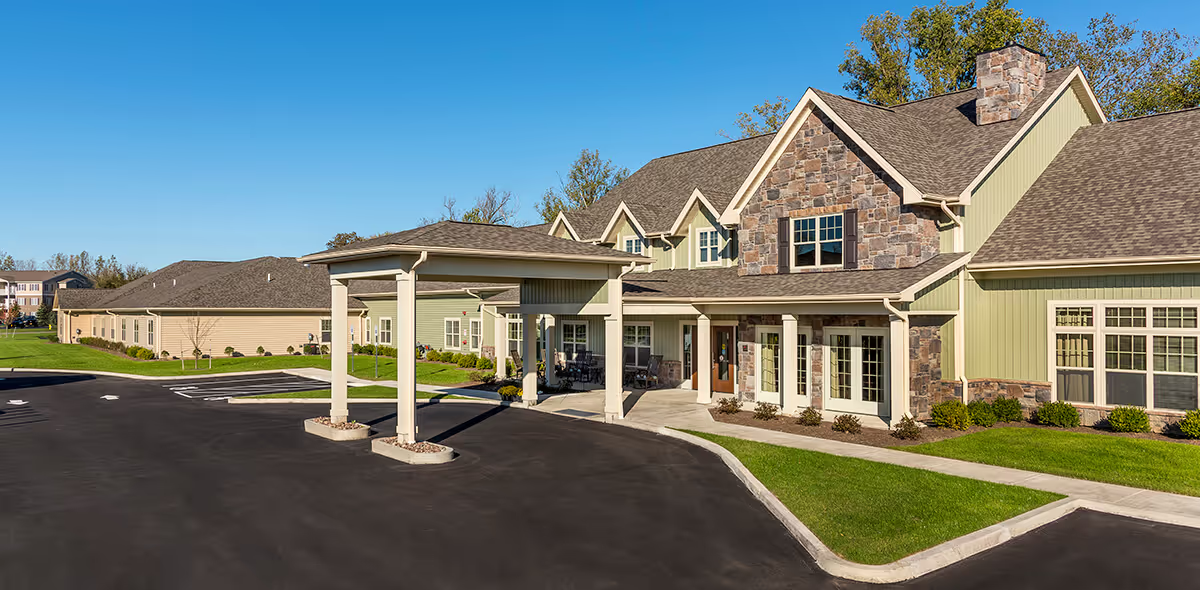
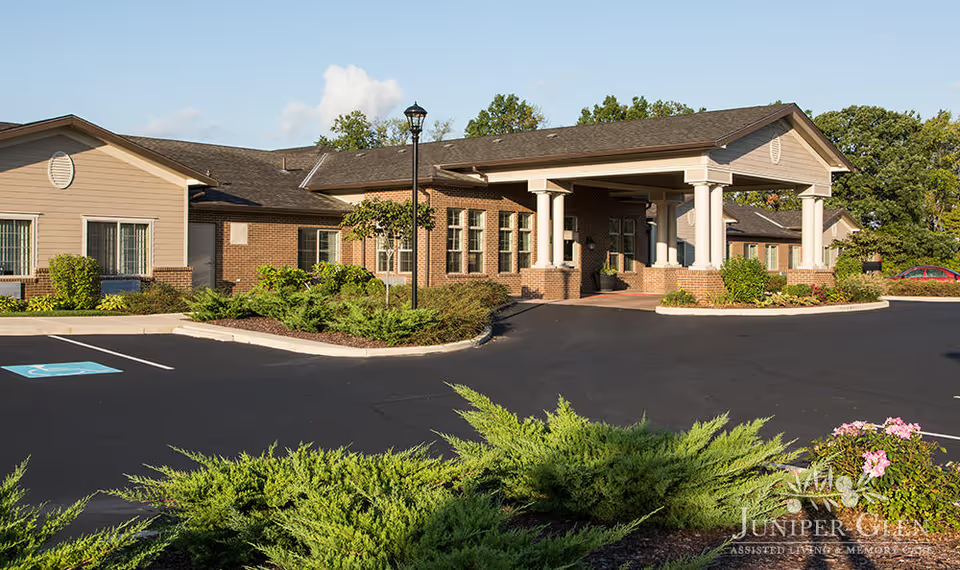
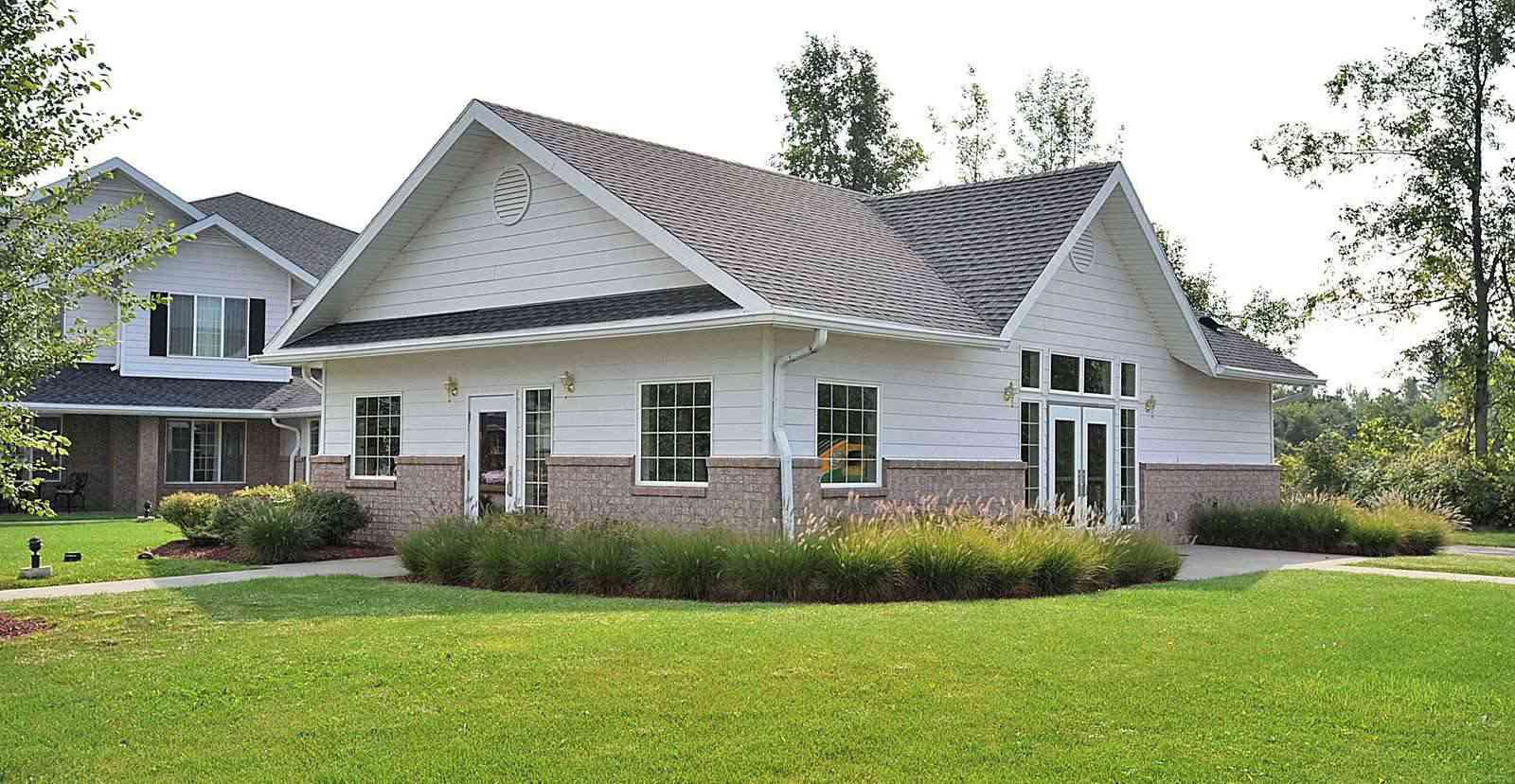
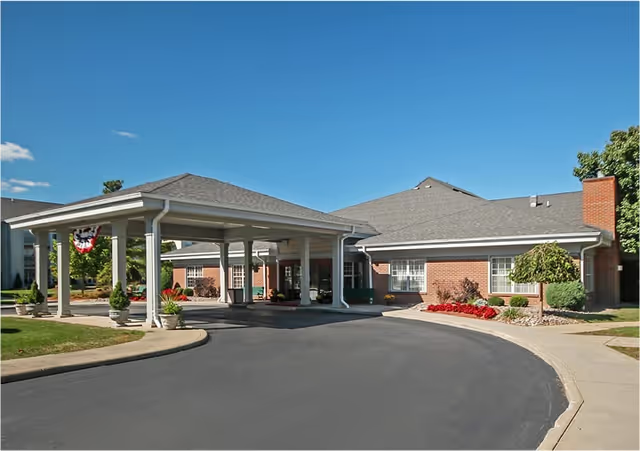
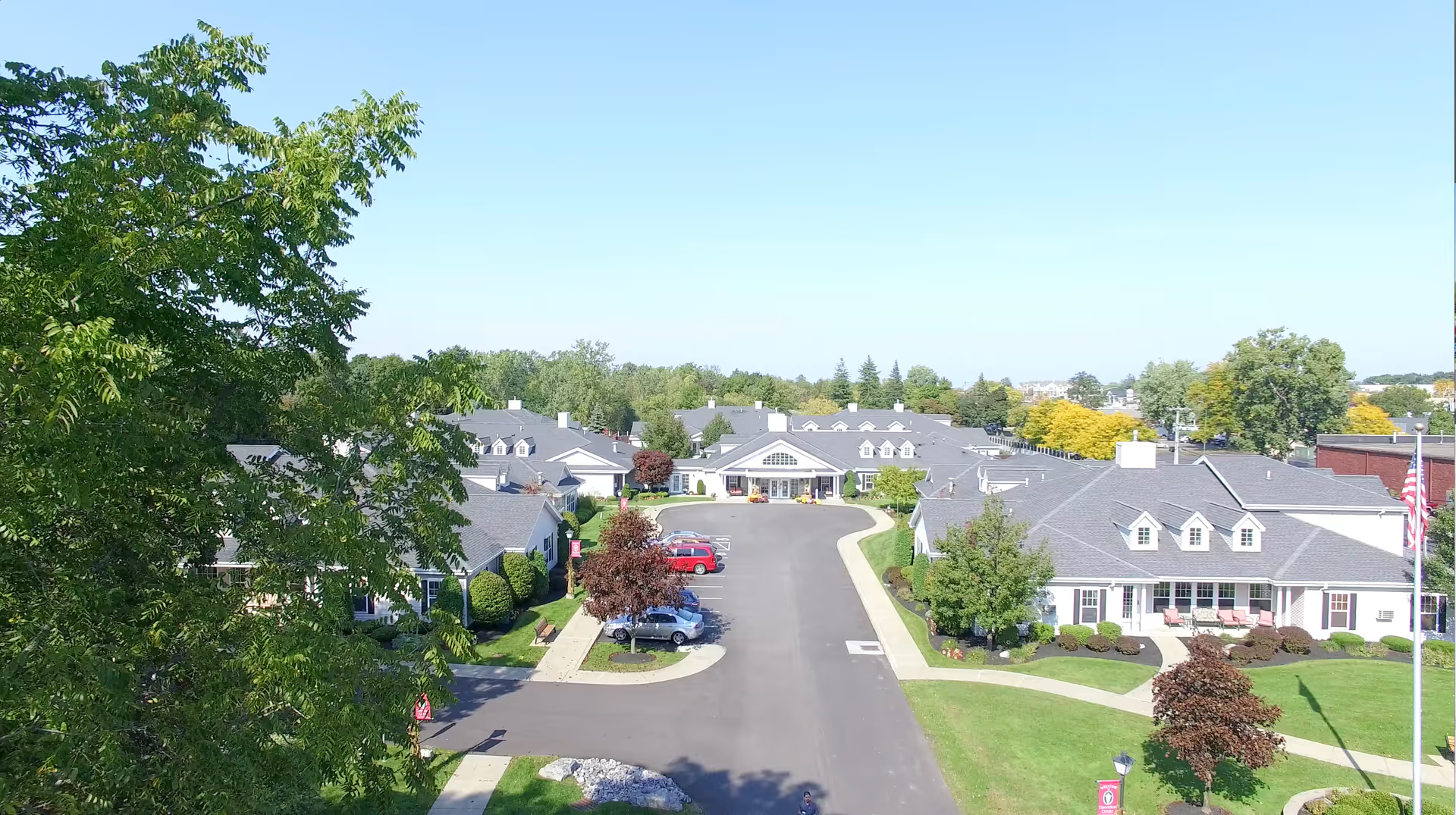
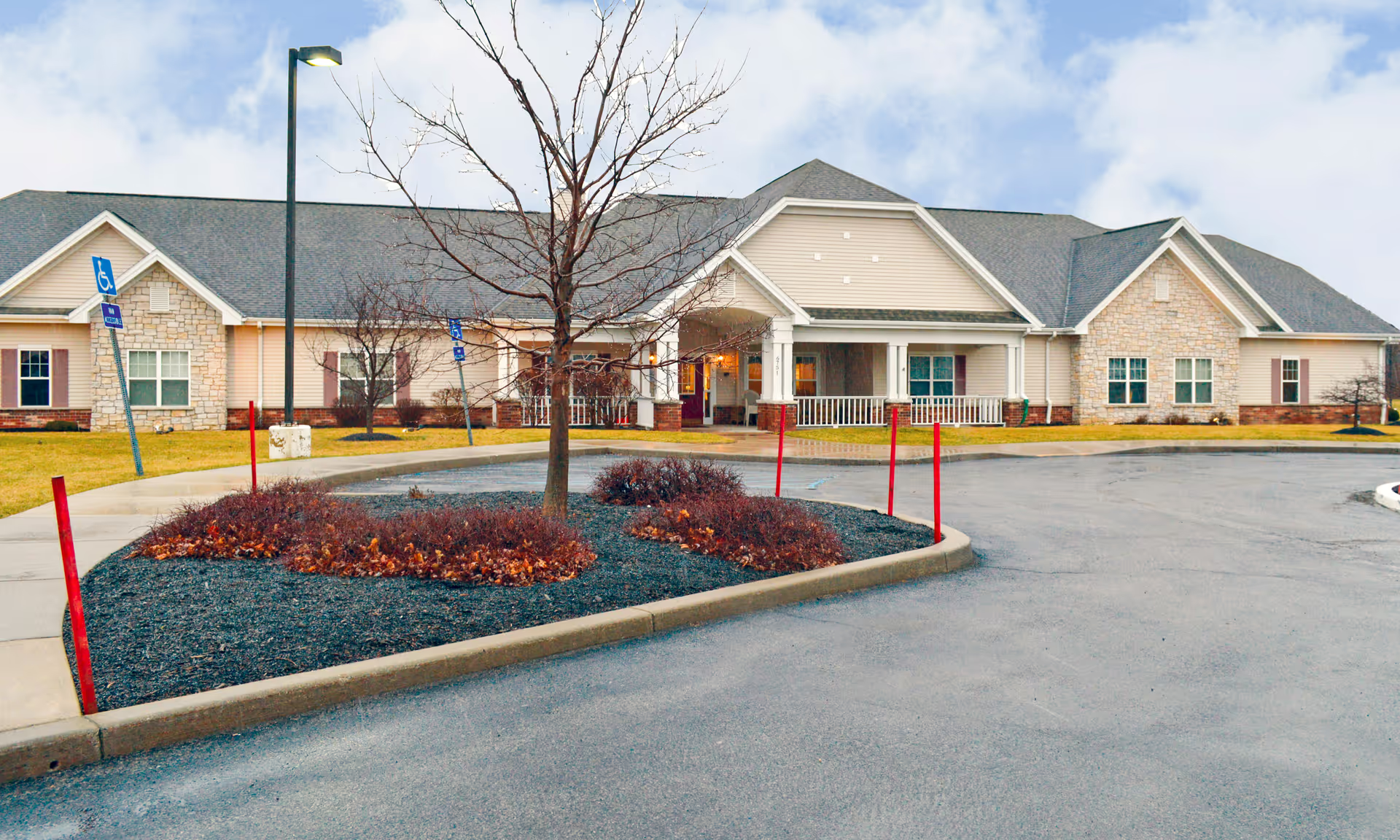
Weinberg Garden House presents as a full-service senior community with several clear strengths alongside recurring operational concerns. The campus and buildings are frequently described as attractive, recently updated, and well maintained; common areas are bright with plentiful windows and pleasant grounds. The community offers a broad continuum of care—independent apartments through assisted living, memory care, and skilled nursing—which supports continuity for residents who progress to higher-acuity needs. Organized transportation and a variety of social activities are available, and the facility accepts Medicaid, which can be important for long-term planning.
Staff behavior is a notable strength for many families: multiple accounts highlight kind, accommodating employees who make time for visitors and support family involvement. Several reviews describe positive transitions between levels of care and examples of helpfulness to out-of-town relatives. At the same time, there is meaningful variability in clinical care quality; concerns are most pronounced at the nursing and aide level, and some families report delays and uneven responsiveness to care needs. This produces a polarized impression where some residents receive excellent, attentive care while others experience lapses in routine assistance.
Dining and programming show similar mixed patterns. The activity program includes musical events, card games, and outings, and many residents appear engaged; however, others describe the daytime offerings as sedentary and limited in variety. Meal-service issues include complaints about food temperature, inconsistent quality, and gaps in beverage availability during morning service. These operational inconsistencies extend into unit-level differences: apartment size and layout vary, and some units lack kitchenettes, which affects residents who want more independence in meals.
Concerns about personal-care practices and resident autonomy recur in several summaries. Specific descriptions point to incontinence-care concerns and assistance practices perceived as intrusive, as well as disciplinary or rule-enforcement actions that families felt limited residents’ independence. Management responsiveness and follow-through on complaints are also described as inconsistent; some families indicate that reported problems were not satisfactorily addressed.
In sum, Weinberg Garden House offers strong campus amenities, an extensive care continuum, and many staff who are praised for their compassion and flexibility. Prospective residents and families should weigh those positives against variability in clinical staffing and day-to-day operations—especially dining service, personal-assistance practices, and complaint resolution. When evaluating the community, it is advisable to observe meal service and activity periods, ask about staffing ratios and aide training, review memory-care protocols, and clarify formal policies on resident autonomy and grievance escalation to determine whether the facility’s practices match the prospective resident’s needs and expectations.