These review summaries present a consistently positive picture of the placement service and the affiliated assisted‑living and memory‑care communities. The dominant themes are professional, empathetic advisory support and high family satisfaction with initial placement outcomes. Reviewers emphasize an advisor model that combines dementia expertise, fiduciary-style guidance, and hands-on coordination; that combination appears to accelerate placement and reduce family stress during what families describe as a difficult decision-making period.
Care quality as presented in the summaries is characterized primarily by competency in memory care and by attention to individualized placement matching. Summaries highlight advisors who understand medical and behavioral needs, who can narrow options based on cognitive status, and who facilitate transitions into memory-care settings. Families cite advocacy on behalf of residents and assistance with benefits and vouchers as important contributors to successful placement. There is limited direct commentary on long-term clinical outcomes or ongoing care metrics in the excerpts, so prospective families should seek facility-level clinical indicators (staffing ratios, clinical oversight, medication-management protocols) during their own evaluations.
Staff behavior and interpersonal interactions are among the strongest and most repeatedly noted strengths. Descriptors used across the summaries include compassionate, patient, calm, knowledgeable, responsive, and non‑pushy. Advisors and facility staff are credited with attentive listening, clear communication, practical advice, and emotional support. These qualities are presented as materially reducing caregiver burden and helping families feel confident about placements.
Specific references to dining and activity programming are sparse. A few summaries mention clean, spacious, and well‑thought facility layouts, and several note professional and attentive staff; however, there is limited detail about menu variety, dietary accommodations, structured activity schedules, or participation rates. Prospective residents and families should request sample menus, meal-service schedules, dietary‑accommodation policies, and an activities calendar when touring facilities to supplement the placement advisor’s recommendations.
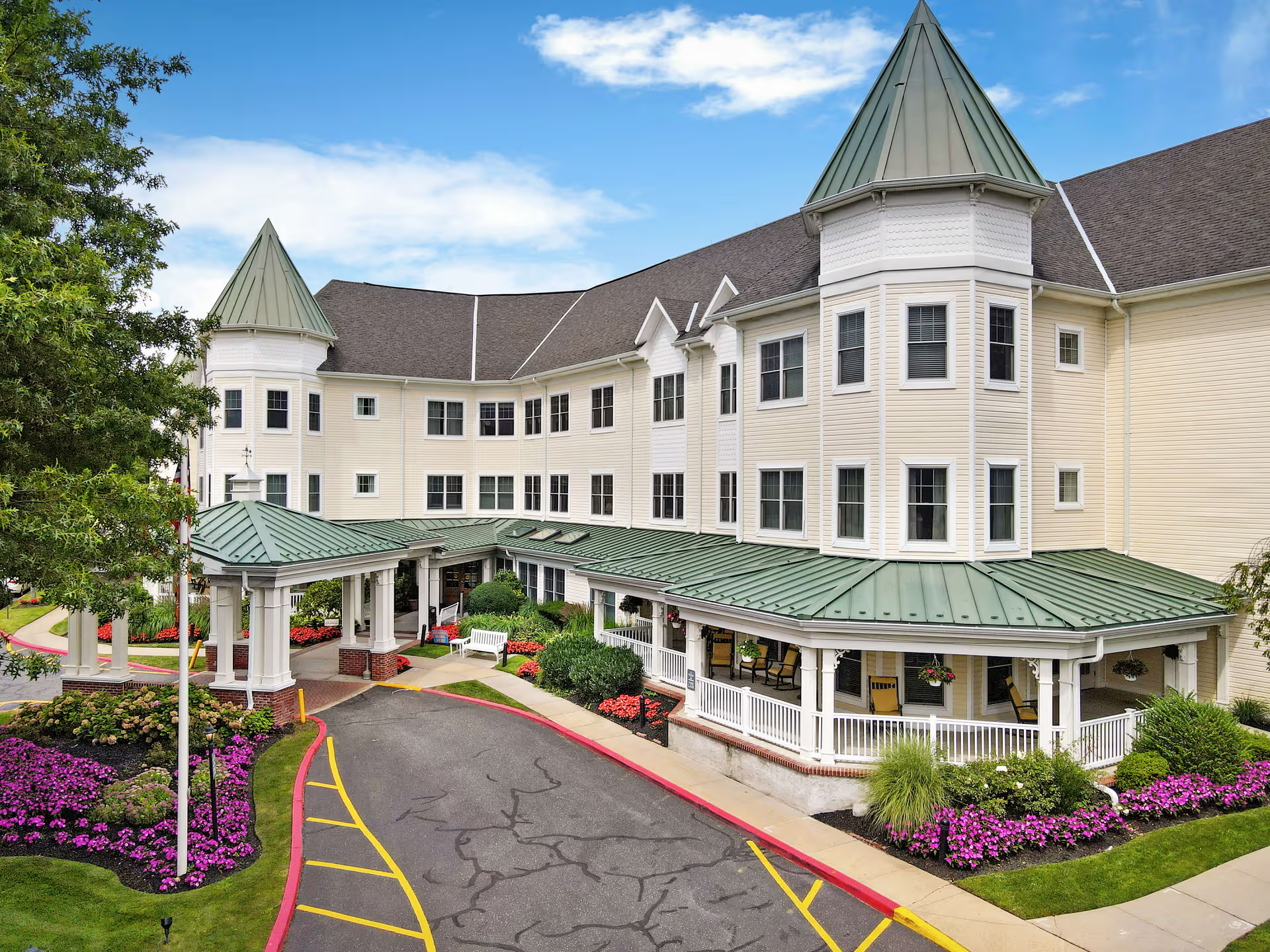
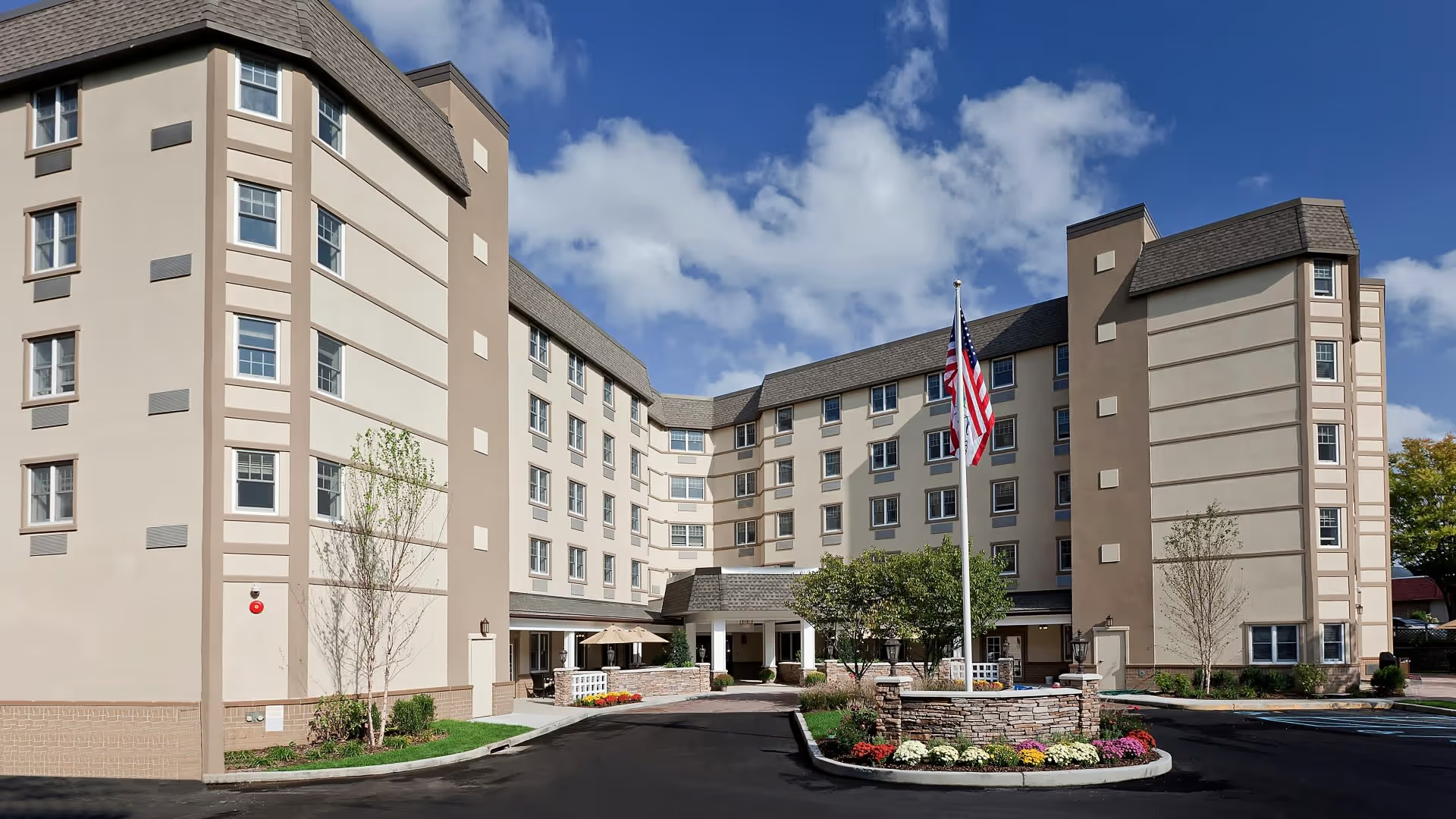
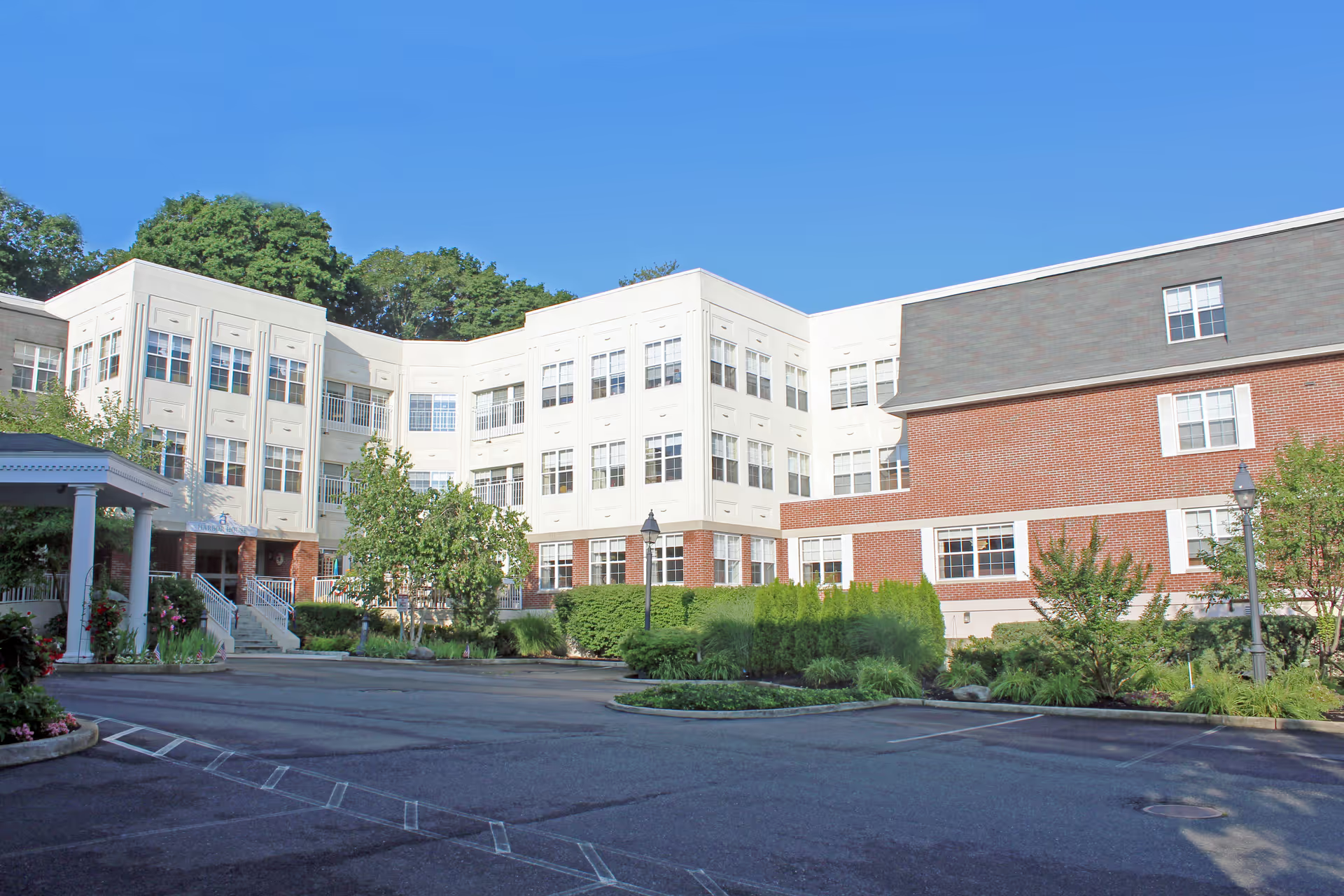
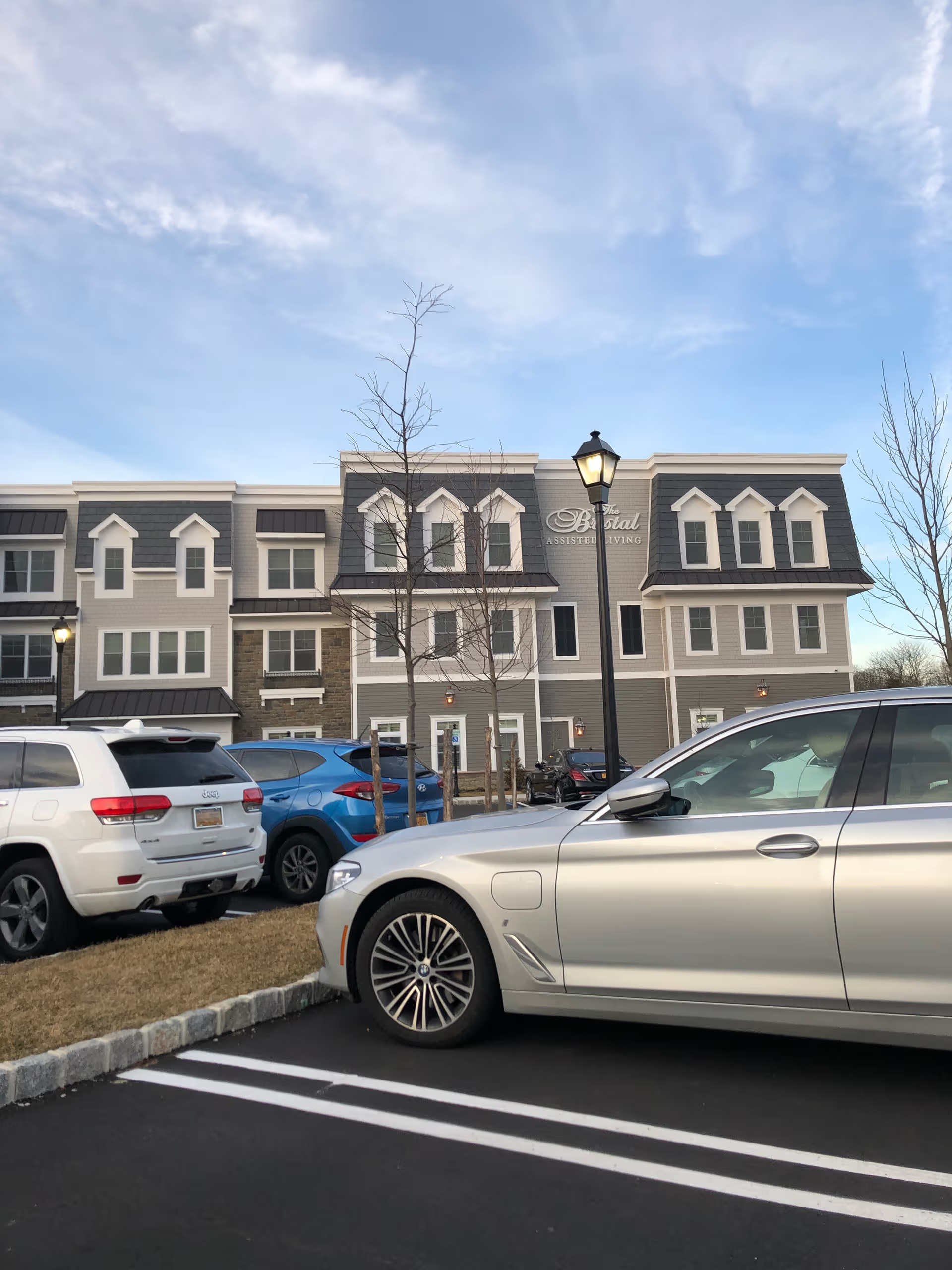
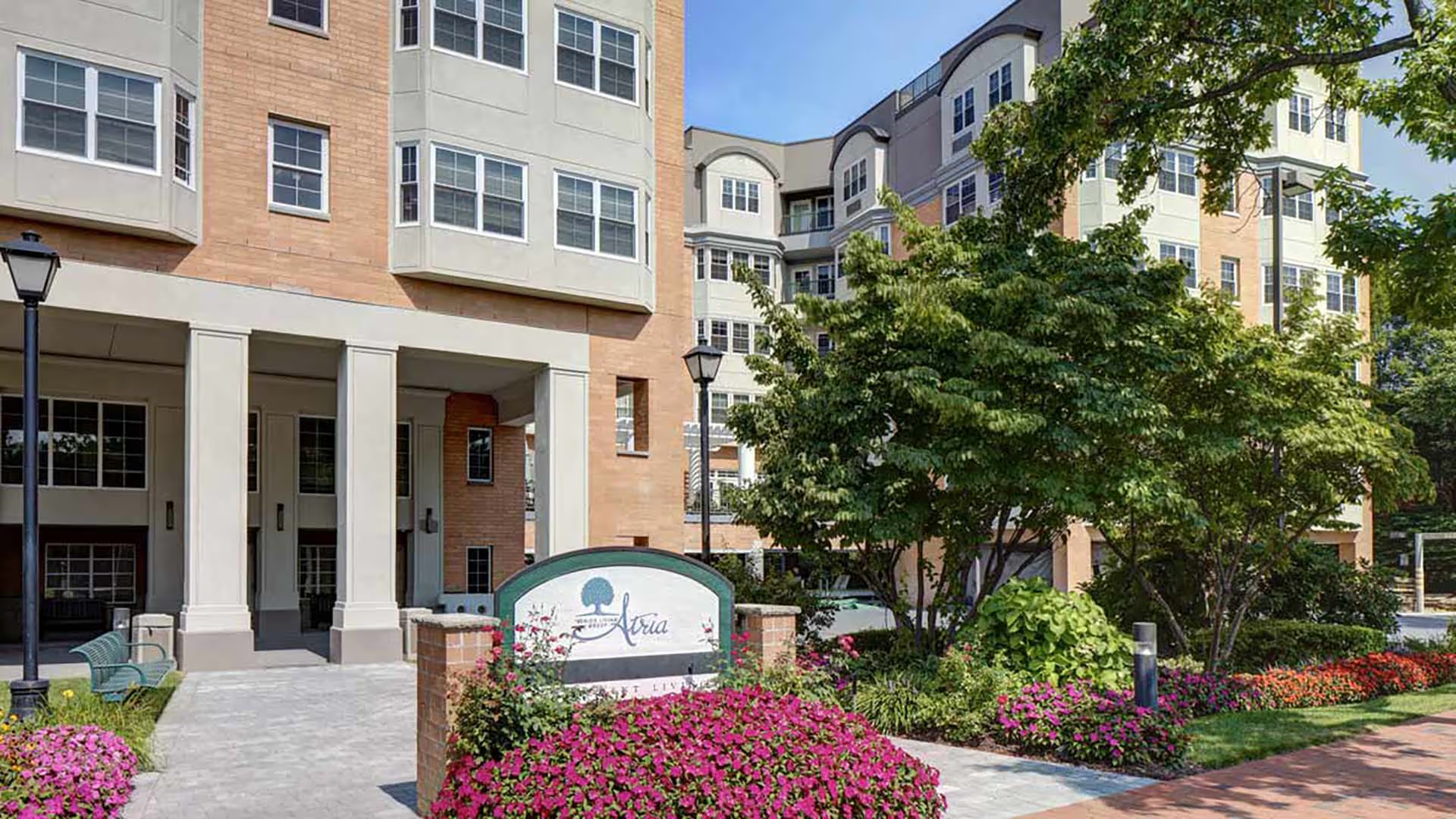
Facilities are described as clean, spacious, and well organized, with helpful coordination for tours and interviews. Management and service delivery emphasize transparent cost discussions, budget‑sensitive recommendations, and a client‑first, fiduciary orientation from the advising service. Logistics coordination—scheduling tours, arranging interviews, securing vouchers, and guiding timelines—receives repeated praise. That operational model appears efficient, but it also creates a degree of dependence on the individual advisor as the central facilitator.
Notable patterns and practical considerations: the summaries consistently highlight the value of a knowledgeable placement agent and suggest that the advisor often serves as the main point of continuity between families and facilities. While that is a strength, families should confirm continuity plans in case the primary advisor or liaison changes and verify what post‑placement follow‑up the facility itself provides versus follow‑up handled by the placement service. In addition, because dining and activity details are not well documented in the summaries, those are reasonable areas to probe directly with facilities.
Overall, the material indicates a high level of satisfaction with placement processes, advisor expertise (particularly in dementia care), and initial impressions of facility environments and staff interactions. For a fuller operational assessment, prospective residents should request concrete, facility‑level information on staffing ratios, clinical oversight, medication management, meal service specifics, and formal activity programming during tours and follow‑up conversations.