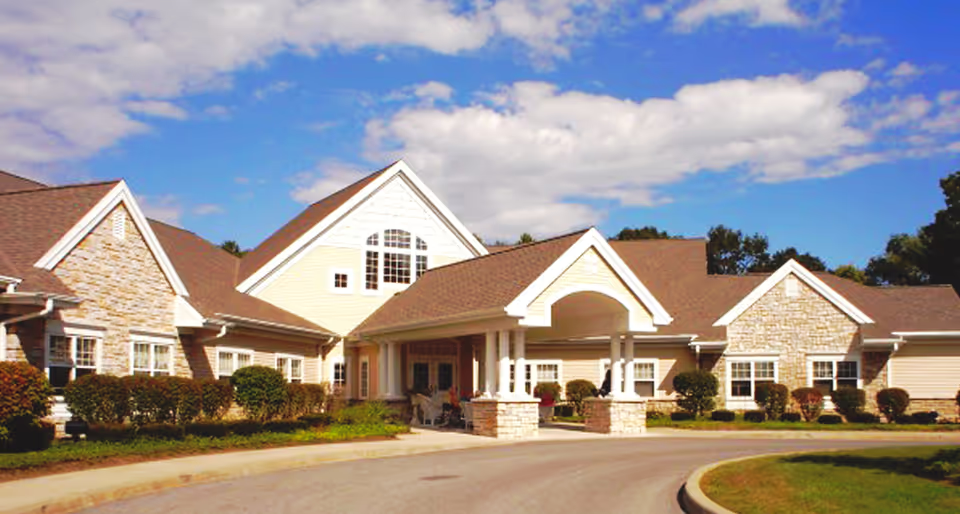
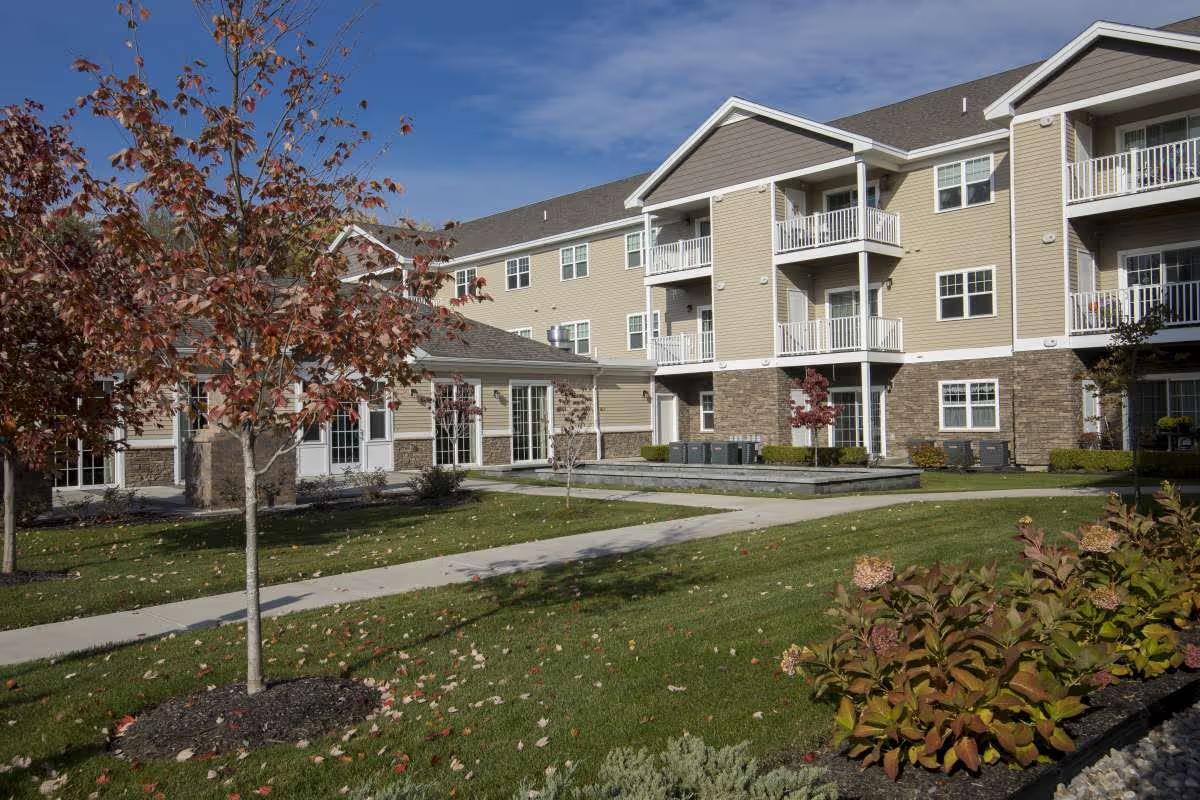
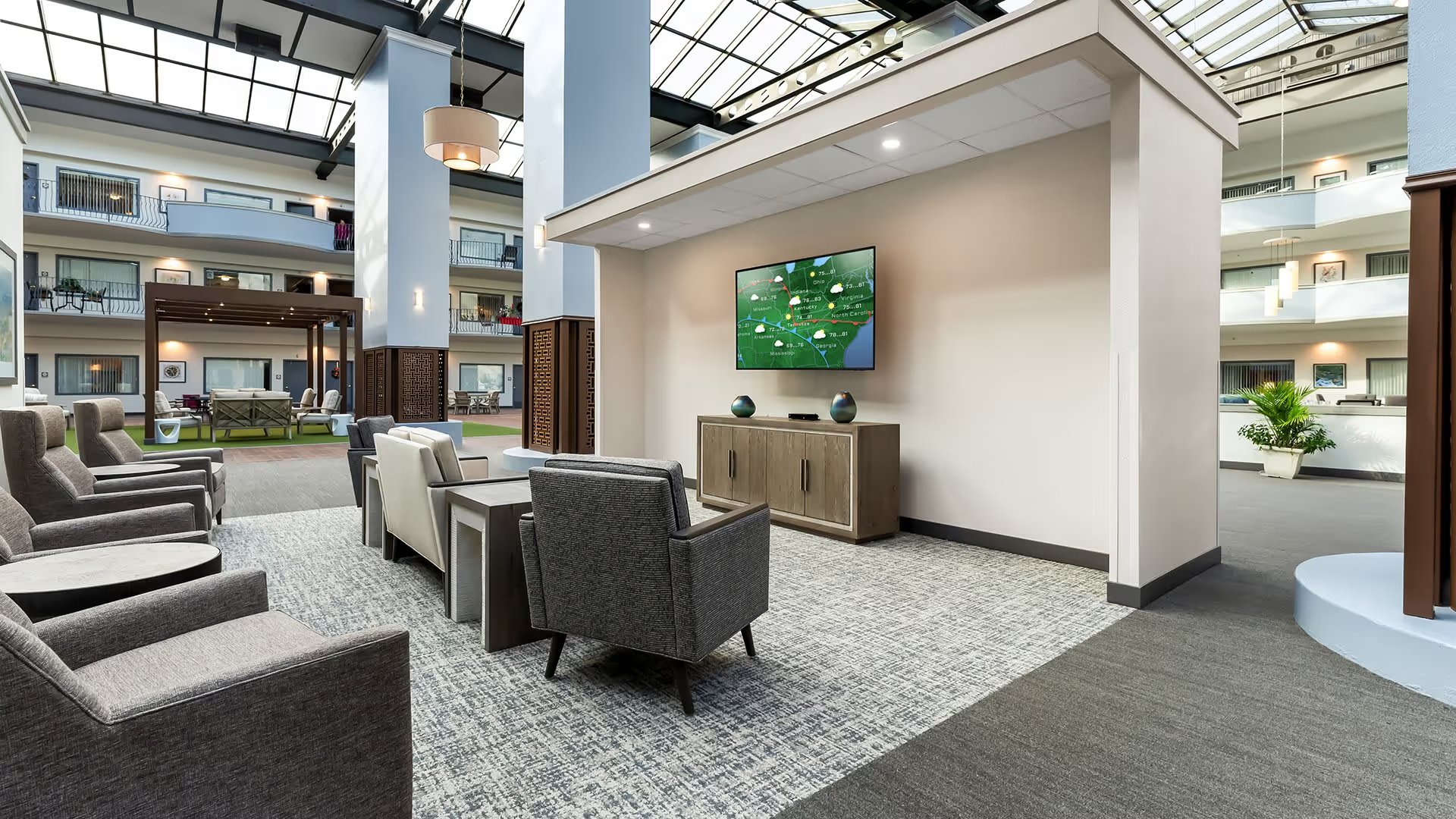
The reviews present a strongly mixed picture of Glens Falls Center. Many families and clinicians praise the facility’s rehabilitation services and therapy teams, describing measurable progress in mobility and successful short-term rehab outcomes. Multiple reviewers also highlighted compassionate, long-tenured frontline caregivers, supportive admissions and front-desk staff, and a robust social calendar — events such as dances, holiday activities, and regular programming were frequently cited as meaningful quality-of-life contributors. Several comments indicate that some common areas have been renovated and that the facility can be welcoming and well-maintained in parts.
At the same time, recurring operational concerns appear across the feedback. Staffing inconsistency and scheduling gaps were frequently associated with delayed responses to call signals and missed or delayed personal-care tasks. Reviewers described problems with wound and skin-care practices and with incontinence-care supplies and timeliness; together these point to gaps in basic nursing and personal-care processes. Medication management was another prominent theme, with accounts of dosing and refill inconsistencies and delays that suggest the need for stronger medication-administration controls and pharmacy coordination.
Communication and care-coordination practices receive mixed assessments. While some families praised the social worker and coordinative efforts (including assistance with VA benefits and transportation), others reported poor notification about clinical events, limited physician engagement, and unclear or delayed discharge and documentation processes. Several reviewers raised concerns about sanitation, infection-control practices, and safety hazards in portions of the building; these reports contrast with other accounts of clean, bright areas, indicating variability by unit or shift. There are also multiple mentions of mismanagement of personal items and discharge procedures, including boxed belongings and transfer coordination problems, which suggests opportunities to standardize inventory and transitions.
Dining and ancillary services show similar variability. Some families described kitchen pride, cooked-to-order breakfasts, and enjoyable meal experiences; others reported repetitive menus, cold or poorly presented meals, and interruptions to drink service. The facility’s activity and therapy offerings are a consistent highlight, but coverage and quality of nursing care — especially during evenings and night shifts — were cited as uneven. Leadership and management evaluations were polarized: several reviewers noted recent improvements under new administrators and strong on-floor leadership, while others criticized higher-level oversight, staff treatment, and perceived prioritization of operational or financial goals over consistent bedside practices.
For prospective residents and families, the pattern points to a facility with strong rehabilitation capabilities and a core of committed staff, coupled with operational and consistency challenges that affect clinical care, sanitation, and communication. Recommended areas to assess during a visit include unit staffing levels by shift, wound- and incontinence-care protocols, medication-administration and pharmacy processes, documentation and discharge procedures, infection-control practices, and sample meal service. Reviewing recent state inspection reports and asking about recent leadership or quality-improvement initiatives may help clarify whether previously noted issues have been addressed.