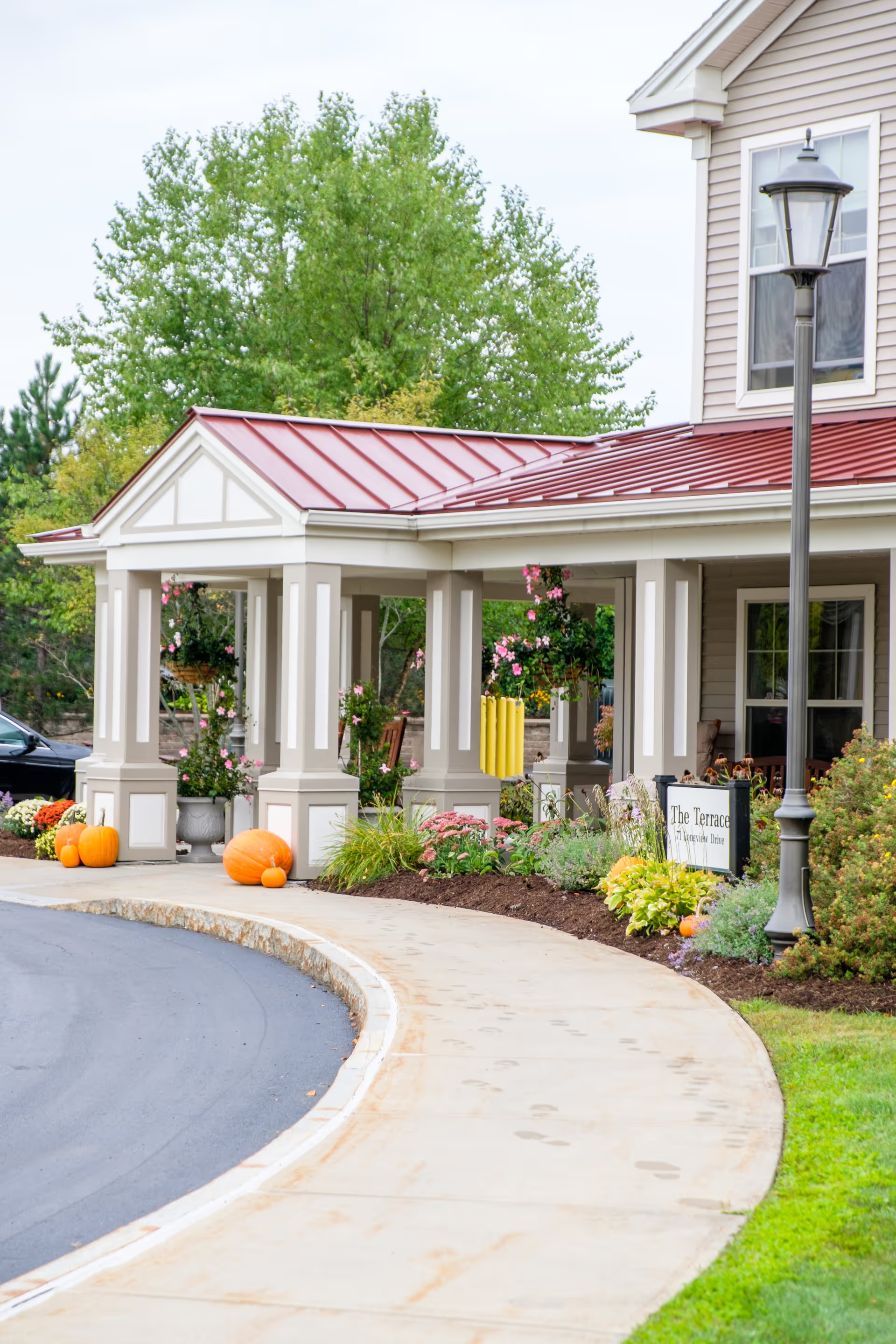
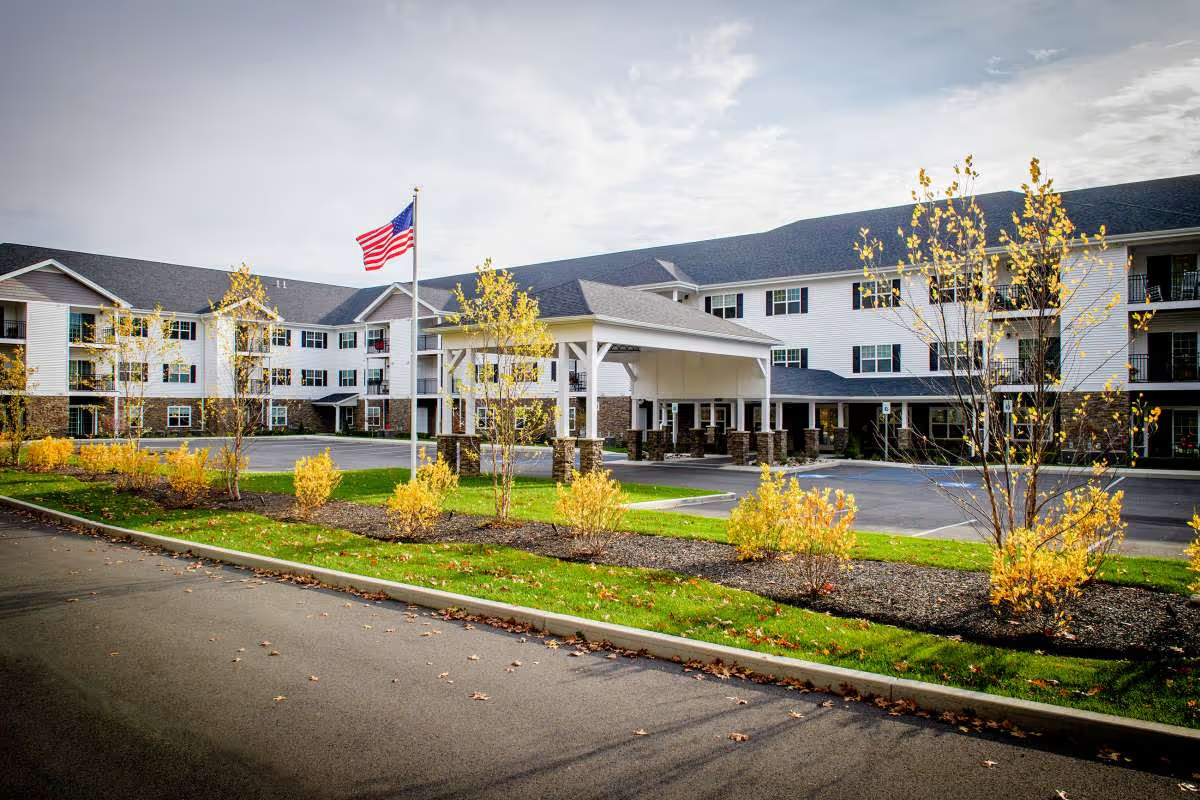
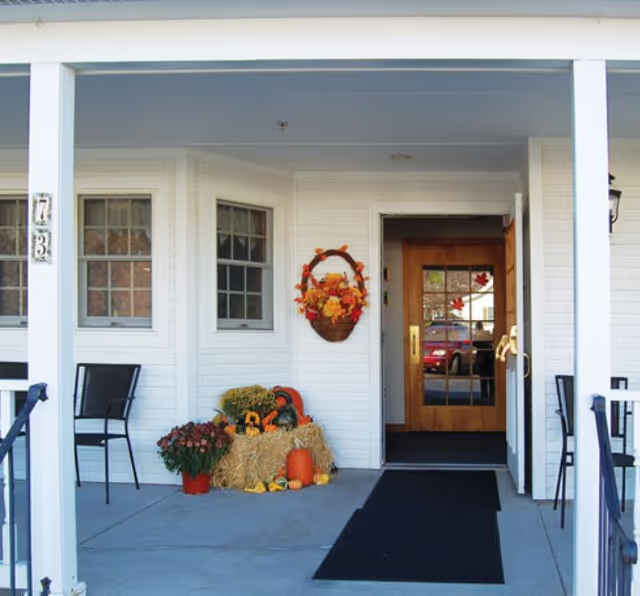
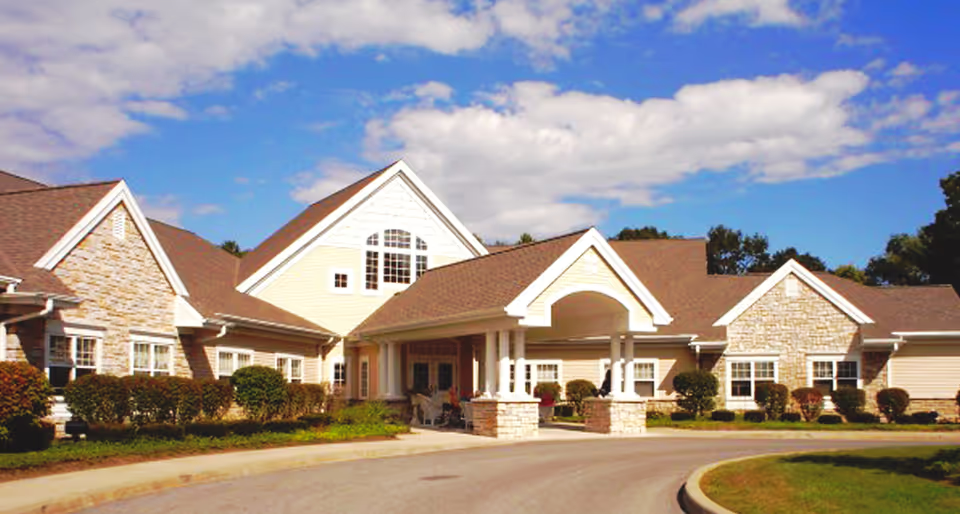
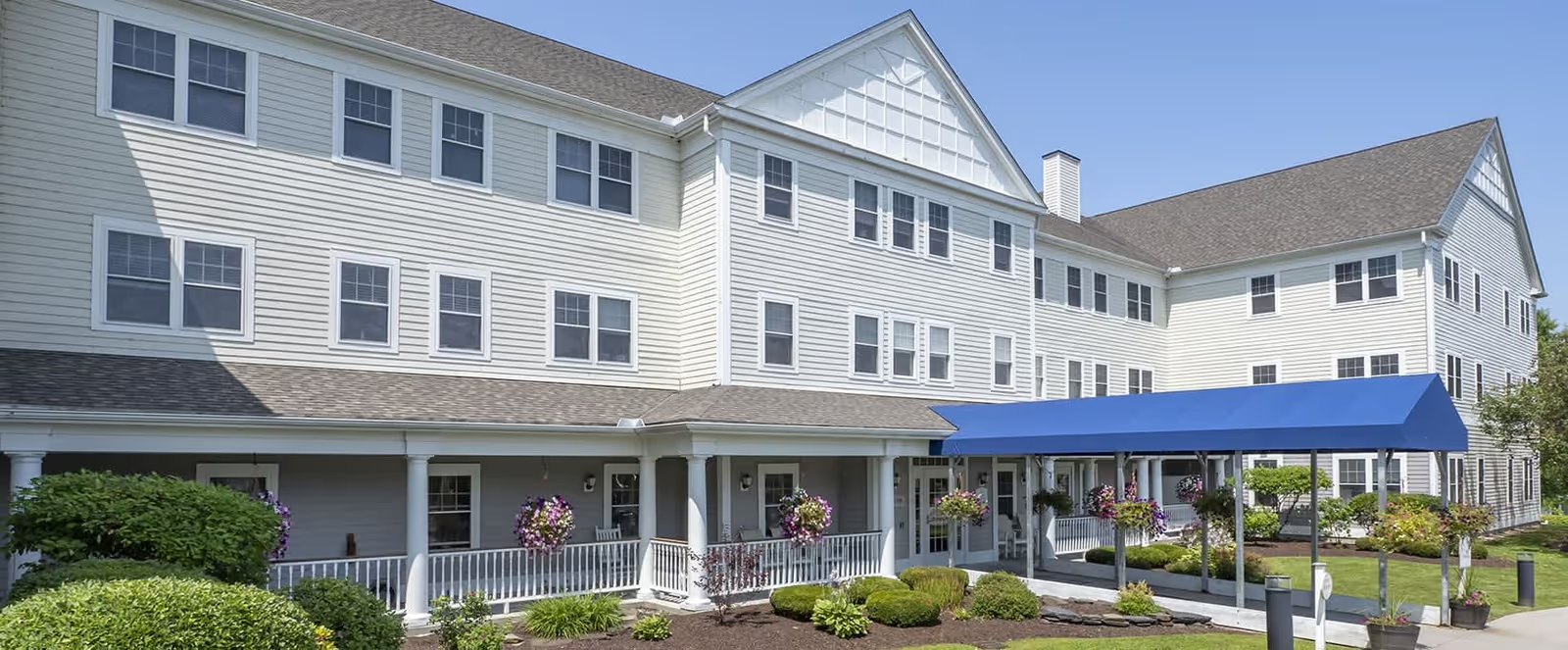
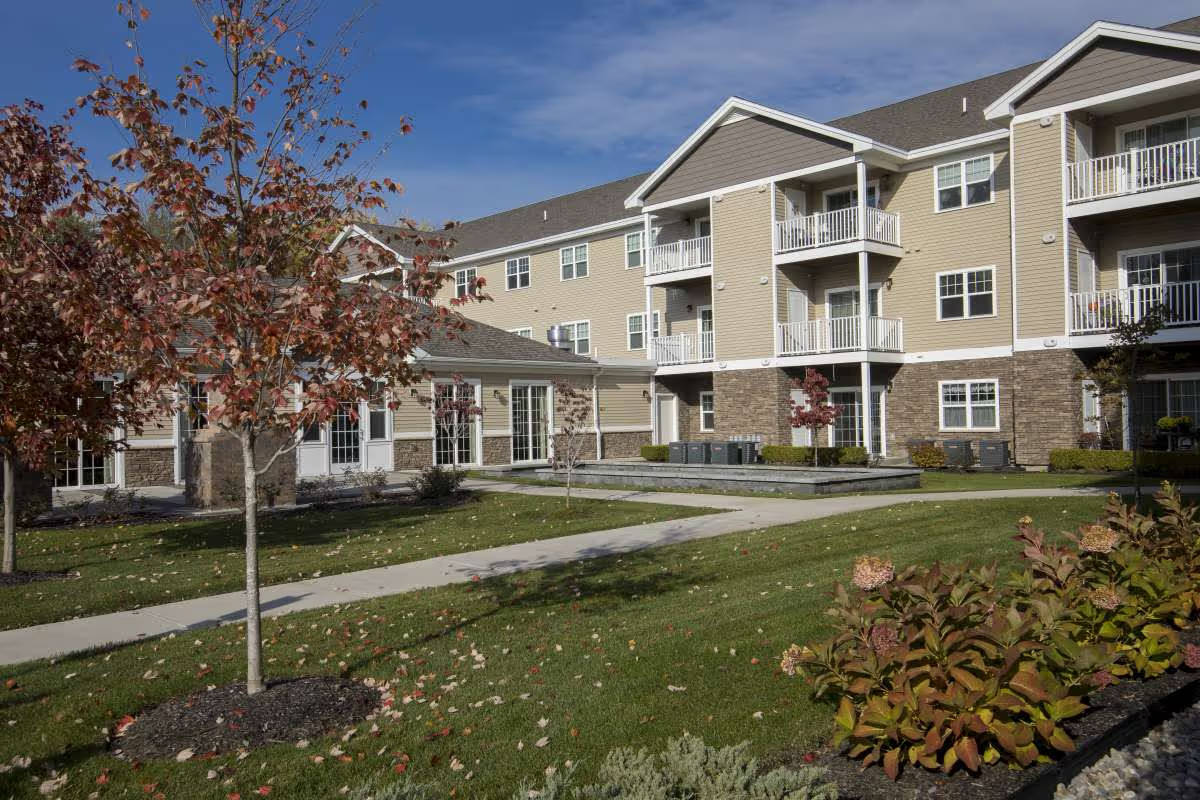
Reviews for The Pines at Glens Falls present a mixed picture with consistent strengths in rehabilitation services and many positive accounts of individual staff members, alongside recurring operational concerns that families should weigh carefully. The facility receives frequent praise for its physical and occupational therapy program, individualized rehab plans, goal-oriented progress tracking, and several staff who are described as compassionate, attentive, and helpful—particularly reception and therapy teams. Multiple reviewers commented favorably on the facility’s cleanliness in many areas, pleasant common spaces, convenient layout, and an efficient admission/sign-in process.
Clinical care perceptions diverge. Positive comments emphasize attentive routine nursing and aide care, supportive end-of-life interactions, and timely therapy interventions. Conversely, a substantial pattern of concerns centers on clinical oversight: inconsistent medication administration, delays in diagnostics and imaging, wound- and skin-care management gaps, and safety-practice weaknesses related to fall prevention and transfers. A small number of serious allegations concerning clinical incidents and end-of-life coordination were described; these underscore the importance of verifying clinical controls and outcomes directly with the facility.
Operational and staffing issues recur across reviews. Many families reported slow call-bell responses and delays in toileting and bathing assistance, which reviewers linked to understaffing and variable coverage across shifts. Reviewers also frequently noted gaps in shift-to-shift communication and documentation, which contributed to perceived discontinuities in care and missed or delayed follow-up. Discharge planning and coordination with outside providers or imaging services were described as inconsistent, sometimes prolonging transitions back home or to other settings.
Dining, housekeeping, and environment comments are mixed. Several reviewers praised the food and nutrition support, while others experienced inconsistent meal quality, missing menu items, or problems with meal-service continuity. Cleanliness and housekeeping were commended in many reports, but there are also comments indicating sanitation variability and occasional pest-control concerns in particular areas. Recreational offerings and social activities receive generally positive mentions, though some reviewers note limited weekend therapy availability and modest room sizes.
Management and family communication show variability. Positive experiences highlight approachable reception staff and occasions of supportive administration; negative accounts point to inconsistent management responsiveness, perceived lapses in professional tone, and difficulties obtaining timely access to medical records or clear updates. Infection-control and PPE adherence during the pandemic was also described as inconsistent by some, and staff training/orientation was identified as an area needing reinforcement.
Bottom line: The Pines appears to offer a capable rehabilitation program and numerous staff who provide compassionate, resident-focused care, making it an appropriate option for short-term rehab for many patients. At the same time, recurring themes—understaffing, slow response times for personal care, medication- and wound-care inconsistencies, and variable management communication—represent operational risks that prospective residents and families should evaluate. Recommended actions for decision-making include an on-site visit during a mealtime and therapy session, direct questions about staffing ratios and average call-bell response times, review of medication- and wound-care protocols, clarification of discharge-planning procedures, and speaking with current families when possible to get up-to-date perspectives.