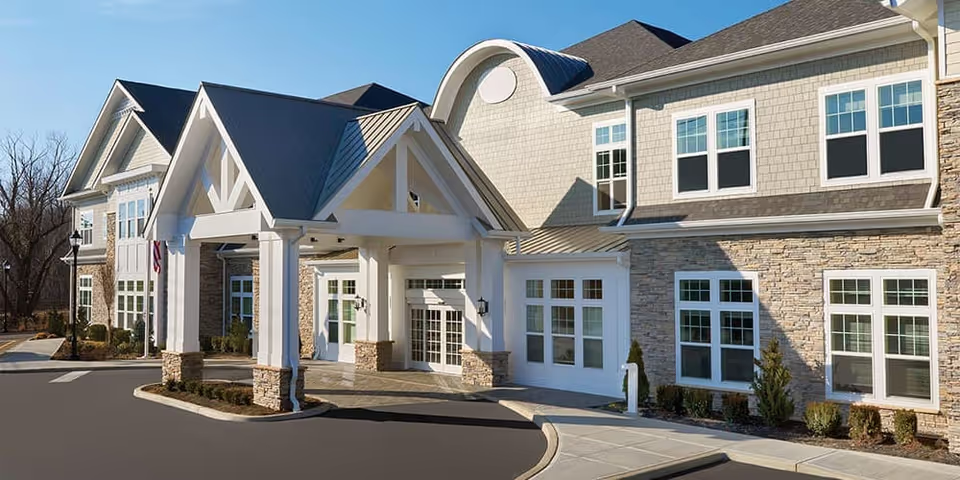
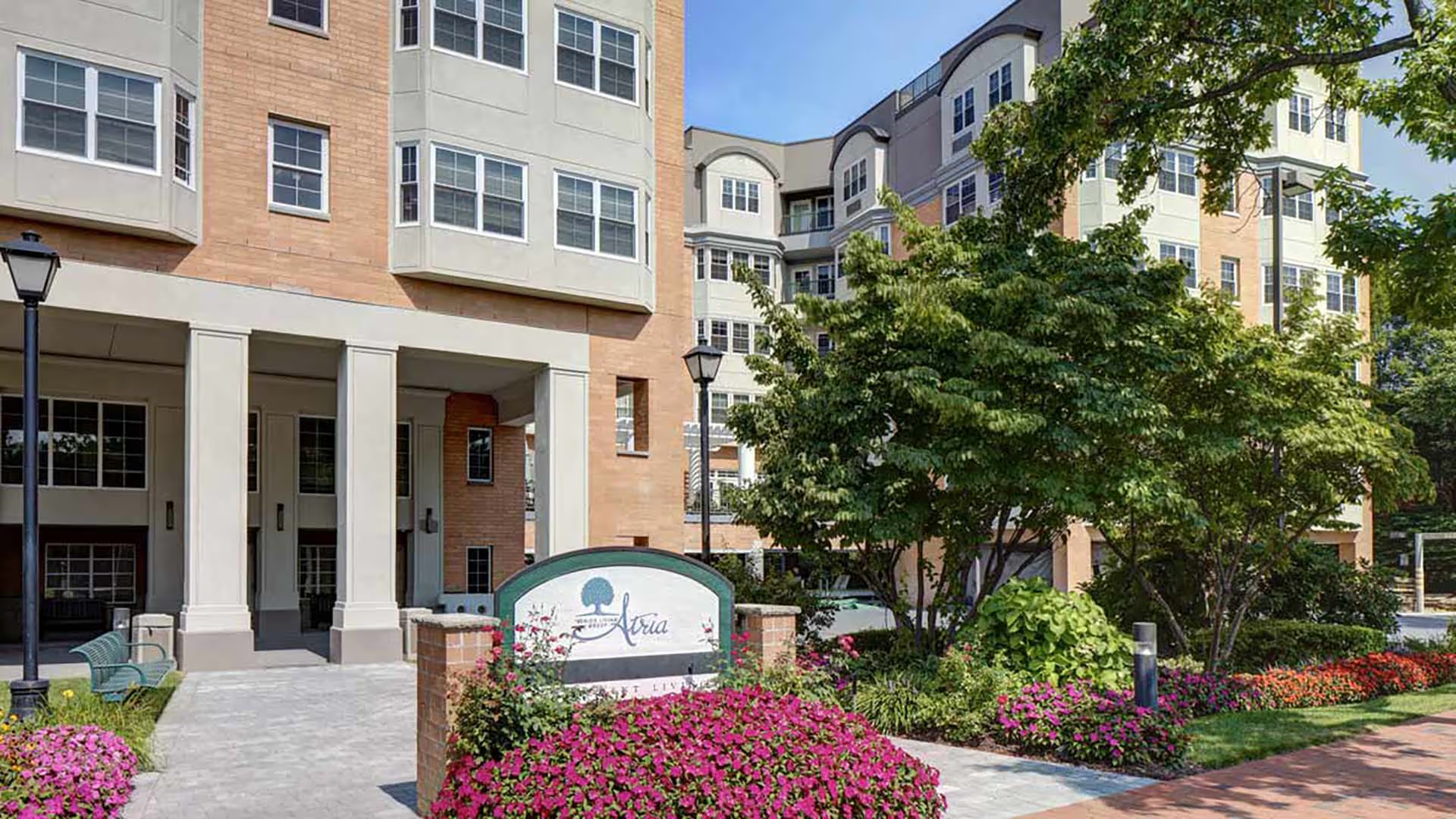
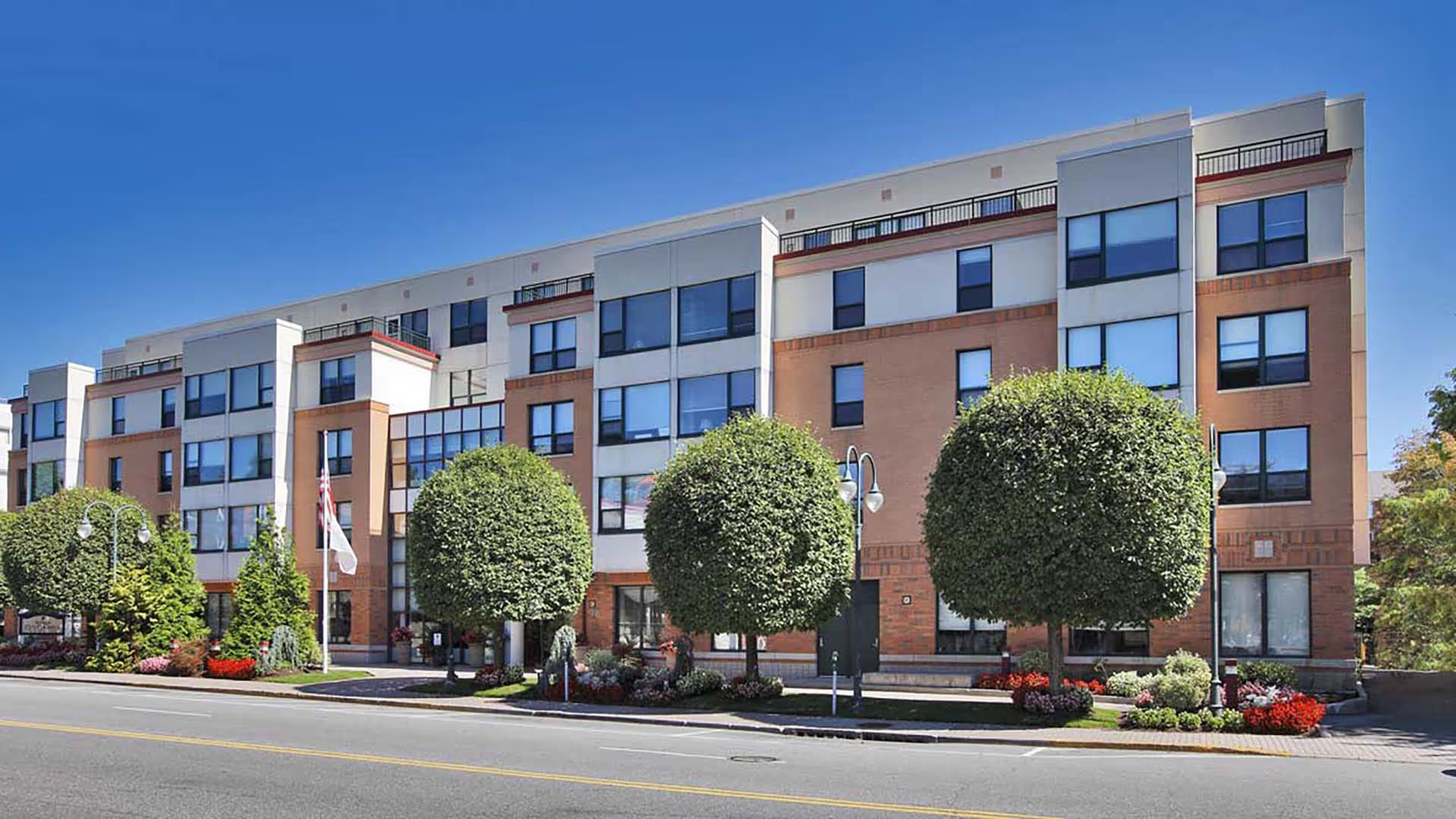
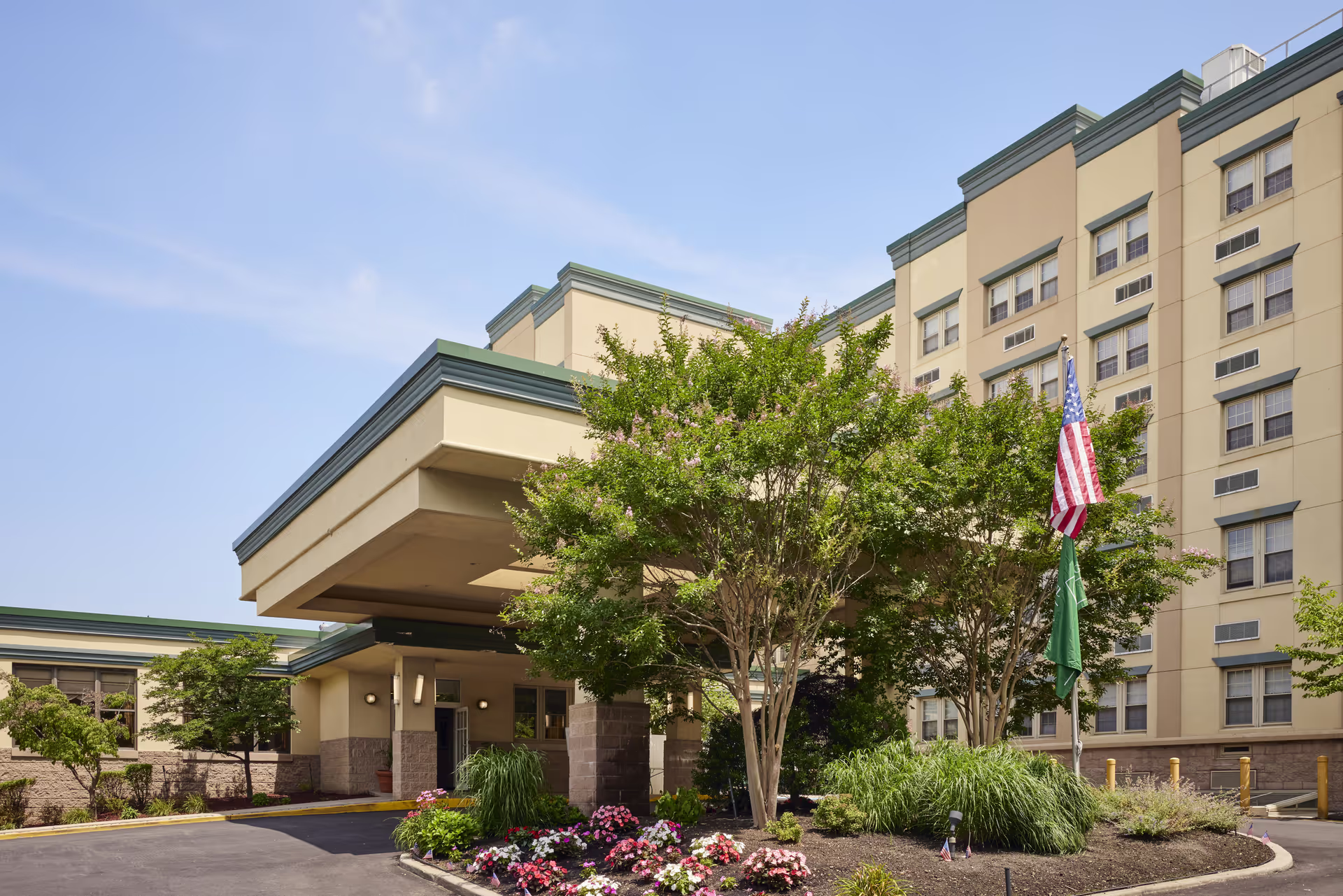
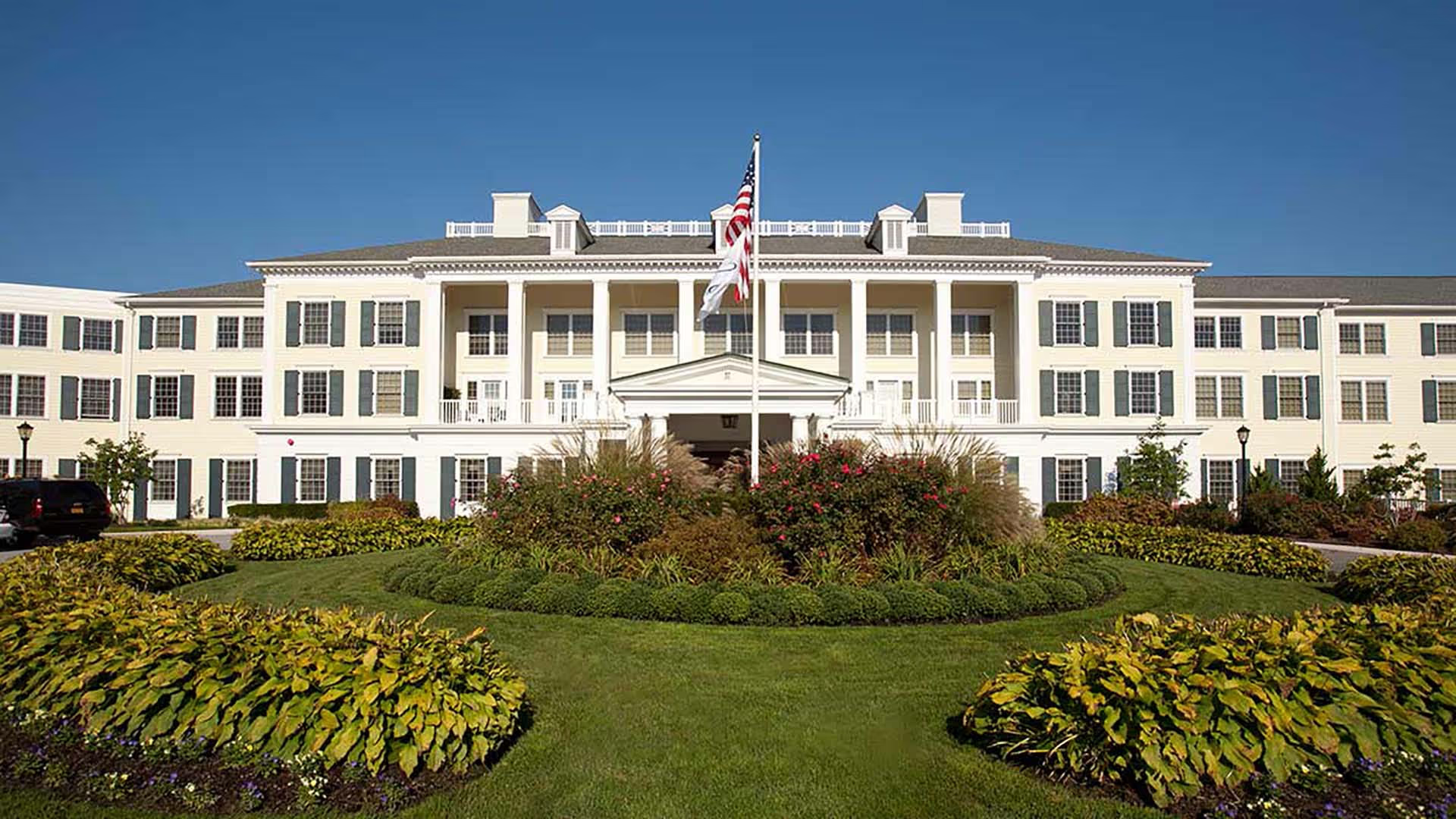
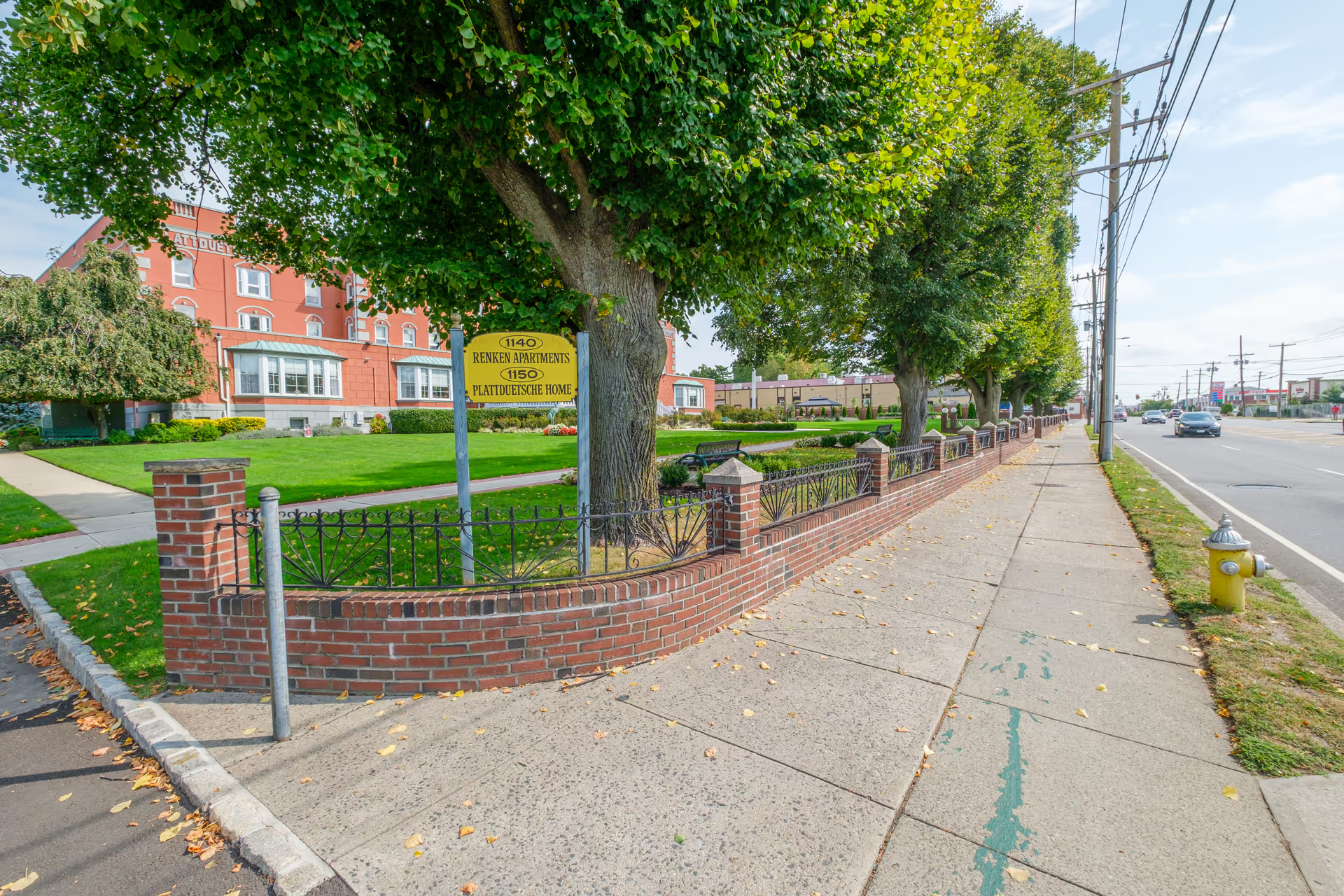
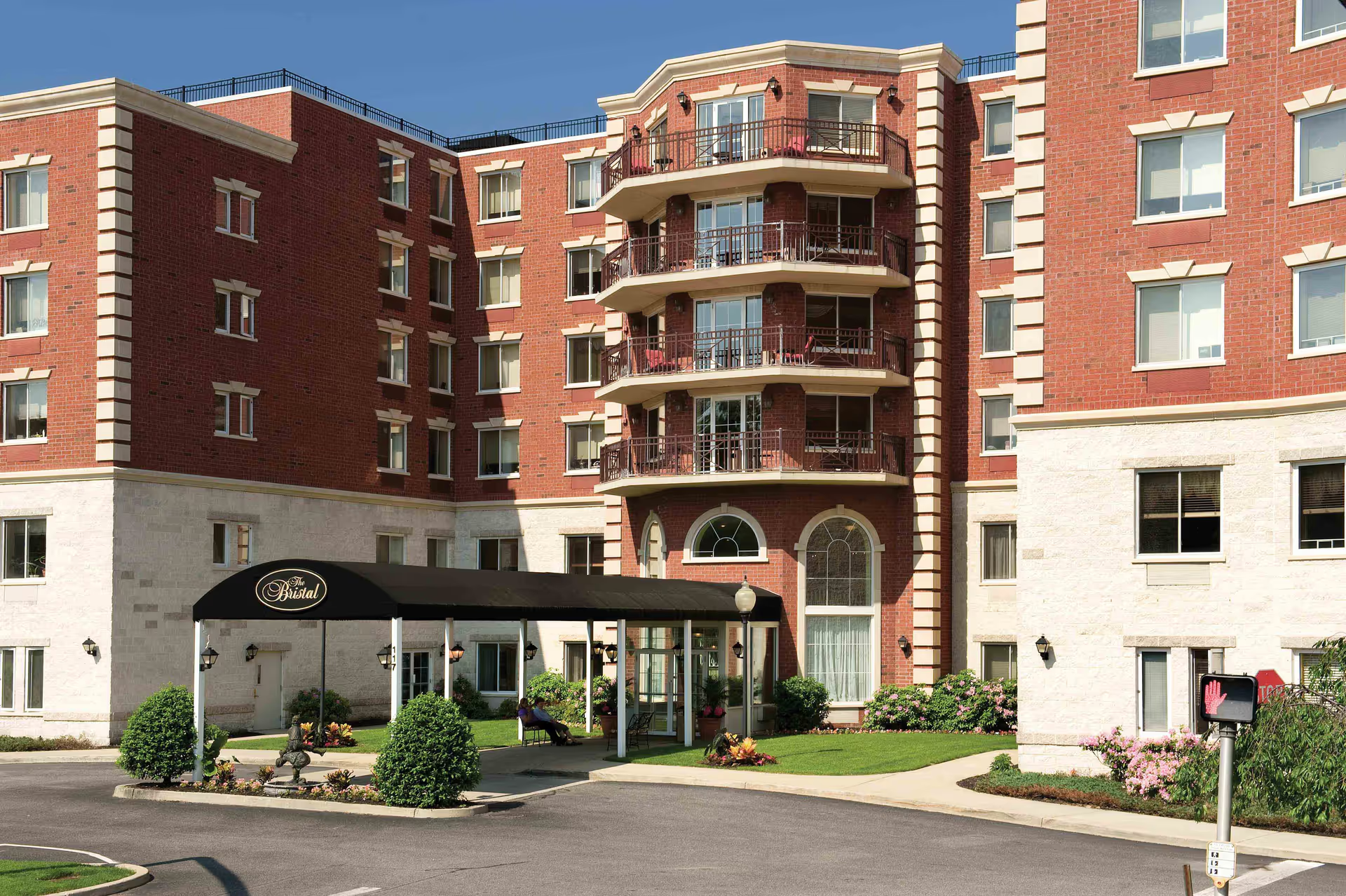
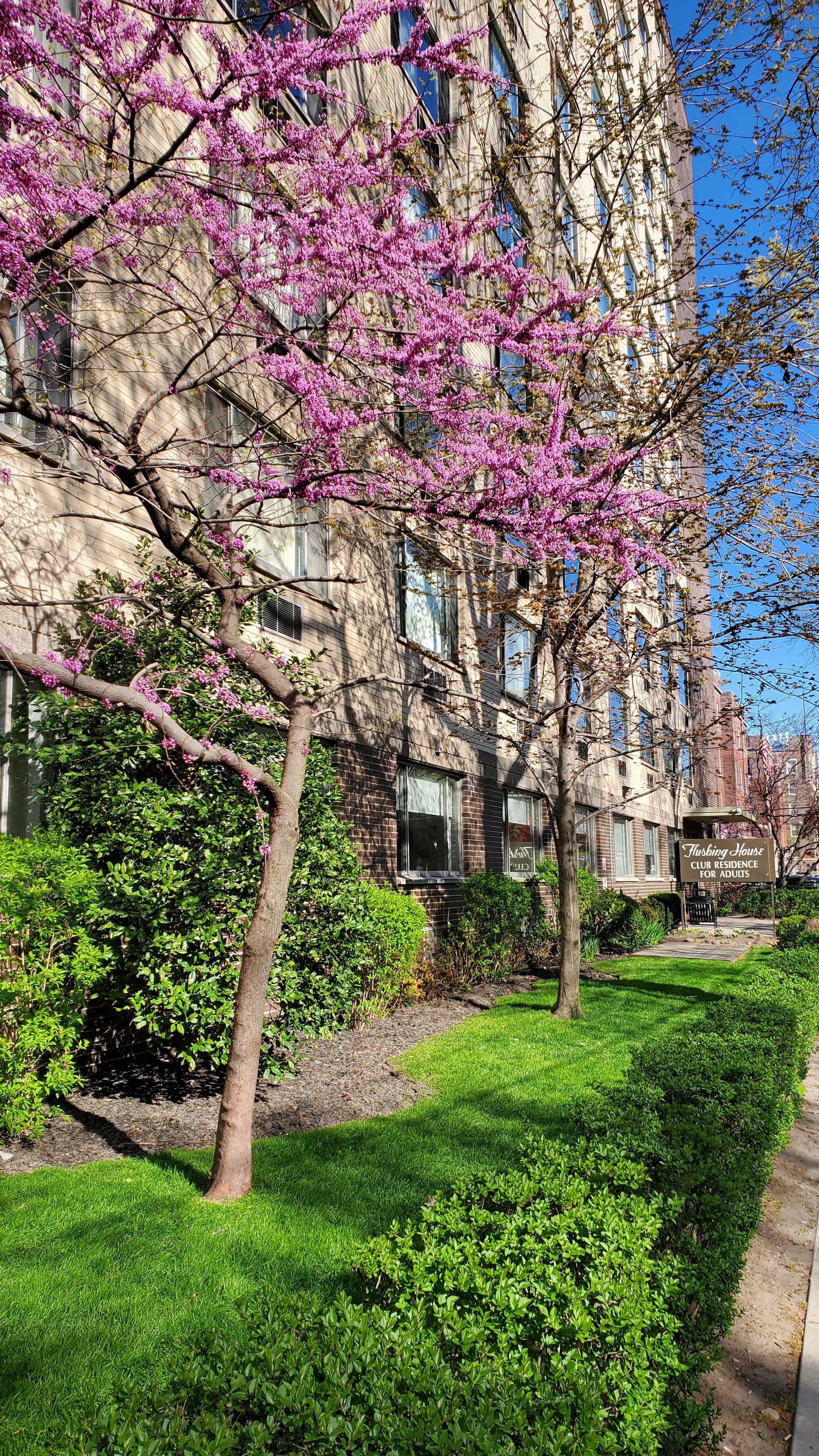
Highfield Gardens Care Center of Great Neck elicits a strongly mixed but clearly patterned set of impressions. Its core strength is an intensive, therapy-led rehabilitation program: physical, occupational and speech therapists are repeatedly praised for effective, motivating care that helped many residents regain mobility and return home. The facility offers a well-equipped therapy gym, frequent therapy sessions, and an array of rehab staff who receive consistent positive mention. Active recreation and social programming — including bingo, art classes, tai chi, music, ice-cream socials, and cultural offerings such as Persian programming and kosher options — contribute to an engaged community atmosphere for many residents.
Staffing and day-to-day nursing care show substantial variability. Numerous accounts describe compassionate, attentive nurses, CNAs and unit leaders who provide personalized support, timely medication administration, and effective discharge planning. At the same time, other accounts document inconsistent direct-care performance, long waits for assistance, and concerns about clinical follow-through (including wound care and medication processes). These contrasts suggest uneven staffing coverage and turnover across shifts and units: when the experienced staff and managers are present, families report strong outcomes and high satisfaction; when staffing is thin or less consistent, families report delays and lapses in care.
Dining and housekeeping receive mixed evaluations. Many families praised homemade-style meals, standout items (e.g., baked chicken, special dishes), and attentive dining staff, along with regular room cleaning and an overall renovated, hotel-like aesthetic in portions of the building. Counterbalancing that, other accounts cite limited variety, high-fat or low-nutrient menu choices at times, and sanitation concerns in specific units. In short, food quality and sanitation practices appear inconsistent facility-wide rather than uniformly strong or weak.
Management and administration are another area of divergence. Several reviewers name specific directors and administrators who are proactive, responsive, and effective at resolving issues; these leaders are credited with smooth admissions, coordinated discharges, and strong family communication. Conversely, there are repeated notes about variable administrative responsiveness, front-desk inconsistencies, and incomplete paperwork or coordination during admissions and discharges. Prospective families should therefore confirm the on-site leadership and escalation pathways during a tour.
Notable operational patterns that emerge across reviews include: (1) therapy and rehabilitation are clear, consistent strengths and commonly cited reasons for selecting the facility; (2) care consistency depends heavily on staffing levels and individual employee performance, leading to markedly different experiences between shifts or units; and (3) facility amenities, cultural programming, and some leaders receive strong praise, while areas such as meal variety, clinical-process reliability, cleanliness in some units, and language coverage are less consistent.
For prospective residents and family members, the balance of evidence suggests Highfield Gardens can provide excellent short-term rehab and engaged social programming when well-staffed and managed, but it also warrants careful due diligence. Recommended questions at tour and admission include current staffing ratios for the intended unit, wound- and medication-management protocols, cleaning and pest-control procedures, language services available, specifics of the discharge and notification process, and who to contact if clinical concerns arise. This facility shows clear operational strengths in rehabilitation and some aspects of hospitality, paired with real variability in direct-care consistency and operational reliability that families should evaluate relative to their clinical needs.