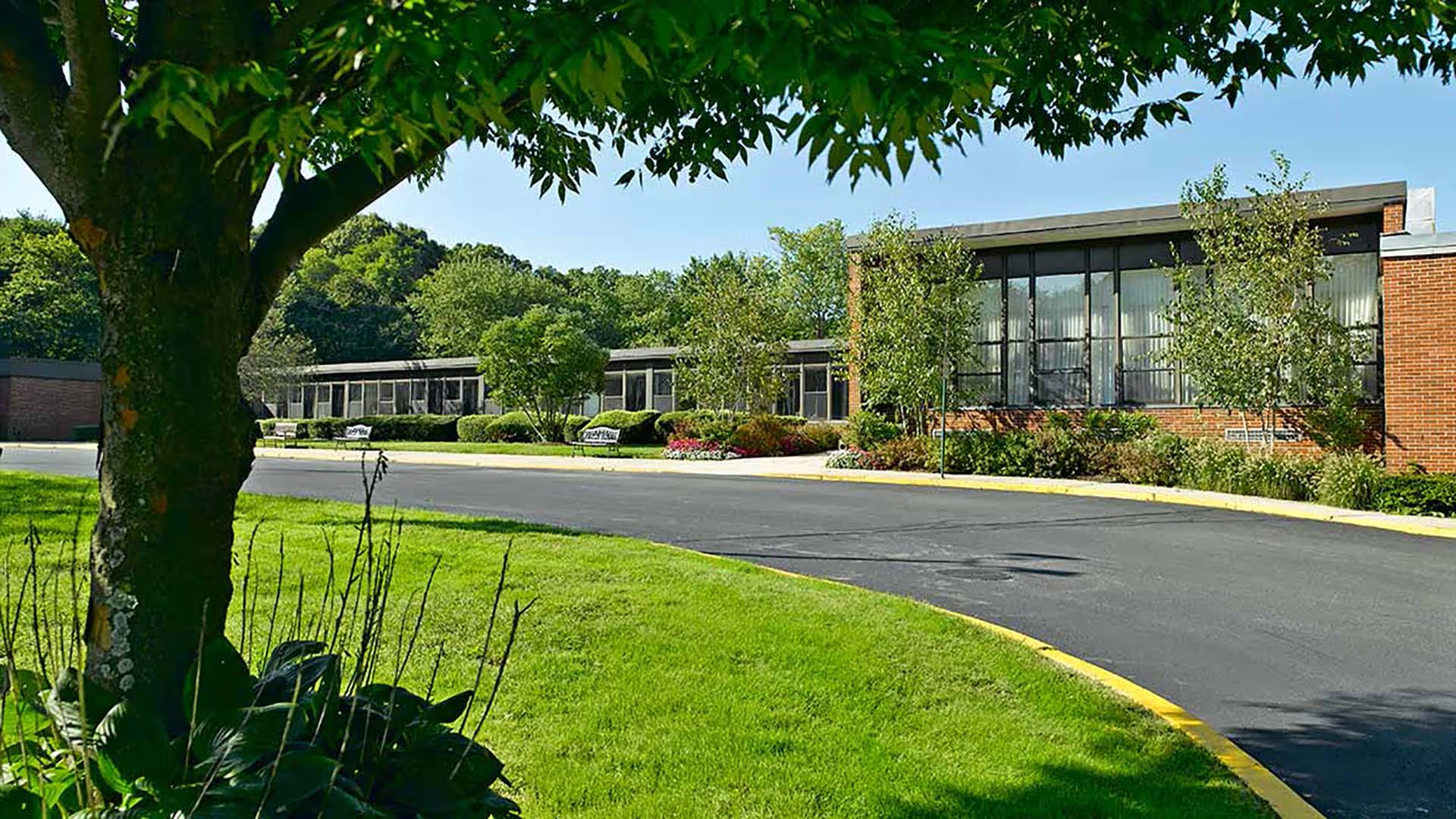
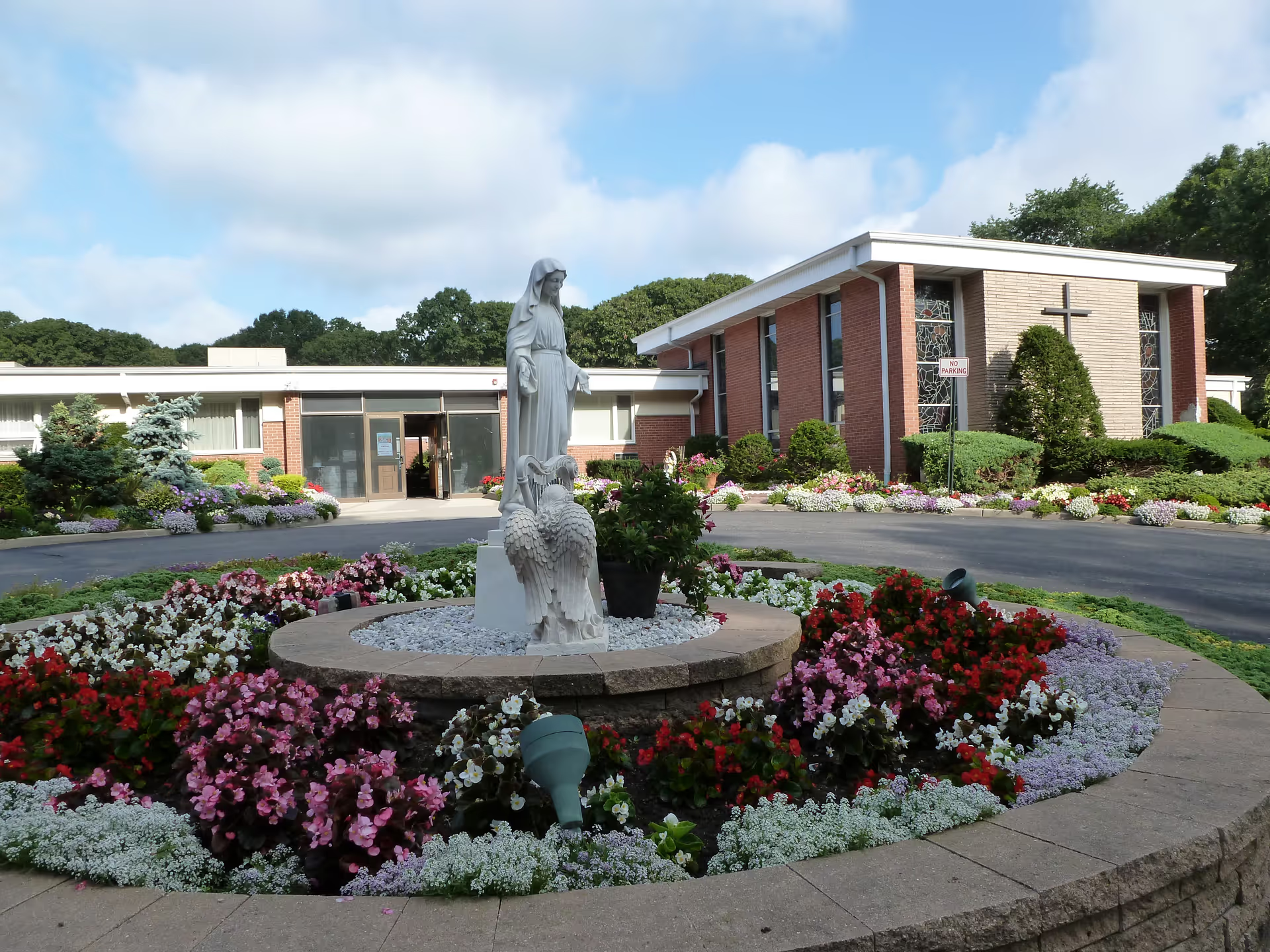
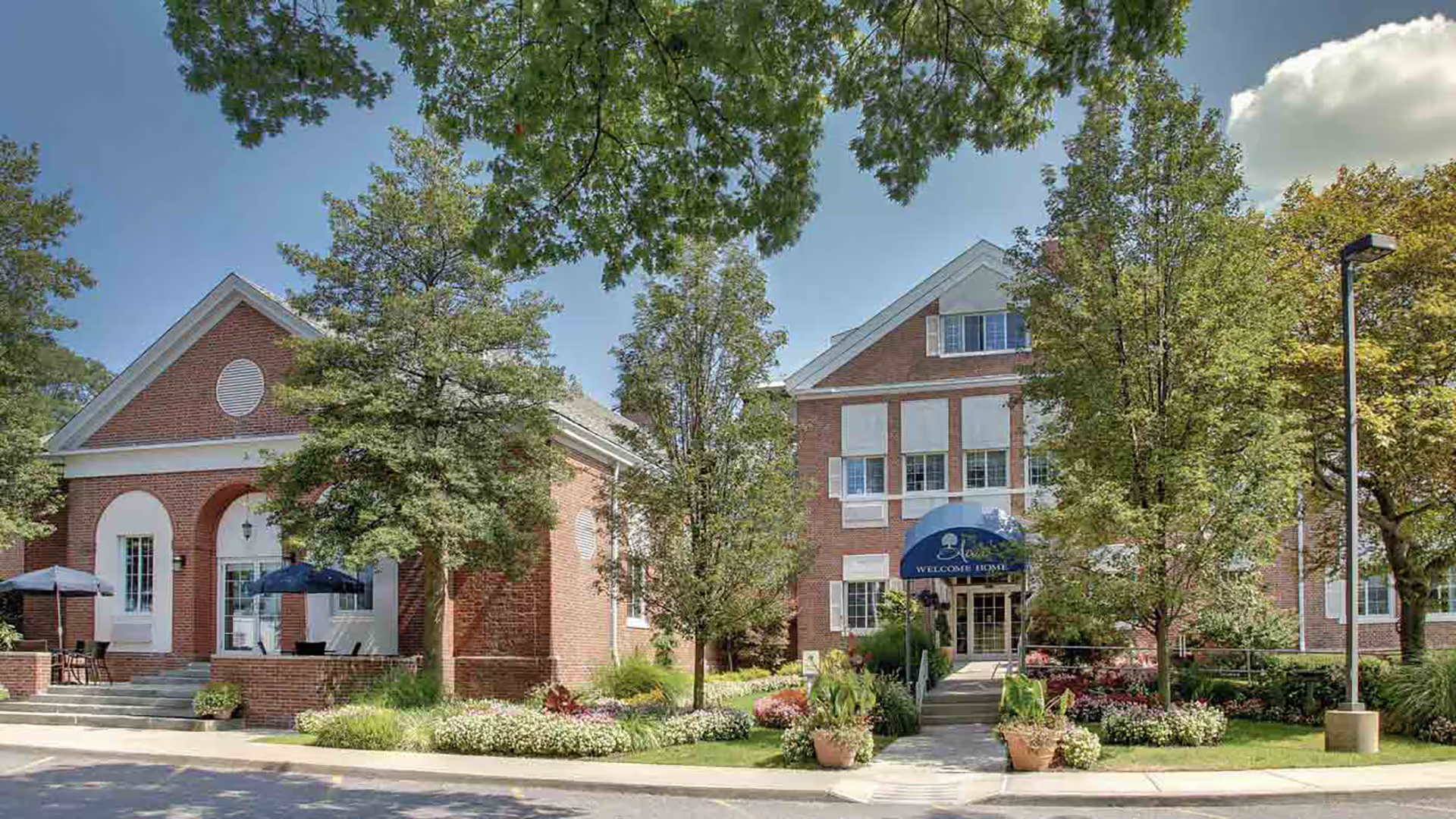
Maryville Enhanced Assisted Living Center is repeatedly described as a small, family‑owned, boutique-style community with a distinctly home-like feel. Many families praise the high level of personal attention available in a small setting, noting long‑tenured aides, a hands-on administrator, individualized medication management, hospice acceptance, and regular transportation to appointments. The facility’s courtyard and single-floor layout are frequently cited as benefits for residents who prefer a compact environment and outdoor access.
Care quality accounts for the strongest polarization in the reviews. A substantial portion of comments describe compassionate, attentive staff who develop close relationships with residents and provide effective dementia-focused care; reviewers report weight gain, improved appetite, increased engagement, and comfort at end of life. Conversely, other accounts raise concerns about gaps in clinical oversight: there is no consistent on‑site licensed nursing presence, and reviewers describe uneven staff training, periods of understaffing, and variability in responsiveness. These operational gaps are associated with delays in basic assistance, questions about transfer safety and wheelchair handling, and general inconsistency in day-to-day clinical practices.
Dining receives mixed but specific feedback. Many reviewers appreciate home-cooked meals and find the food flavorful and timely; a number of families say the kitchen accommodates preferences. At the same time, others note inconsistent meal presentation and menu adherence, requests for food modifications (for example, easier-to-chew preparations) that are not always implemented, and occasional quality variability. Medication management and some clinical supports are cited as included in pricing, but the absence of 24/7 nursing changes the level of clinical oversight available onsite.
Activities and engagement also show a split pattern. Some families describe active programming — musicians, pet therapy, holiday events, bingo and social activities — and attentive staff who encourage participation. In contrast, other accounts describe limited or repetitive activity options, insufficient staff interaction during daytime hours, and constrained common spaces that limit group programming and indoor walking opportunities.
The physical plant is repeatedly characterized as dated. Positive notes include clean common areas and well‑maintained grounds, while criticisms cite worn furnishings, cramped rooms, limited indoor mobility space, older equipment (including wheelchairs lacking appropriate supports), and intermittent maintenance issues such as heating/cooling lapses. Housekeeping and sanitation are generally praised in many comments, yet there are intermittent complaints about cleaning response times and inconsistent housekeeping standards.
Management and communication are another area of clear divergence. Many families commend the administrator’s visibility, prompt communication, and personal involvement; these reviewers highlight a cooperative culture and reliable updates. Other families express concerns about inconsistent communication, unmet promises, and an owner management style they perceive as overly focused on financial matters; a small number of more serious allegations around referral/financial conflicts and handling of clinical incidents are present in the narrative and warrant follow-up by prospective families.
Overall pattern: Maryville offers a small, intimate environment that can deliver highly personalized dementia-capable care and meaningful comfort for many residents, particularly when caregiver relationships and administrator engagement remain strong. At the same time, prospective families should be aware of variability in staff training, the absence of continuous licensed nursing coverage, space limitations for mobility, and occasional inconsistencies in meals, activities, and housekeeping. Those considering Maryville would benefit from an in-person tour that assesses room size and maneuverability, clarifies staffing and clinical coverage (including nurse availability and transfer protocols), reviews current activity schedules, and discusses the facility’s visitation and family-communication practices.