Reviewer feedback for Pine Forest Center for Rehabilitation and Healthcare is strongly polarized, with a mix of highly positive experiences alongside serious negative concerns. Positive accounts highlight compassionate, attentive nursing and caregiving, strong therapy teams who achieve meaningful rehabilitation outcomes, and engaging activity and spiritual programming that contribute to residents' quality of life. Several families described supportive administrators or coordinators, helpful admissions/accounts interactions, and portions of the building that have been recently updated or well maintained.
Care quality descriptions vary. Many reviewers praised individualized attention from nurses, aides, and therapists, noting effective physical therapy and successful discharges home. At the same time, others described lapses in clinical oversight — including medication-administration inconsistencies and safety issues — that suggest variability in day-to-day clinical reliability. Safety-monitoring practices, such as fall prevention and checks related to bed rails and transfer support, were specifically cited by multiple reviewers as an area needing improvement.
Staffing and conduct are recurring themes. Positive comments emphasize compassionate, dedicated caregivers and responsive coordinators; negative comments describe inconsistent professionalism, delays in attending to resident needs, and poor tone or accessibility from some administrative staff. Communication from the facility to families is another mixed area: some families felt reassured by proactive coordinators and responsive nurses, while others experienced difficulty reaching administration or dissatisfaction with the admissions process.
Dining and nutrition feedback is inconsistent. Several reviewers reported satisfactory meals and improvements to food service, whereas others described issues with meal temperature, seasoning, and dietary management (including handling of food allergies). These differences point to variability in kitchen performance and meal-service continuity.
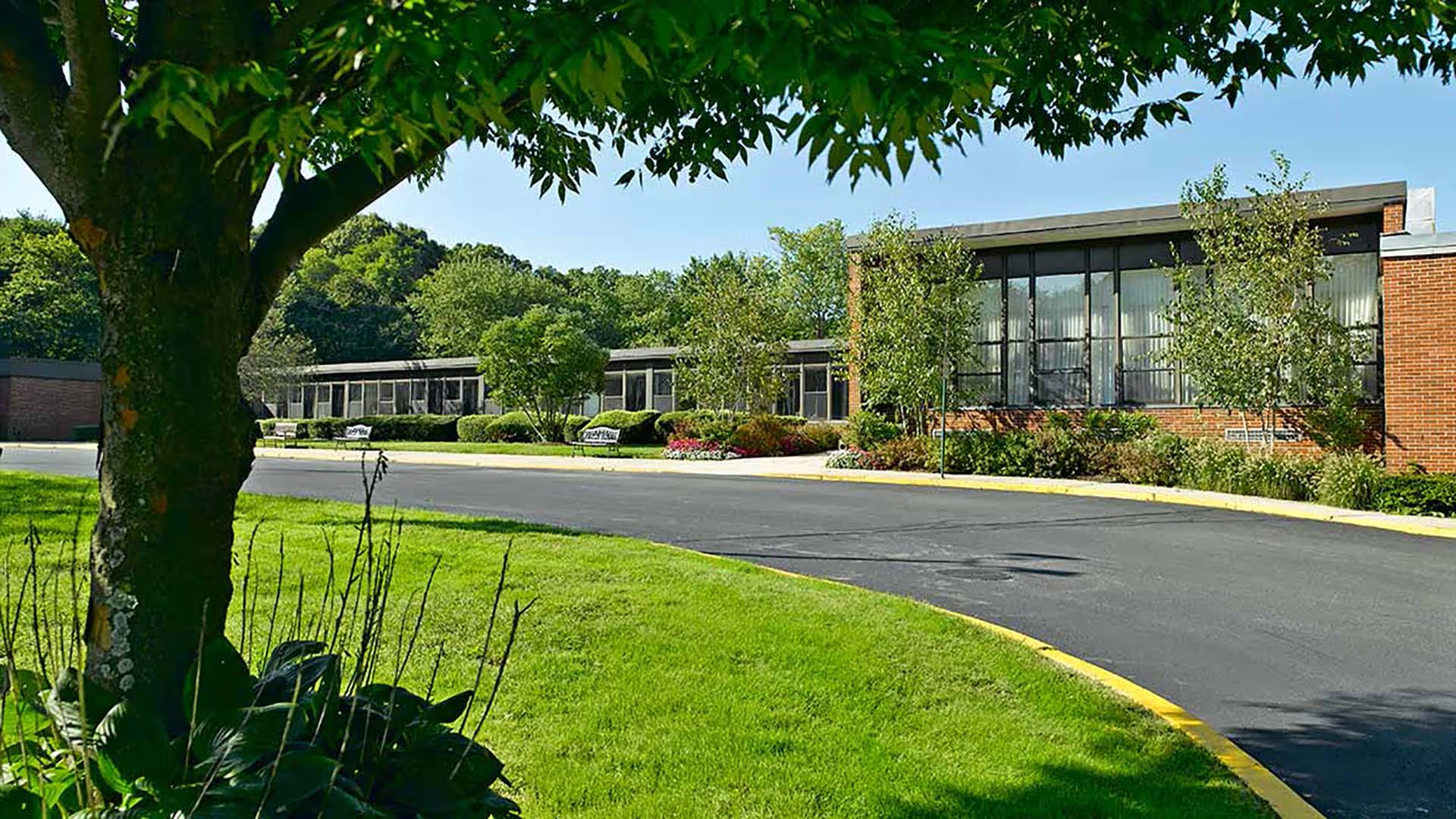
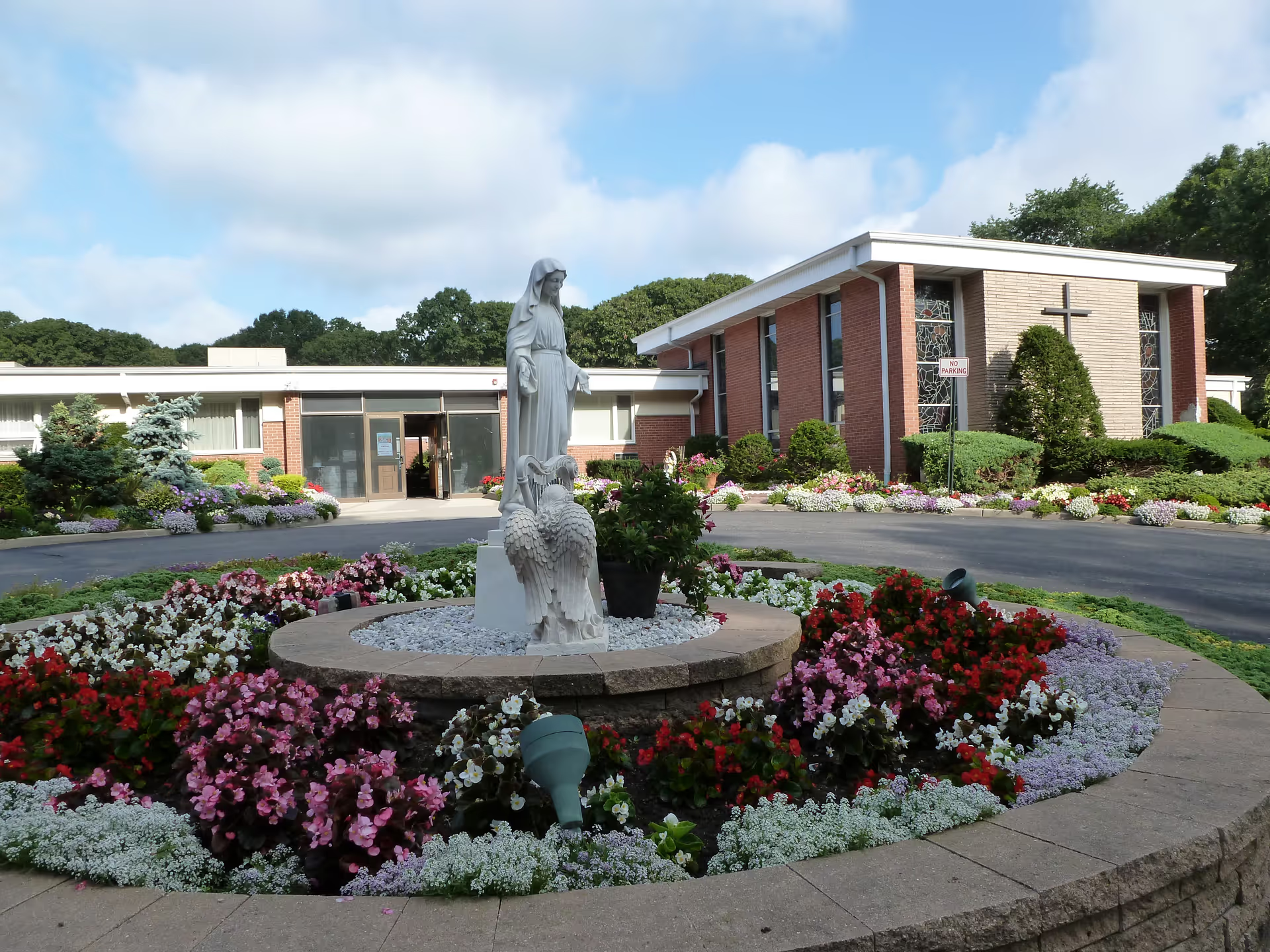
Facility condition and environment also drew mixed reactions. Some visitors noted recent updates (paint, flooring, new beds) and clean, home-like areas; however, other reviewers raised sanitation and odor concerns in parts of the facility, as well as environmental-control problems such as temperature management. These signals indicate uneven maintenance and housekeeping standards across the campus.
Notable patterns to consider: inconsistent rehabilitation quality (excellent for some residents, inadequate for others), recurring sanitation and responsiveness issues, gaps in property-handling controls, and variable administrative communication. There are also serious, individual-level allegations — including claims of mishandled personal belongings and concerns following a resident's death — that reviewers raised; these are distinct from operational complaints and may warrant targeted inquiry.
Overall, prospective residents and families should weigh the facility's demonstrated strengths in compassionate caregiving, therapy capability, and social programming against repeated operational concerns about consistency: sanitation and housekeeping, staffing and responsiveness, communication, meal service, and safety practices. Visiting the unit, speaking directly with therapy and nursing leadership, reviewing staffing levels, and asking about protocols for property handling, medication administration, infection prevention, and fall prevention are recommended steps for anyone considering this facility.