The Hamlet Rehabilitation and Healthcare Center at Nesconset elicits strongly polarized impressions. A substantial body of feedback highlights clinical strengths: robust physical and occupational therapy programs, effective speech therapy, and coordinated physician communication that supported complex treatments. Many families and residents credited therapy teams and rehabilitation staff with measurable mobility and functional improvements, and several accounts describe successful transitions back home after focused rehab stays.
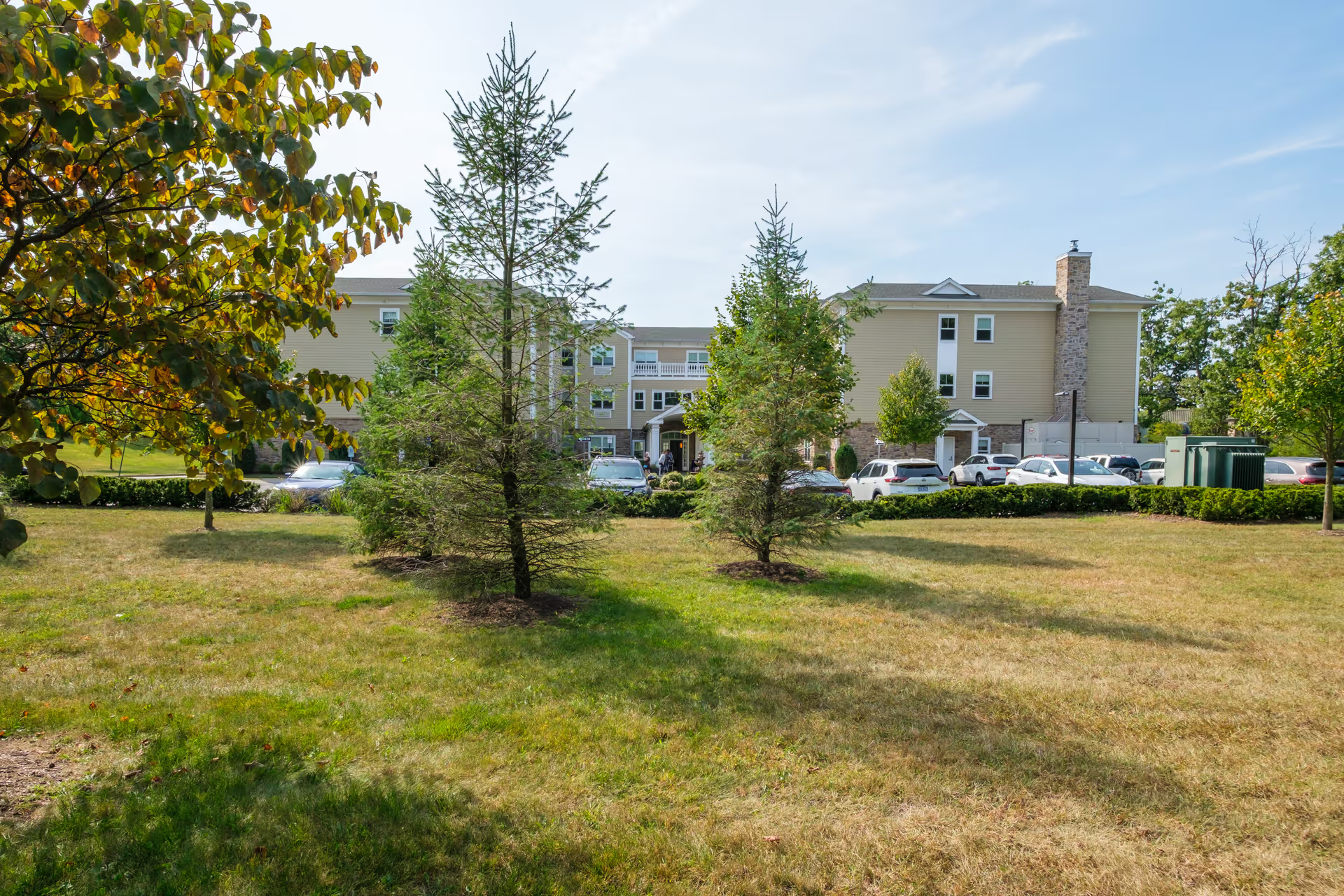
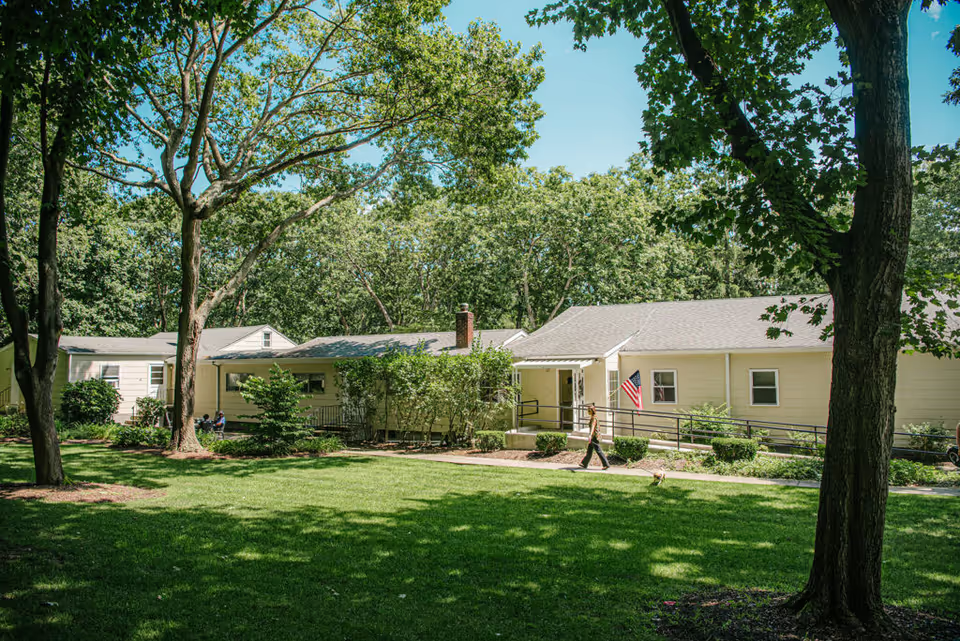
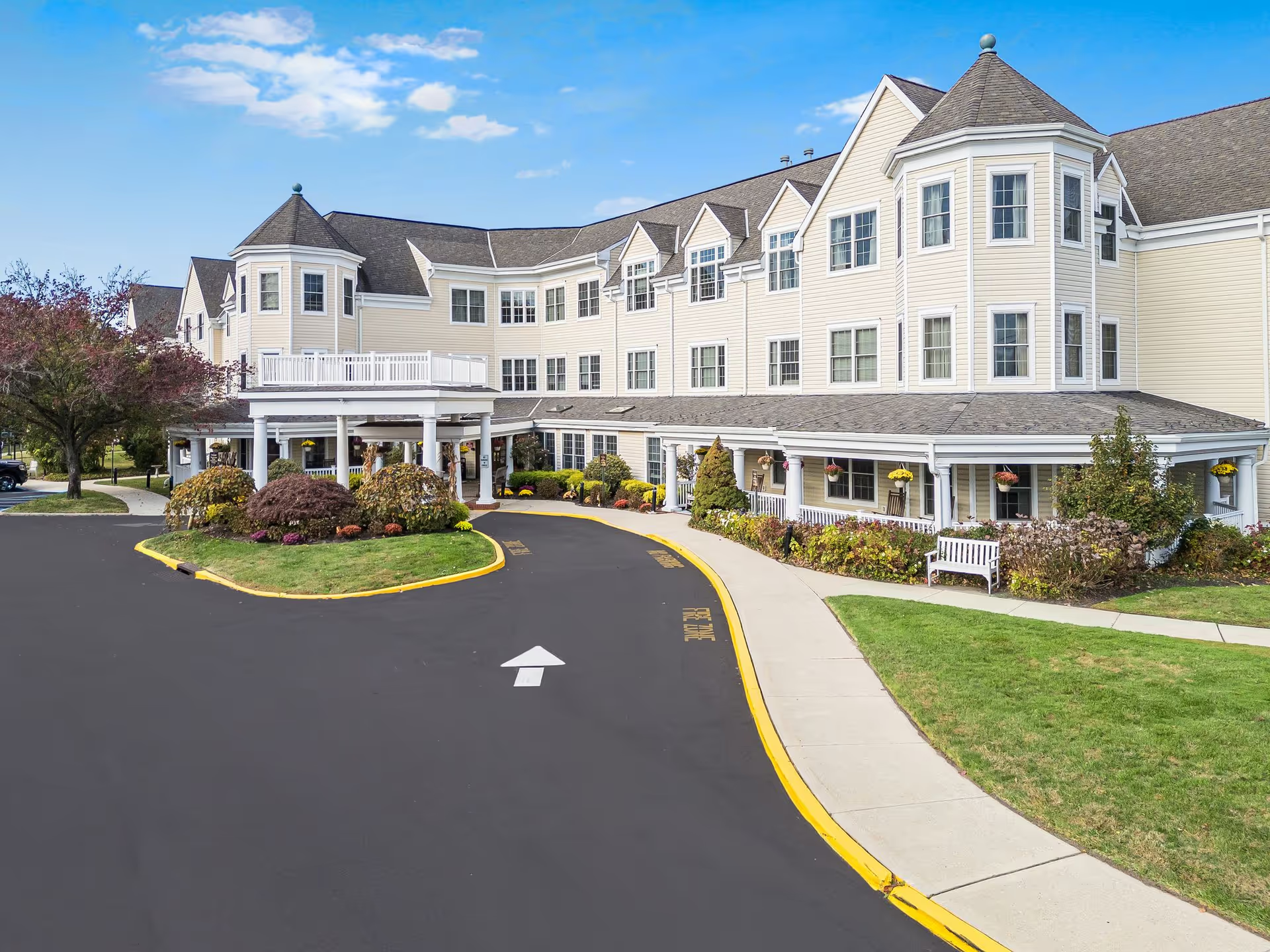
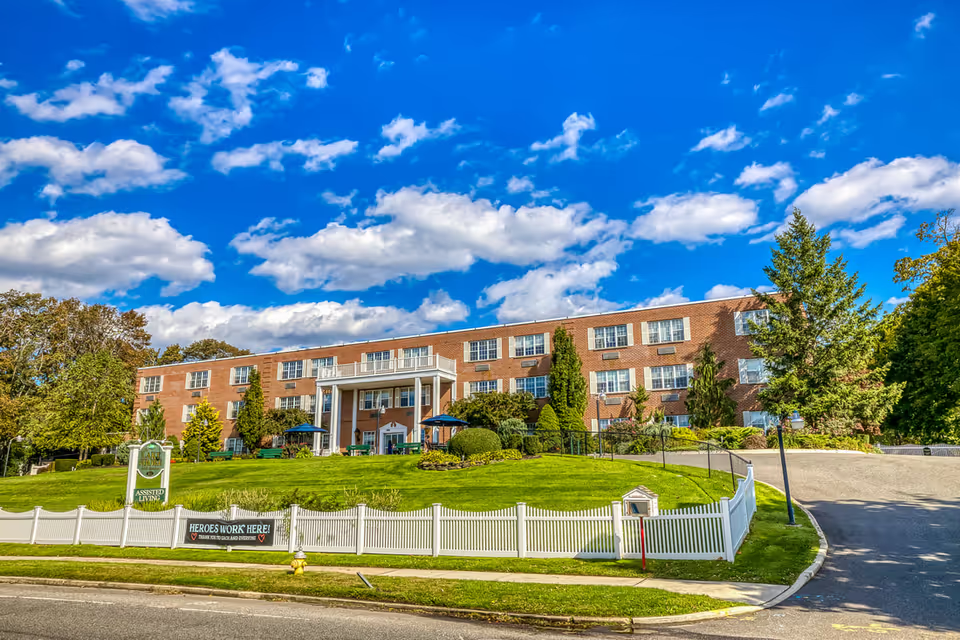
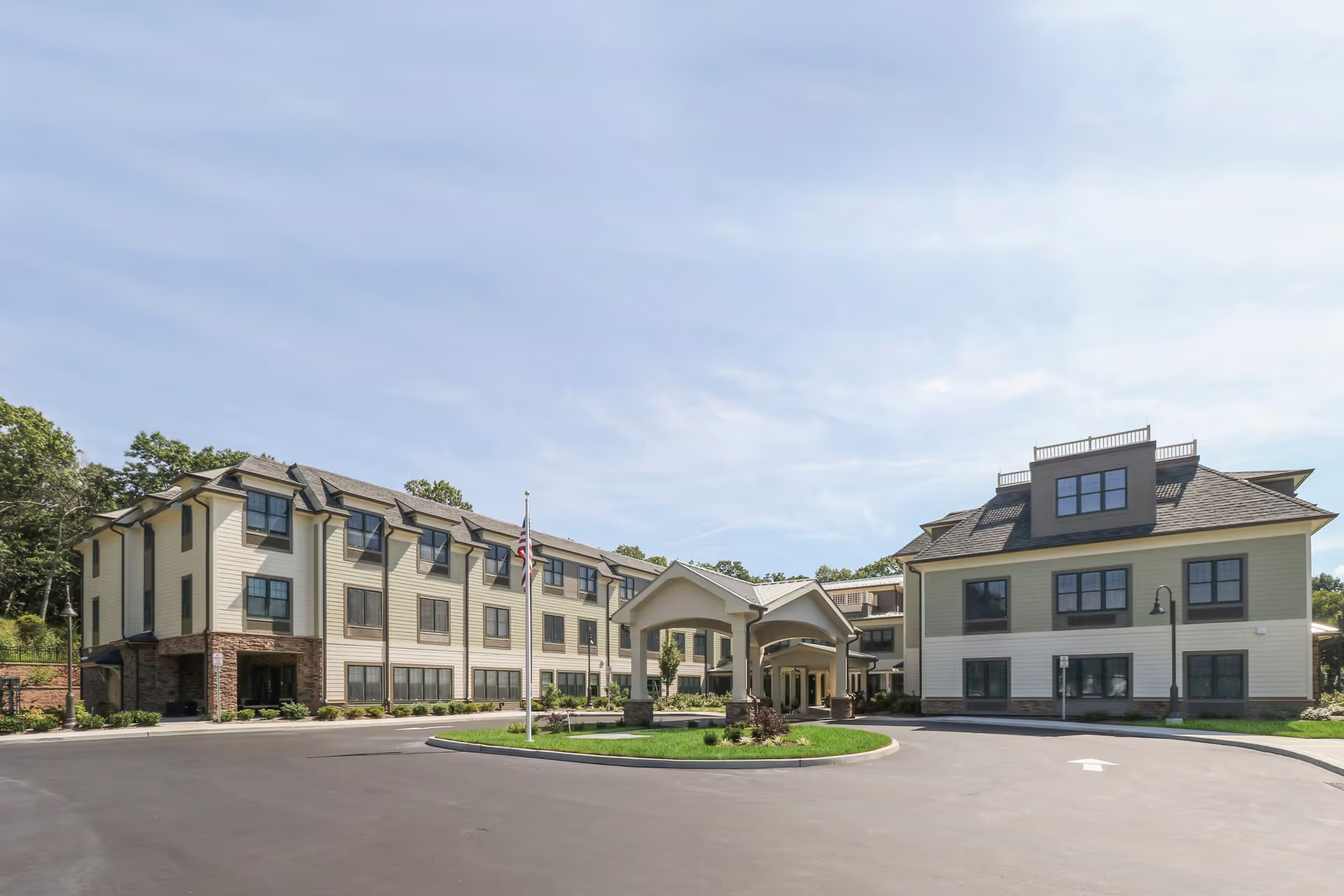
Direct-care staff, social work, and concierge services receive frequent praise for compassion, individualized care planning, and discharge coordination. Housekeeping and maintenance are often described as responsive, and many reviewers appreciated the facility's bright, hotel-like public areas, updated rooms, and accessible outdoor patio. The recreation program is repeatedly singled out for its variety and resident engagement; activities staff were named specifically for creating an upbeat social environment.
Despite these strengths, reviews indicate recurring operational weaknesses. Understaffing and uneven nurse-to-patient coverage are a dominant theme and are linked to delayed call‑bell responses, missed timely assistance, and inconsistent medication timing. These staffing shortfalls appear to drive other concerns, including lapses in sanitation and incontinence care on particular units, variability in meal temperature or quality, and gaps in laundry or personal-belongings management. Families also describe inconsistent staff conduct and communication tone in some interactions, producing a mixed experience depending on unit and shift.
Communication and administrative coordination surface as another pattern. While many social workers and certain finance/concierge staff are praised for clear, proactive updates, other accounts describe delayed callbacks, confusing discharge or insurance conversations, and problems reconciling billing or Medicare/insurance coding. A limited number of serious incidents were raised (including concerns following a resident's death and other safety events); these reports underscore the importance of transparent incident response and family communication.
In practice this means prospective residents and families can expect strong rehabilitation services, engaged activities, and many compassionate staff members, especially in units noted for clean, updated surroundings. At the same time, variability by unit and shift — especially related to staffing levels, sanitation consistency, timely nursing responses, and administrative communication — suggests that outcomes and day-to-day experience may differ within the same building. Visitors evaluating the Hamlet should prioritize in-person tours of the specific unit involved, ask about current staffing ratios, clarify discharge and billing procedures, and discuss contingency plans for call‑bell response and personal‑care needs to align expectations with the unit-level reality.