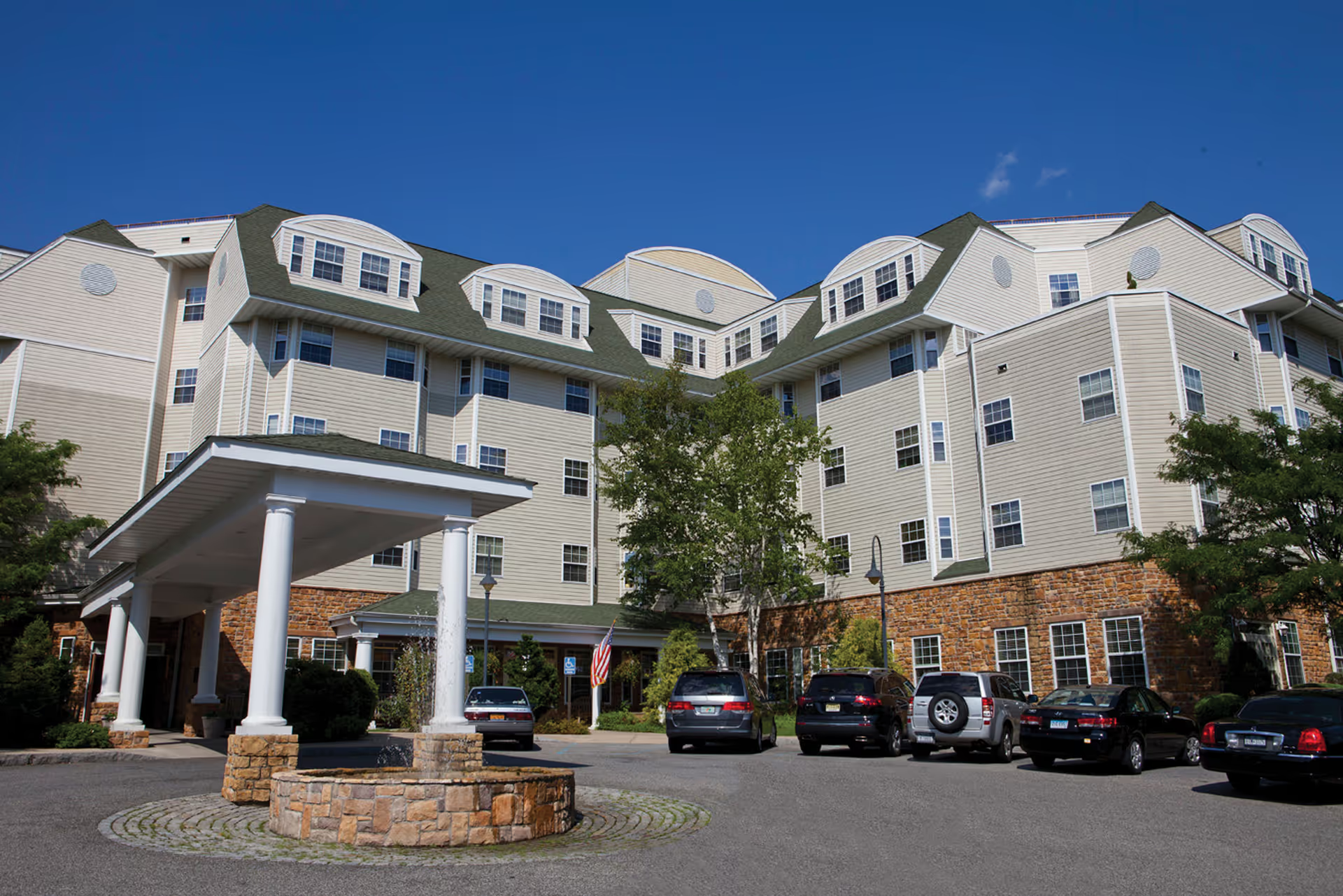
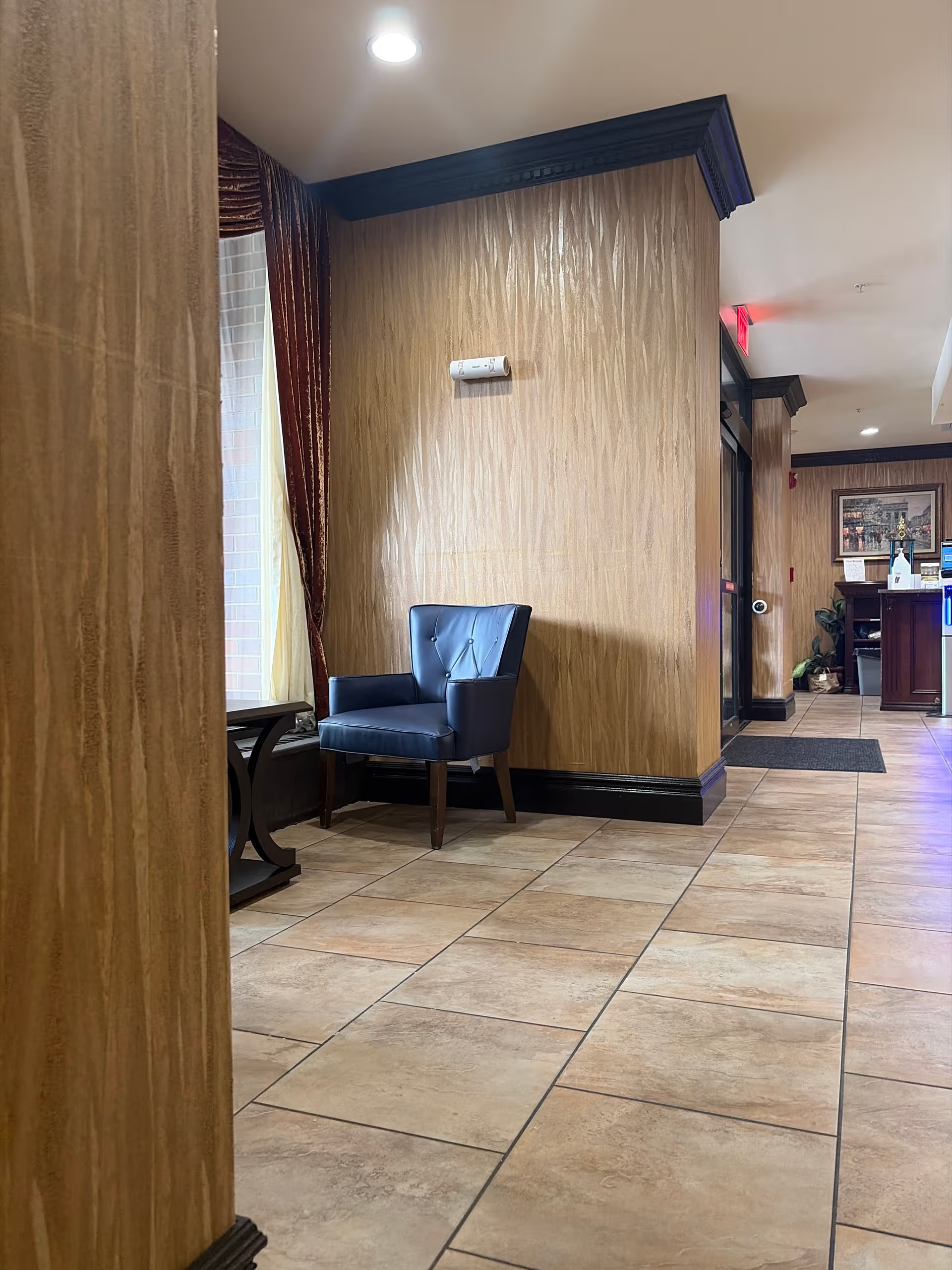
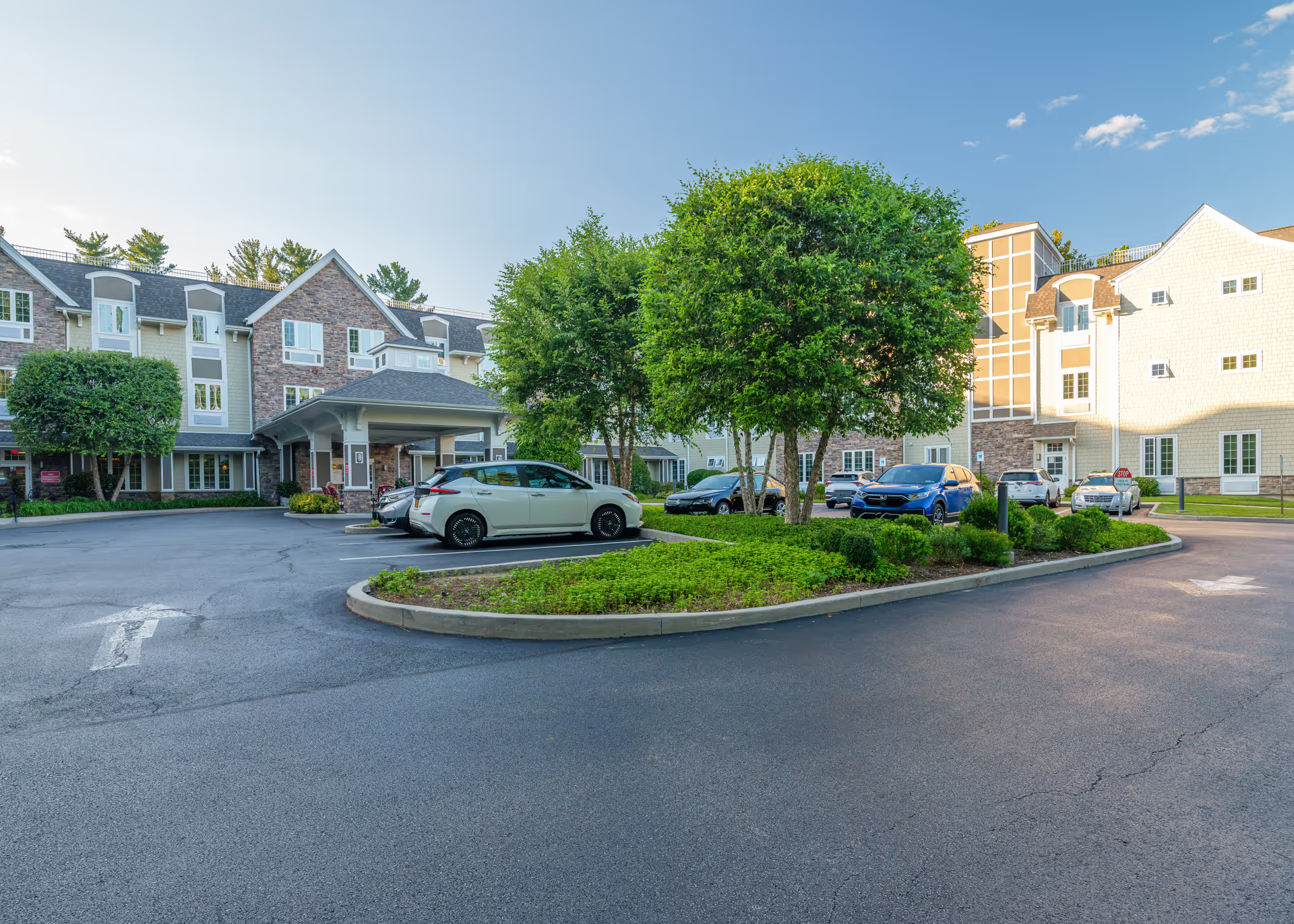
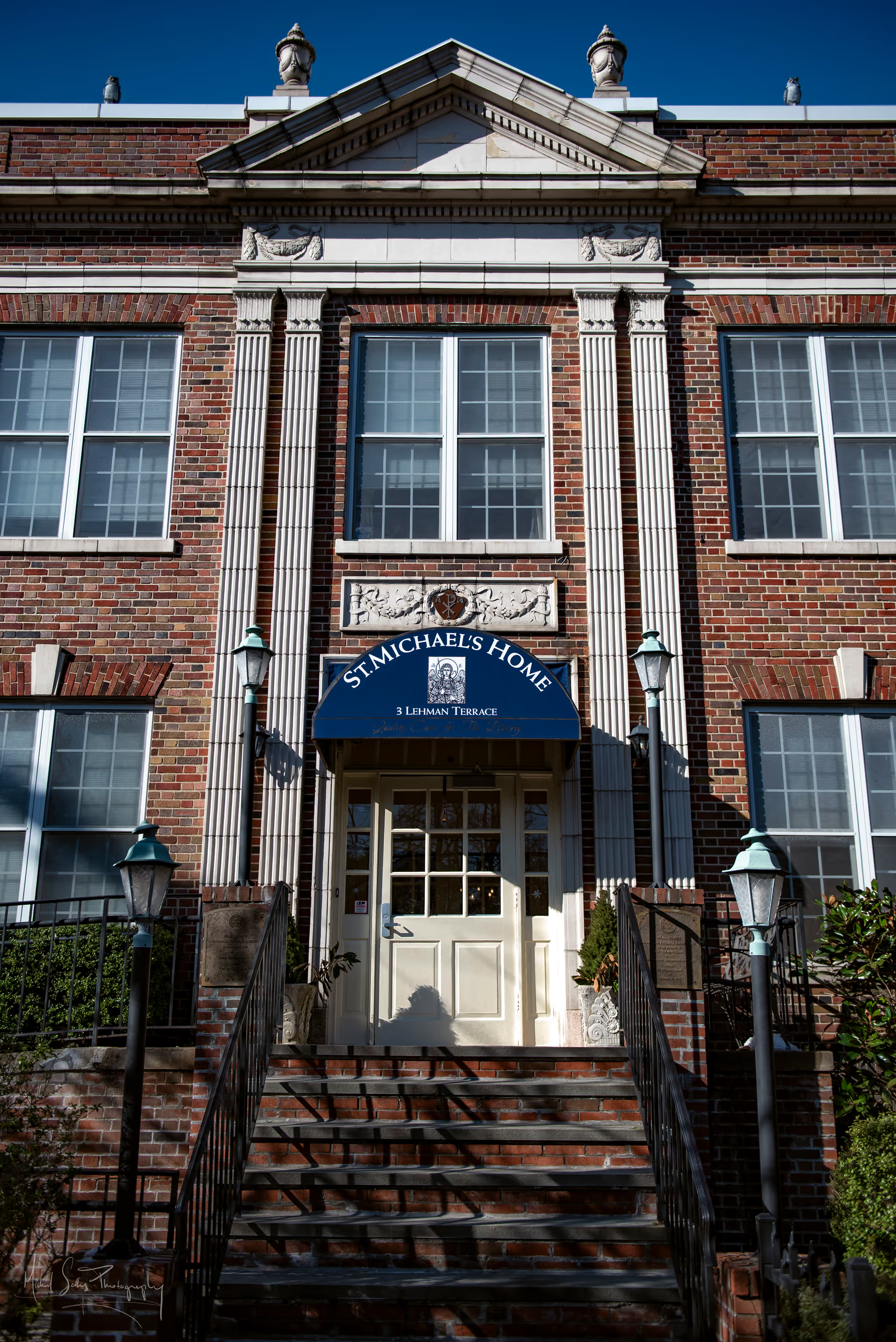
United Hebrew of New Rochelle elicits a broad range of experiences but shows clear strengths that many families and residents value. The facility is frequently described as clean, bright, and well-maintained, with private, light-filled rooms and pleasant outdoor spaces. Its rehabilitation program — often supported by Burke-trained therapists — is a prominent strength for many patients, and numerous reviewers credit physical and occupational therapy staff with meaningful functional gains. Admissions, finance, social work, and recreational staff are often singled out as helpful and knowledgeable, and the activities program (music, art, pet therapy, chapel and outings) is robust and well attended.
Care staff receive substantial praise for compassion and attentiveness in many accounts. Several reviews note prompt, kind nursing and aide support, active medication monitoring, and physicians who communicate with families. At the same time, a notable subset of reviews describes inconsistent care patterns: variability in nursing responsiveness, delays in medication administration, occasional lapses in personal-care scheduling, and intermittent concerns about incontinence-care timeliness. Therapy delivery is another mixed area — while some patients receive individualized, daily PT/OT with strong outcomes, others experience cancellations, suboptimal exercise plans, limited weekend coverage, or early discharge before goals are met.
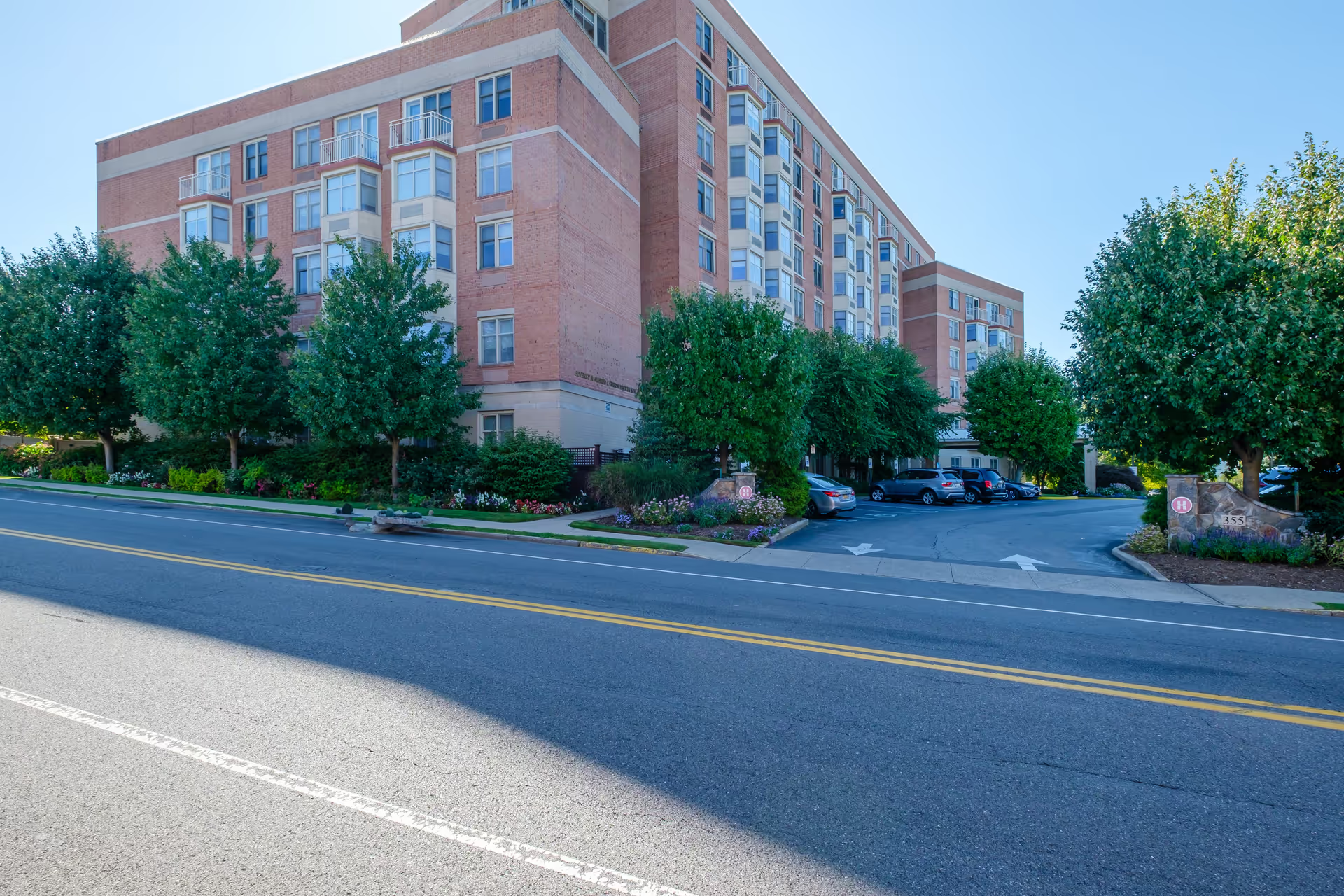
Dining and activities are frequently highlighted as positives: plentiful food portions, social dining interactions, and a wide range of organized programs that contribute to residents’ engagement. However, reviewers also mention inconsistent meal presentation, saltiness or poor visual appeal for some meals, and occasional wrong meal orders. Facilities-wise, the building and landscaping are often praised, and maintenance staff are described as responsive; conversely, some comments raise sanitation and pest-control concerns in certain common areas, sticky floors, and cleanliness inconsistencies in shared spaces. Room sizes and configurations vary across units, with some reports noting smaller semi-private rooms.
Administrative and operational patterns are mixed. Many families commend the professionalism of admissions and finance teams and specific managers who assist with long-term planning. Other reviewers describe operational disorganization, slow administrative responses, unclear escalation pathways, and breakdowns in communication with families — especially during infection-control events. Several reviewers raised billing concerns and even alleged financial irregularities in a few cases; these are serious claims that prospective families may wish to verify through documentation and direct questions. Parking and visitor logistics are additional recurring practical constraints.
Overall, United Hebrew appears to offer strong rehabilitation resources, a caring core of clinical and recreational staff, and appealing facilities that foster social engagement. At the same time, variability in staffing consistency, therapy reliability, communication, and some cleanliness/operational issues are recurring themes. Prospective residents and families should weigh the facility’s rehabilitation and programming strengths against these operational risks, and consider asking targeted questions before placement — for example about staffing ratios, therapy schedules (including weekend coverage), infection-control and visitation policies, laundry and personal-item procedures, medication-administration safeguards, billing practices, and designated administrative escalation contacts.