Reviewers present a mixed but actionable portrait of RRH Demay Living Center. Strengths most consistently cited relate to rehabilitative services and the quality of day-to-day caregiving: physical and occupational therapy programs are described as effective, and multiple comments highlight attentive, compassionate staff and an engaging recreation program that positively affects resident well-being. Several families also noted clean, well-maintained resident rooms and proactive infection-control measures, including structured safe-visit arrangements.
Clinical quality appears to be uneven. Many accounts point to solid therapy outcomes and experienced clinical professionals, while others raise concerns about safety and clinical responsiveness. A recurring theme is inconsistent handling of emergent clinical issues and post-event care, which families linked to delays and variable outcomes. If clinical stability is a priority, prospective residents and families should ask for specifics about emergency protocols, recent incident-response examples, and how the facility escalates care when complications arise.
Staffing and leadership are important axes of variation. Multiple comments praise frontline caregivers for kindness and attentiveness, yet there are persistent reports of short staffing, high workloads, and associated delays in assistance. These operational pressures are described as affecting response times and overall reliability of routine care. Reviewers also referenced supervisory concerns, including communication tone from managers and questions about staff compensation and retention; these items suggest leadership attention to staffing, morale, and supervisory training would be beneficial.
Activities and visitation are relative strengths. Recreation therapy received specific positive mention, and the facility's pandemic-era infection-control practices (including structured visitation options) were described as proactive. There is limited direct information about dining services in the provided summaries; no consistent patterns about meal quality or service were discernible from the available comments.
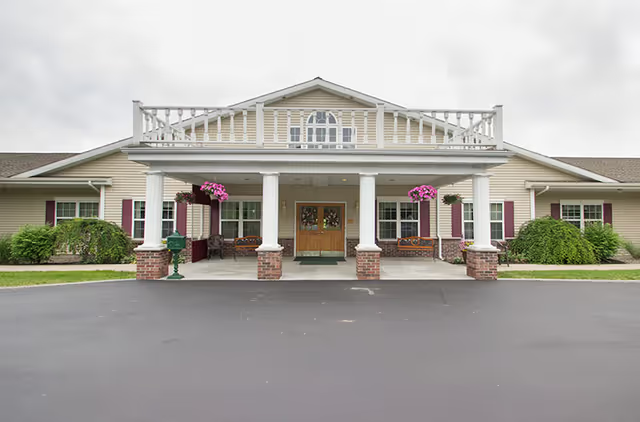
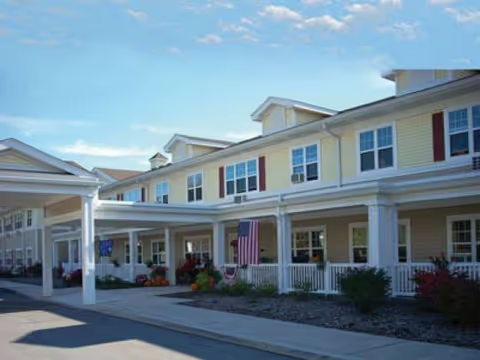
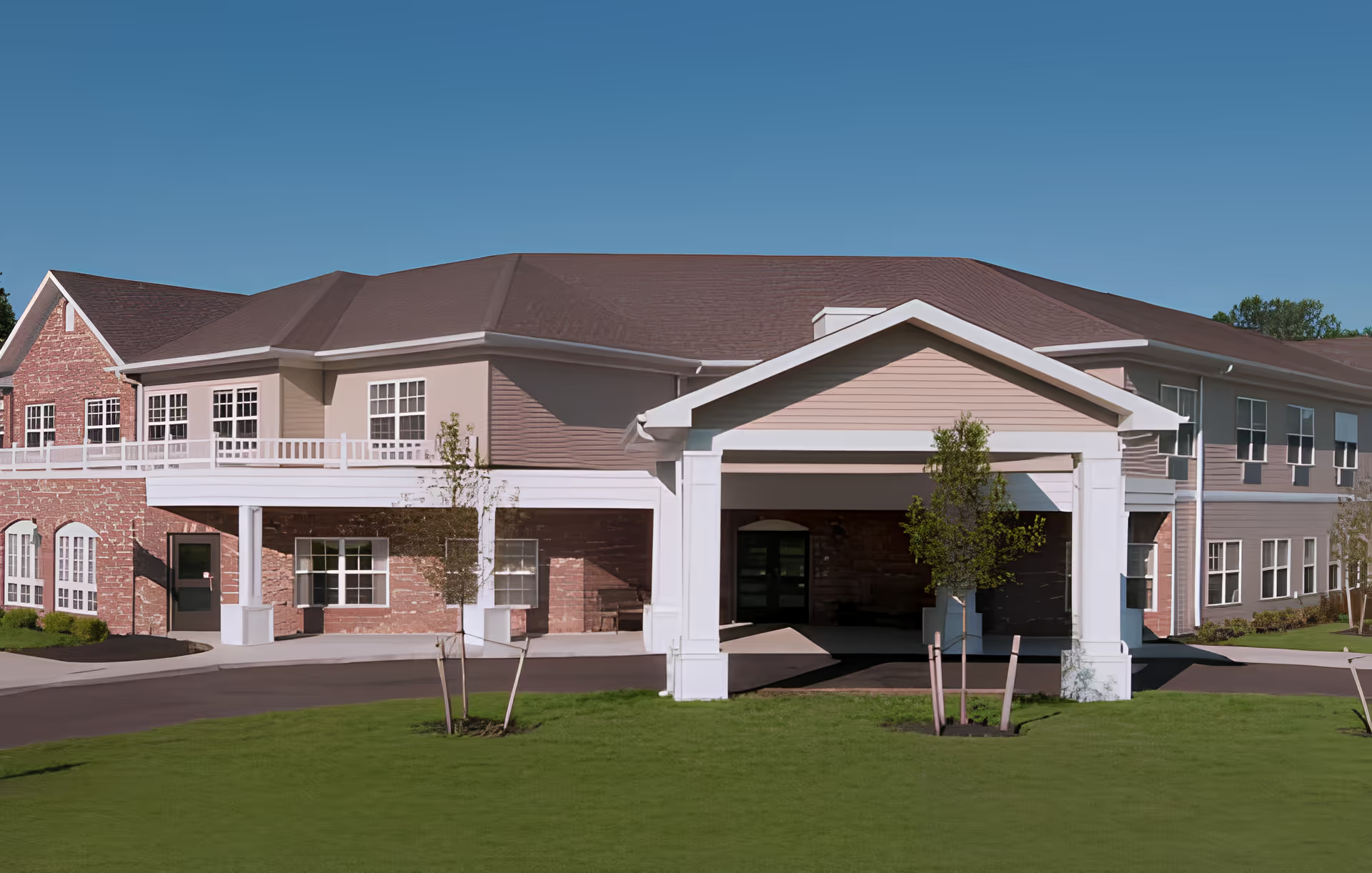
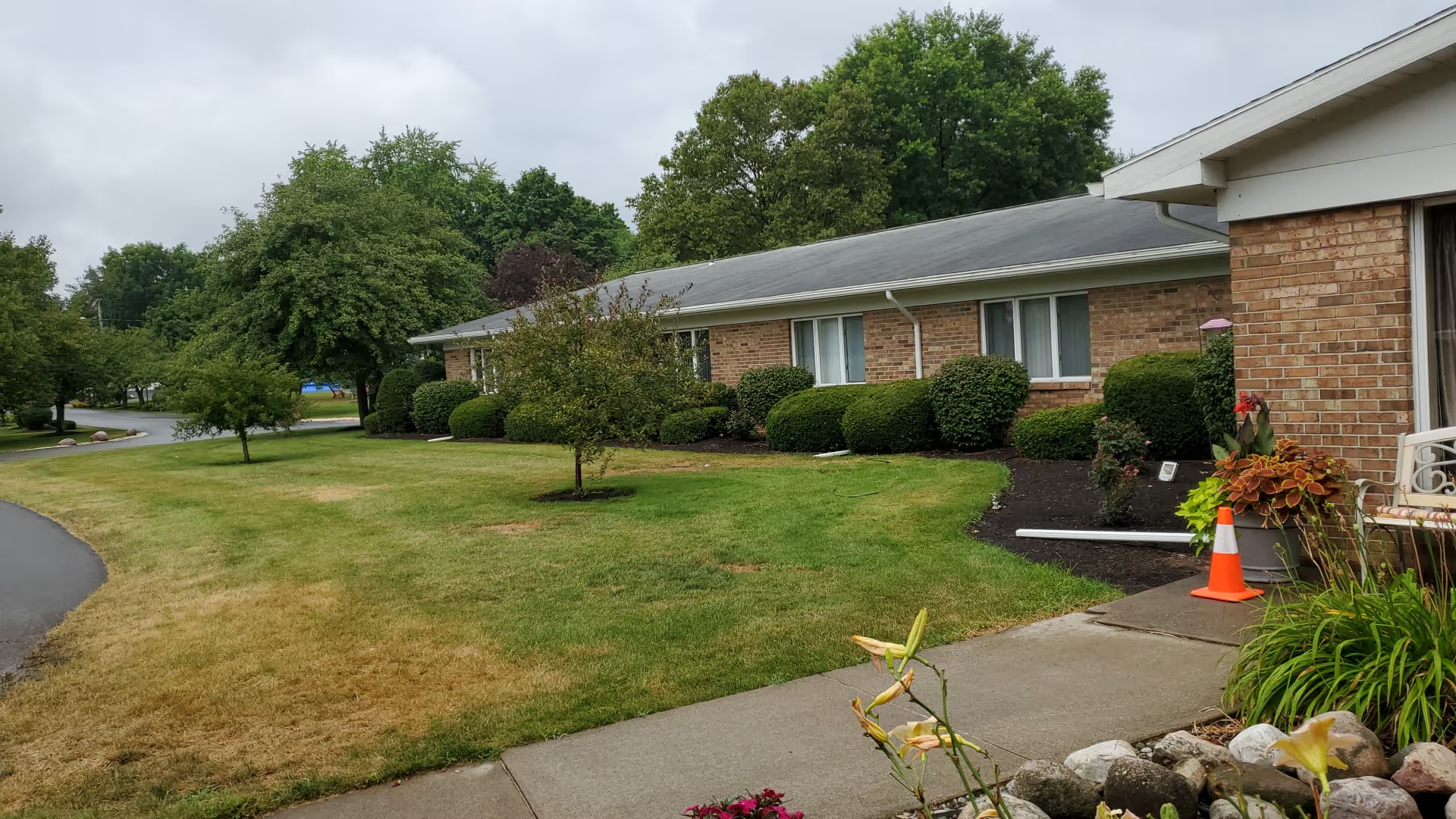
Facility condition reports are mixed. Several accounts describe clean, comfortable accommodations and a pleasant environment, while others raised sanitation and odor concerns in some areas and an allegation of theft or inadequate property security. These conflicting impressions indicate variability across units or shifts; families should inspect rooms and communal spaces in person and inquire about property-protection policies and recent housekeeping audits.
Overall pattern and recommendations: the facility demonstrates meaningful strengths in rehabilitation, recreation, and instances of compassionate care, making it a reasonable option for residents seeking active therapy and engagement. At the same time, recurring operational issues—notably short staffing, delayed response times, inconsistent emergency handling, unclear communication about rehab versus long-term placement, and property-security concerns—warrant direct questions during a tour. Recommended topics to address with management include current staffing ratios, emergency-response procedures, care-pathway expectations for short-term versus long-term stays, property-security measures, and recent infection-control and housekeeping records. These inquiries will help families weigh the facility's rehabilitative strengths against operational risks identified in the summaries.