Experiences at Elderwood at Wheatfield vary considerably by resident, care setting, and staff team. Positive accounts describe compassionate aides and nurses, attentive therapy teams, and staff who treat residents respectfully. Several families and former residents valued physical and occupational therapy during rehabilitation, and some described sustained, supportive care in long-term or dementia care. Other accounts raise concerns about delayed assistance, personal-care routines, medication management, clinical monitoring, and whether documented care needs were consistently followed. One family described serious end-of-life care concerns involving wound management, nutrition and hydration support, and swallowing safety. These accounts are individual reports and differ from families who expressed strong satisfaction with care.
Staffing and communication are recurring themes. Some families praised accessible staff, responsive administrators, and regular updates; others described difficulty reaching staff, delays in answering call systems, limited notice about changes in a resident’s condition, and concerns about staff conduct or follow-through. Turnover and staffing shortages were noted across several accounts, including comments that remaining employees sometimes worked hard to cover gaps. The mix of experiences suggests that reliability may vary by shift and unit. Families considering the facility may wish to ask how coverage is maintained, how care-plan changes are communicated, and how concerns are escalated.
Dining feedback is notably mixed, with repeated criticism of food quality, meal timing, limited choices, and accommodation of dietary needs. Some residents and families found meals acceptable or reported no concerns, while others described meals as unappealing or unsuitable for medical or swallowing needs. Activities are available at different levels, and visitors mentioned communal spaces and activity rooms; however, some families were unsure whether their relative could participate or what activities were being offered. Shared television access and recreation options were also criticized as limited in at least one account.
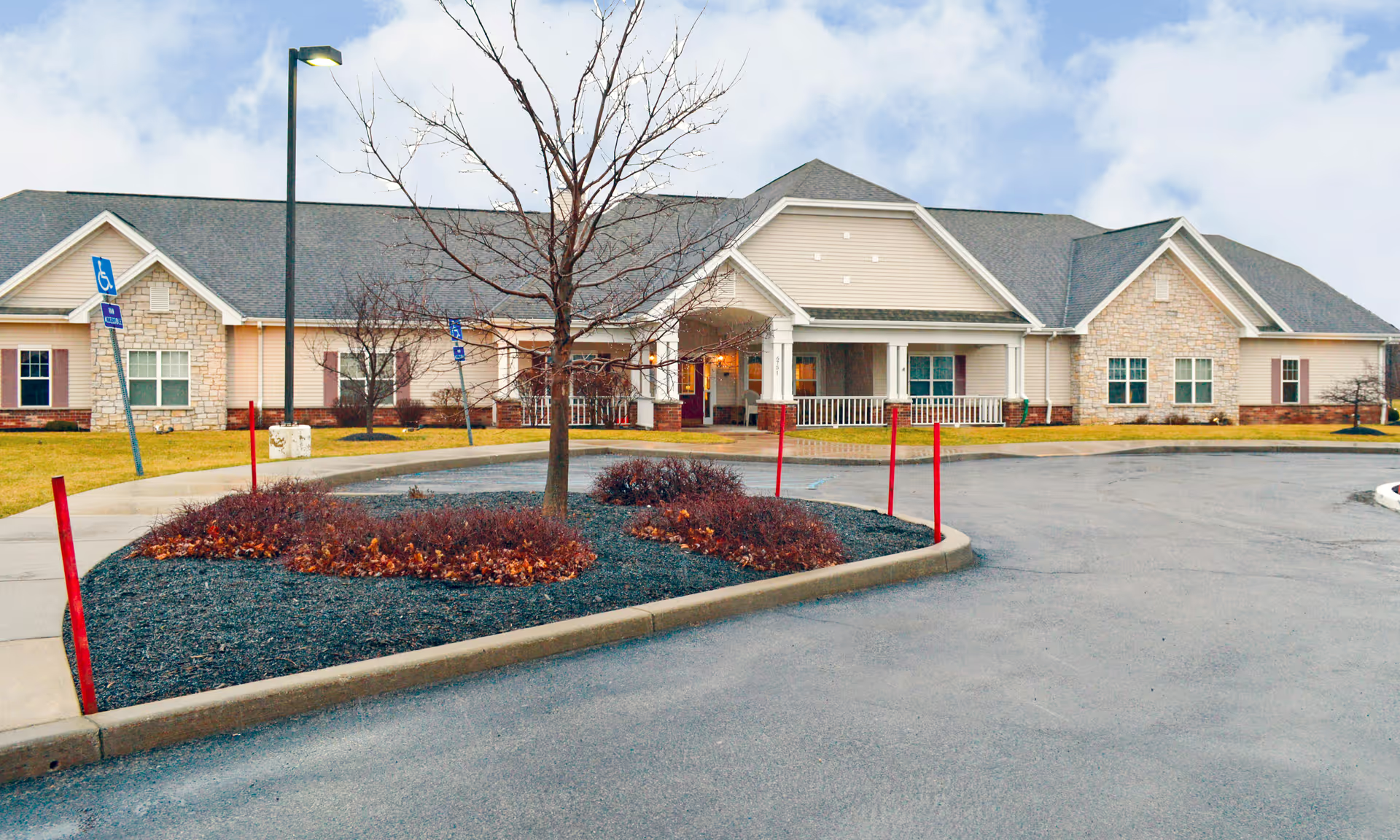
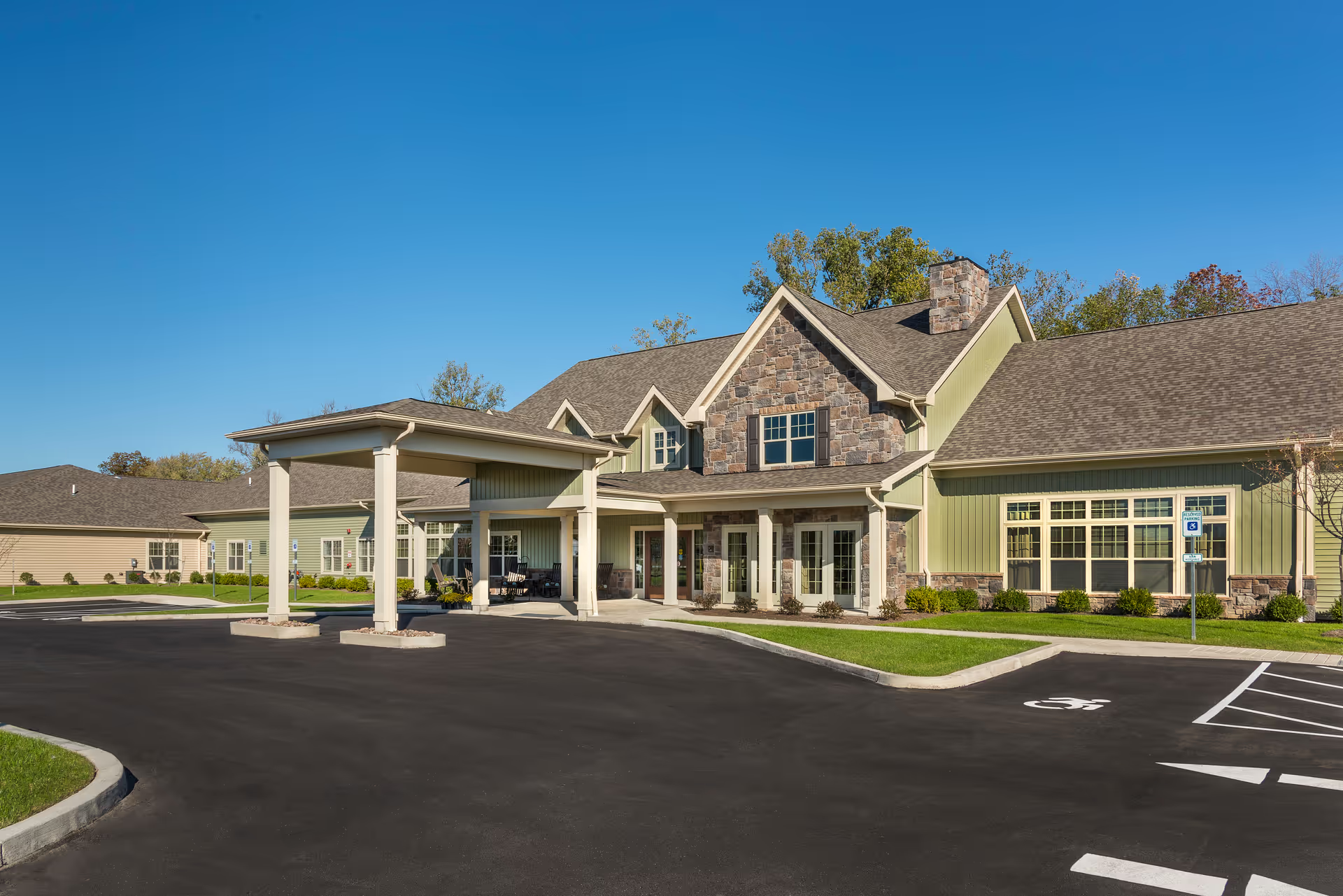
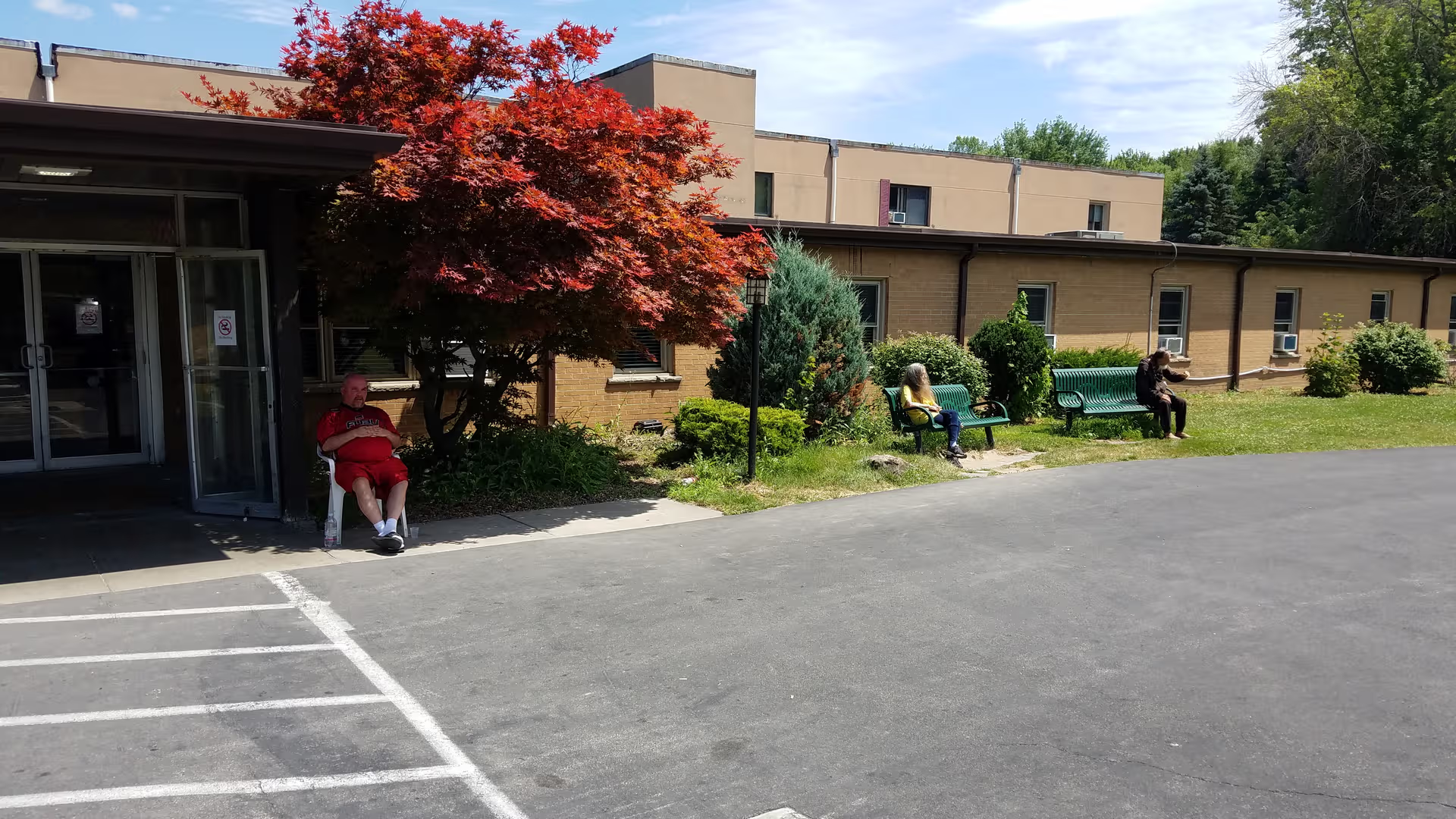
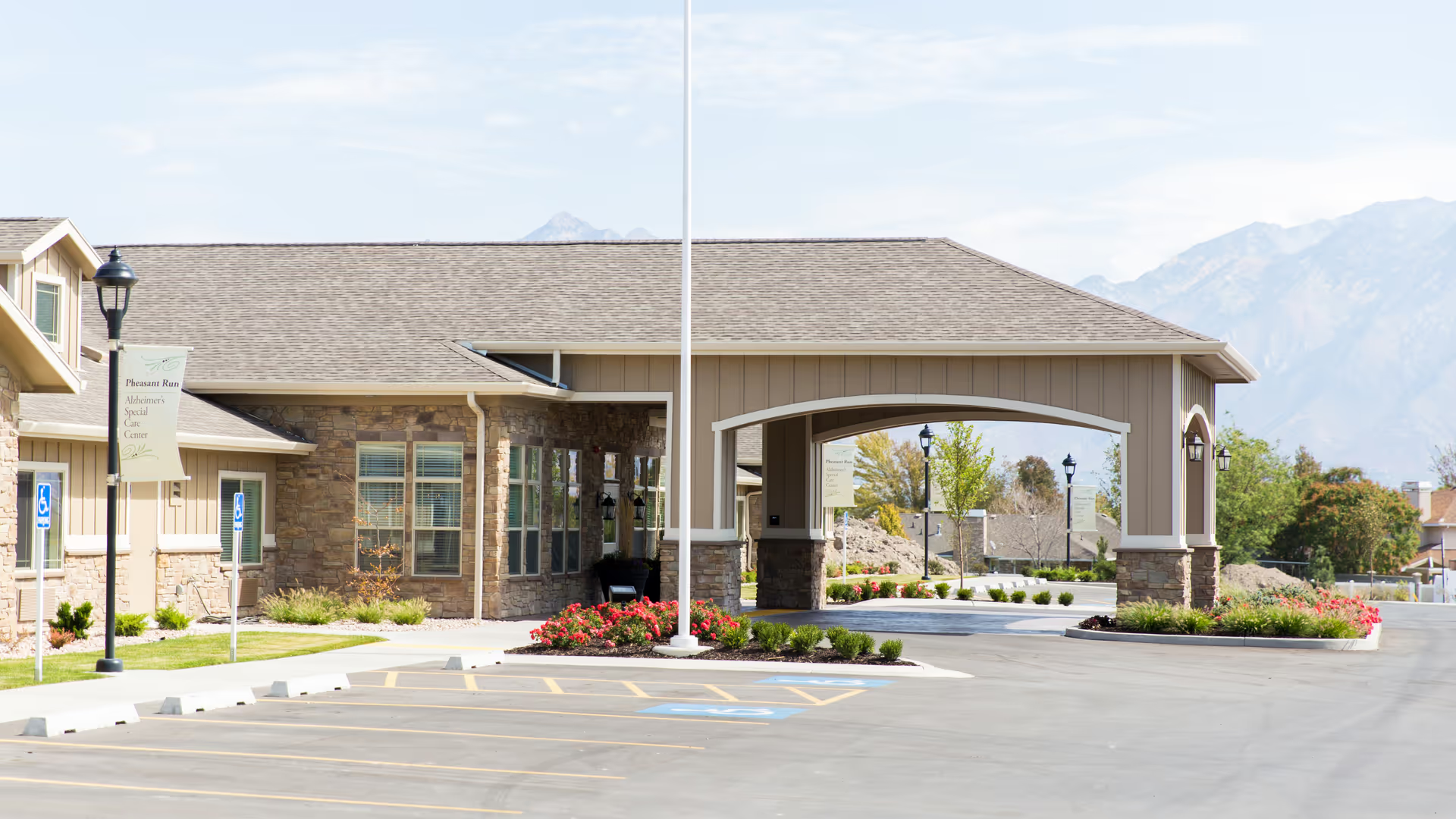
The physical environment received positive comments for cleanliness, brightness, and welcoming presentation, particularly during tours of assisted living. Other accounts described aging furnishings, room-maintenance concerns, and differences between advertised and assigned accommodations. Management was praised by some families as accessible and responsive, while others cited leadership turnover, communication problems, or limited accountability. The facility includes multiple levels of care, but reviewers described uncertainty about memory-care availability and the need to move when a resident’s needs exceeded the services available in a particular setting. Prospective residents and families may benefit from evaluating the specific unit and room, confirming the services available at that level of care, and discussing staffing, dietary accommodations, and communication practices directly with the facility.