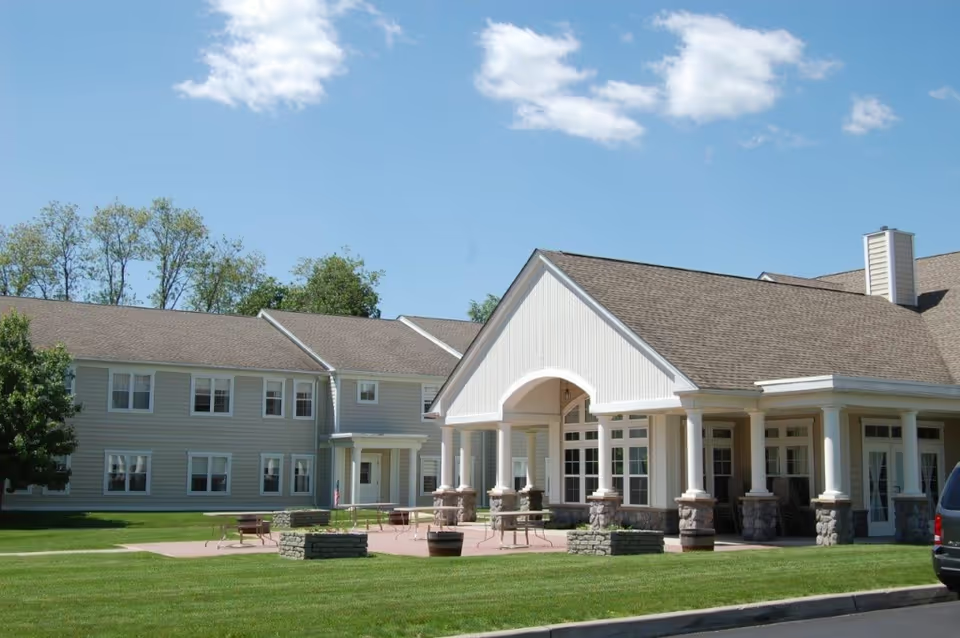
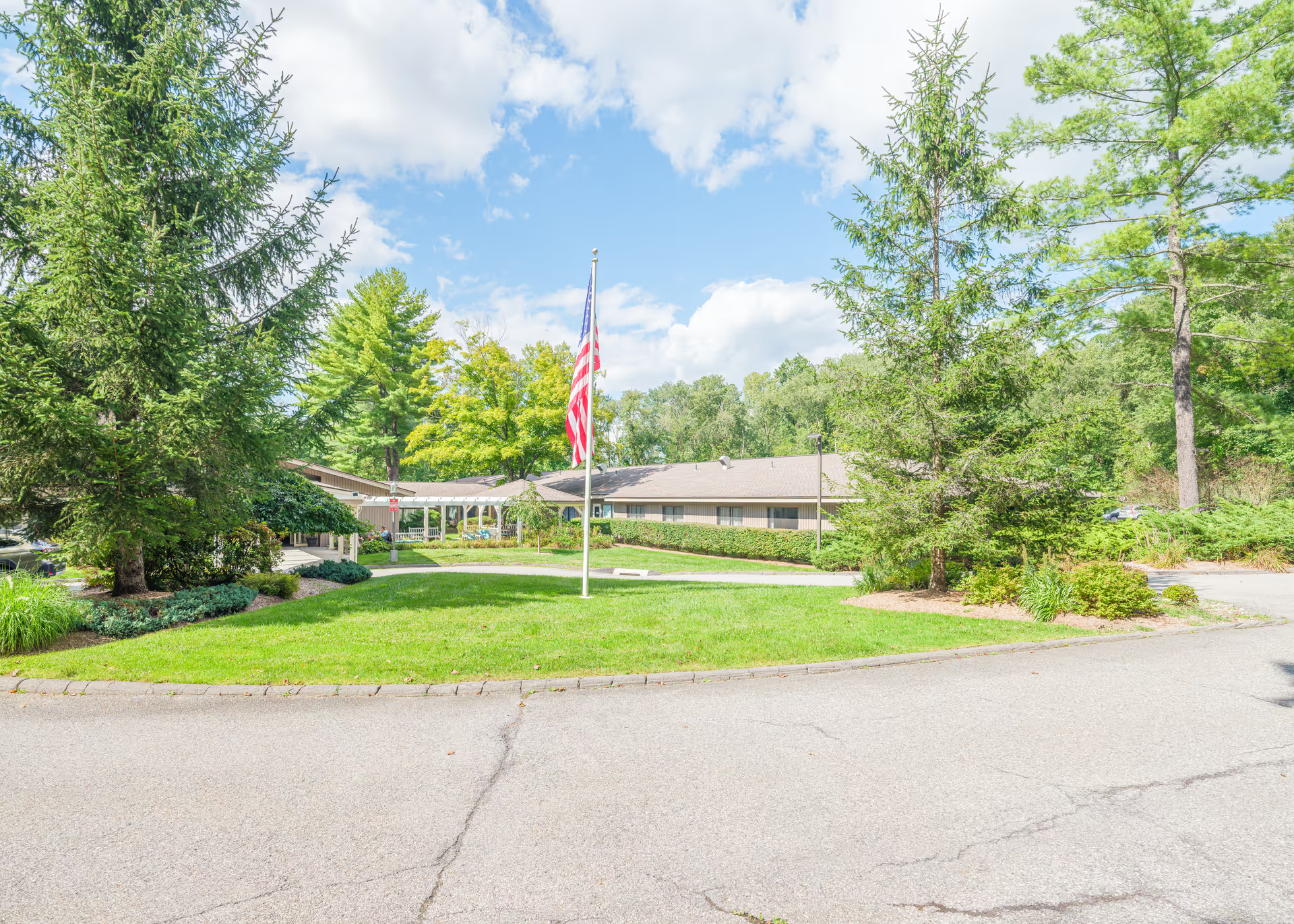
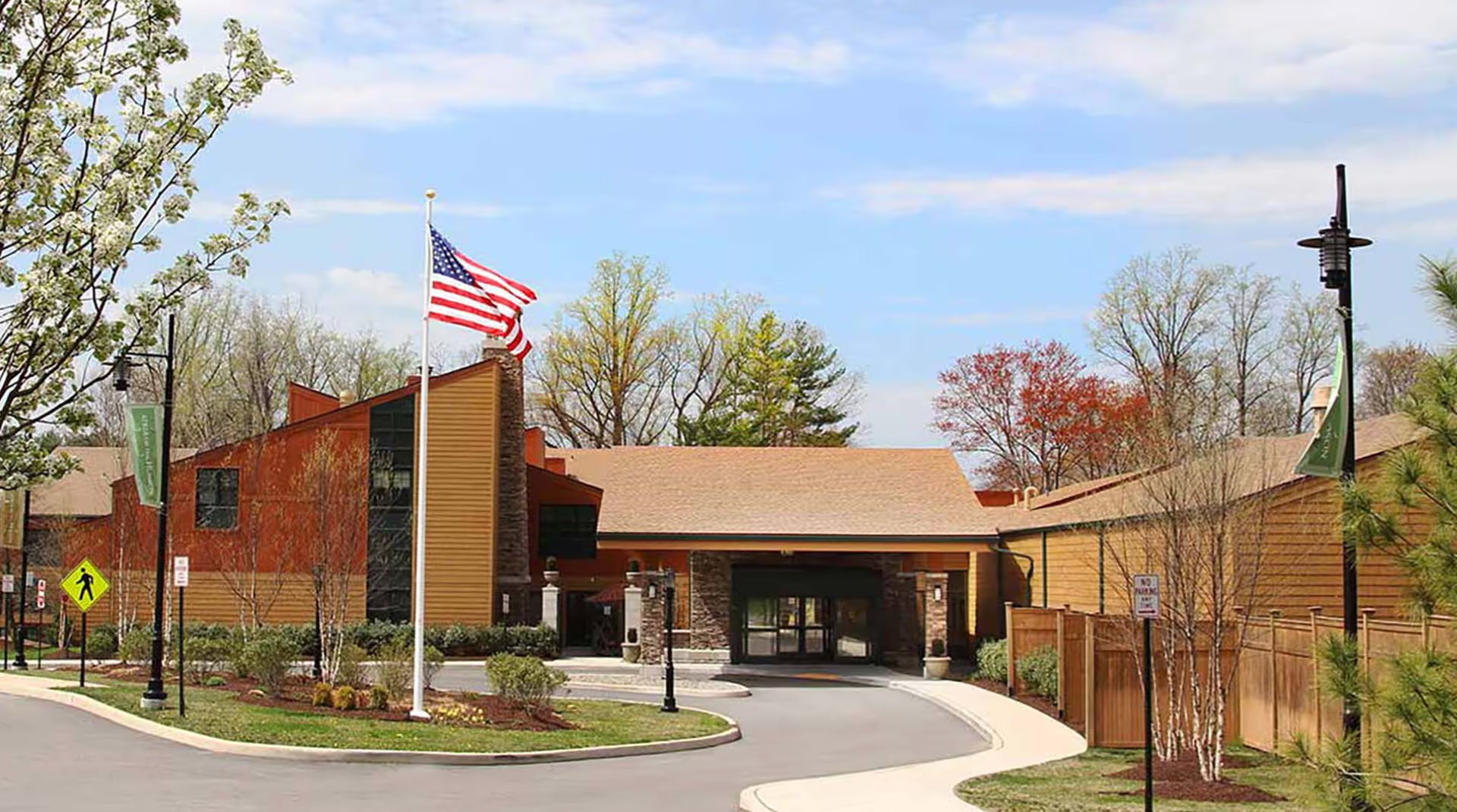
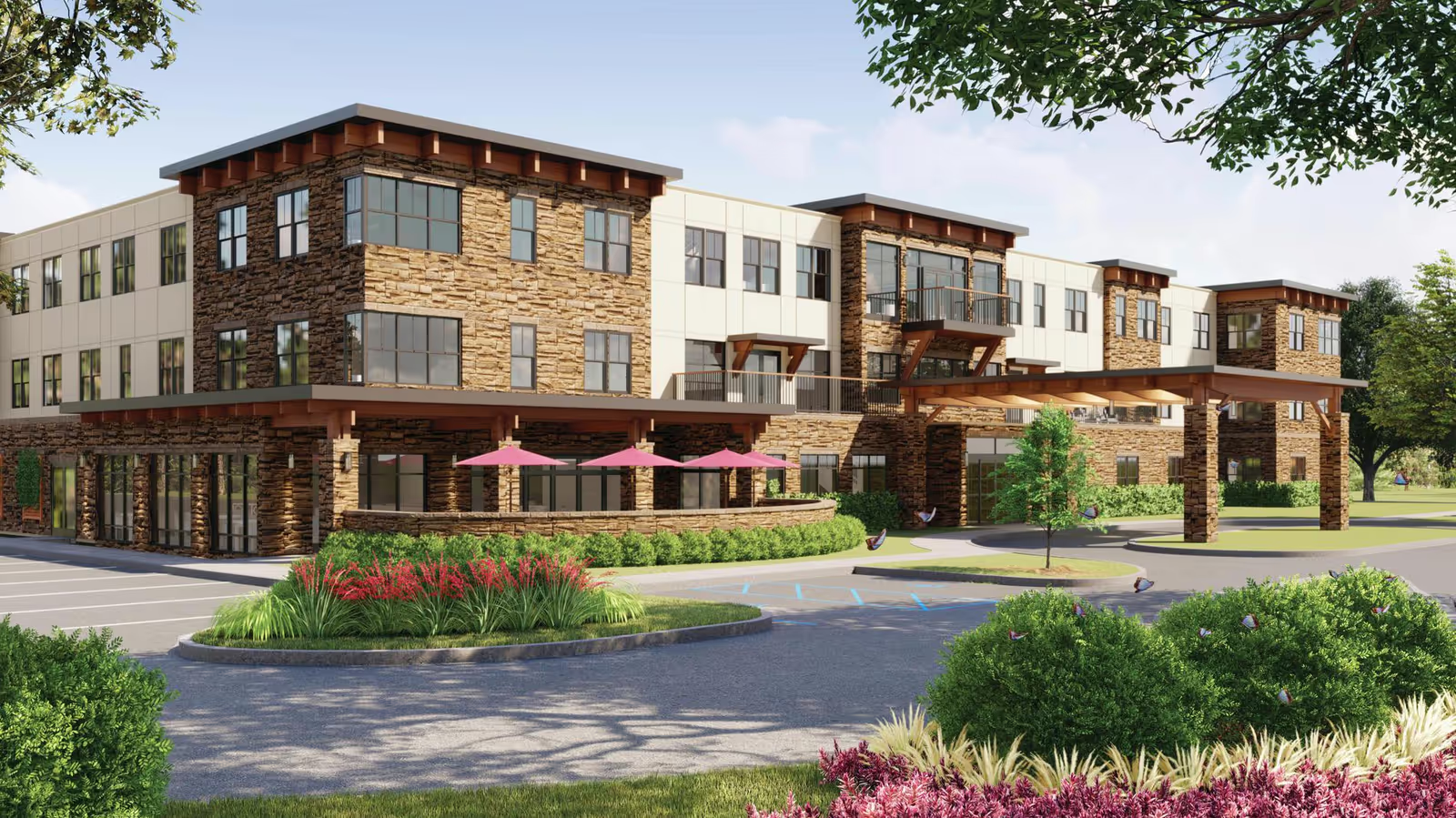
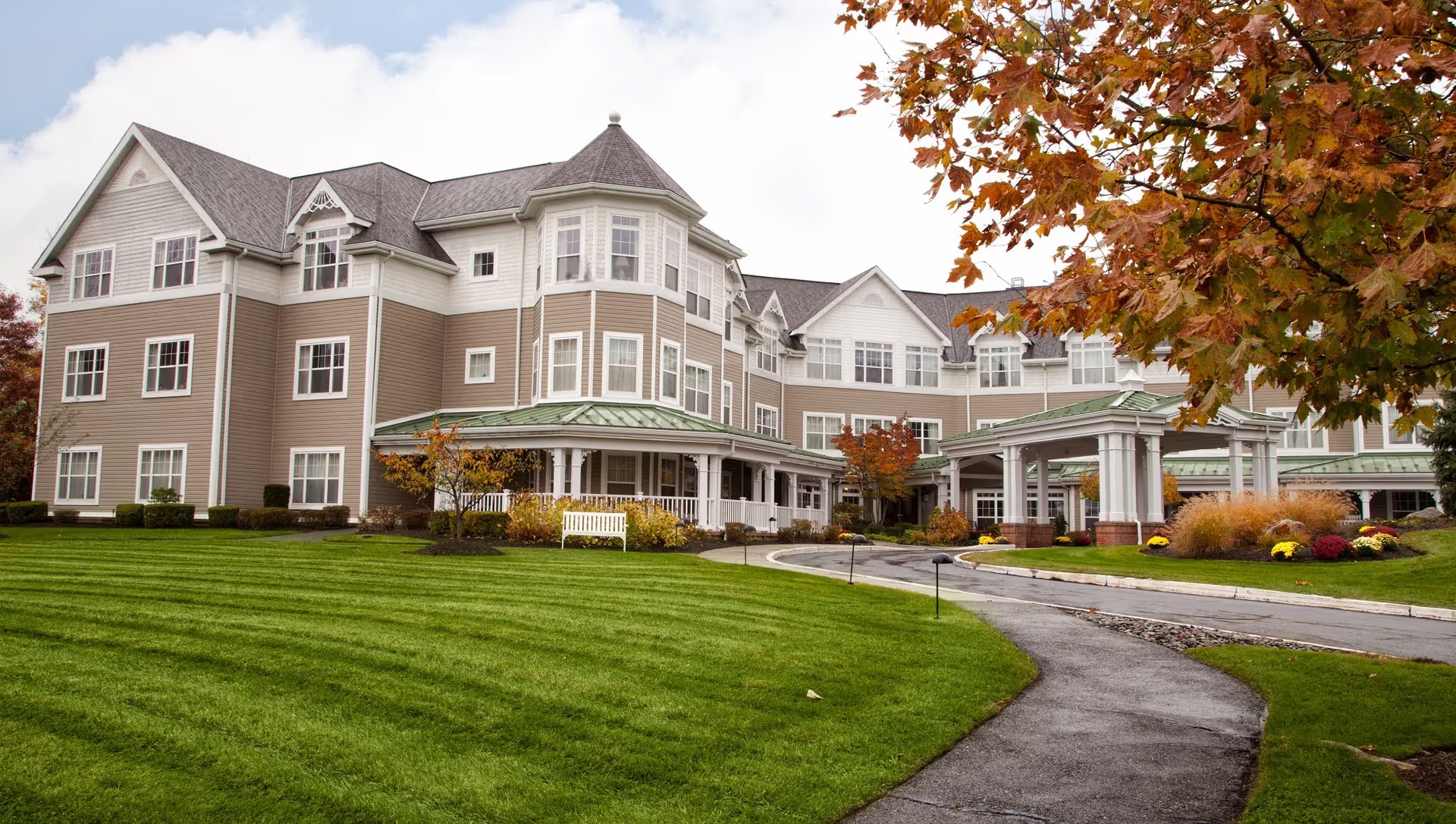
The reviews present a strongly mixed picture of care at The Emerald Peek Rehabilitation & Nursing Center. A substantial number of reviewers describe excellent rehabilitation outcomes, compassionate front-line caregivers, and a robust activities program. Physical and occupational therapy are frequent highlights — several reviewers credited specific therapists and short stays with meaningful functional improvements and safe return home. Many families and residents also praised the concierge/admissions staff, housekeeping, and certain nursing leaders for empathetic communication and practical support.
At the same time, recurrent operational concerns appear across reviews. Staffing levels and consistency are a common theme: reviewers describe periods when nursing and aide coverage seemed thin, leading to delayed assistance, inconsistent bathing and hydration support, and variable responsiveness to requests. Medication-administration and documentation practices were cited as problematic in multiple accounts, and a number of comments describe delays in clinical escalation or in arranging diagnostic tests. These issues have contributed to serious clinical outcomes for some residents in the narratives reviewed; allegations of significant clinical incidents and delayed emergency response were also raised.
Staffing and culture are presented as both a strength and a vulnerability. Numerous individual staff members — nurses, CNAs, therapists, and concierge personnel — receive strong, specific praise for compassionate, hands-on care. At the same time, reviewers repeatedly characterize staff as overworked or unevenly trained, producing variable day-to-day experiences depending on shift and unit. This variability extends to housekeeping and facility maintenance: many reviewers report clean common areas and attentive room cleaning, while others cite dated rooms, maintenance lapses (fixtures, rust/mold concerns), and sporadic sanitation issues in specific units.
Dining and programming likewise show polarity. The facility’s Culinary Excellence program and tailored meal plans earned high marks from several reviewers; the activities schedule (live music, painting, outdoor visits, bingo, and themed events) is often described as engaging and beneficial to morale. Conversely, a subset of reviewers described inconsistent meal quality, cold meals, and dietary delivery problems. The therapy spaces and rehabilitation equipment are frequently described as practical and well-appointed, supporting strong therapy outcomes for many residents.
Management and administrative processes receive mixed feedback. Concierge, admissions, and some clinical leaders are praised for advocacy and communication, but other reviewers report inconsistent family updates, problems with discharge planning and coordination, and concerns about billing transparency and documentation practices. Several comments indicate families felt the need to be present and actively monitor care to ensure timely attention. Staffing-resource constraints and employee compensation concerns were also noted as contributing factors to variability in care.
Overall pattern: reviewers commonly distinguish between two experiences — one characterized by focused, effective rehabilitation and compassionate individual caregivers, and another characterized by intermittent operational weaknesses (staffing, medication/documentation controls, hygiene and maintenance consistency, and administrative transparency). Prospective residents and families may benefit from assessing current staffing ratios, medication-safety procedures, hydration and hygiene schedules, maintenance responsiveness, and billing practices during a tour or intake conversation. The facility appears capable of delivering high-quality rehabilitation and person-centered interactions, but sustaining that level consistently across shifts and units is the primary area of concern reflected in these reviews.