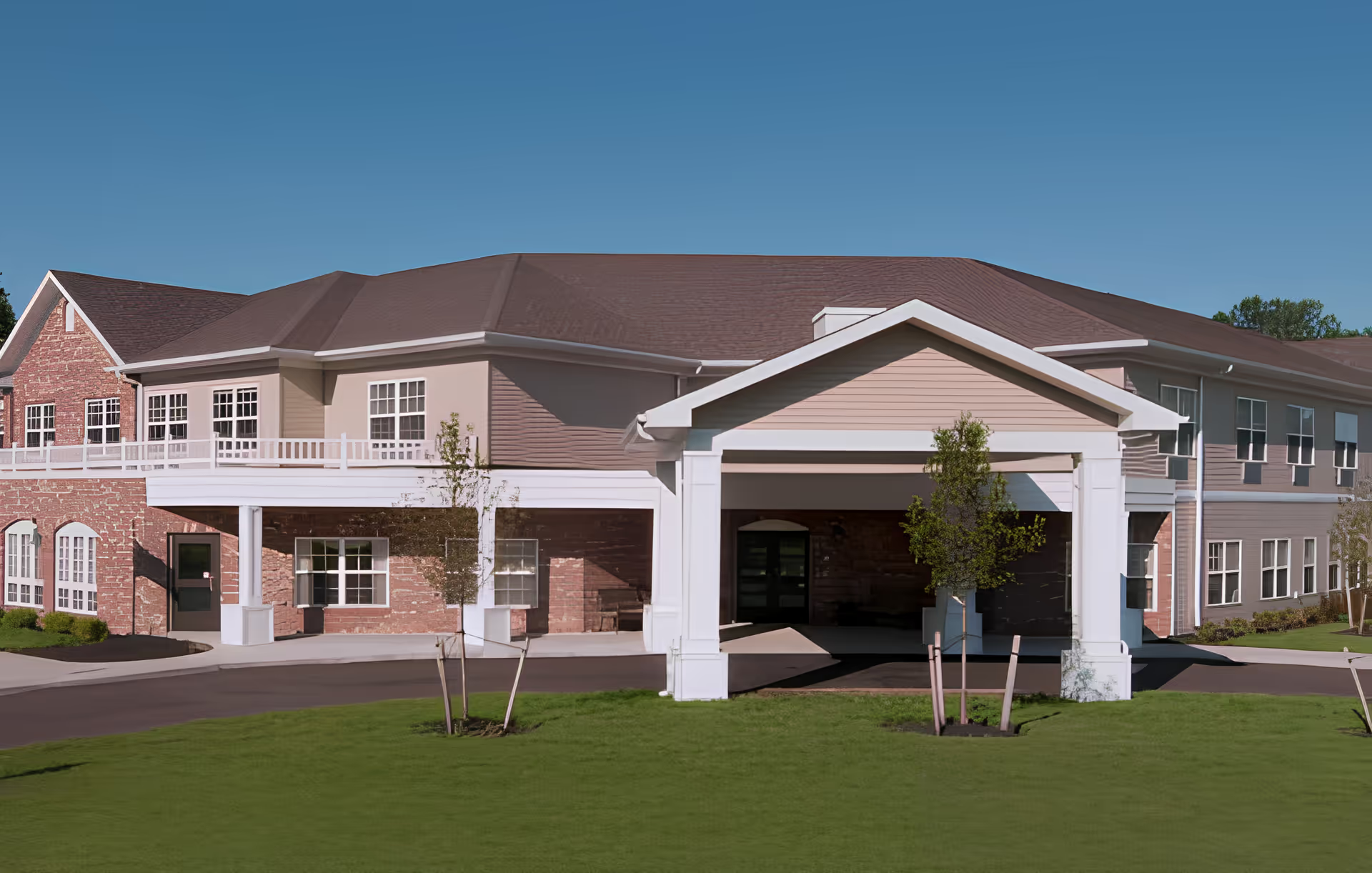
Brookdale Pittsford elicits a mixed but consistent pattern: the facility's strongest attributes are its memory-care focus, activity programming, and many staff members who are described as warm, attentive, and resident-centered. The Clare Bridge dementia model, single-floor, secure memory unit design, and sensory-oriented spaces are repeatedly cited as appropriate for residents with cognitive impairment. Families frequently praise the activities schedule—music therapy, exercise, outings, and tailored programming—and note that the dining experience can be flexible and accommodating when staffed appropriately.
Care quality descriptions vary by unit and by shift. Numerous accounts emphasize compassionate, well-trained caregivers and meaningful daily routines; however, a contrasting pattern of staffing instability and turnover emerges. Several families described reduced clinical coverage compared with earlier operations (including the loss of around-the-clock nursing oversight), leading to overburdened frontline staff. Those operational pressures are associated with delays in attending to toileting and hygiene needs, missed or delayed medication administration, and inconsistencies in routine care. Of particular note are descriptions of medication-administration errors and coordination gaps with pharmacy processes, which families identified as a significant operational risk.
Dining and nutrition are strengths in many narratives: freshly prepared meals, chef accommodations, and flexible choices are appreciated. At the same time, others described rushed meal services and inconsistent timing that can compromise mealtime experience for residents who need assistance. Activities are a clear asset—an engaged activities director, frequent programming, and opportunities for social engagement receive recurring positive mention and appear to support resident wellbeing.
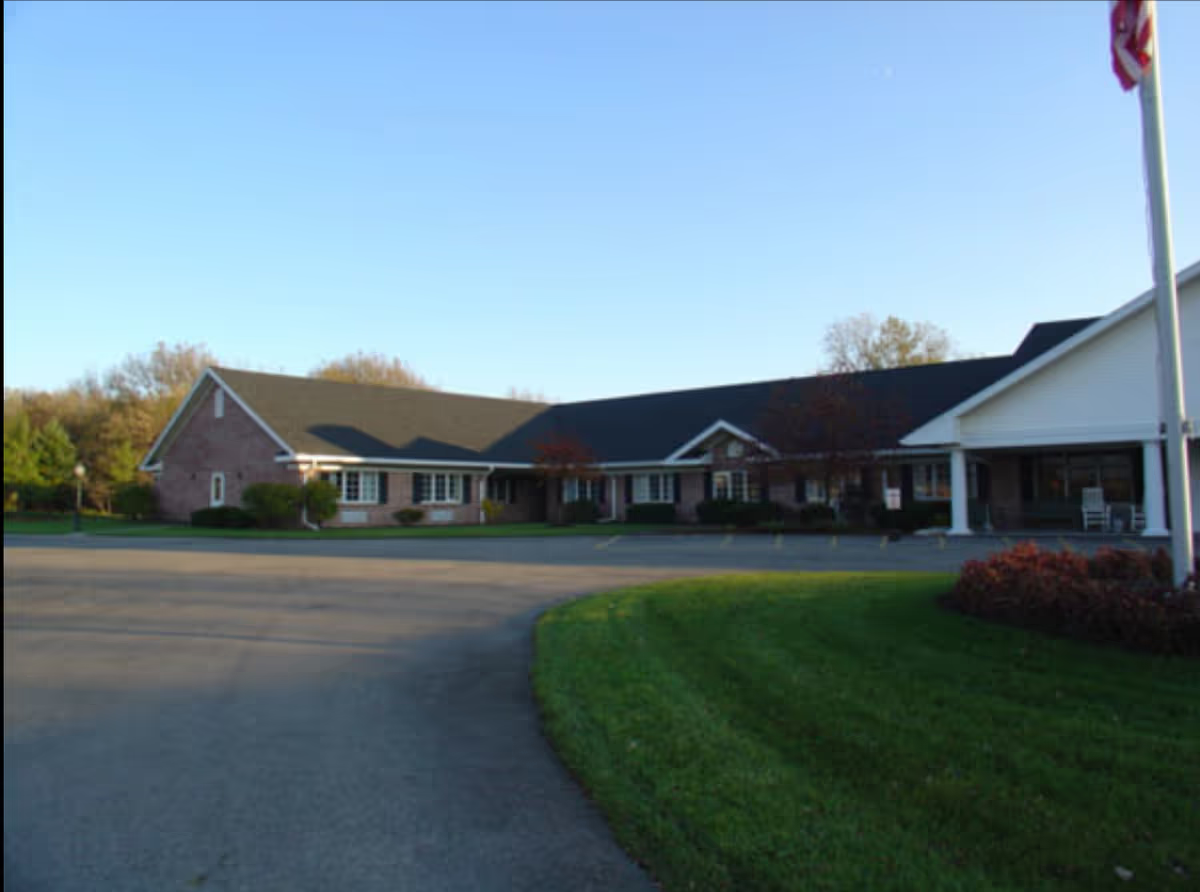
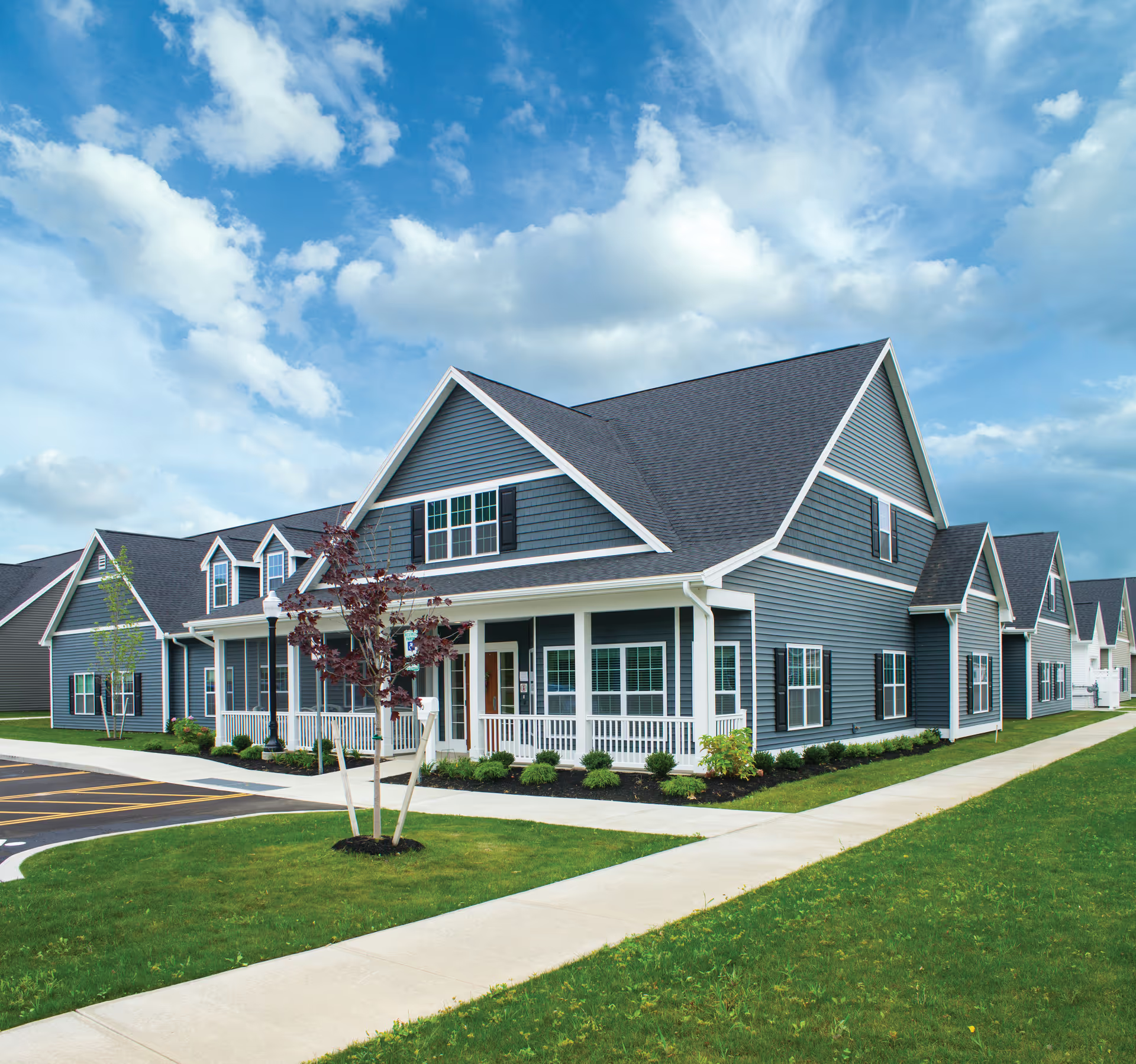
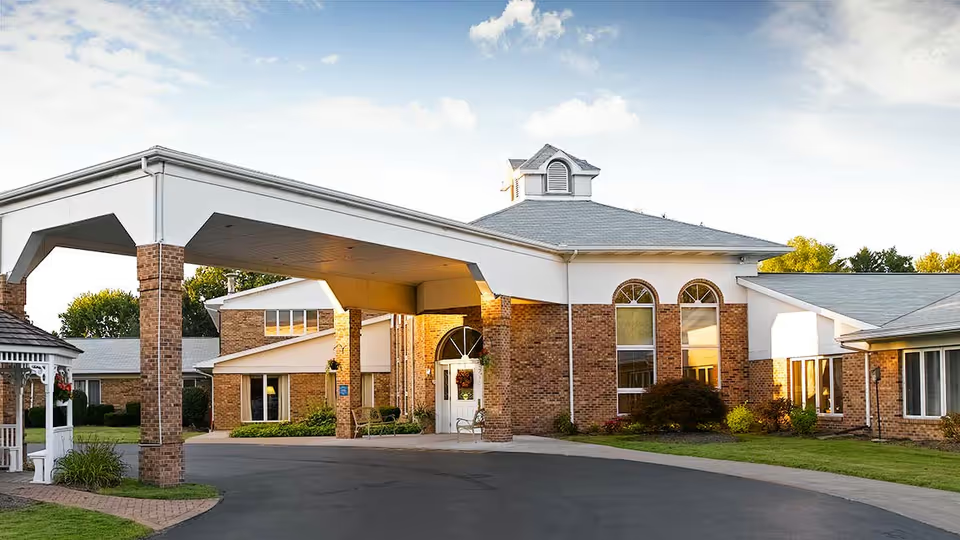
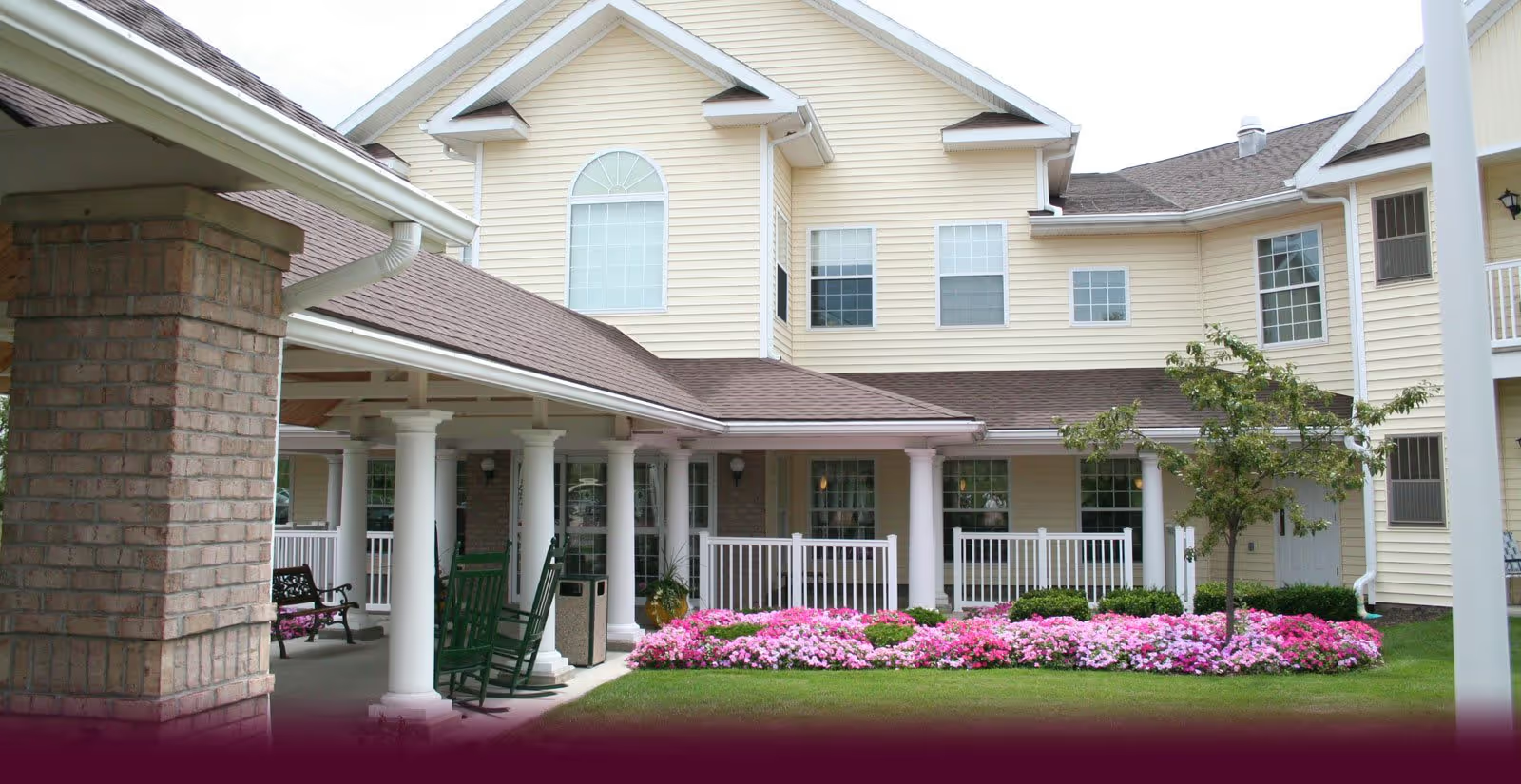
The physical environment is often described as home-like, attractively furnished, and clean in public areas; private rooms with en-suite bathrooms are available. That said, some reviews point to maintenance and infrastructure inconsistencies and variable room sizes. Safety and security features—such as alarmed doors and secure memory-care layouts—are present, but families noted inconsistent adherence to safety protocols in certain cases. There are isolated allegations of more serious safety incidents and of police involvement; these accounts underline the importance of verifying recent inspection records and incident responses.
Management and administrative themes include a perceived decline in consistency following a change in ownership/branding, occasional organizational disarray (paperwork and handoff problems), and periodic changes in leadership or staffing that affected morale. Price increases and questions about value relative to level-of-care were also a recurring concern.
Recommendation for prospective families: Brookdale Pittsford offers a strong memory-care model, robust activities, and many dedicated staff, which can make it a good fit for residents who will benefit from structured programming and a home-like environment. Because experiences appear to vary by unit and by shift, visitors should ask specific, current questions about staffing ratios and turnover, 24/7 clinical coverage, medication-administration protocols, incontinence and bathing schedules, incident-notification procedures, recent state inspection history, and how the facility supports continuity of care during management or staff transitions. A focused tour, meeting the unit leadership and activities director, and checking recent clinical and inspection records will help families assess whether the facility’s current operational practices meet their loved one’s needs.