Reviews of Central Island Healthcare present a strongly mixed picture, with repeated praise for the therapy program and many frontline staff but also numerous operational and clinical concerns. The facility is frequently commended for its rehabilitation services: therapists, structured therapy goals, on-site gym equipment, and successful short-term discharges are noted by families who experienced measurable functional improvement. Many reviewers also highlight compassionate nursing and aide staff, engaged social workers, responsive admissions and office personnel, routine linen/laundry service, and proactive recreation programming that supports social engagement.
At the same time, a consistent cluster of concerns centers on day-to-day care reliability and clinical processes. Multiple accounts describe delays in responding to assistance requests, inconsistent caregiver continuity across shifts, and what families perceive as gaps in clinical escalation or medication management. These operational weaknesses have been linked by some reviewers to adverse clinical outcomes, including hospital transfers for infection or dehydration concerns. Sanitation and incontinence-care issues are cited in certain units, indicating uneven implementation of basic care practices. Reviewers also describe variability in therapy scheduling and duration, suggesting that therapy intensity can differ by unit or by staff assignment.
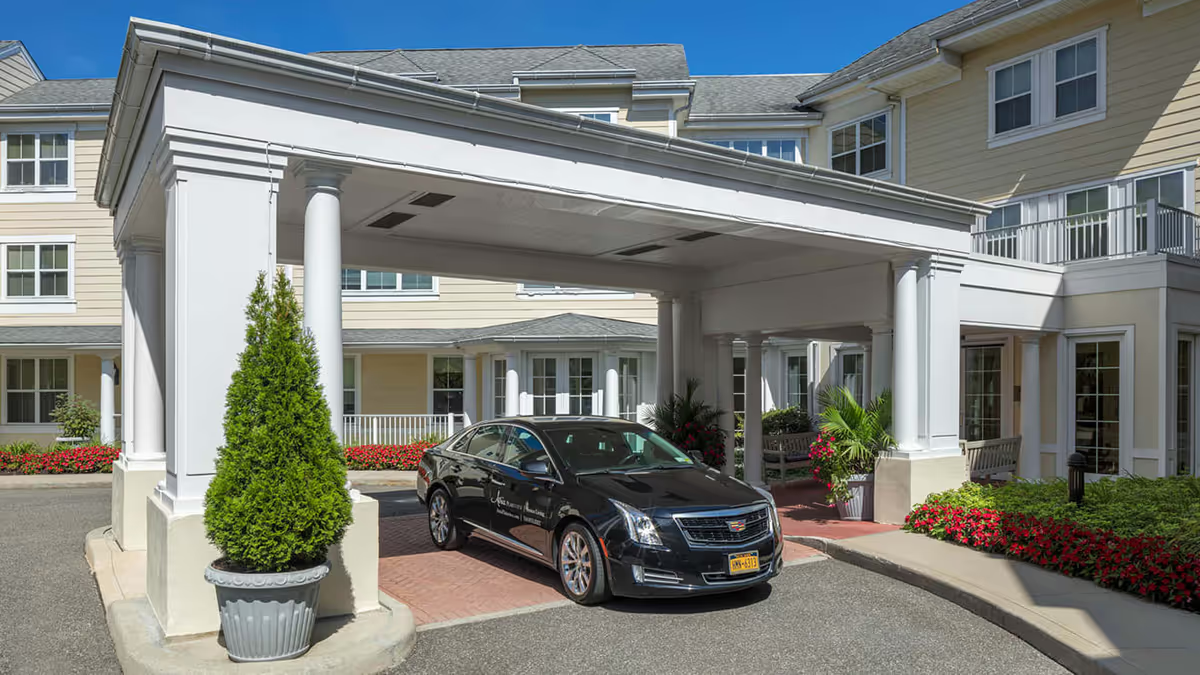
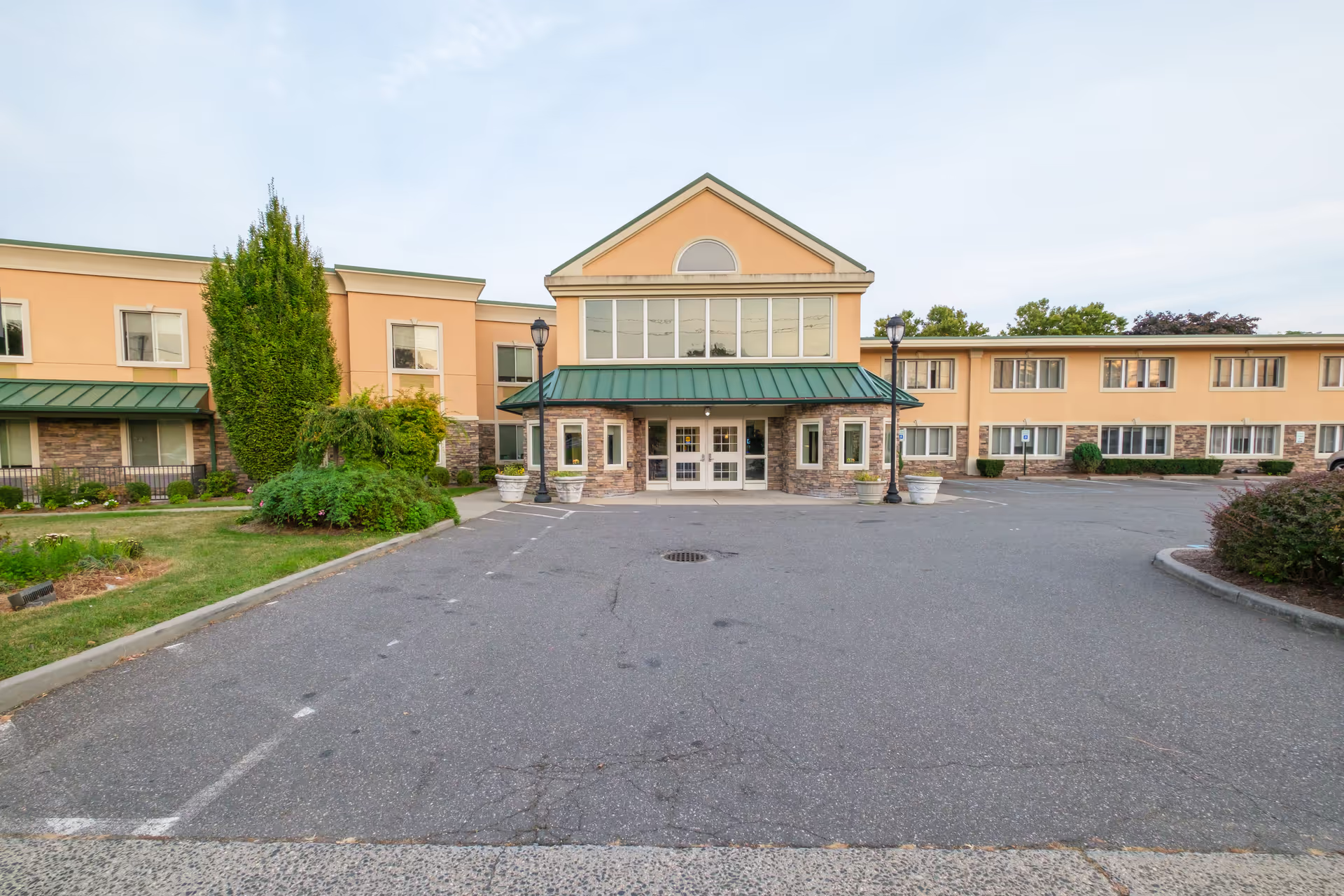
Facility environment and management practices attract both praise and criticism. Several reviewers describe clean, well-maintained rooms, pleasant views, and orderly common areas, while others note maintenance deficiencies such as HVAC problems, ceiling and parking-lot issues, and inconsistent temperature control. Noise and frequent alarm activation with delayed responses were also mentioned as factors that affect resident comfort. Administrative and communication gaps appear repeatedly: families describe poor discharge coordination, missing or informal record-keeping, and inconsistent notifications about clinical changes. Cost and perceived value are recurring themes — the facility is described as expensive relative to assisted living alternatives, and some families question the cost–benefit balance when care consistency is uneven.
Dining and activities are generally viewed positively. Meal service is described as attentive, with substitutions available and staff willing to accommodate preferences; recreation staff are credited with organizing social events, outings, and in-house programming. These services contribute to positive short-term rehab experiences for many residents. However, some food textures and meal presentation for modified diets were described as less appealing.
Taken together, the pattern in these reviews suggests variability in resident experience that may depend on unit, shift, and care team. Central Island Healthcare appears to perform well for residents focused on short-term rehab and who can engage with therapy and social services, particularly when working closely with case management. Prospective residents and families seeking longer-term, higher-acuity care should proactively verify staffing levels, response times, clinical escalation protocols, sanitation practices, documentation processes, and out-of-pocket costs. If possible, arrange for a tour during peak and off-peak hours, speak with the therapy team and case manager about individualized plans, and request clarity on nurse and physician coverage to assess whether the facility’s operational practices align with the resident’s needs.