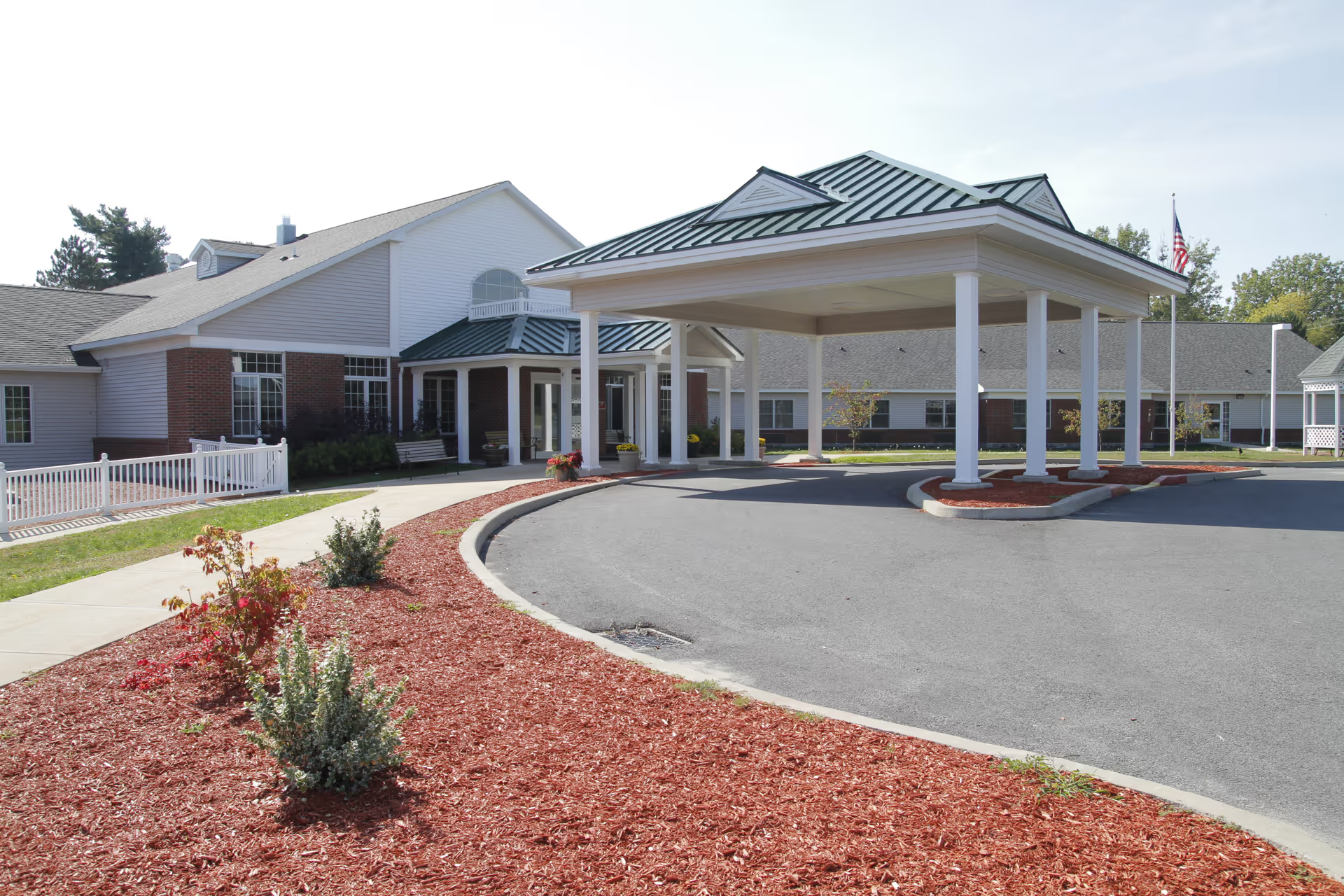
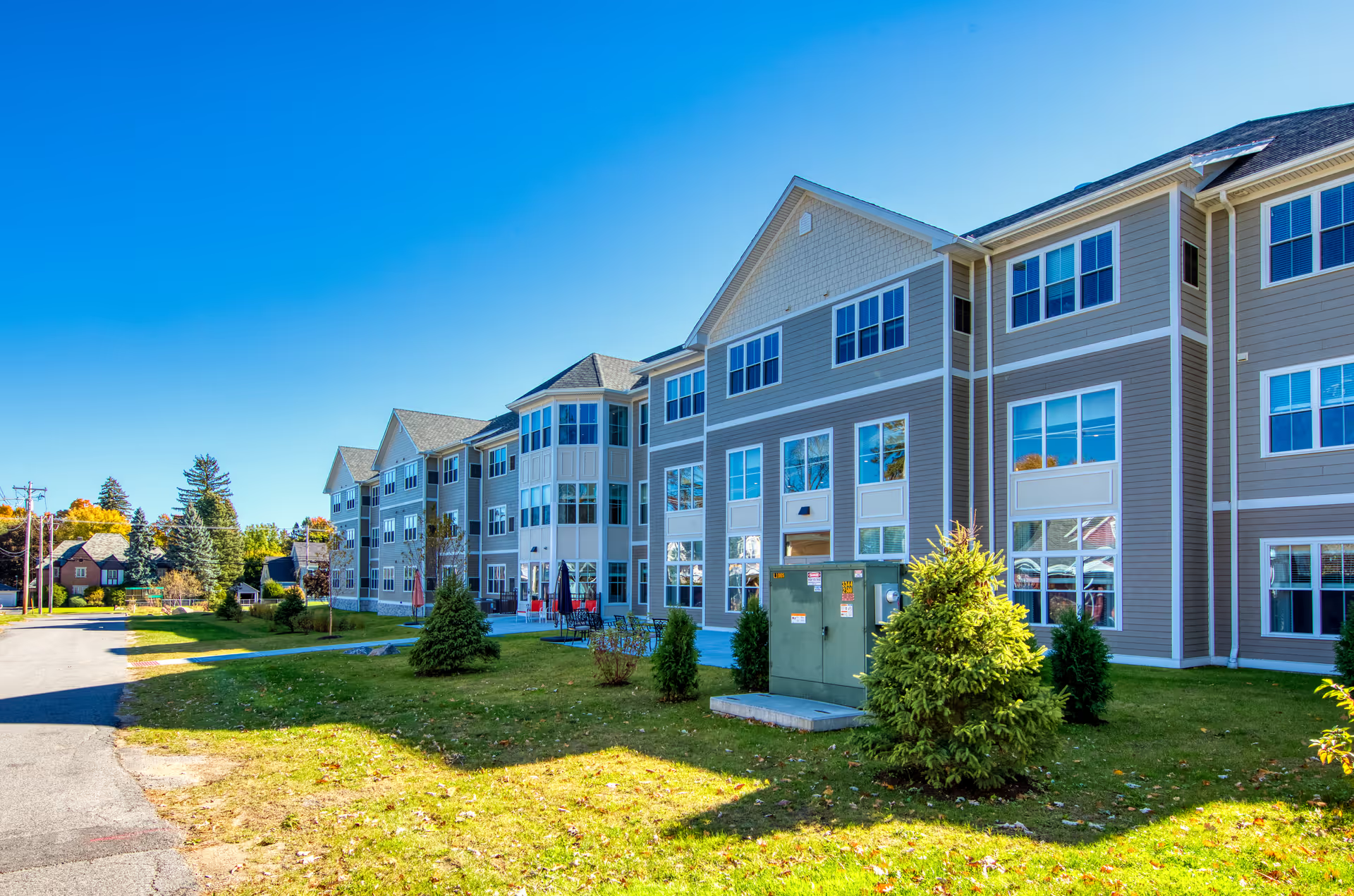
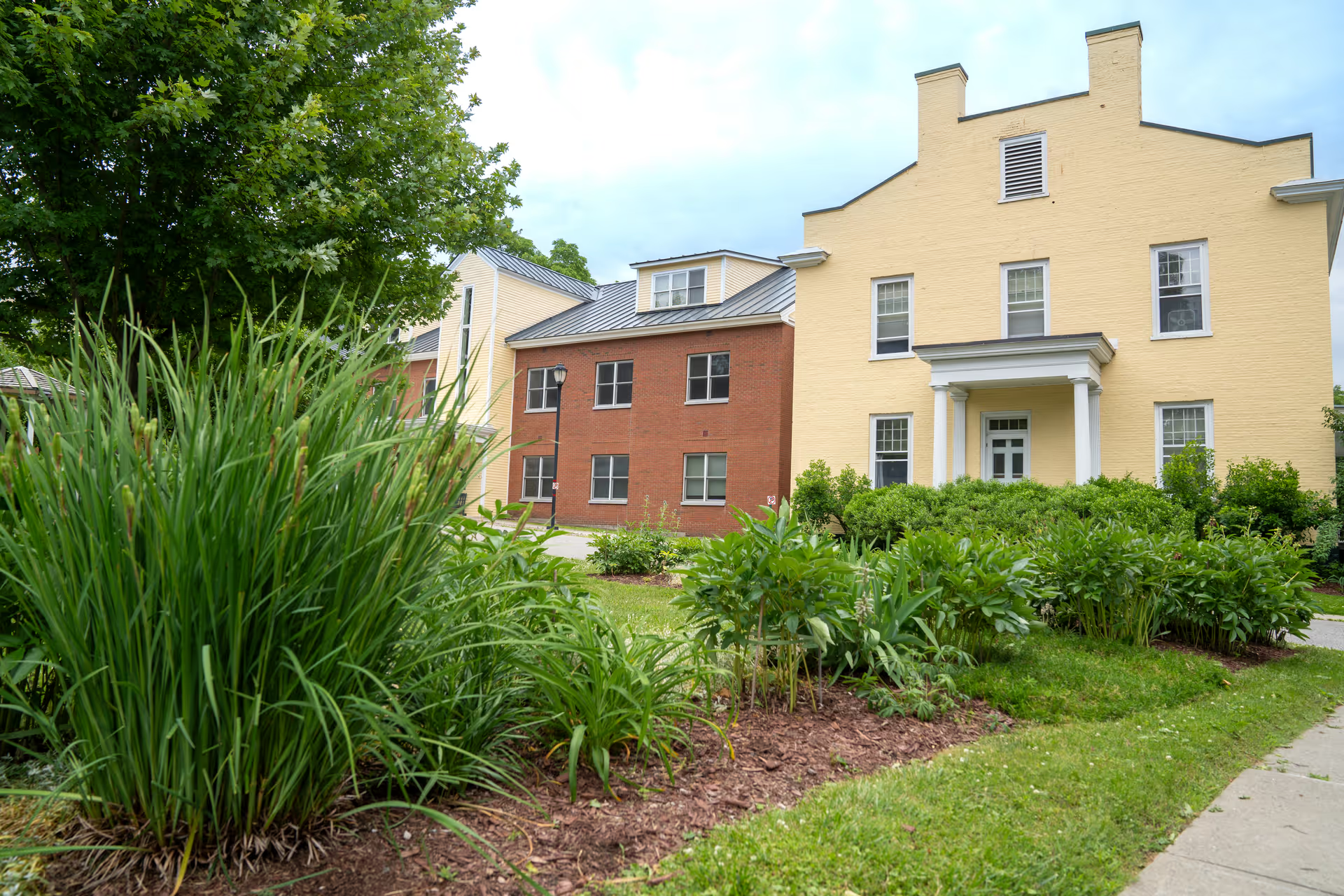
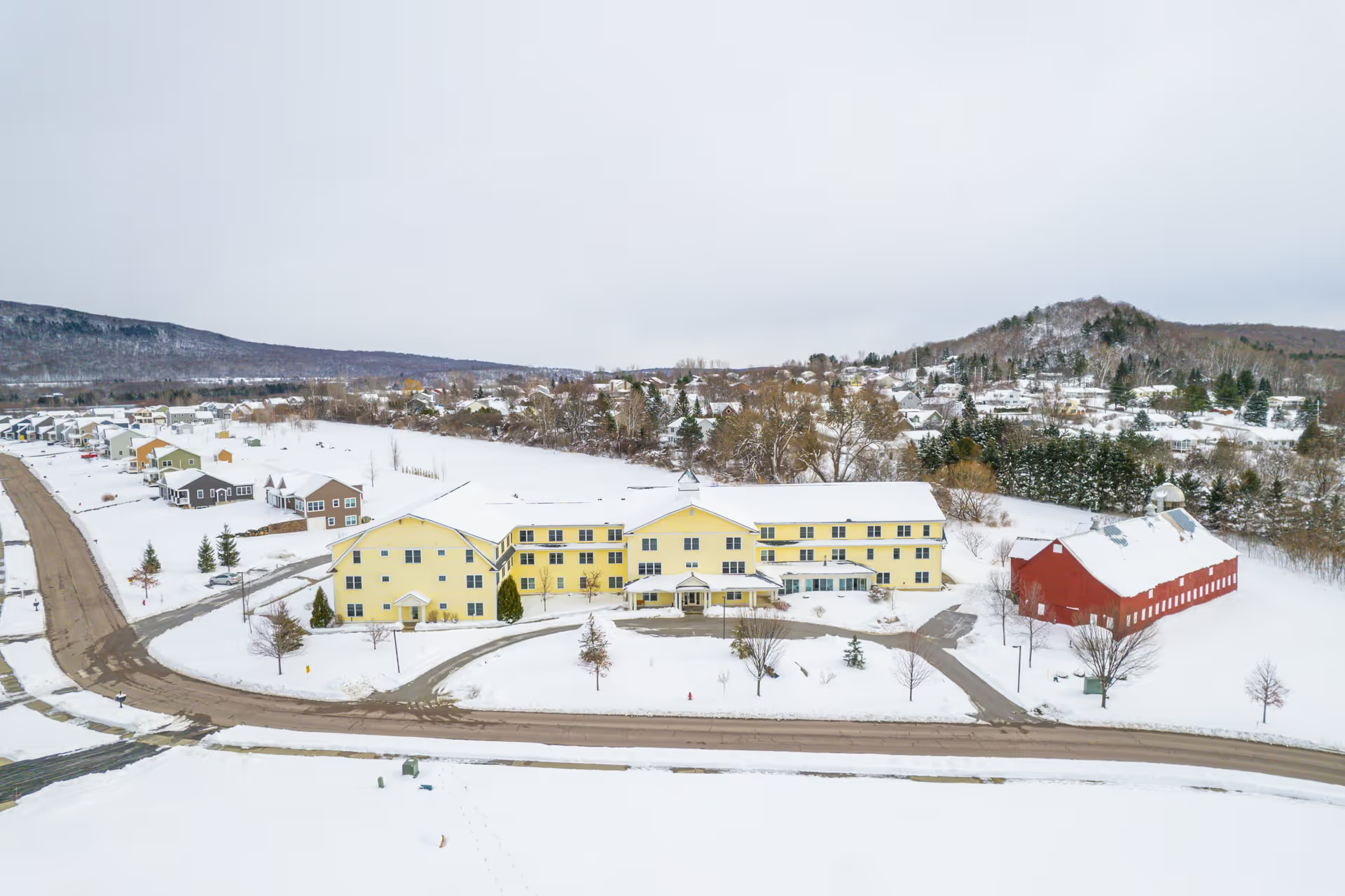
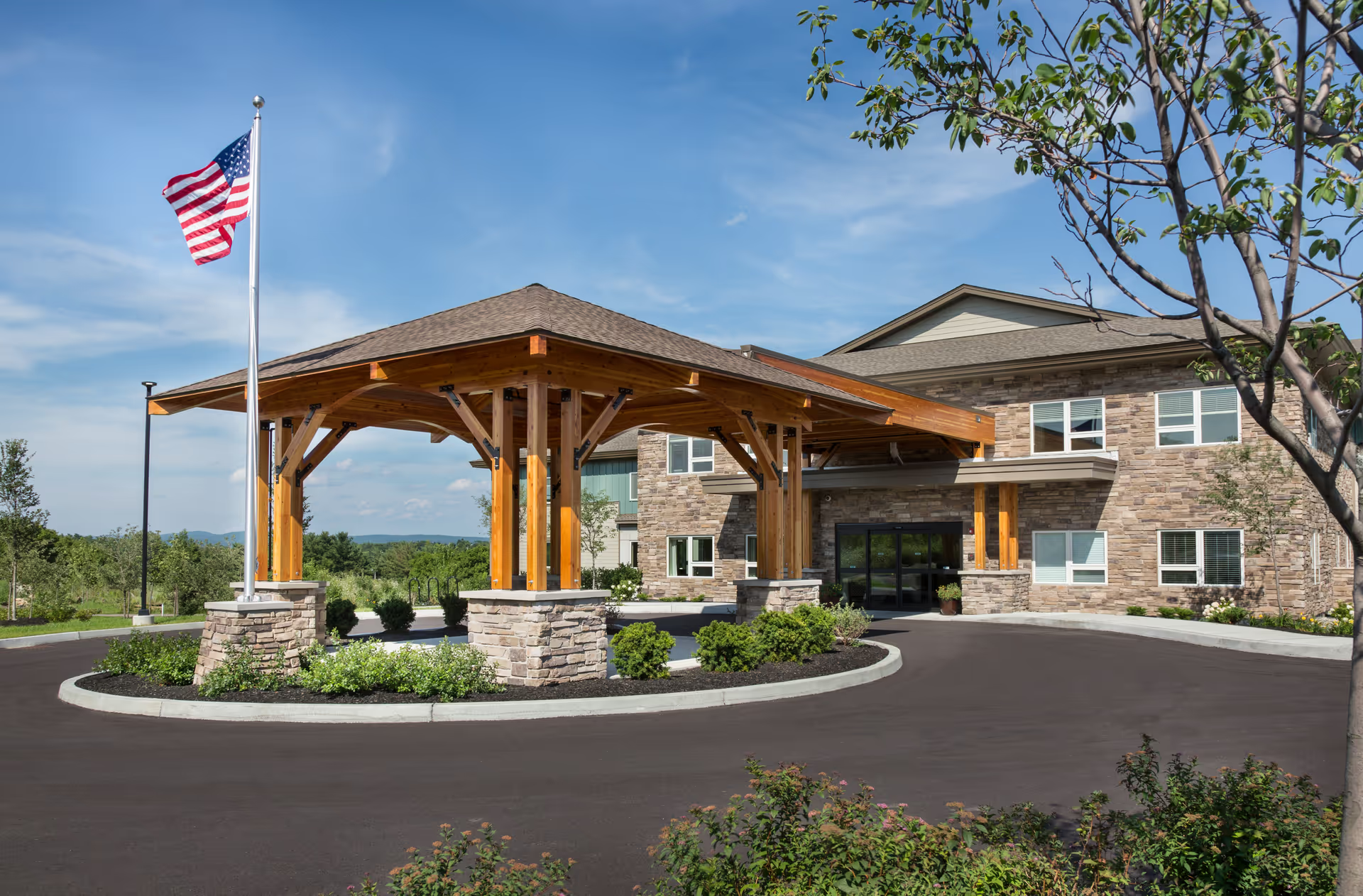
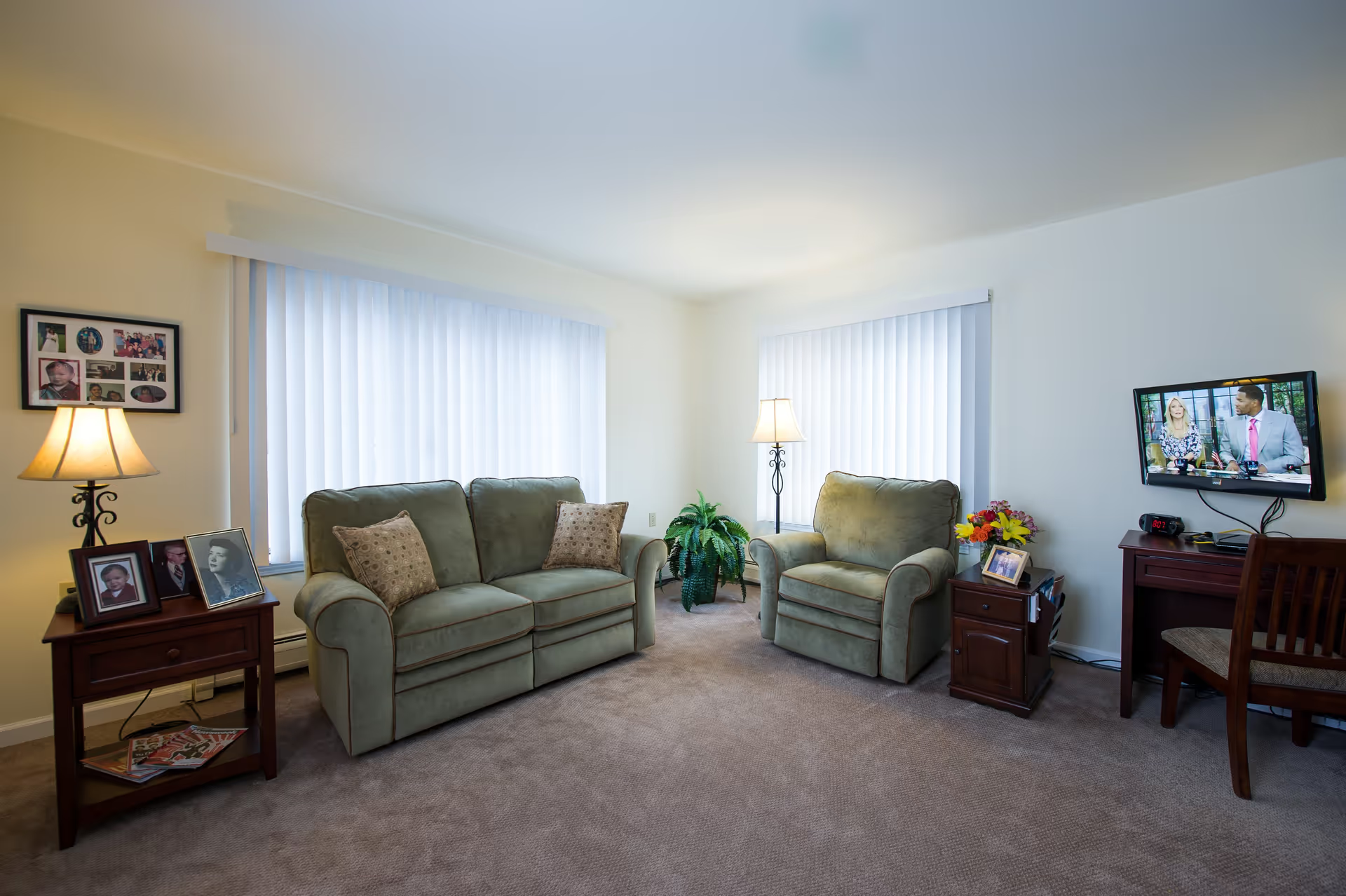
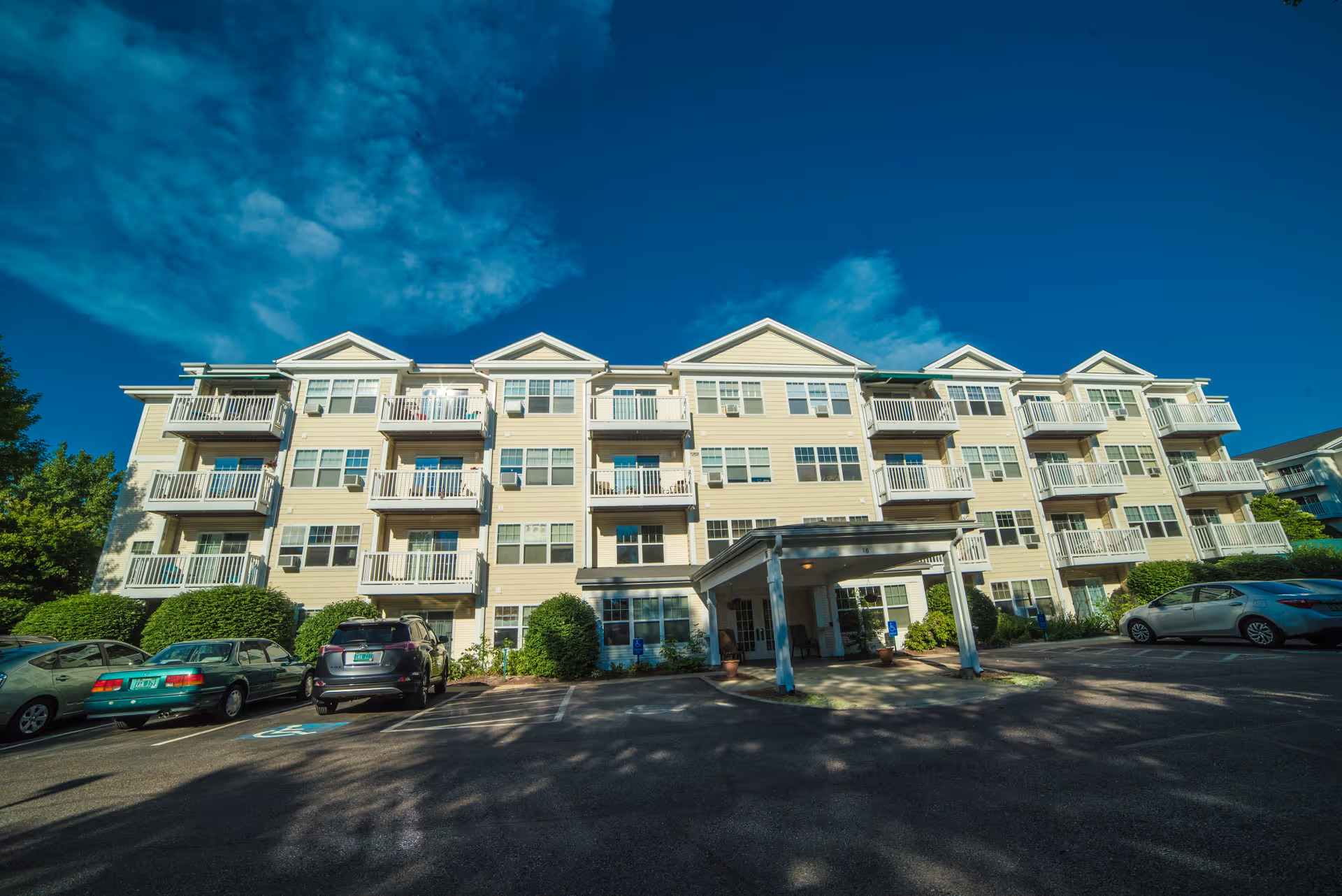
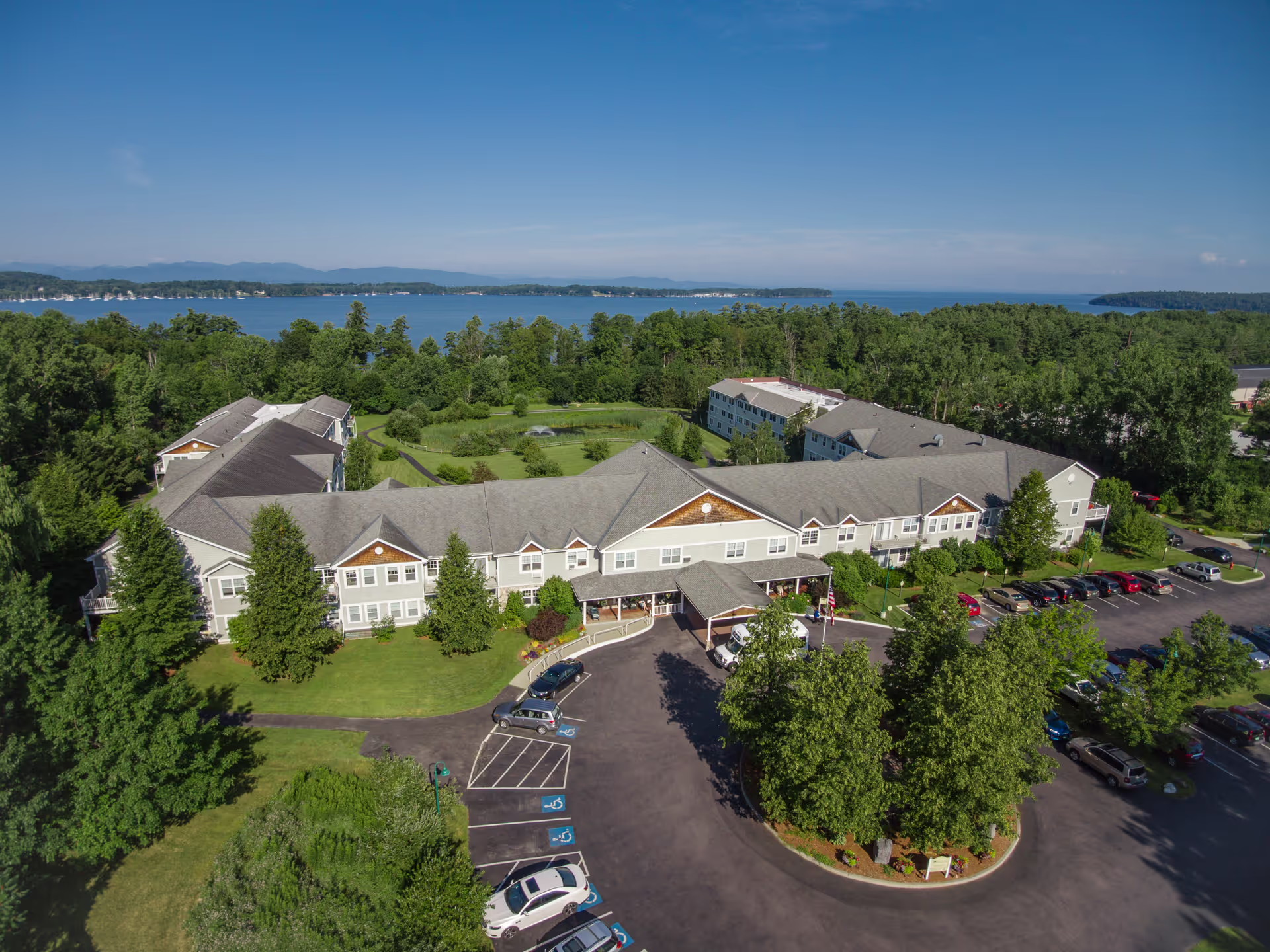
Reviews present a mixed but informative picture of care at this facility. Many family members and visitors emphasize strong, person-centered interactions from frontline staff: caregivers are frequently described as compassionate, attentive, and willing to accommodate individual resident needs. Several accounts highlight a homelike physical environment (including double rooms with added privacy), accessible on-site physical therapy, and an active programming calendar with activities such as bingo, arts and crafts, and cooking-related tasks. Multiple reviewers also praised the transition process for new residents and described sensitive, supportive end-of-life attention.
At the same time, a number of comments raise operational concerns that affect perceived reliability. Primary issues concern inconsistent responsiveness to resident needs and delays in assistance, which families linked to longer wait times for help. There are also statements pointing to gaps in how incidents are escalated and managed; one reviewer referenced a prolonged fall response and regulatory notification. Reviewers describe variability in overall care quality over time, and some characterize this as linked to management and oversight challenges.
Dining and daily-support services show a similar split. Activity programming and opportunities for resident participation were consistently viewed as strengths that support quality of life. Conversely, some families reported inconsistent meal service practices, including meals delivered at inappropriate temperatures or without sufficient follow-up on preferences. Transfer assistance and safe-mobility practices were also cited as areas needing clearer, more reliable protocols.
Facility-level observations suggest a dichotomy between committed frontline staff and inconsistent system-level processes. Strengths cluster around direct caregiving, social programming, and physical comfort; weaknesses relate to communication (especially at the front desk and with families), consistency of routine clinical care, incident-response procedures, and certain aspects of meal and transfer safety. Prospective residents and families may benefit from asking targeted questions about staffing levels and shift coverage, fall-response and incident-escalation protocols, meal-service procedures, and how management monitors and addresses care-quality trends.