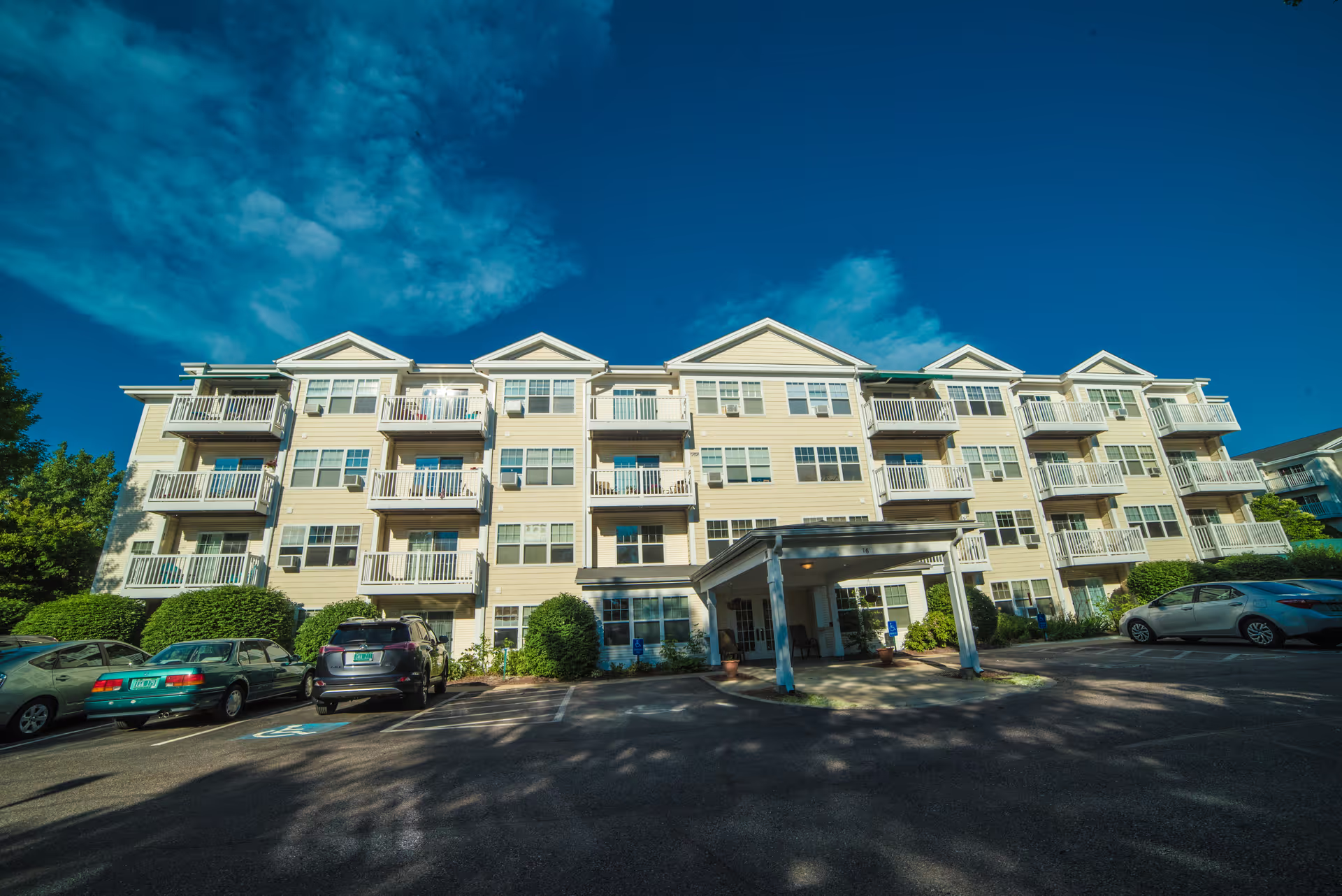
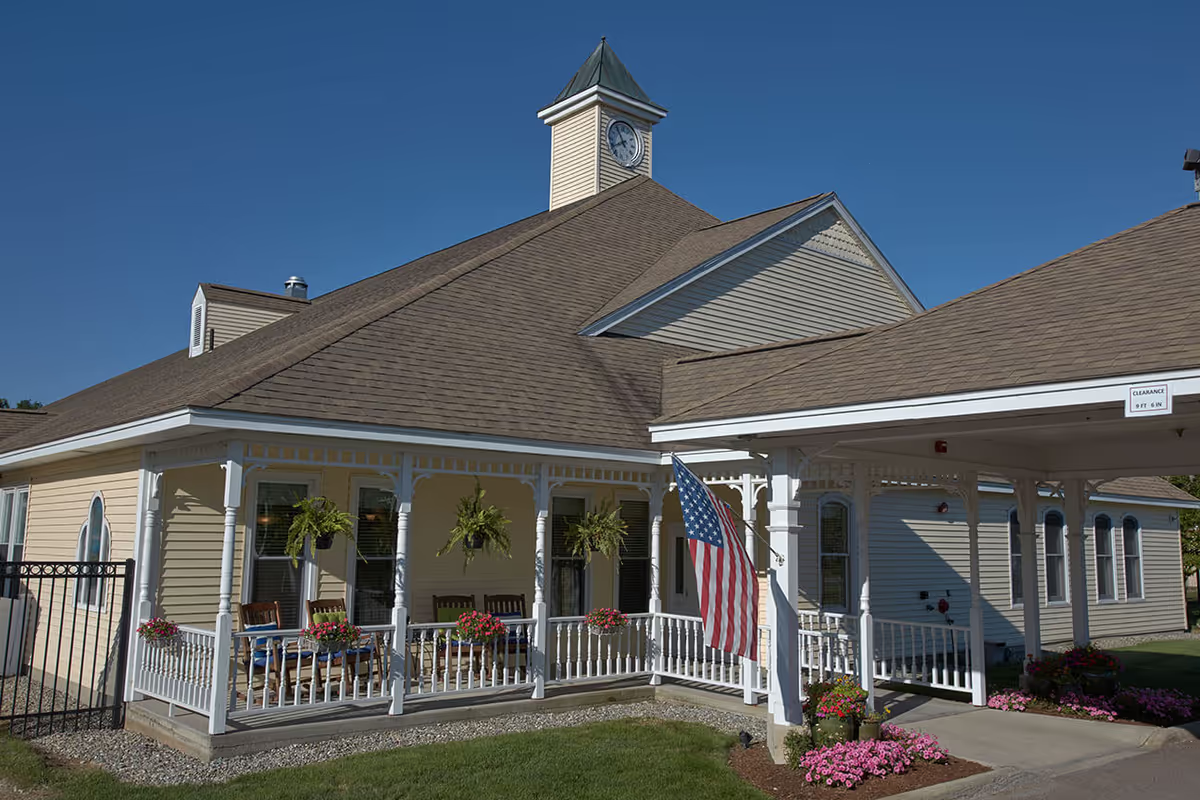
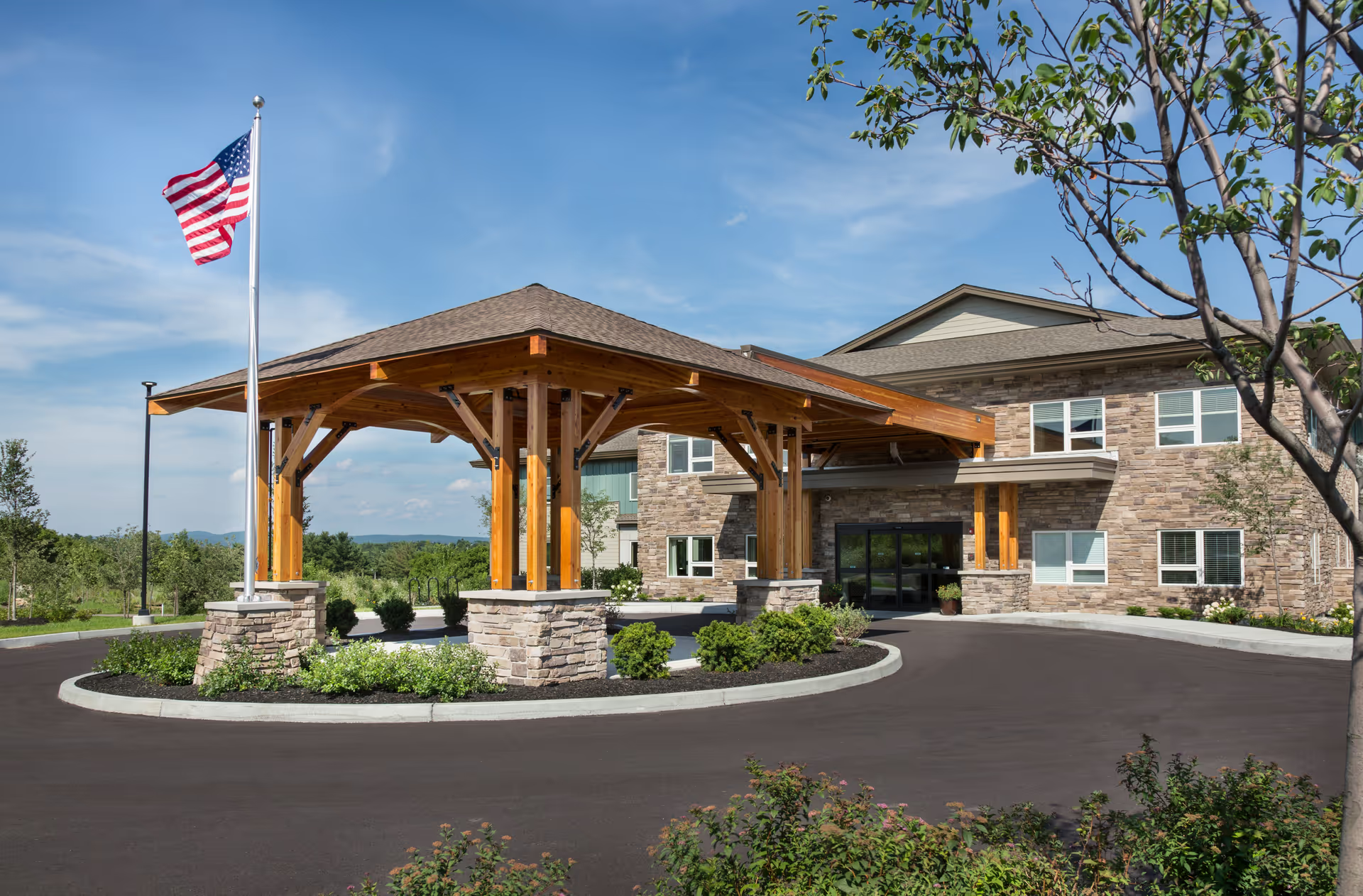
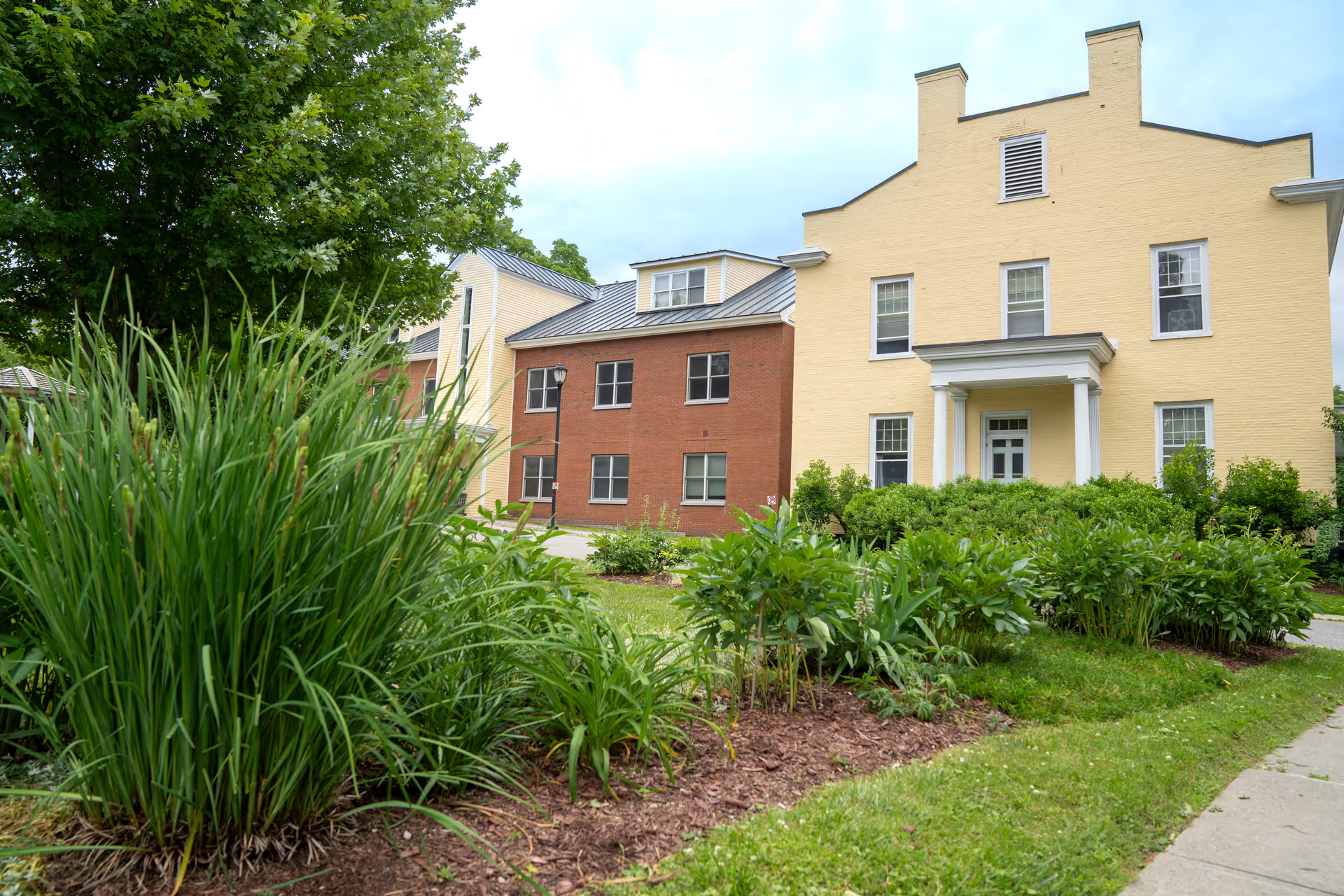
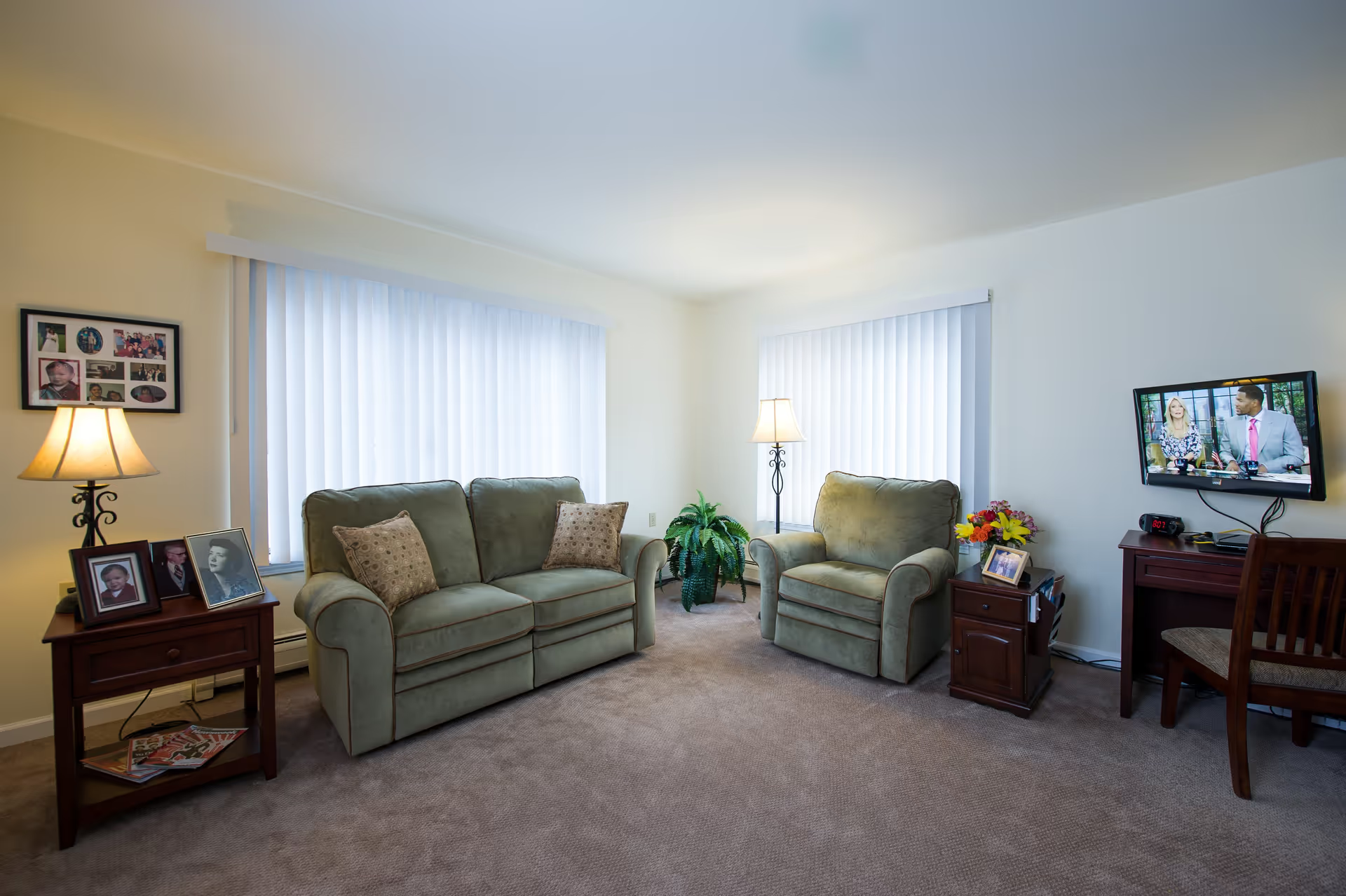
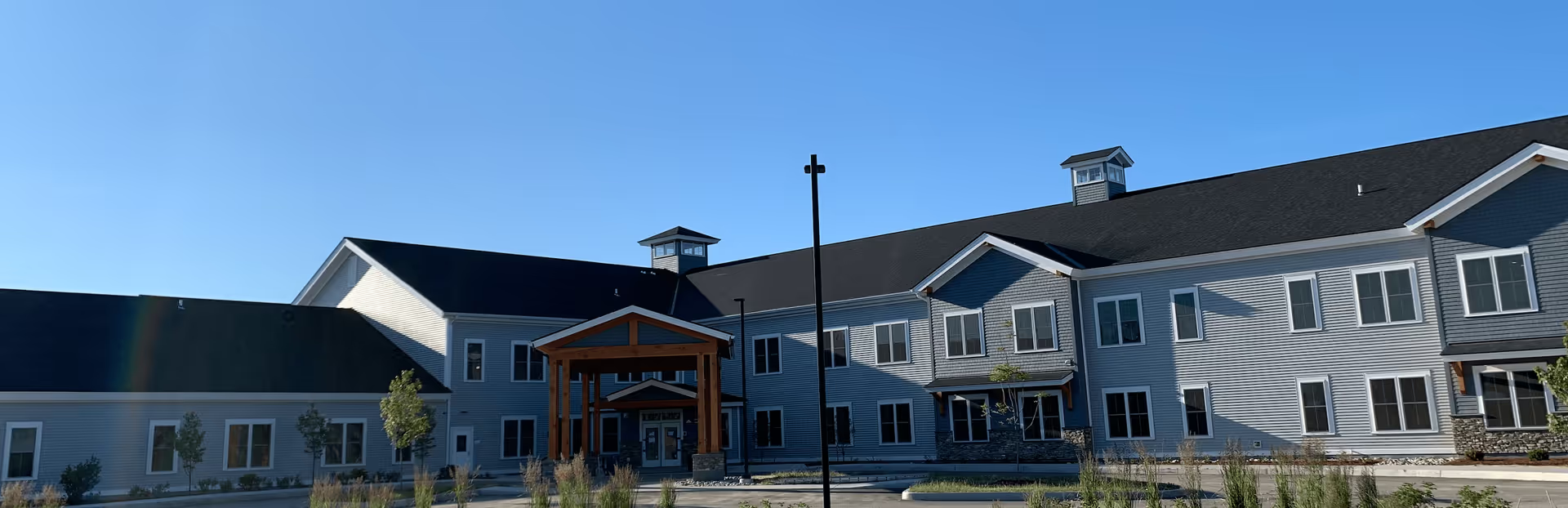
Overall impression: The Residence at Shelburne Bay is frequently described as an attractive, well-appointed senior community with strong programmatic and amenity offerings. Positive comments concentrate on the physical environment — bright, spacious apartments, a park-like campus with pond and lake views, and multiple well-kept common areas. Dining and culinary services receive repeated praise for variety, chef-prepared and locally sourced menu options, multiple dining venues, and accommodating special diets. The community also offers a broad set of amenities (indoor therapy/heated pools, gym, library, salon, onsite therapy services) and an active social calendar that includes crafts, exercise, outings, music programs, and tailored memory-care activities.
Care and staff: Many reviewers emphasize compassionate, personable caregiving and a welcoming, family-like culture among clinical and customer-experience staff. Maintenance responsiveness and move-in support are consistently noted as strengths. At the same time, a recurring operational concern is staffing: reviewers describe inconsistent staffing levels and relatively high turnover among frontline staff. Those operational patterns are associated with variability in responsiveness to resident needs and intermittent lapses in service delivery. While many families describe excellent individualized attention and smooth transitions between care levels, others report delays in personal-care assistance and uneven follow-through on housekeeping or requests.
Dining and activities: Dining is a major positive thread — reviewers cite varied menus, dessert options, and attentive dining-room service. Some comments indicate occasional meal-service reliability issues, specifically with food temperature and limited menu availability at times. The activity program is broad and well-attended, with offerings across physical, cognitive, emotional, and social domains; memory-specific programming and opportunities for gardening, exercise, and outings are highlighted. Families looking for a socially engaging environment will likely find robust options here, though they should confirm current activity cadence and participation for the resident’s needs.
Facilities and management: The physical plant and grounds are strong points: clean, light-filled interiors, furnished apartment options, and accessible outdoor spaces. Reviewers note variation in the memory-care neighborhood versus assisted-living units, particularly smaller room sizes and different finishing. Management and administrative stability are mixed in accounts — some reviewers praise steady, capable leadership, while others describe frequent administrative turnover and communication gaps. Cost is another consistent theme: pricing is relatively high, with concerns about affordability, annual increases, and additional service charges. Other operational limitations mentioned include internet or parking constraints and facility layout features that may not suit residents who require frequent outdoor access or wander-management solutions.
Notable patterns and recommended inquiries: The overall pattern is one of a high-quality physical environment and strong program offerings paired with operational variability tied to staffing and administrative continuity. Prospective residents and families should confirm current staffing ratios and turnover trends, housekeeping and laundry schedules, meal-service procedures (including temperature and menu availability), memory-care room sizes and programming specifics, policy on resident belongings and personal items, details on what services are included versus extra-fee items, and the community’s approach to family communication and incident reporting. A thorough, time-of-day visit (including mealtime and activity observation) and direct questions about recent management changes and contract escalation clauses will help assess whether the community’s strengths align with a specific resident’s needs.