Overall impression: Reviews describe a facility whose strongest and most consistent attribute is its caregiving staff. Families repeatedly emphasize compassionate, patient, and person-centered interactions; staff who learn residents’ names quickly; ongoing bedside presence; and proactive communication with families. Many families credit the staff with substantial improvements in quality of life for residents, especially those with cognitive impairment, and highlight the facility’s dementia-focused expertise and supportive end-of-life care.
Care and clinical services: Clinical supports are noted as robust. Reviewers mention a concierge physician, on-site physical therapy, regular nursing oversight, and a multidisciplinary approach to resident concerns. Care transitions — particularly hospital-to-facility moves — are described as smooth and well-managed in many accounts, with staff assisting with room setup and settling residents. That said, there are repeated operational concerns about inconsistent responsiveness to calls and requests, and a small number of accounts raising sanitation or incontinence-care concerns. Prospective families should verify staffing patterns, response-time expectations, and clinical protocols during a visit.
Staff and management: Management visibility and engaged leadership are frequently praised: managers are described as accessible, hands-on, and supportive during admissions and difficult conversations. The caregiving team is widely characterized as warm, attentive, and skilled, with several mentions of specialized Alzheimer’s training. Contrastingly, a set of stronger complaints centers on administrative decisions — including allegations that occupancy or revenue considerations sometimes drive discharge or placement messaging. These are serious governance concerns for a minority of reviewers and warrant direct questions about bed-hold, discharge, and appeals policies when evaluating the community.
Dining and activities: Dining receives generally favorable commentary — reviewers note good food quality and flexible meal timing. The activities program is a consistent strength: a diverse schedule of on-site events, outings, field trips, recreational programming, and opportunities for social connection are highlighted as important contributors to resident wellbeing. A few reviewers wished for greater encouragement to participate for less-engaged residents, so families may want to ask how activity staff engage quieter or more withdrawn residents.
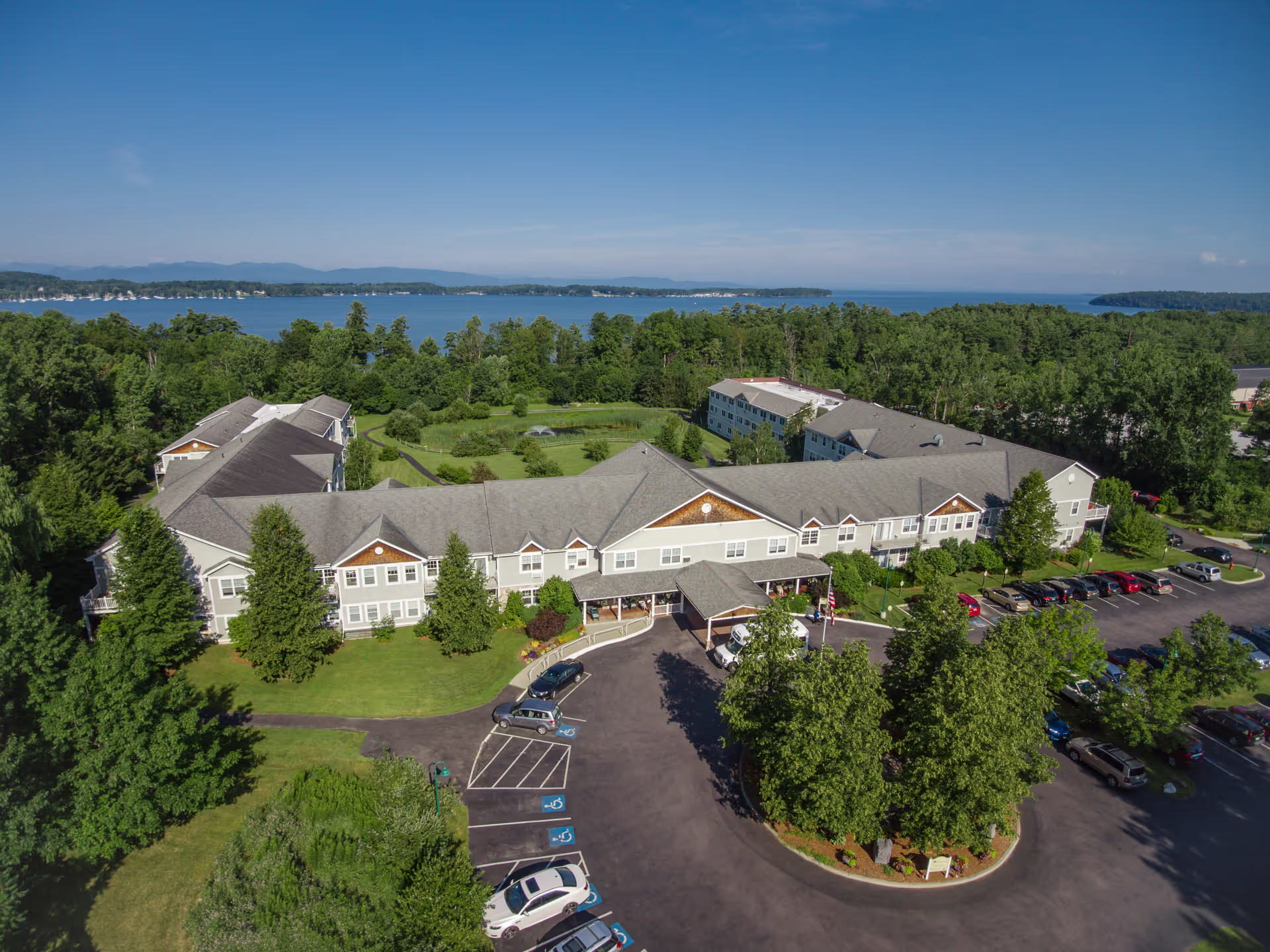
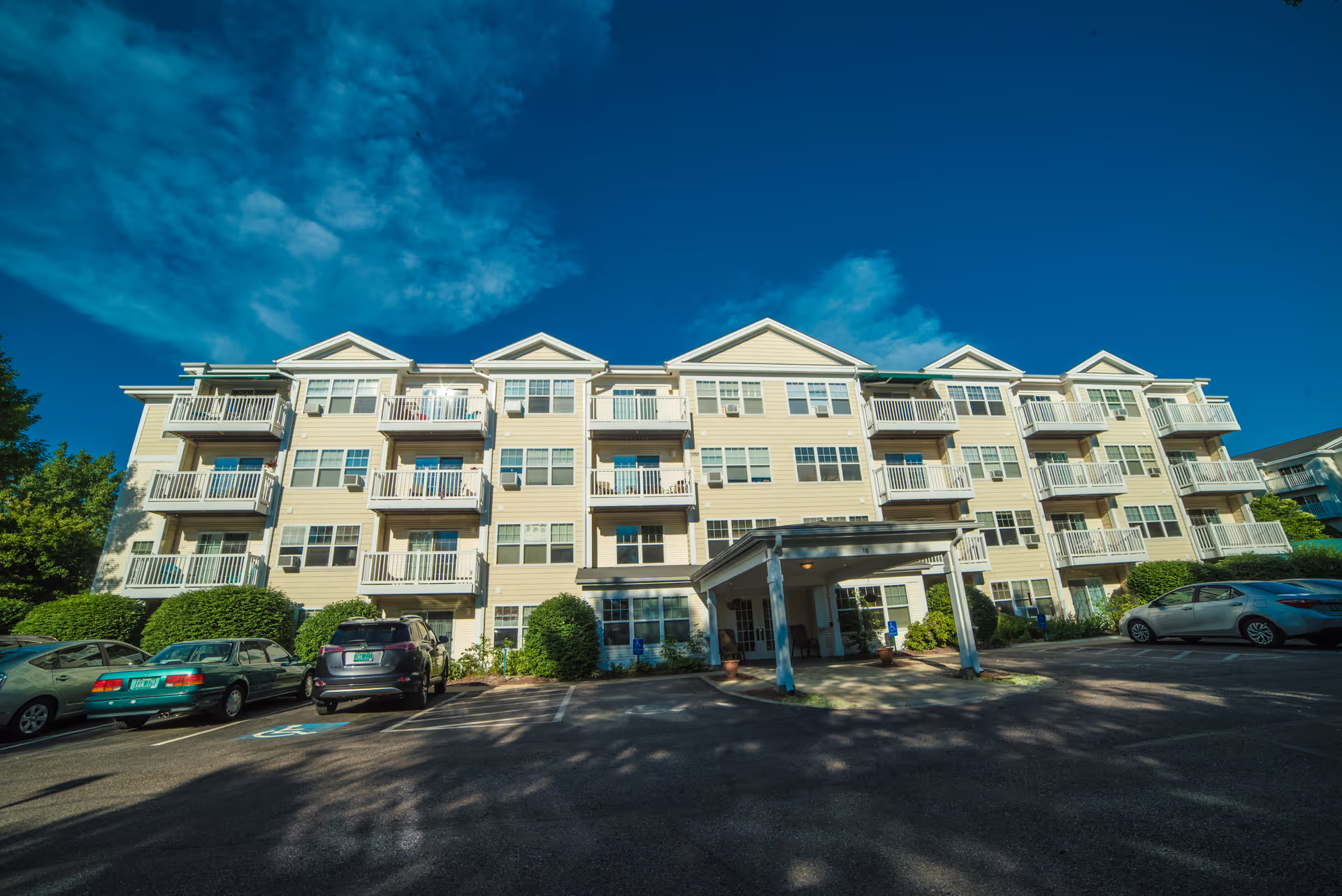
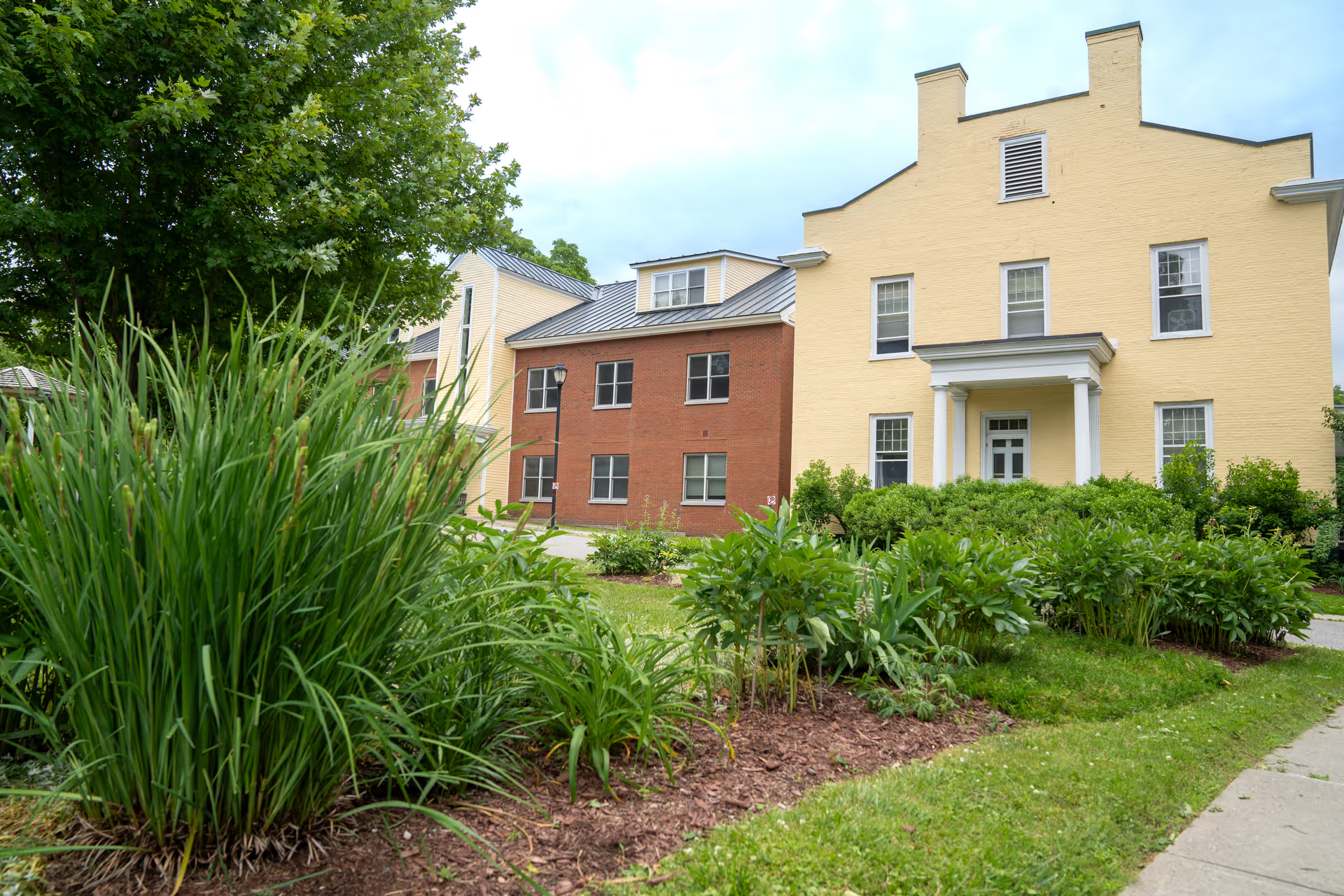
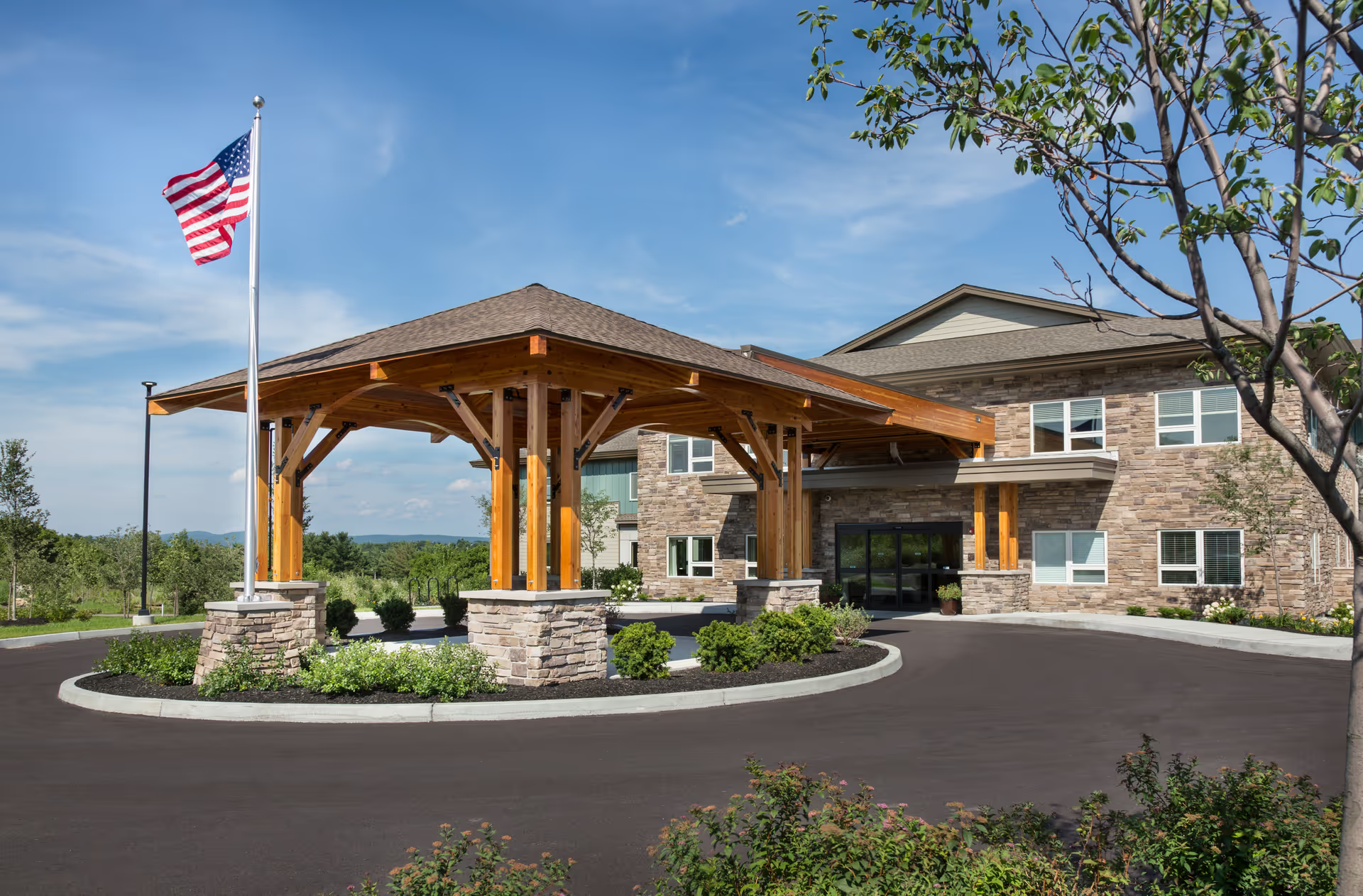
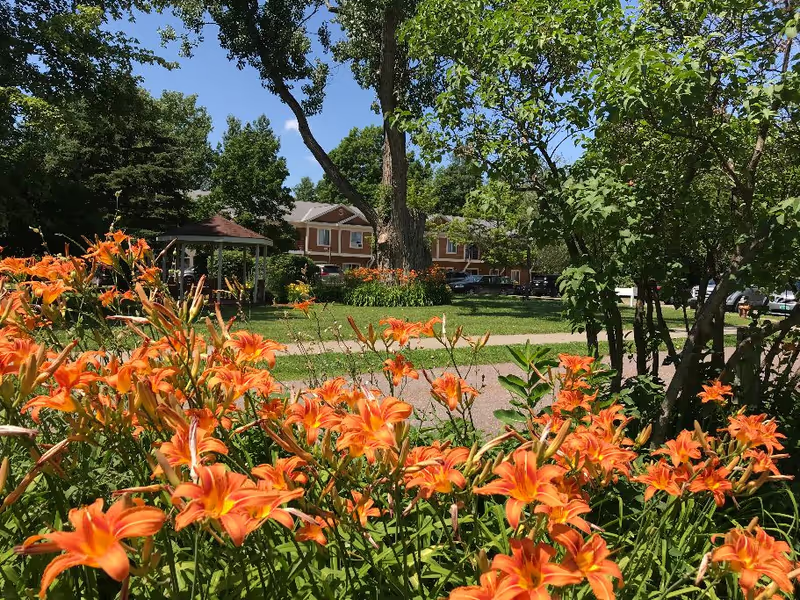
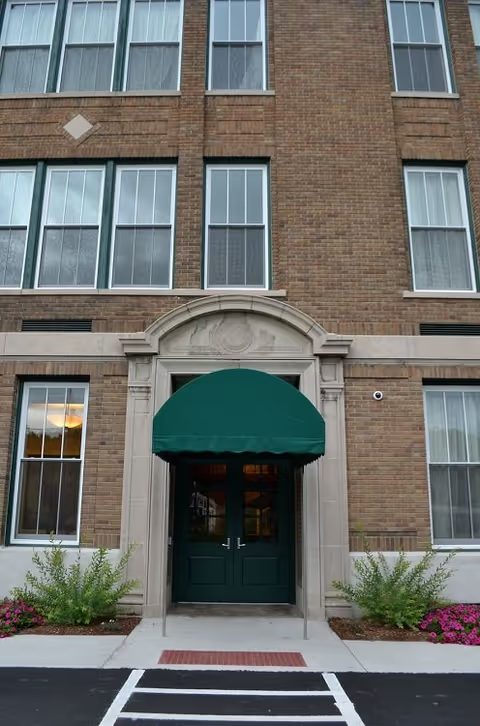
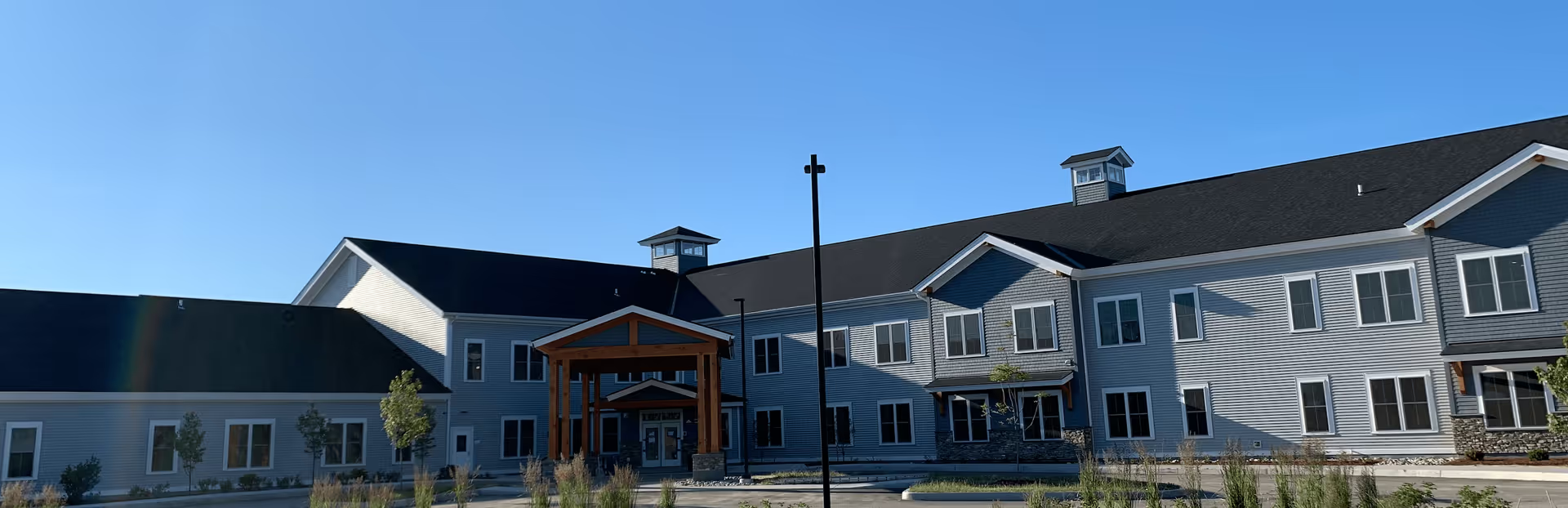
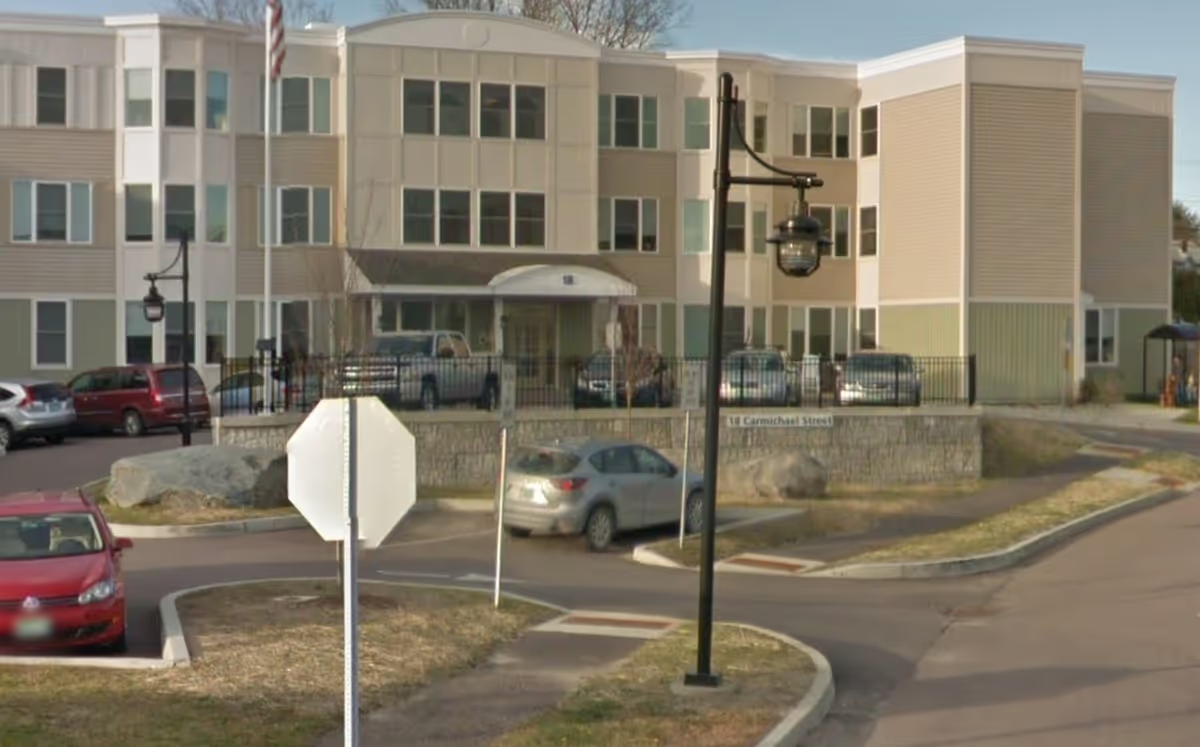
Facilities and environment: Common areas, outdoor gardens, and courtyards are often described as attractive, secure, and well-kept; reviewers appreciate the ability to personalize rooms and the home-like touches. That said, some parts of the building are described as dated or institutional in feel, with limited open communal space in certain sections. There appear to be two distinct sections/units within the community, and atmosphere and condition may vary by area; a walkthrough of the specific unit under consideration is recommended.
Notable patterns and recommended next steps: The dominant pattern is overwhelmingly positive caregiver-driven care, strong communication, and active programming that provides families with reassurance. Counterbalancing that are intermittent but substantive operational concerns: inconsistent responsiveness, sanitation-related issues in isolated instances, variable staff professionalism across shifts, and serious administrative allegations related to occupancy decisions. Prospective families should tour multiple times, observe both day and evening staffing, ask for written policies on discharge and bed-hold, review staffing ratios and response-time metrics, and request examples of how sanitation and incontinence-care are managed. Verifying these items directly will help reconcile the generally favorable caregiving reports with the operational concerns raised by a minority of reviewers.