Water's Edge at Port Jefferson receives consistently strong praise for its rehabilitation programs and many individual caregivers. Therapy teams (PT and OT) are frequently highlighted for helping residents regain mobility and independence; families cite measurable progress and dedicated therapists. Numerous reviewers also single out compassionate nursing staff, attentive CNAs, proactive concierge/patient-relations personnel, and a responsive social-work team. The facility's recreation department, pet visits, and a generally welcoming admission process are noted as strengths that support resident well-being and family engagement.
Despite those strengths, a clear pattern of operational variability emerges across reviews. Chronic understaffing and shift-to-shift staffing fluctuations are recurring themes and are associated with slow call-bell responses, delays in bathing and personal care, and inconsistent bedside attention—issues that can affect dignity and comfort. Reviewers also describe variability in clinical-care consistency: delayed medication administration, delayed processing of orders, and gaps in wound-care management and other complex interventions have been reported. Several accounts point to safety concerns related to transfers and fall prevention; these suggest uneven application of protocols rather than uniformly poor practice.
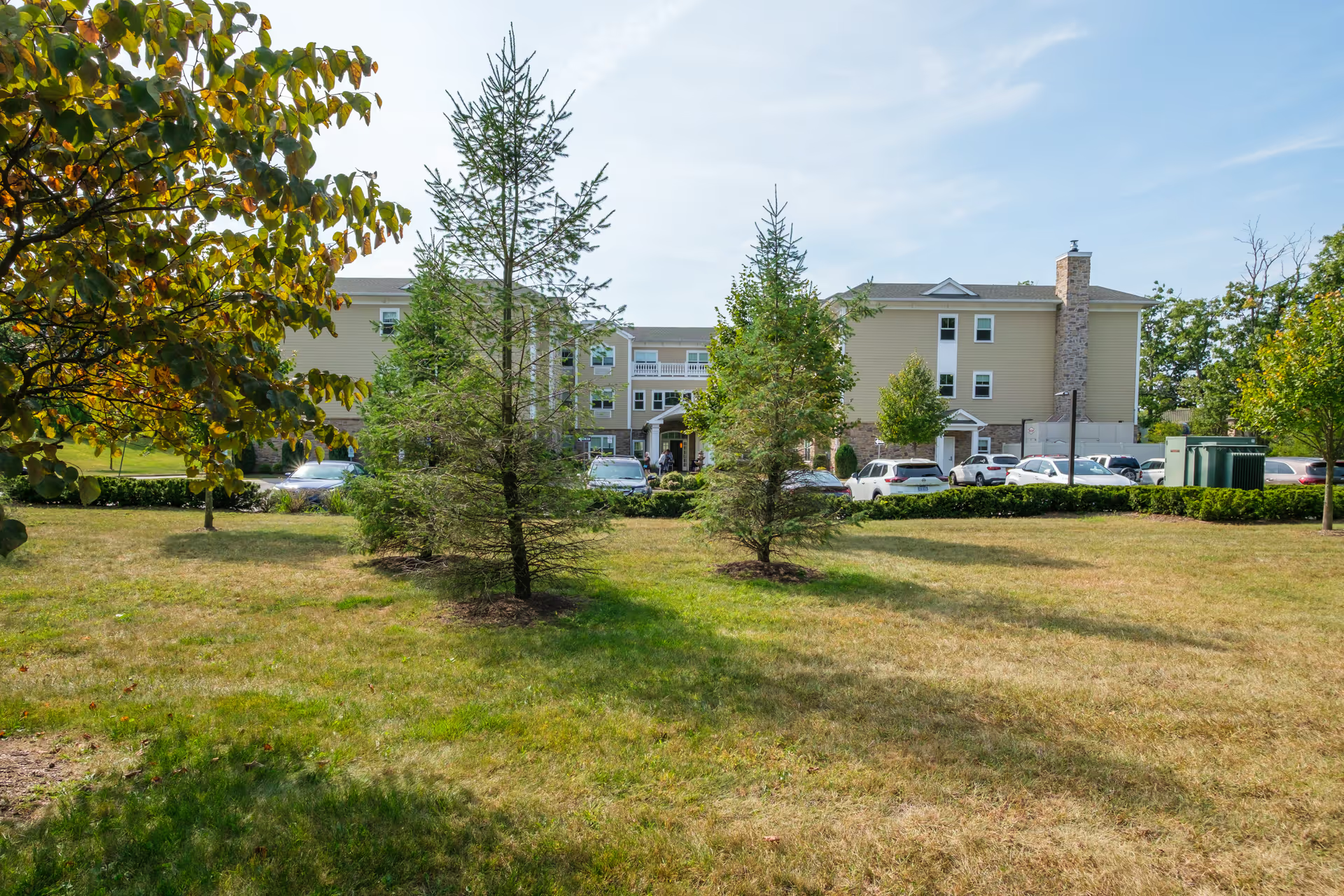
Dining and facilities present a mixed picture. Many families praise clean common spaces and well-maintained therapy areas, but others report maintenance problems (plumbing, hot-water interruptions, elevator/door issues) and localized sanitation or odor concerns. Meal quality and food temperature are frequently criticized; some reviewers describe episodes of food perceived as inedible or causing illness. Property-control issues—missing clothing or personal items and slow resolution—appear repeatedly enough to be considered an operational shortcoming.
Management and culture appear inconsistent. Several reviewers commend accessible, engaged administrators, concierge directors, and specific nurse leaders; others describe slow or non-responsive communication from leadership and uneven follow-through on concerns. Staff professionalism is generally cited as a strength at the individual level, yet inconsistent conduct and tone across shifts are recurring complaints. There are also isolated but serious allegations and concerns following resident adverse events; these accounts underscore the need for transparent incident communication and timely family notification.
Overall, prospective residents and families should weigh the facility's well-regarded rehabilitation expertise, many committed frontline caregivers, and active activities program against documented operational weaknesses: staffing instability, inconsistent clinical and personal-care practices, dining complaints, and building-maintenance issues. When evaluating placement, consider asking for current staffing ratios, wound-care and medication-management protocols, call-bell response-time metrics, maintenance/upgrades schedule, and the facility's procedures for family communication after clinical changes or incidents. Scheduling a visit that includes time on different shifts (day and night) and speaking directly with therapy, nursing leadership, and social work can help assess whether the facility's strengths align with the specific clinical and safety needs of a potential resident.