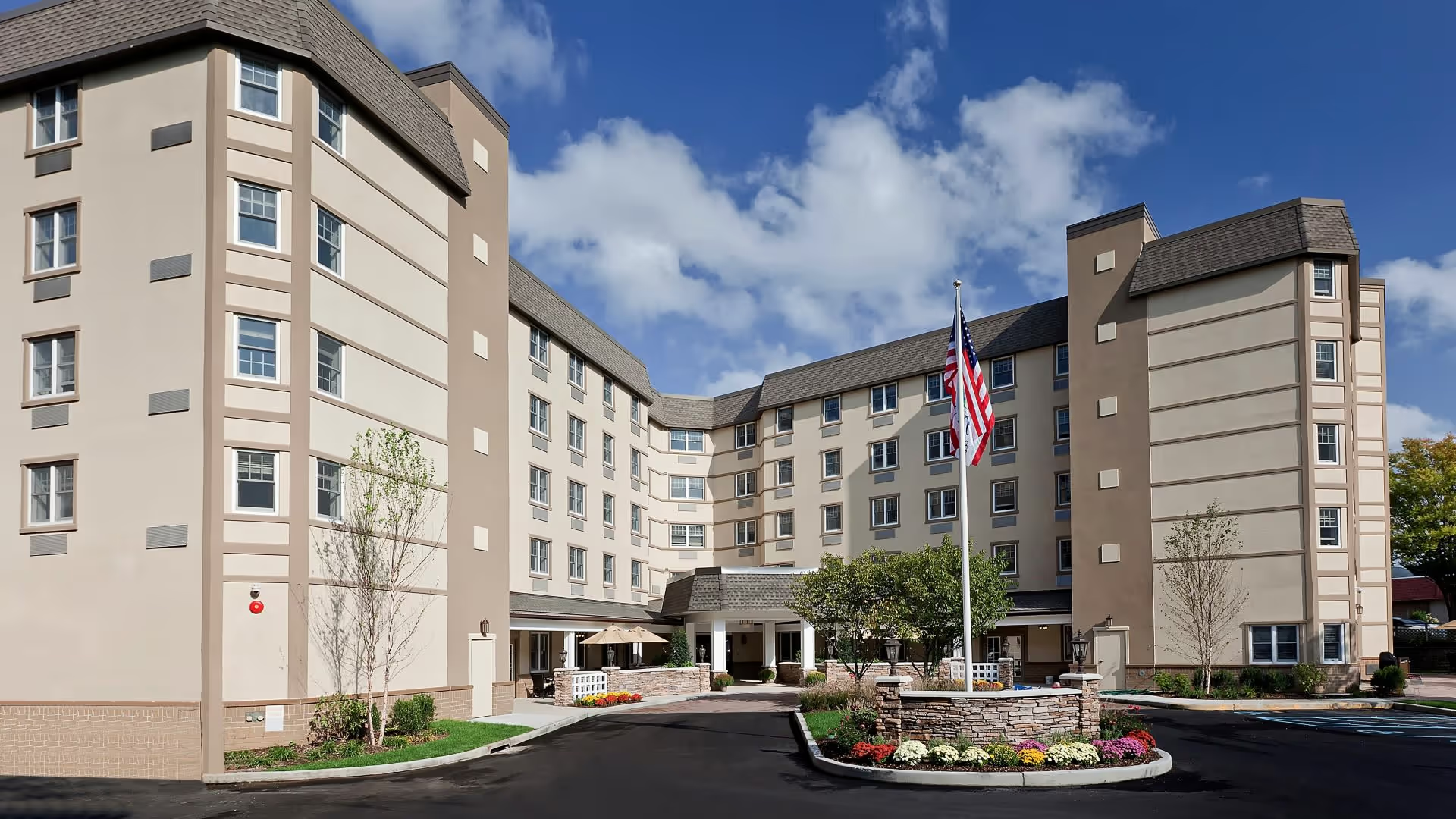
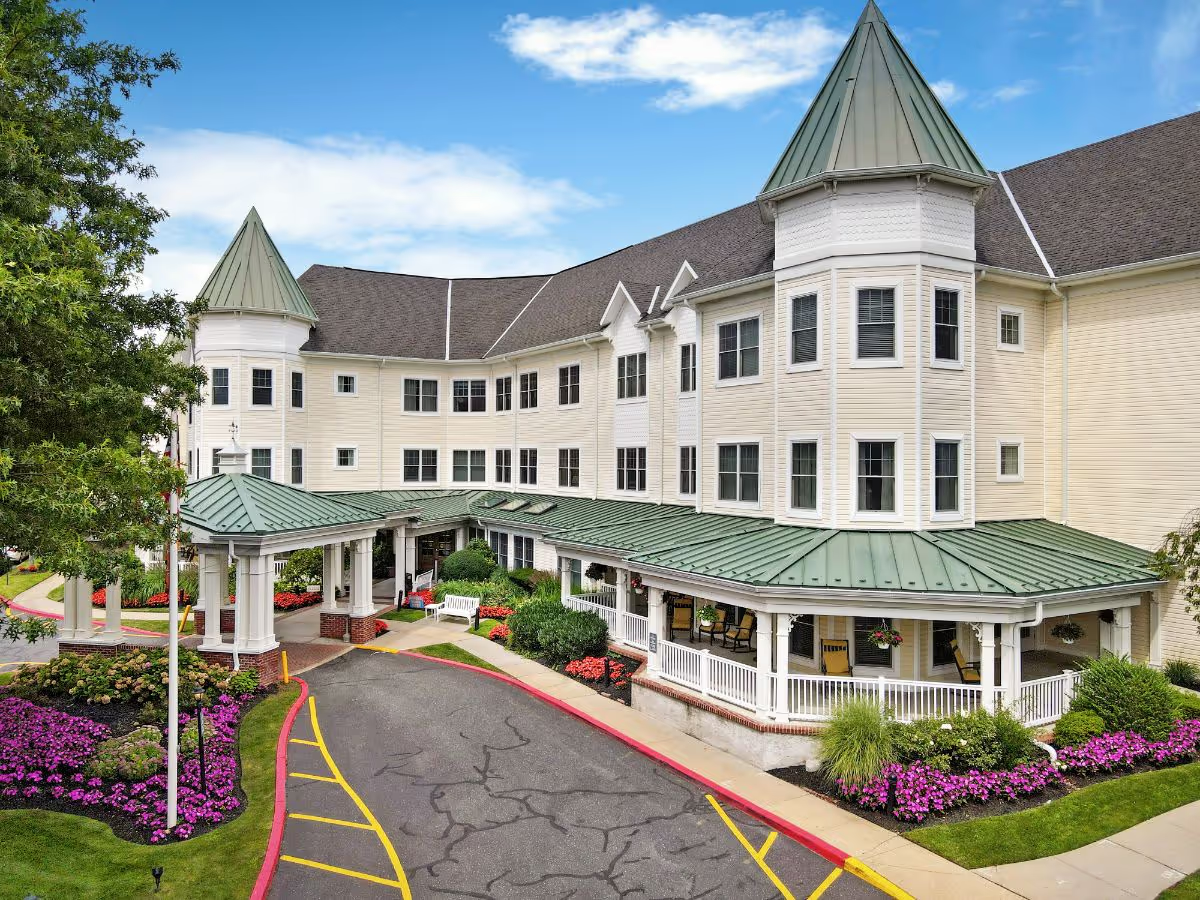
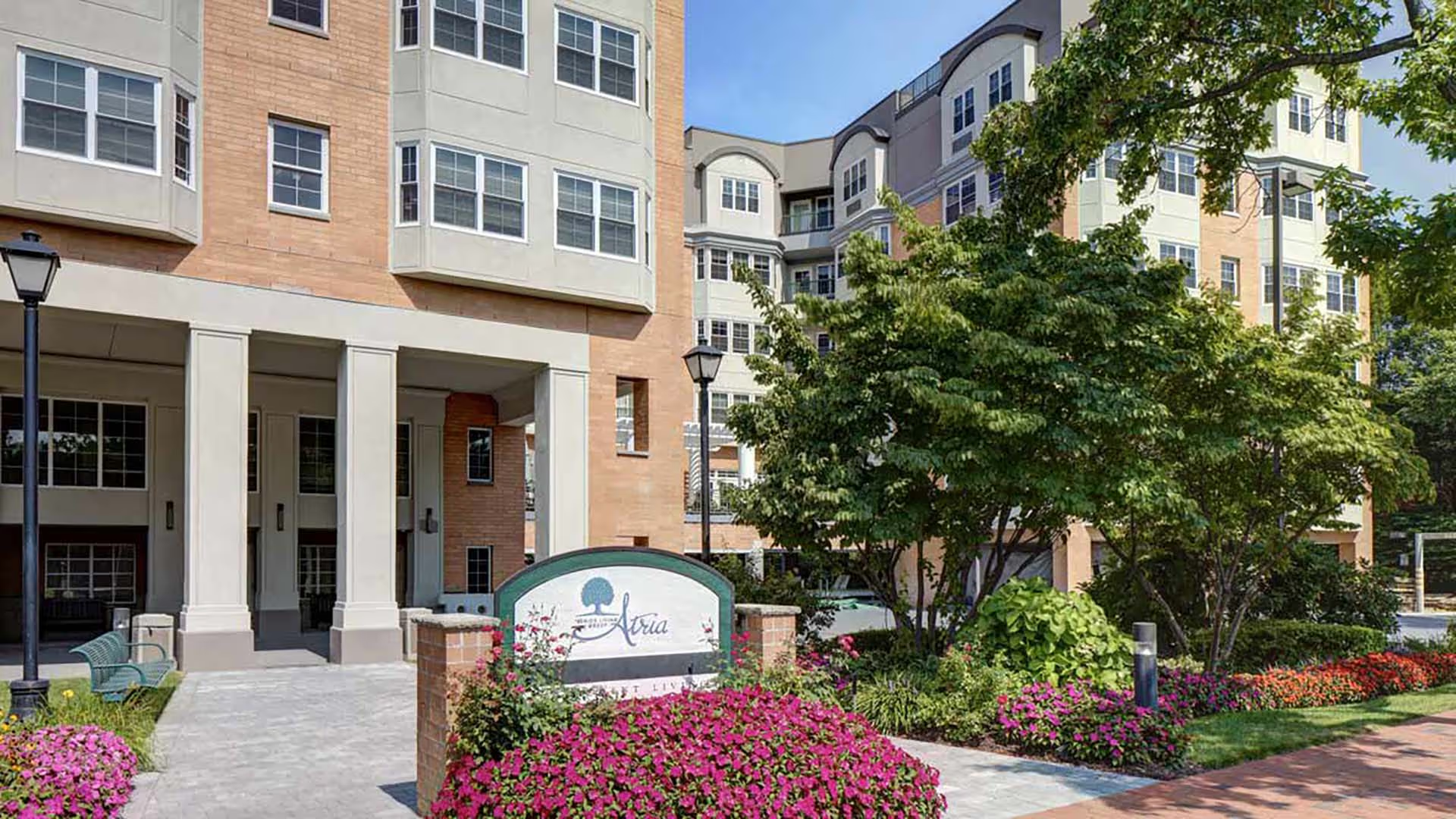
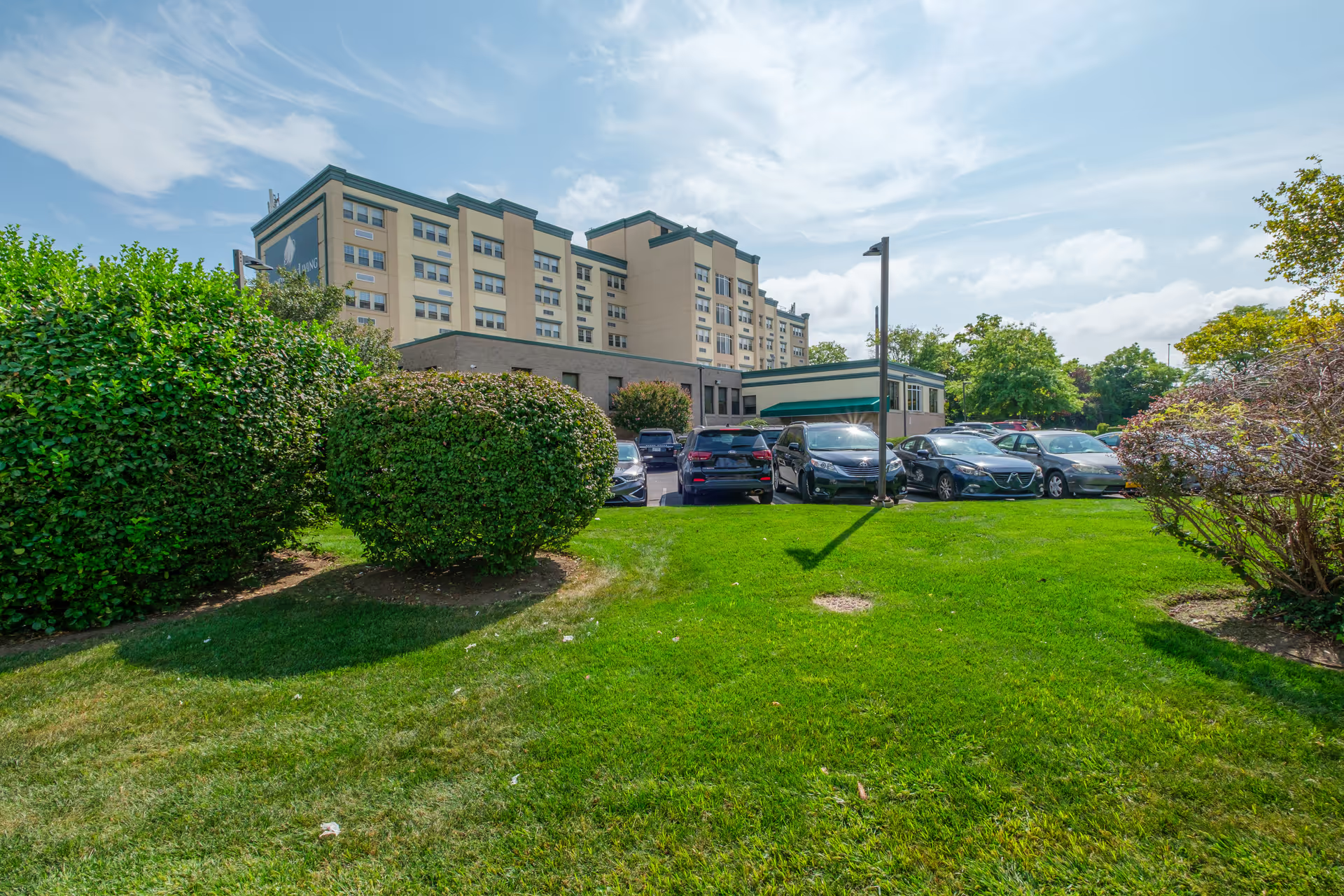
The reviews for Sands Point Center for Nursing & Rehabilitation present a mixed but consistent picture: the facility demonstrates clear strengths in rehabilitation, certain aspects of nursing care, and administrative support, while families and patients also report recurring operational weaknesses that affect day-to-day experience.
Care quality and clinical management are described in two divergent ways. Many reviewers praise the rehabilitation program, citing effective physical, occupational, and speech therapy, as well as visible functional progress and well-equipped therapy spaces. Several accounts highlight nurses and therapists who are attentive, proactive, and communicative. At the same time, other families described clinically significant lapses: delayed responses to care needs, medication-management and documentation gaps, and inconsistencies in clinical follow-up. A subset of reviews referenced serious incidents that triggered regulatory attention; these accounts underscore the variability in clinical oversight and the importance of confirming current compliance and corrective actions with state authorities.
Staffing and staff conduct are frequent themes. Numerous comments commend individual nurses, therapists, social workers, and administrators for compassion, responsiveness, and good communication. However, reviewers also describe variability across shifts and roles: weekend and night staffing shortages, uneven aide performance, and occasional concerns about staff tone or responsiveness. These inconsistencies appear to drive much of the variability in resident experience — when familiar, well-staffed teams are present, families report high satisfaction; when staffing is thin or transitions are frequent, families report delays in assistance and lower-quality hands-on care.
Dining and nutrition receive mixed marks. Some residents and families find the meals plentiful, varied, and well accommodated for dietary needs; others report inconsistent adherence to diet orders, missing or incorrect items, and meals that lack appeal. Multiple comments indicate that diet orders sometimes require follow-up to be corrected and that families frequently supplement meals. Dining logistics (timely tray service, availability of supplements) are generally handled efficiently, though quality and menu variety appear inconsistent across stays.
Activities and social programming are commonly cited as a strength. The facility offers a broad calendar of activities, live entertainment, pet therapy, and opportunities for family engagement. That programming contributes positively to resident quality of life for many, though some residents in rehabilitation-focused placements reported limited social interaction and spent extended time in rooms, reflecting variability in how activities are offered to different populations within the building.
Facility condition and operations show contrasts. Many reviews describe bright, hotel-like common areas, clean rooms, and quick responses to maintenance issues. Other reports point to dated units, uneven housekeeping in particular areas (including bathroom cleaning and odor concerns), grounds that need attention, and pest-control concerns in isolated accounts. Laundry and property-management issues (misplaced clothing, wrong-sized garments) appear often enough to be an operational weakness worth addressing.
Management and communication are generally viewed positively by families who highlight helpful administrators and engaged case managers who facilitate discharge planning and coordination with St. Francis Hospital. Yet, communication lapses are also noted: families sometimes need to initiate follow-up for medication clarifications, discharge arrangements, or diet corrections. A few reviewers expressed concerns about billing/insurance-driven decisions and perceived pressure around discharge timing; such claims contributed to calls for greater transparency about clinical readiness and care-planning decisions.
Notable patterns for prospective residents and families: (1) the facility offers strong rehabilitation resources and many caring, capable staff members, which can produce excellent clinical outcomes; (2) outcomes and day-to-day experience are sensitive to staffing consistency — weekends, nights, and transition periods are where negative experiences concentrate; (3) operational issues such as diet-order fidelity, laundry management, housekeeping variability, and transfer/fall-safety practices recur across reviews and merit specific inquiry during tours; and (4) there are reports of serious incidents and a state health department investigation in the review record, so families should ask management about current regulatory status, corrective actions, and monitoring when evaluating the facility.
Recommendation: visit at several times (weekday/daytime and weekend/night if possible), meet the therapy and nursing leadership, ask for written protocols on medication reconciliation, incident reporting, diet-order verification, and laundering procedures, and request recent evidence of regulatory compliance and quality metrics to assess whether corrective steps have been implemented and sustained.