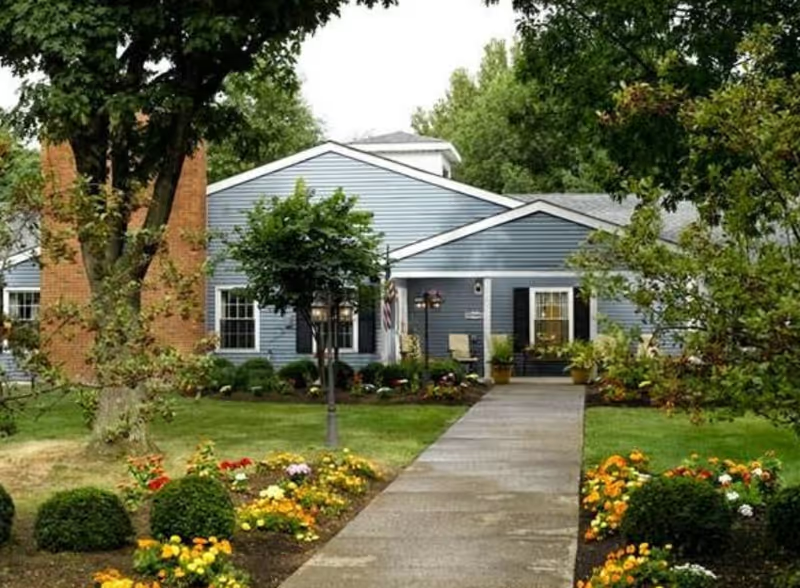
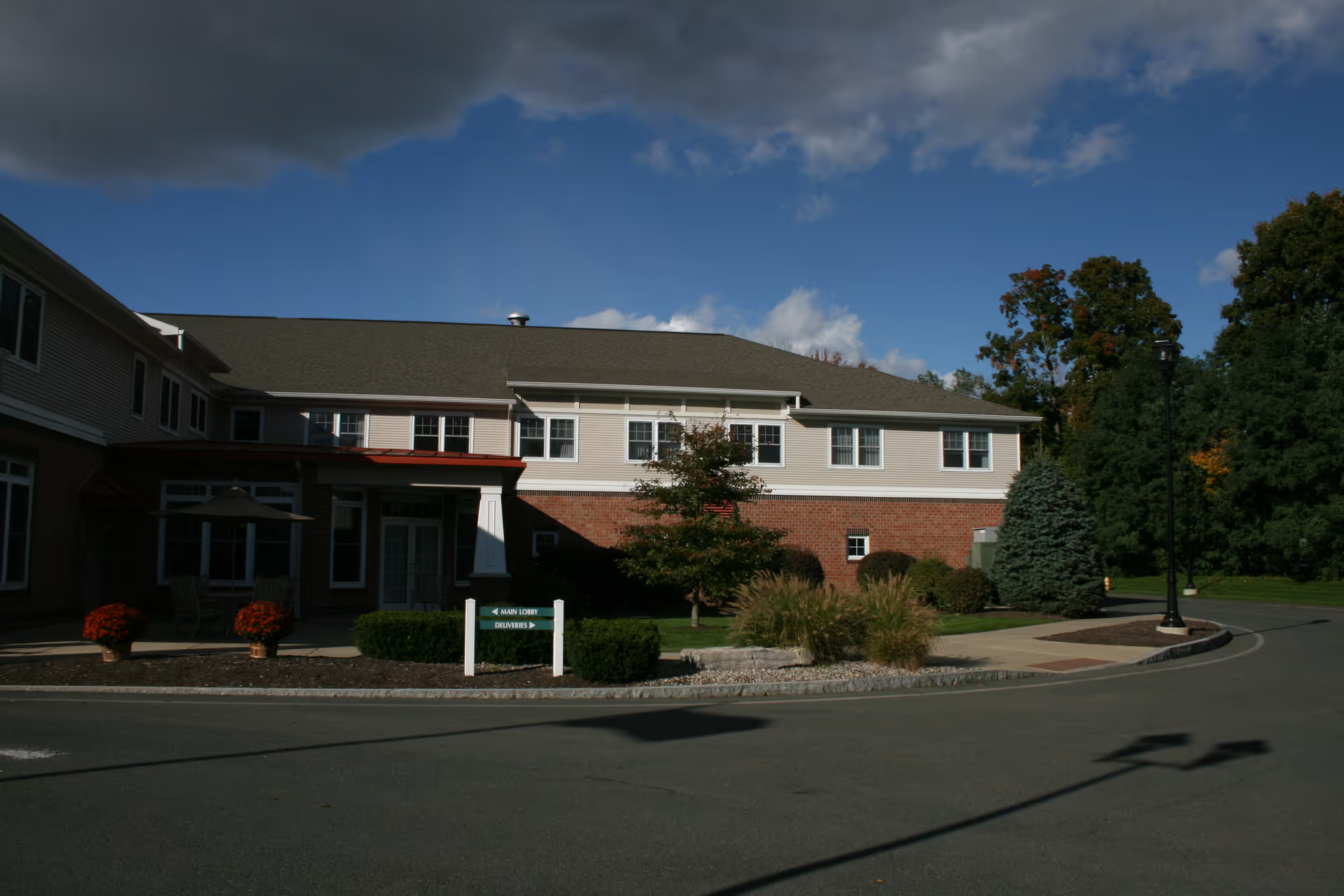
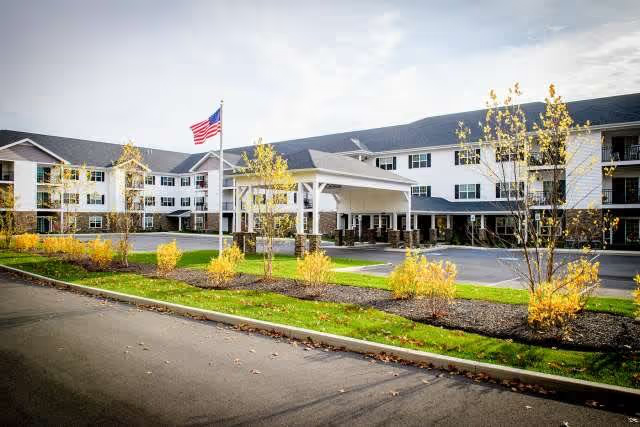
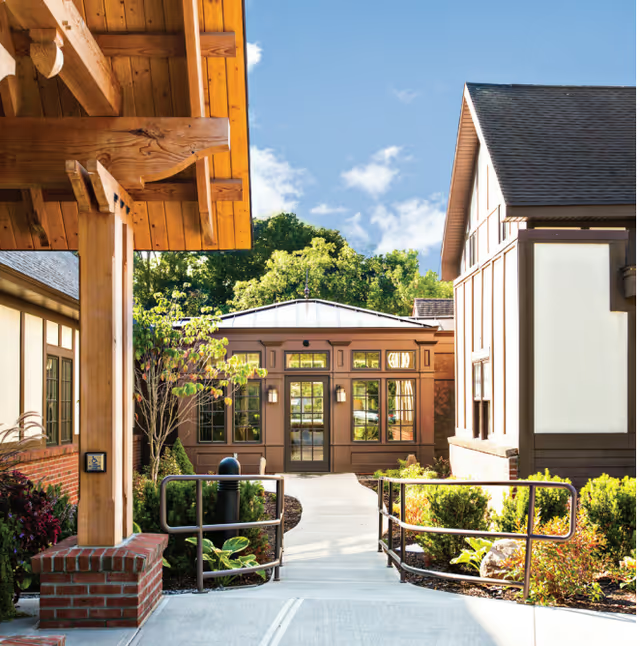
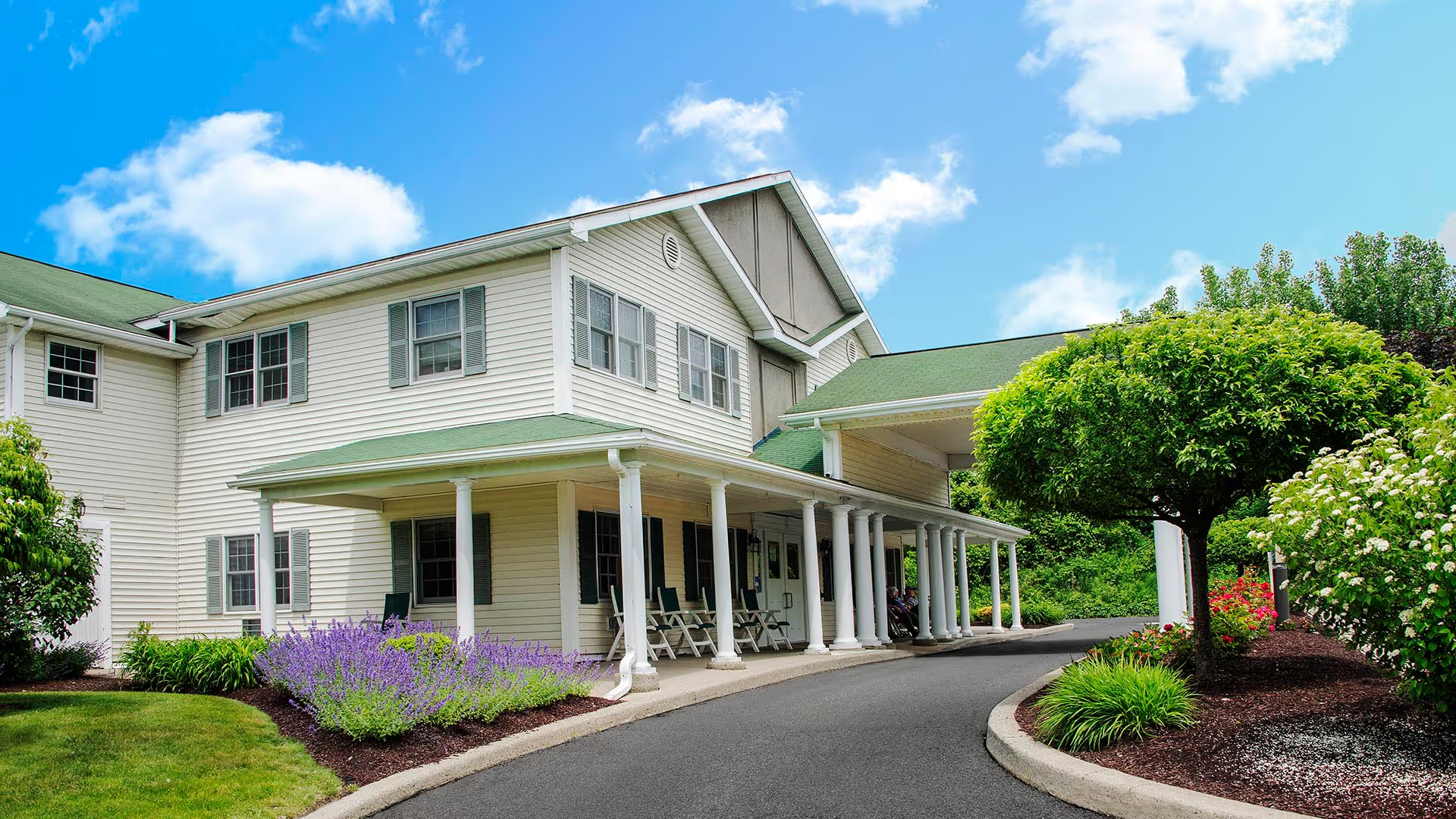
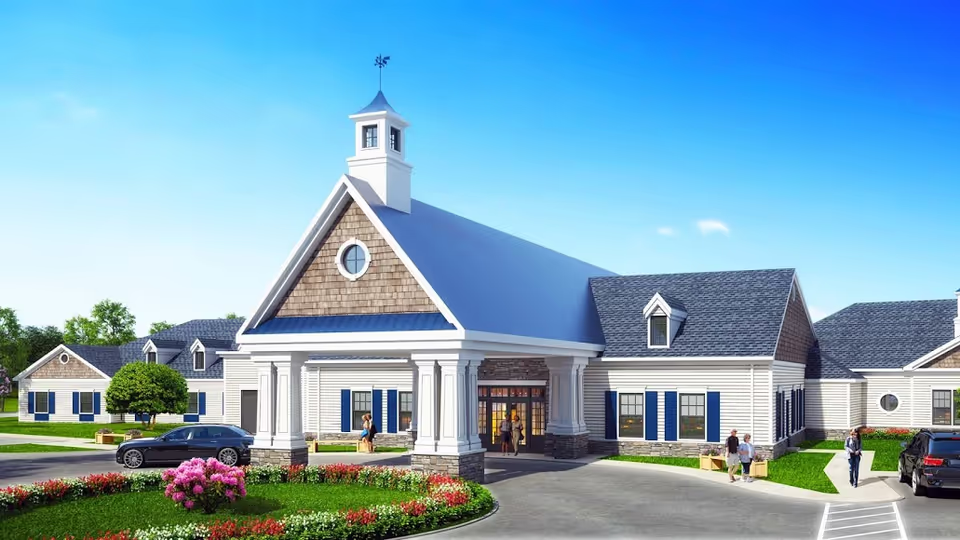
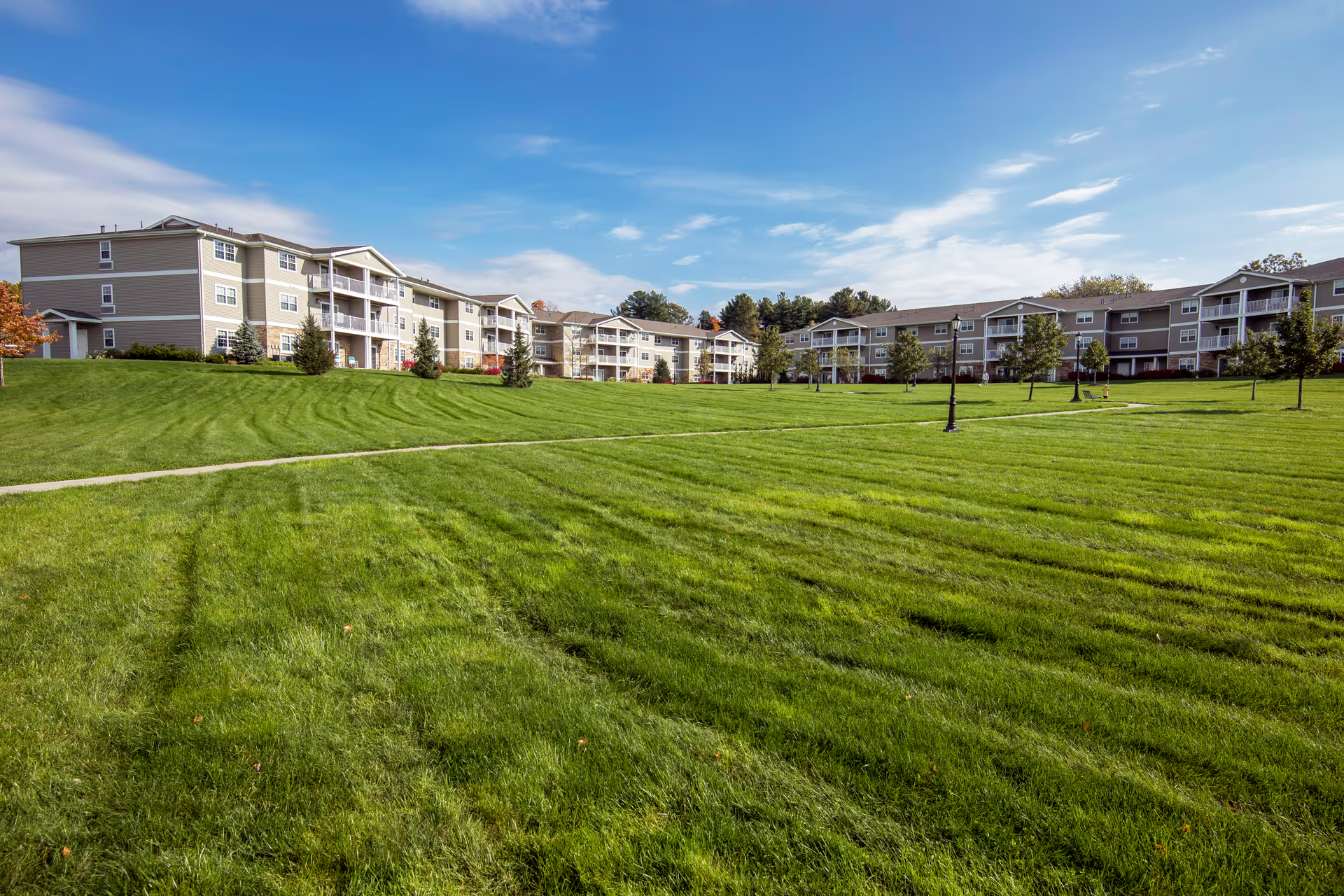
Terrace at Beverwyck is described by many families as a clean, attractive, and well‑appointed senior living community with a strong hospitality feel. Reviewers commonly praise the physical plant — modern construction, tasteful decor, spacious communal areas, pleasant outdoor walking space, and comfortable apartments — and emphasize the facility’s value as a nonprofit provider. The dining program is a consistent strength: chef‑prepared meals, multiple menu choices, and accommodations for special diets are repeatedly highlighted. The community’s COVID‑response and infection‑control practices also receive positive comment.
On the care side, numerous accounts describe attentive, compassionate nursing and caregiving staff who provide supportive clinical services, medication assistance, and help with medical appointments. On‑site rehabilitation services (physical and occupational therapy), transportation options, and a broad calendar of activities (yoga, exercise, music groups, movies, outings) contribute to social engagement and perceived quality of life for residents. Families frequently note responsive communication and a family‑like atmosphere that helped with transitions and reduced stress.
At the same time, reviews indicate operational challenges that are relevant to prospective residents. Staffing stability appears inconsistent: reviewers describe shortages, unfilled aide positions, and coverage gaps when staff are absent. Several families raise concerns about staff conduct, timeliness of responses, and overall responsiveness at times — phrased here as conduct and responsiveness issues rather than isolated incidents. A number of comments suggest a mismatch between advertised assisted‑living services and the level of hands‑on care available in specific situations, so clarity about scope of services is advisable.
There are also governance and systems issues to consider. Some reviewers express concern about potential conflicts of interest in management oversight and describe institutional incentives that may favor transitions to higher‑level care; prospective families should ask for written policies on care‑level transitions and financial influence. Practical operational gaps noted include limited emergency power/backup coverage and constraints around waitlist access and program transparency. A few comments flag fall‑risk management and recovery support as areas for closer inquiry.
Overall, Terrace at Beverwyck scores well on environment, dining, activities, and many aspects of clinical care and family communication, but the pattern of staffing variability and management‑related concerns suggests candidates should perform targeted due diligence. Recommended questions for a tour include current staffing ratios and turnover, direct‑care coverage plans for staff absences, documented protocols for care‑level transitions, emergency power systems, and examples of individual care plans that address fall risk and recovery supports.