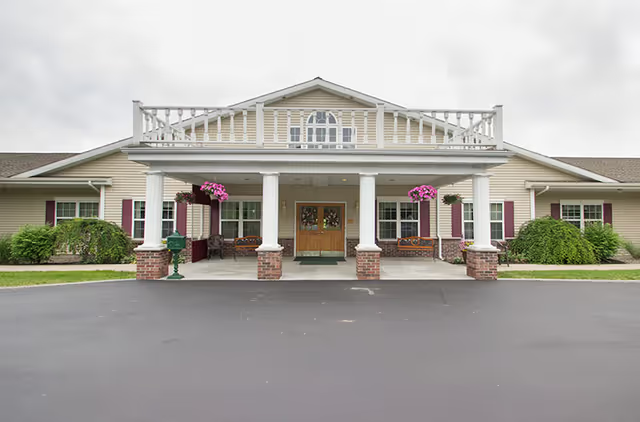
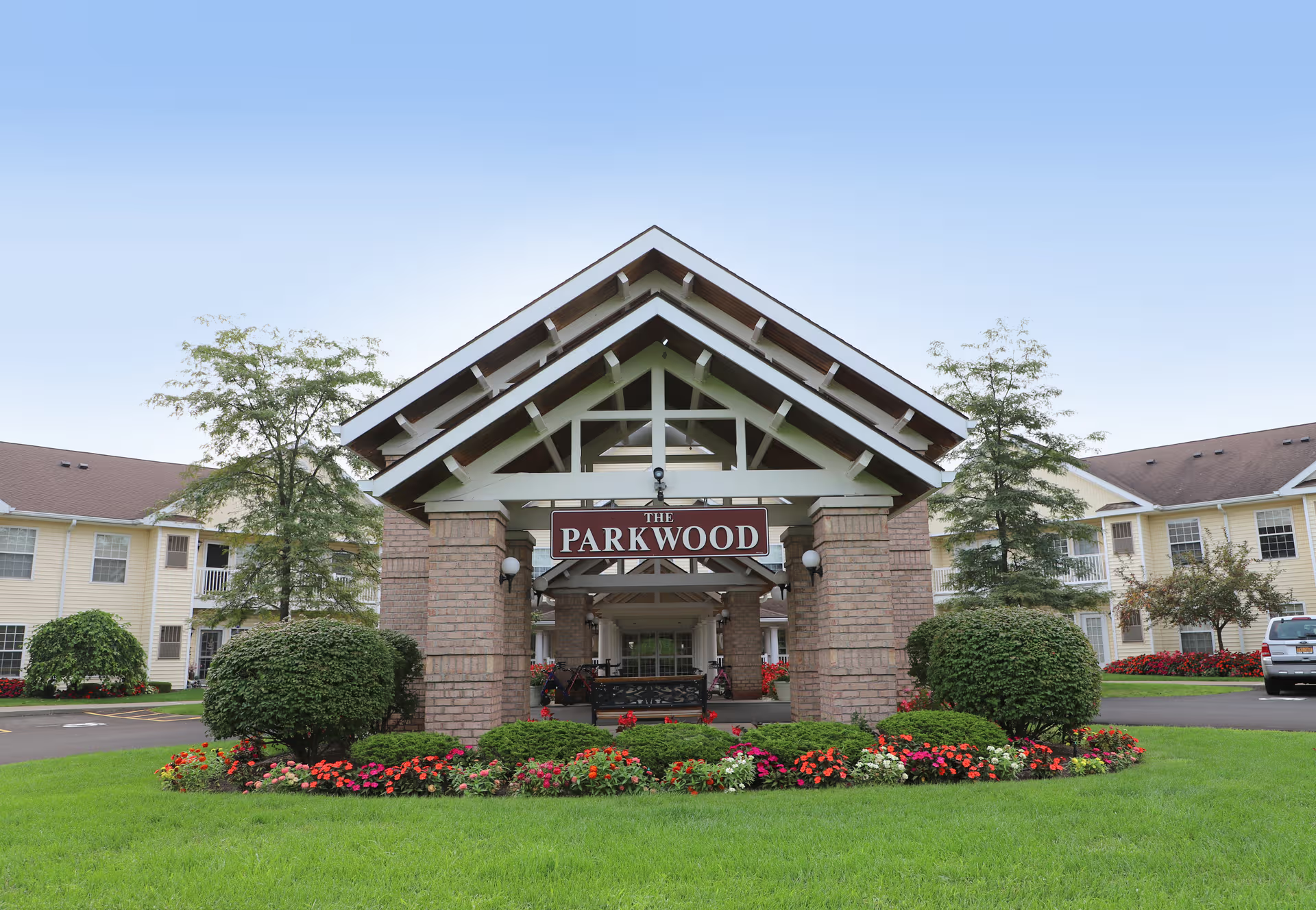
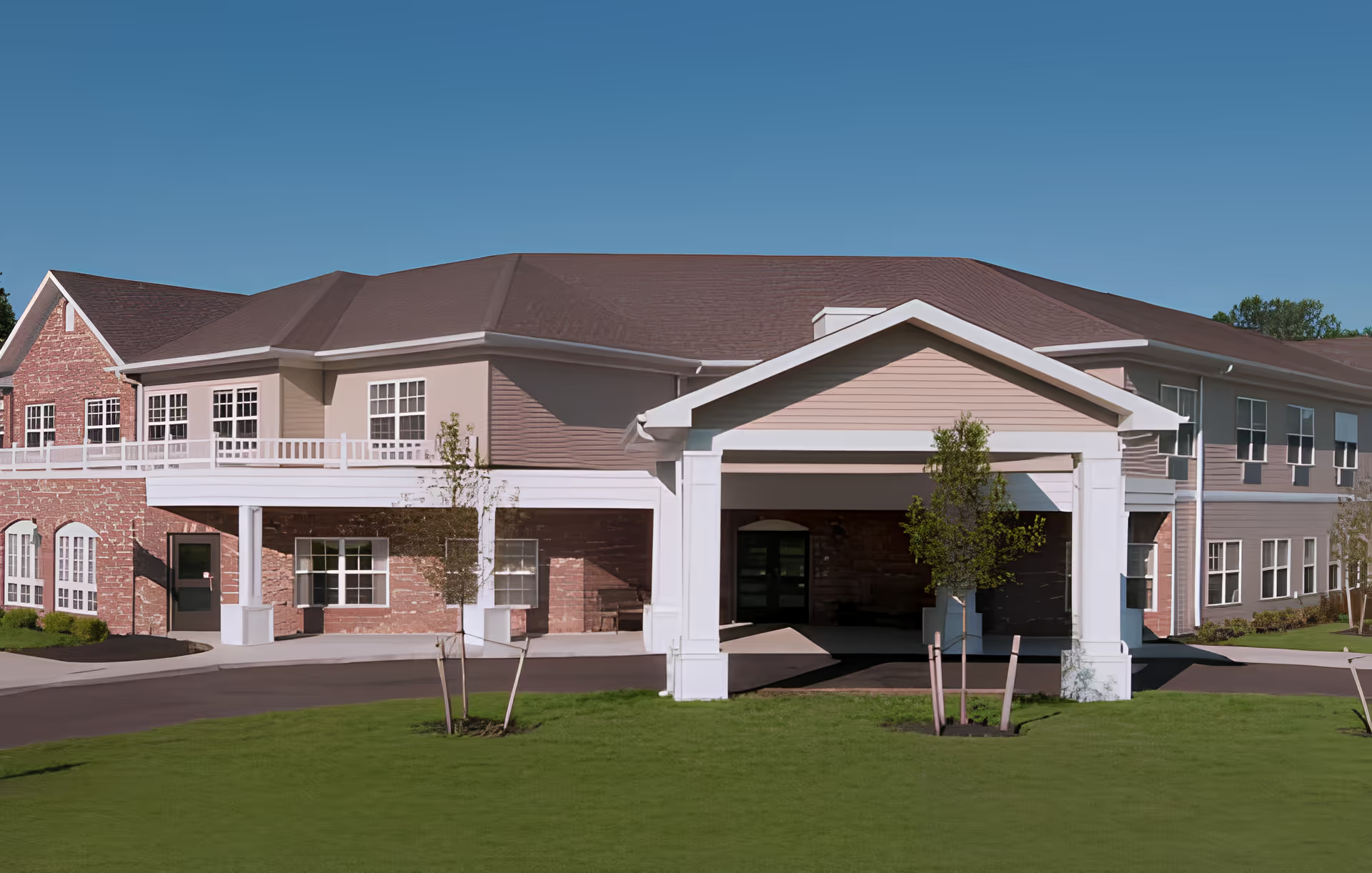
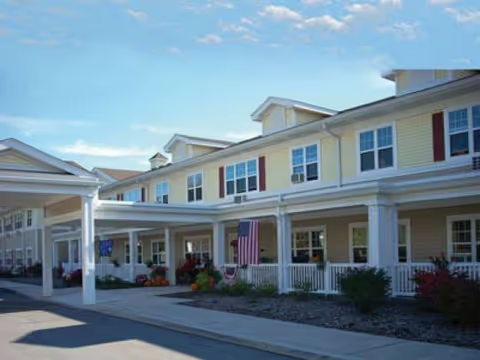
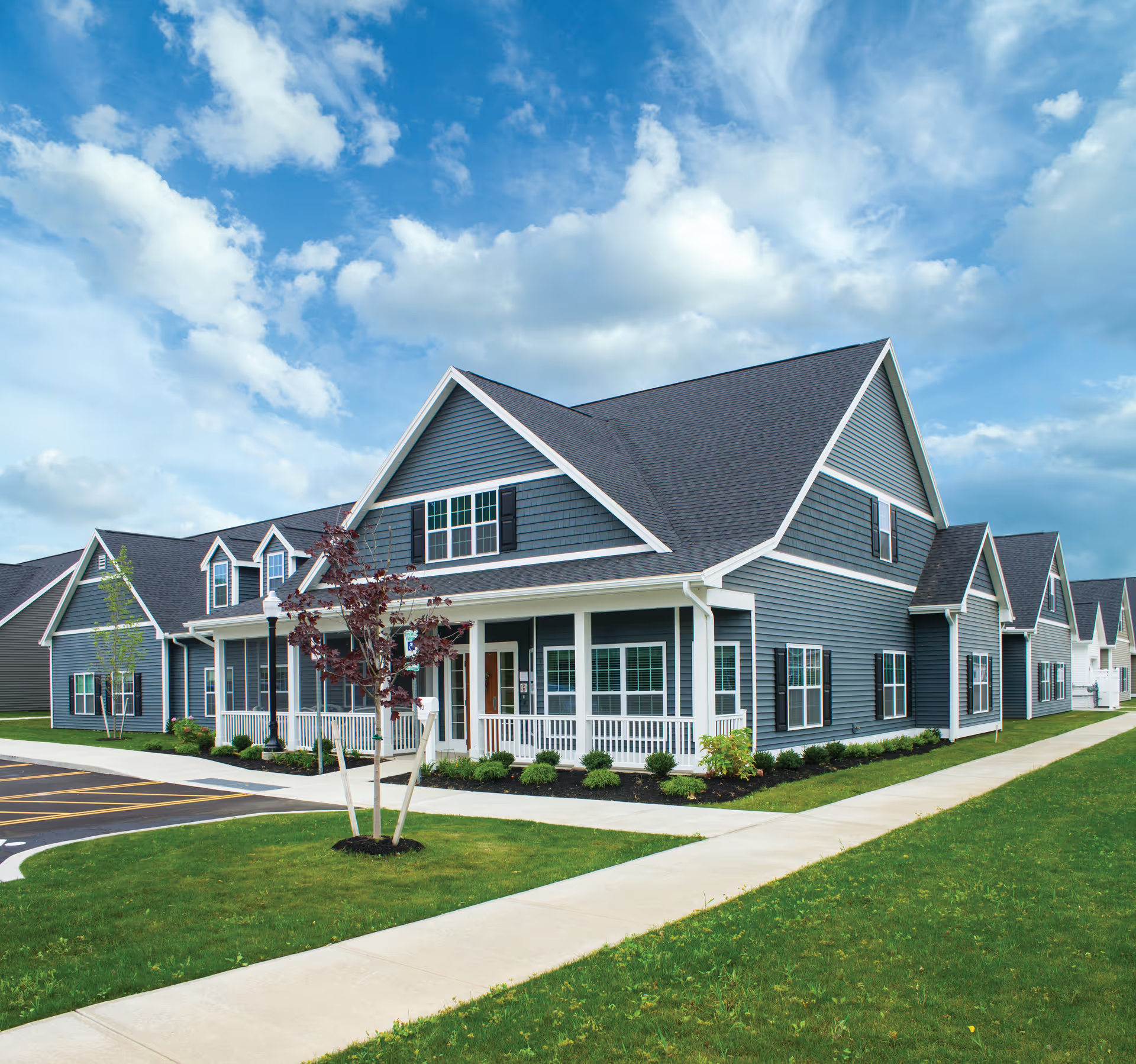
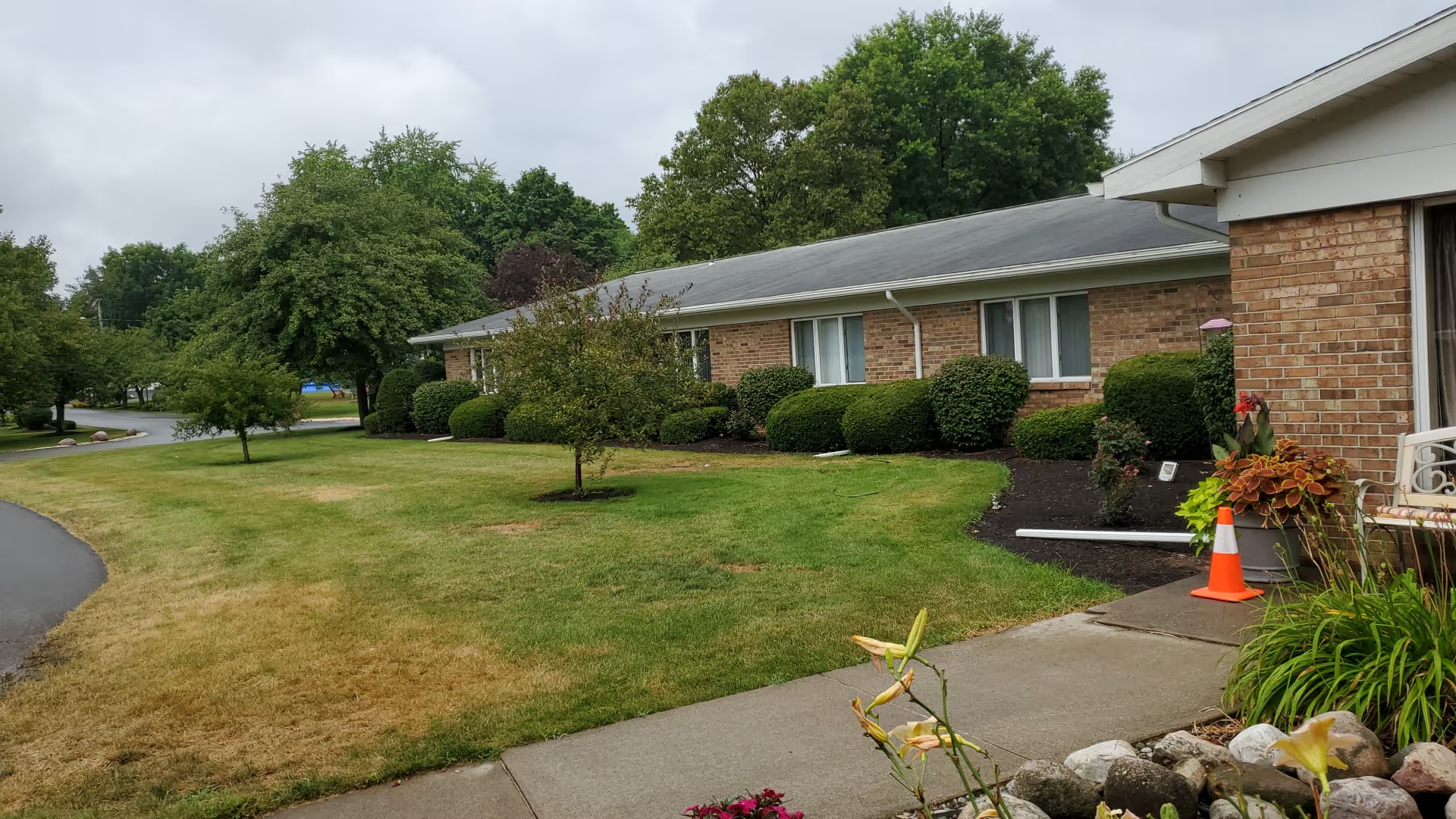
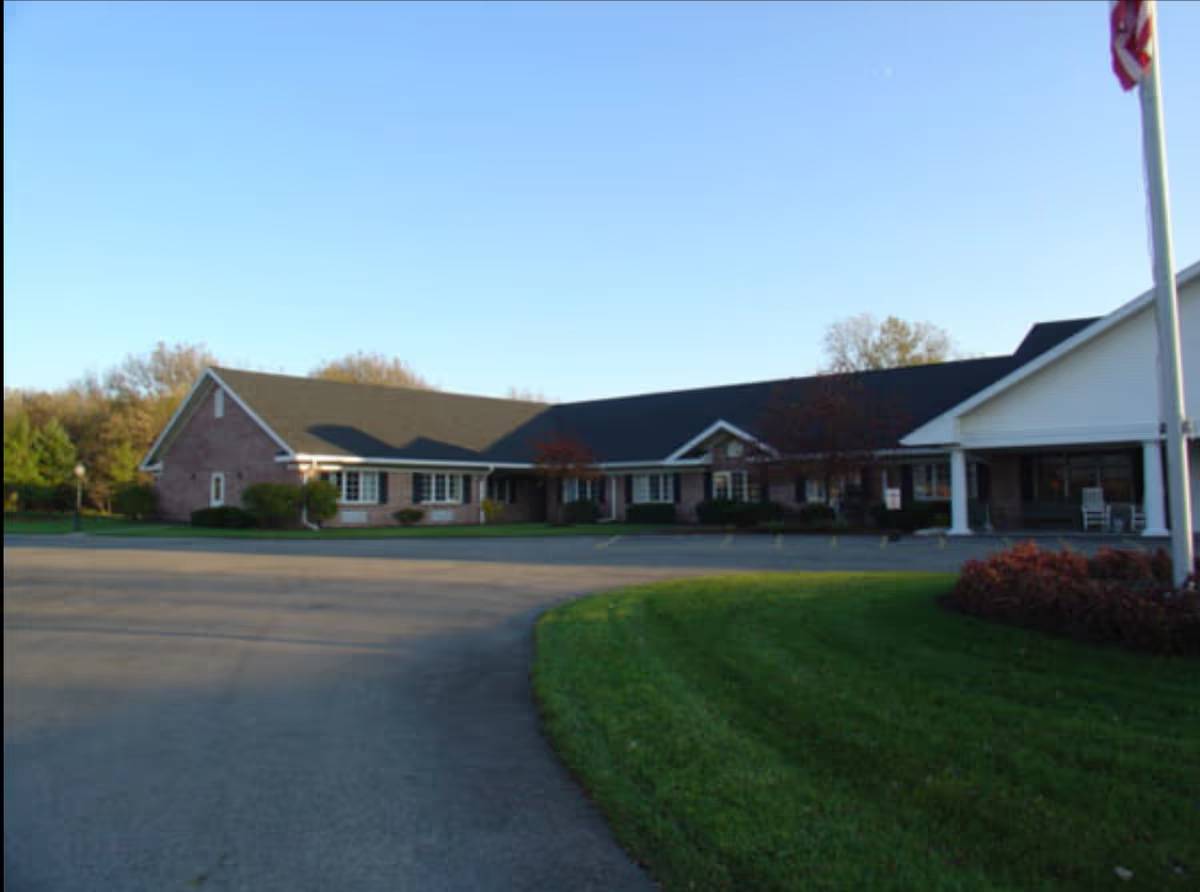
The reviews indicate a polarized experience at Sodus Rehabilitation and Nursing Center, with families describing both exemplary care and significant operational weaknesses. Many reviewers praised individual caregivers—nurses, CNAs, and social-work staff—for compassionate, attentive interactions and responsive family communication. Multiple accounts highlight successful rehabilitation outcomes, supportive hospice partnerships, and instances of leadership visibility where administrators were actively involved in resident care. Several comments emphasize well-kept grounds, private rooms with courtyard views, and recent renovations that contribute to a pleasant, mobility-friendly environment.
At the same time, persistent concerns emerge around staffing consistency and operational controls. Reviewers describe frequent staffing variability and perceived high turnover that correlate with uneven care quality across shifts. Medication-administration and supply-management problems are a recurring theme: missing or inconsistent supplies (for example diabetic testing items), medication errors or delays in pain-medication delivery, and broader inventory-control weaknesses. These clinical-process gaps tie into reports of delayed hospital transfers and family frustration over clinical escalation timelines.
Dining and housekeeping impressions are mixed. Several families praised the kitchen and dining experience, calling meals excellent and the dining environment attractive; others reported inconsistent meal quality, shortages, and supply problems. Cleanliness impressions also vary by unit and time period—some reviewers describe an immaculate, odor-free facility with frequent cleaning, while others describe sanitation concerns and supply shortages in certain areas.
Financial and administrative processes surface as a clear area of concern. Reviews describe pressure to pay full monthly fees upfront at admission, recurring billing disputes, and promises of refunds that were not fulfilled in a timely manner. In addition, some reviewers perceived ownership and management priorities as financially driven, and several noted difficulties navigating the facility’s complaint-resolution channels.
Staff conduct and policy enforcement present another tension: many caregivers are described as kind, patient, and hardworking, yet other accounts cite inconsistent professionalism, poor responsiveness (including staff distracted by phones), and policy lapses such as indoor smoking by staff. There are also mentions of room crowding in parts of the facility and perceived gaps in pressure-injury prevention and skin-care monitoring.
Overall, Sodus Rehabilitation and Nursing Center appears to deliver strong person-centered care in many cases, supported by committed clinicians, an improving physical environment, and engaged leadership. However, the facility also shows recurring operational weaknesses—particularly around staffing consistency, medication and supply controls, billing transparency, and complaint handling—that prospective residents and families should discuss directly with management. Asking for specifics on staffing ratios, medication-supply protocols, admission financial policies, incident escalation procedures, and recent quality-improvement measures may help families assess whether the facility’s strengths align with their expectations and needs.