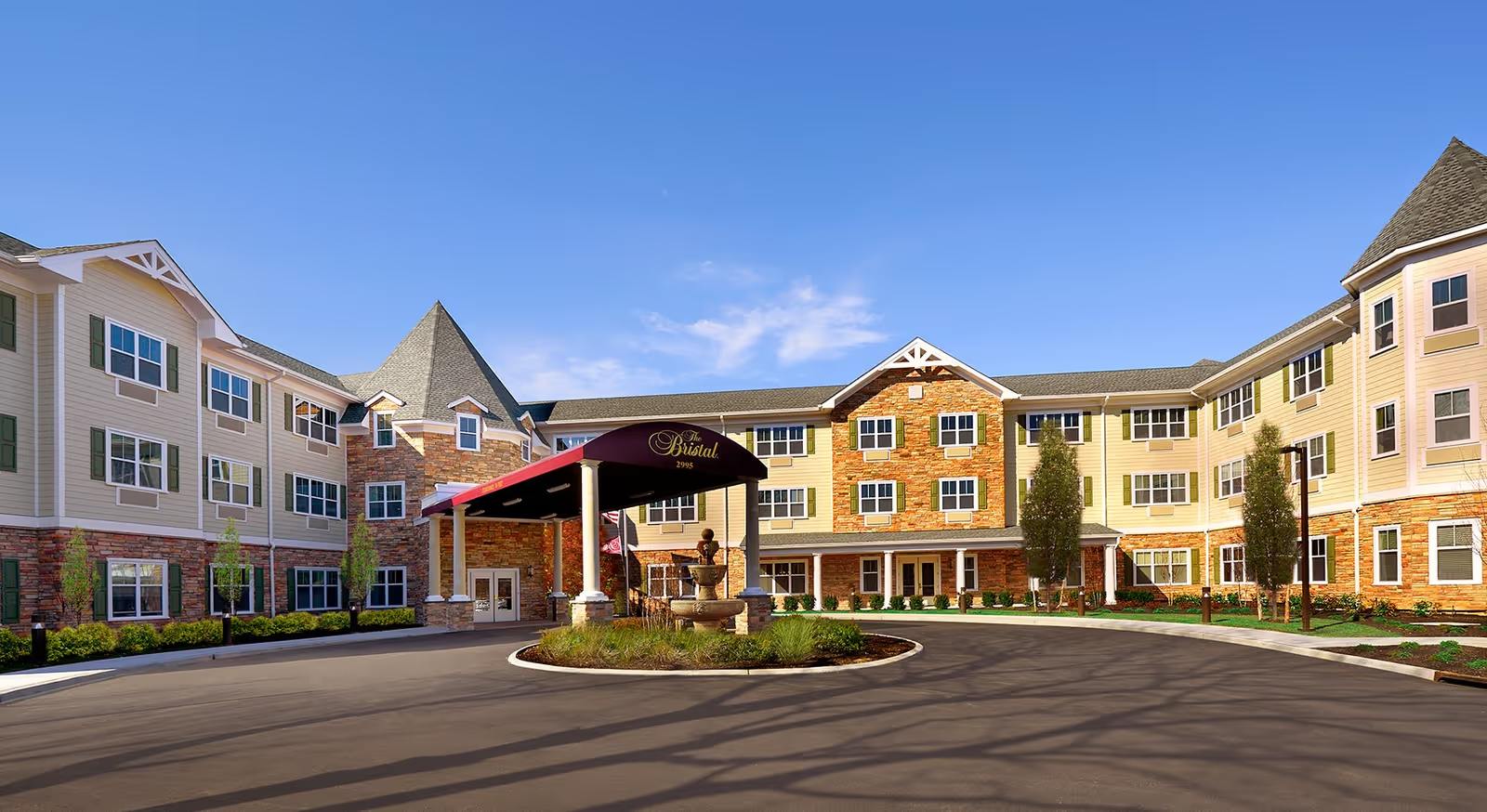
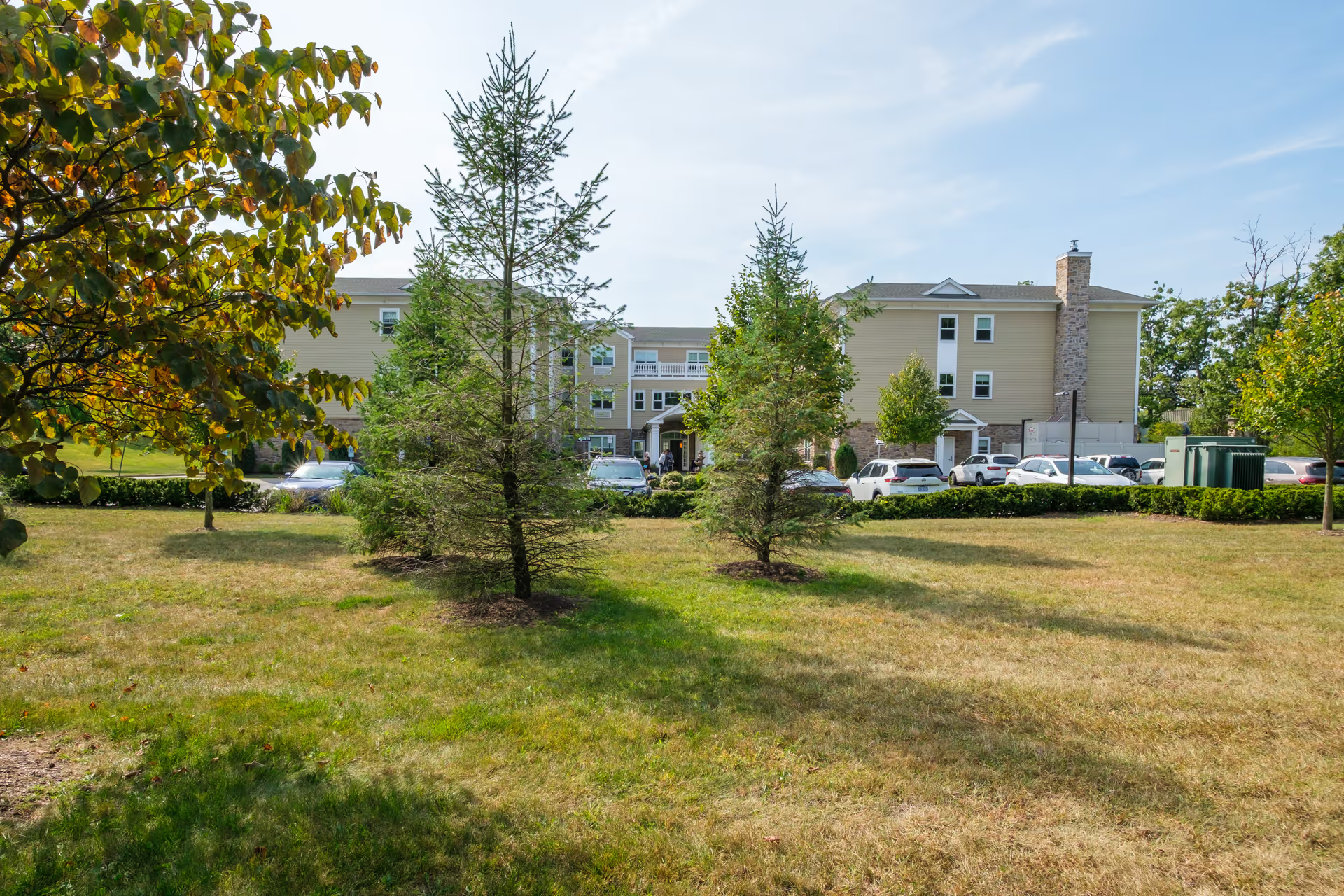
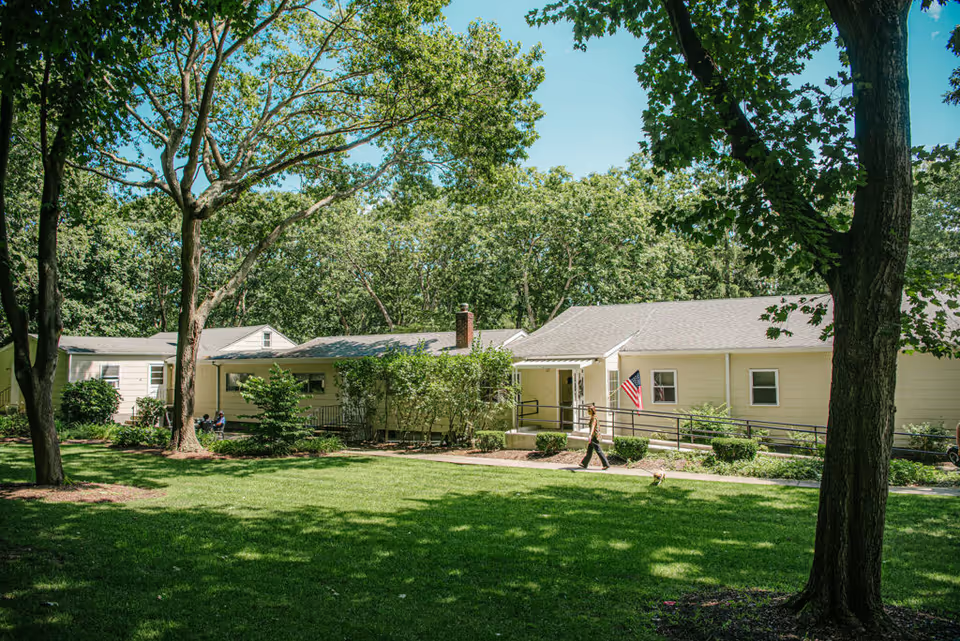
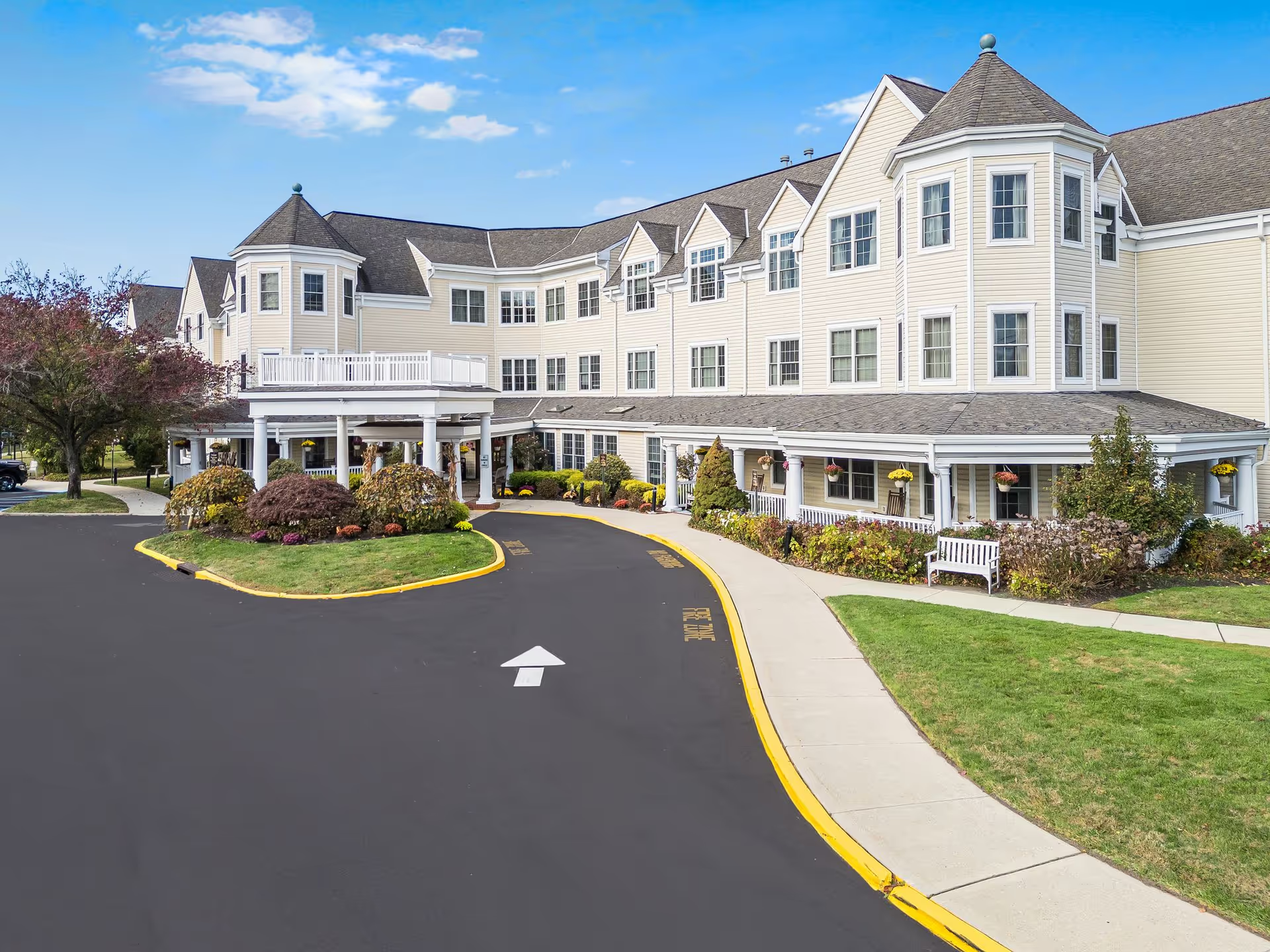
The reviews present a polarized picture of Luxor at Mills Pond Rehabilitation & Nursing Center. Many families and residents praise the facility's rehabilitation services, with consistent positive feedback about physical and occupational therapy, effective speech therapy interventions, and proactive wound-care clinicians. Recreation, on-site café and bakery amenities, and a welcoming front-desk/concierge presence are additional, frequently mentioned strengths. Several reviewers described clean, updated rooms and common areas and highlighted helpful social work and discharge coordination that supported transitions home.
Care quality and staffing emerge as mixed and often unit- or shift-dependent. While numerous accounts describe compassionate nursing and CNA care, a substantial set of concerns point to chronic understaffing that affects responsiveness to call bells, timeliness of assistance, and frequency of bedside checks. Related operational weaknesses include unreliable phone/switchboard performance, long wait times for aid, and variability in staff conduct and communication tone. These factors are frequently linked by reviewers to delays in medication administration, inconsistent follow-through on orders and diagnostics, and missed or delayed transfer escalation.
Dining and housekeeping are also areas of notable variability. Some reviewers appreciated customizable orders, healthy balanced meals, and an attractive café; others described inconsistent meal temperature and quality, and concerns about adherence to therapeutic diet requirements such as diabetic or texture-modified meals. Housekeeping and laundry processes earned praise in many accounts but were criticized in others for delays, mislabeling, and episodic sanitation concerns. These mixed accounts suggest that performance can differ by unit and by time of day.
Facility operations and management practices show recurring themes. Positive comments about administration, organized events, and concierge rounds are counterbalanced by frequent mentions of delayed or unreturned calls from administrators, confusing or conflicting information provided to families, and occasional billing or charging issues. Privacy and HIPAA practice inconsistencies, along with examples of strained family communication, further point to areas needing attention. Several reviews raised significant safety-related concerns—including falls, transfer-safety gaps, and issues in the dementia unit such as unsecured doors and inadequate monitoring—that families should evaluate closely. A small number of reviews raised very serious allegations, including concerns following a resident's death and refusals of transfer; those accounts warrant direct follow-up with facility leadership and inspection records.
In summary, Luxor at Mills Pond displays clear strengths in rehabilitation, certain clinical specialties, recreation, and amenities, and it can provide positive, recovery-focused experiences for many residents. At the same time, persistent operational challenges—notably staffing variability, communication and phone-system failures, inconsistent clinical follow-through, and uneven housekeeping and dietary execution—create potential risks for continuity and safety of care. Prospective residents and families would be advised to tour relevant units, ask for current staffing ratios and recent inspection outcomes, verify therapeutic-diet procedures and wound/medication protocols, and clarify escalation and communication processes before making placement decisions.