The collective reviews of St. James Rehabilitation & Healthcare Center present a polarized picture: many families and residents describe strong clinical rehabilitation, compassionate individual staff members, and an active recreation program, while others report operational shortcomings that affected day-to-day care. Strengths most consistently noted include an effective PT/OT program, attentive social work and case-management support, specialty rehab programs (orthopedics, cardiac, amputee care), and a recreation department that provides varied creative-arts and music-based activities. Several reviewers praised specific staff and teams for personalized attention, proactive discharge coordination, and successful short-term recovery trajectories.
Care-quality observations are mixed. Positive accounts emphasize dedicated nurses and aides, focused therapy sessions, and improvements in mobility and function during short-term stays. Conversely, a recurring pattern of concerns centers on staffing levels and responsiveness: delays in answering call lights, prolonged waits for toileting assistance, inconsistent meal help, and reports of delayed pain- or symptom-relief. Reviewers also described gaps in medication timing and in the escalation pathway for acute medical issues; these reports included delays arranging diagnostics or specialist input. Families frequently noted that outcomes and day-to-day experience varied by shift and by unit, suggesting uneven implementation of clinical routines.
Dining and nutrition gained both praise and criticism. The facility’s dietitian involvement, menu variety, and some favorable meal experiences were highlighted. At the same time, others described inconsistencies in meal quality, temperature, and assistance with feeding. Weight changes and nutrition-related concerns were raised in a subset of longer stays, underscoring the importance of monitoring intake and meal-assistance plans for vulnerable residents.
Activities and social engagement are a relative strength. The recreation department is credited with a full calendar of events, creative-arts therapy, and personalized engagement (for example, themed craft events and music programs). However, participation can be limited by access issues and staffing constraints that reduce the ability to assist residents to and from activities, which diminishes the program’s reach for more dependent residents.
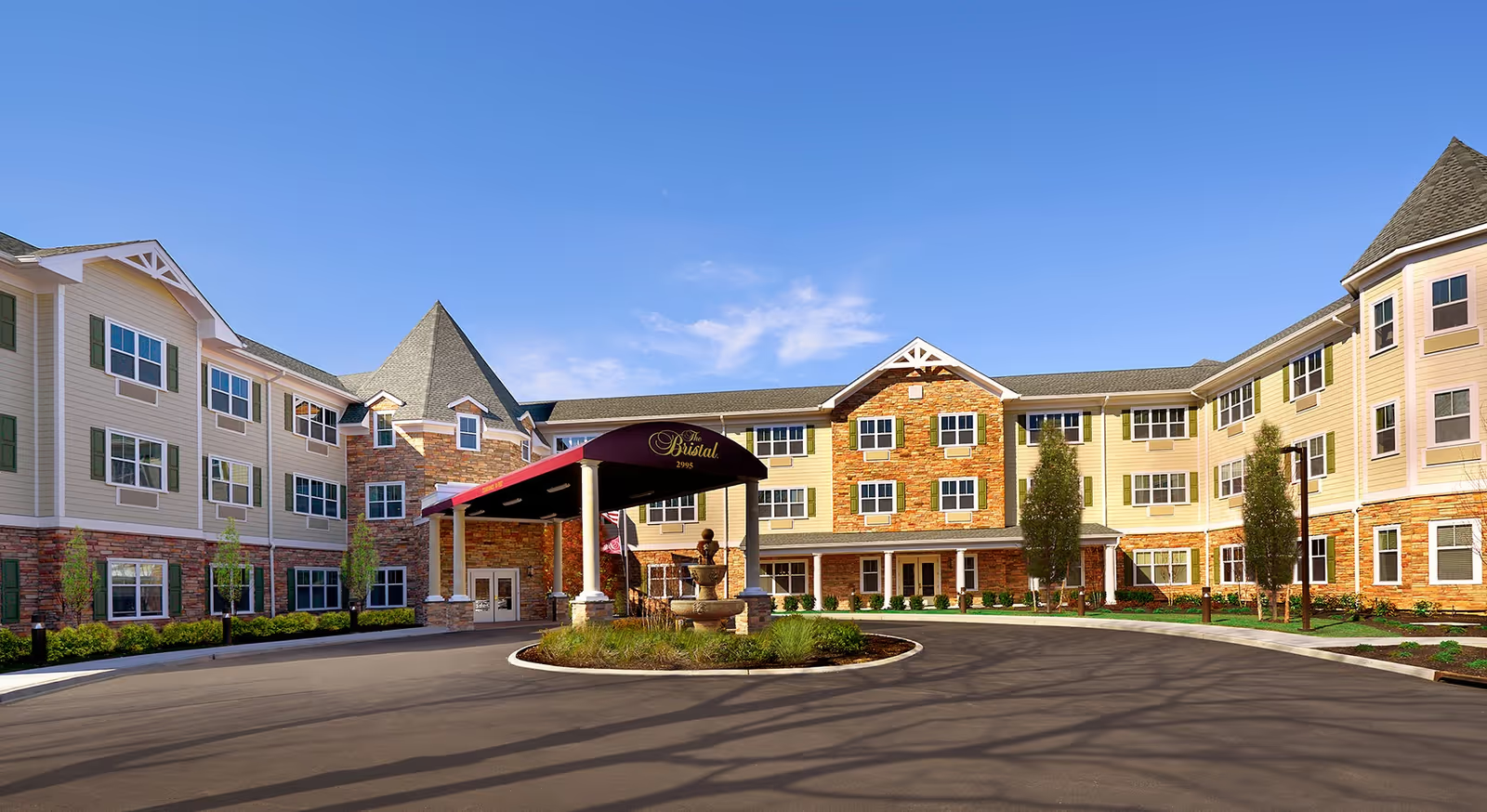
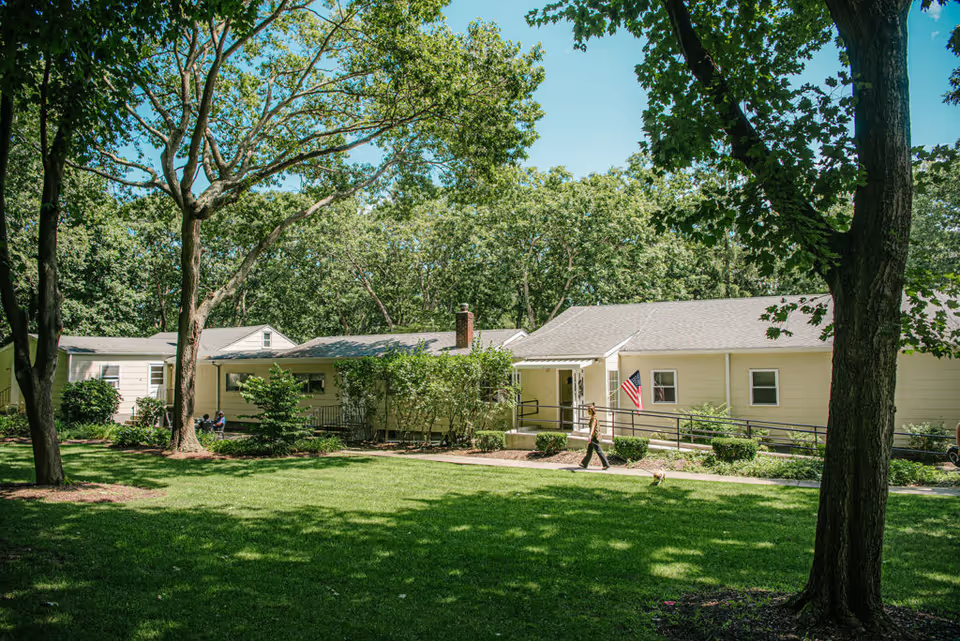
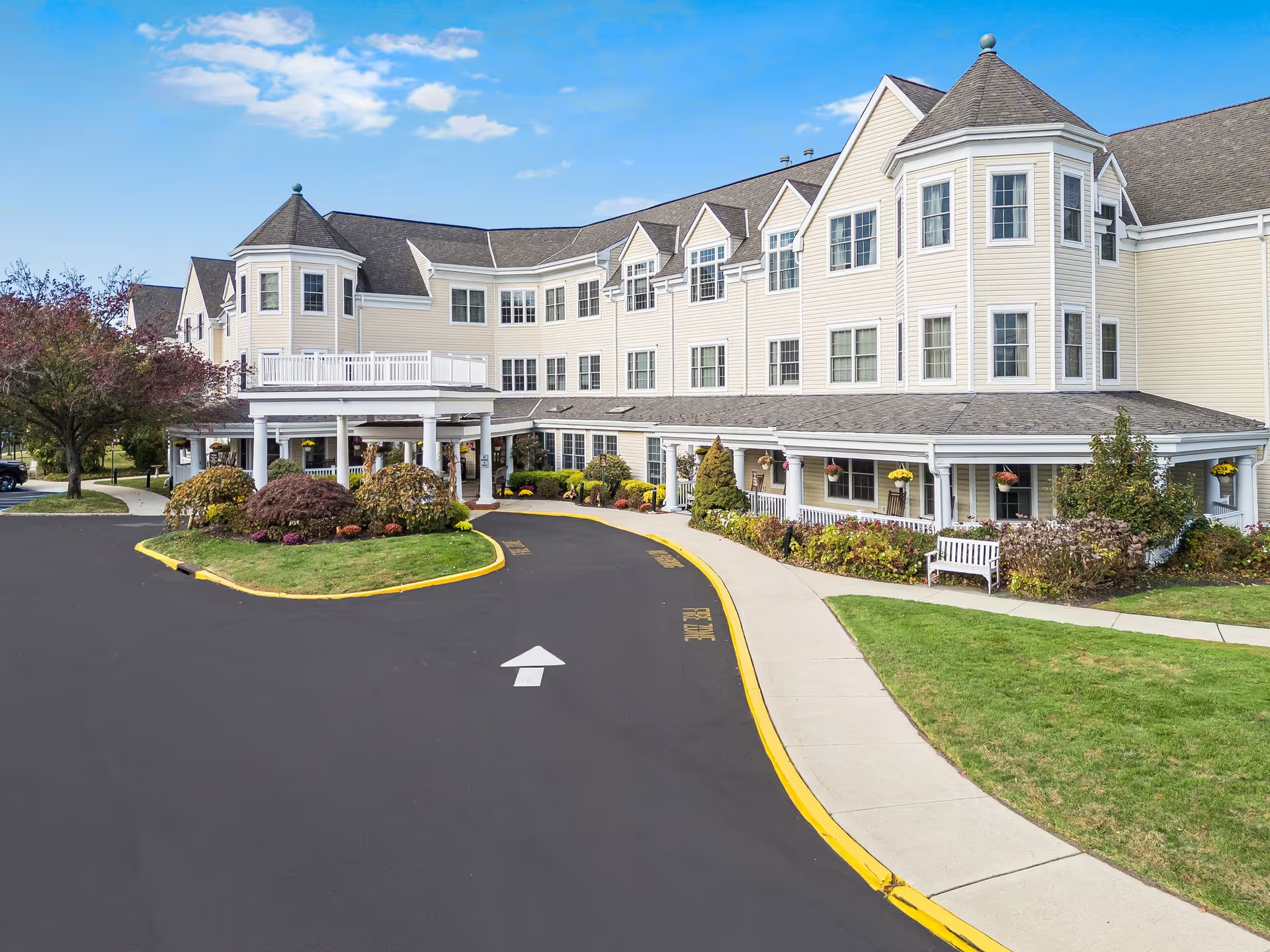
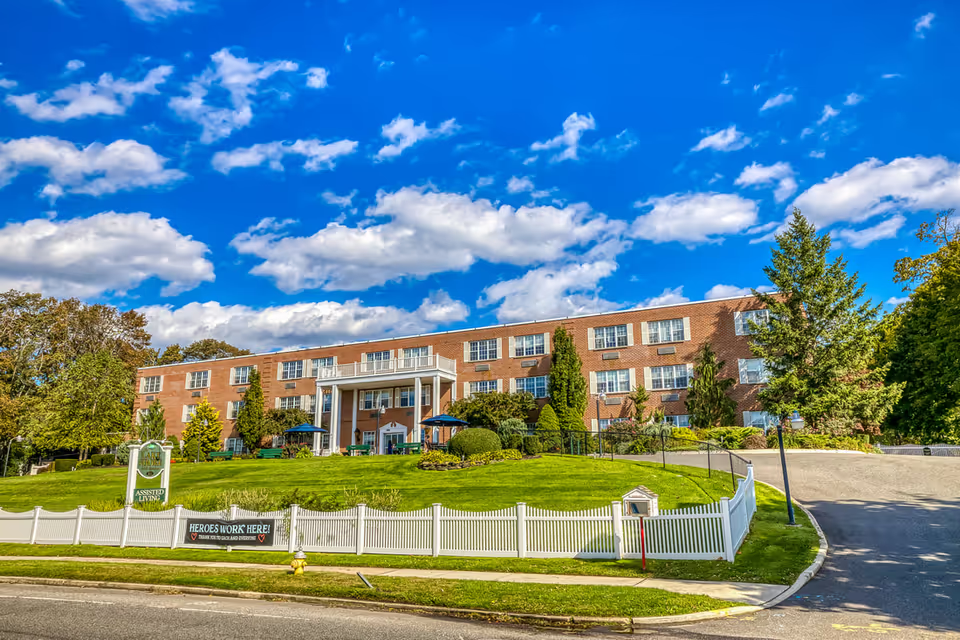
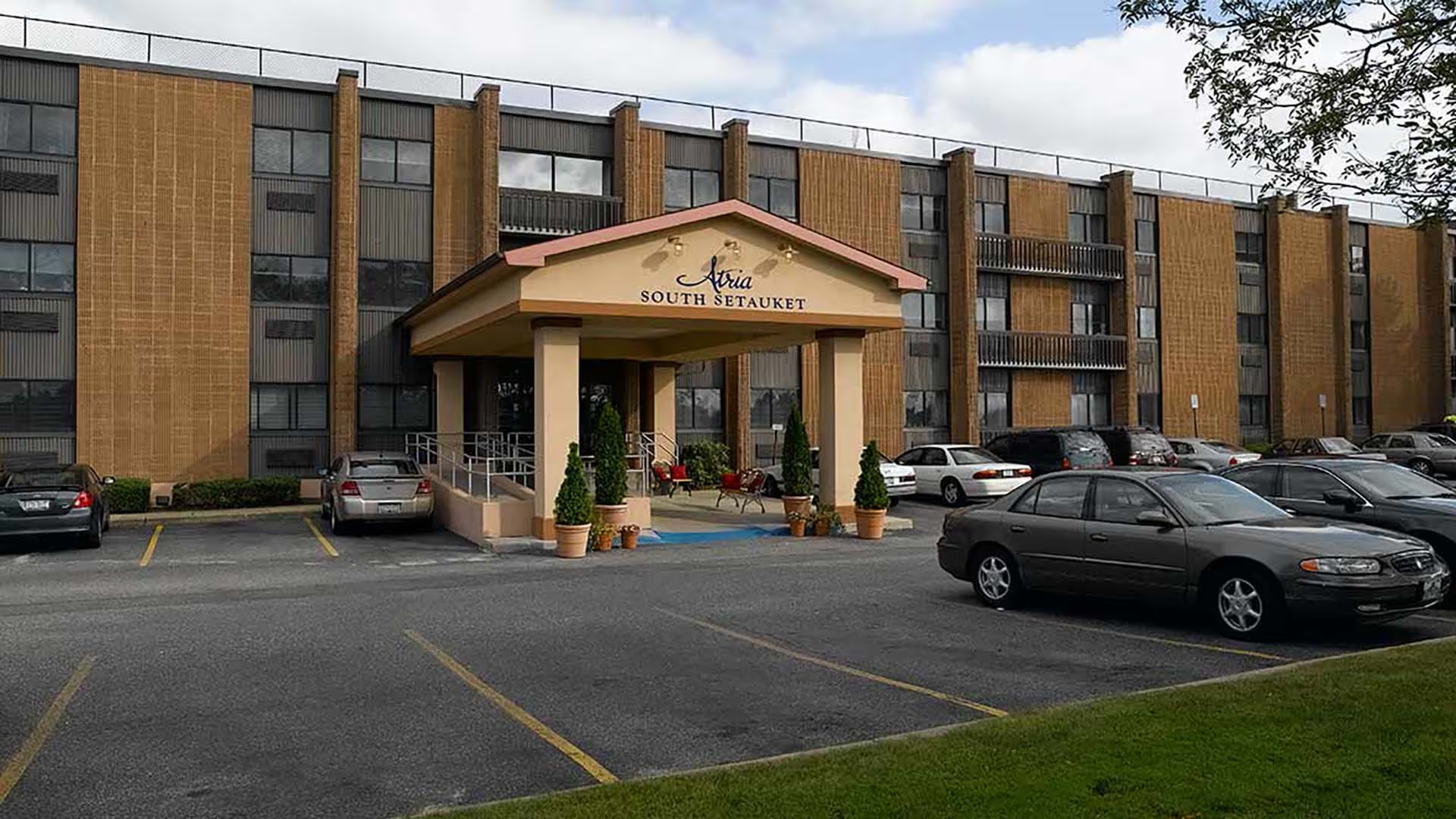
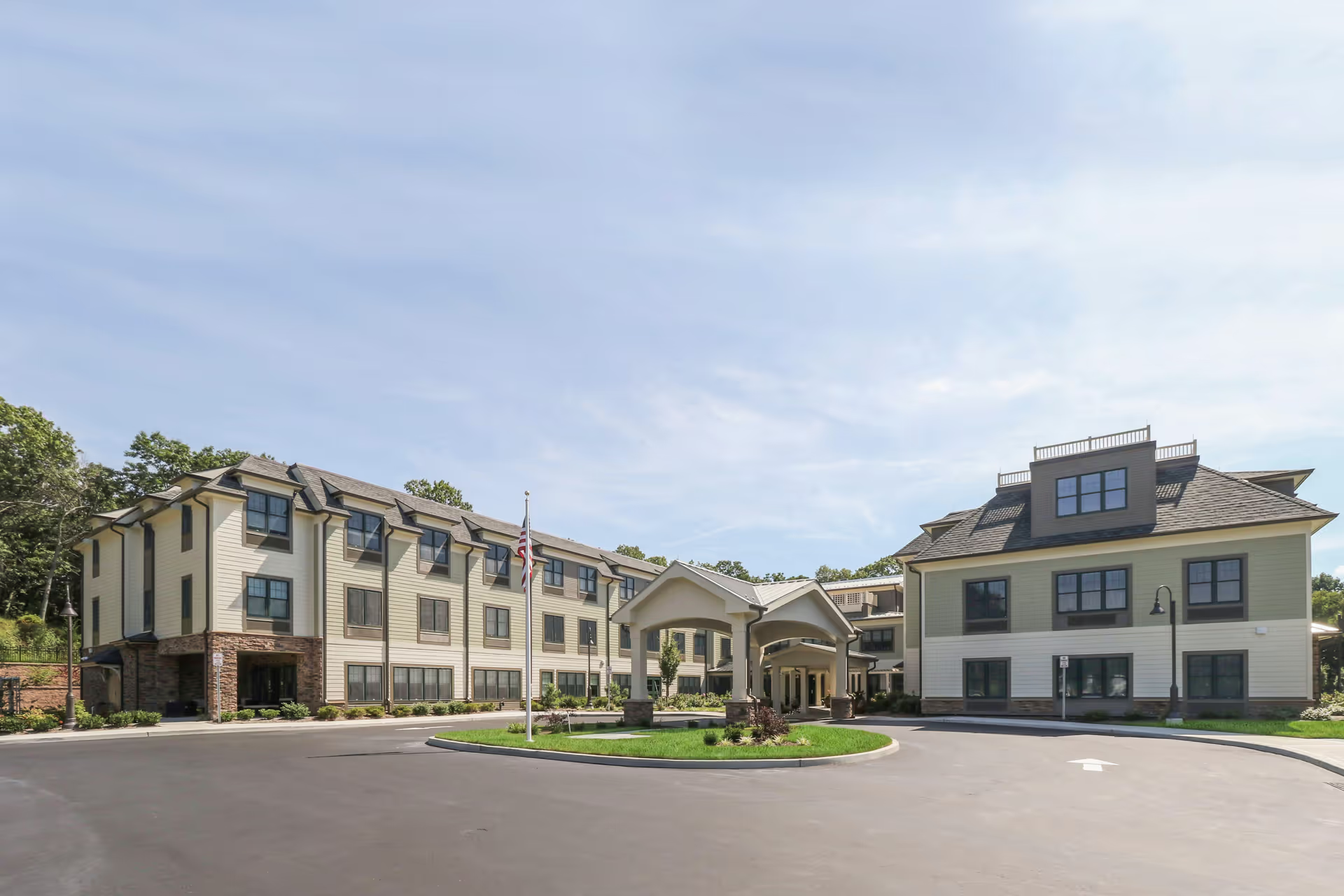
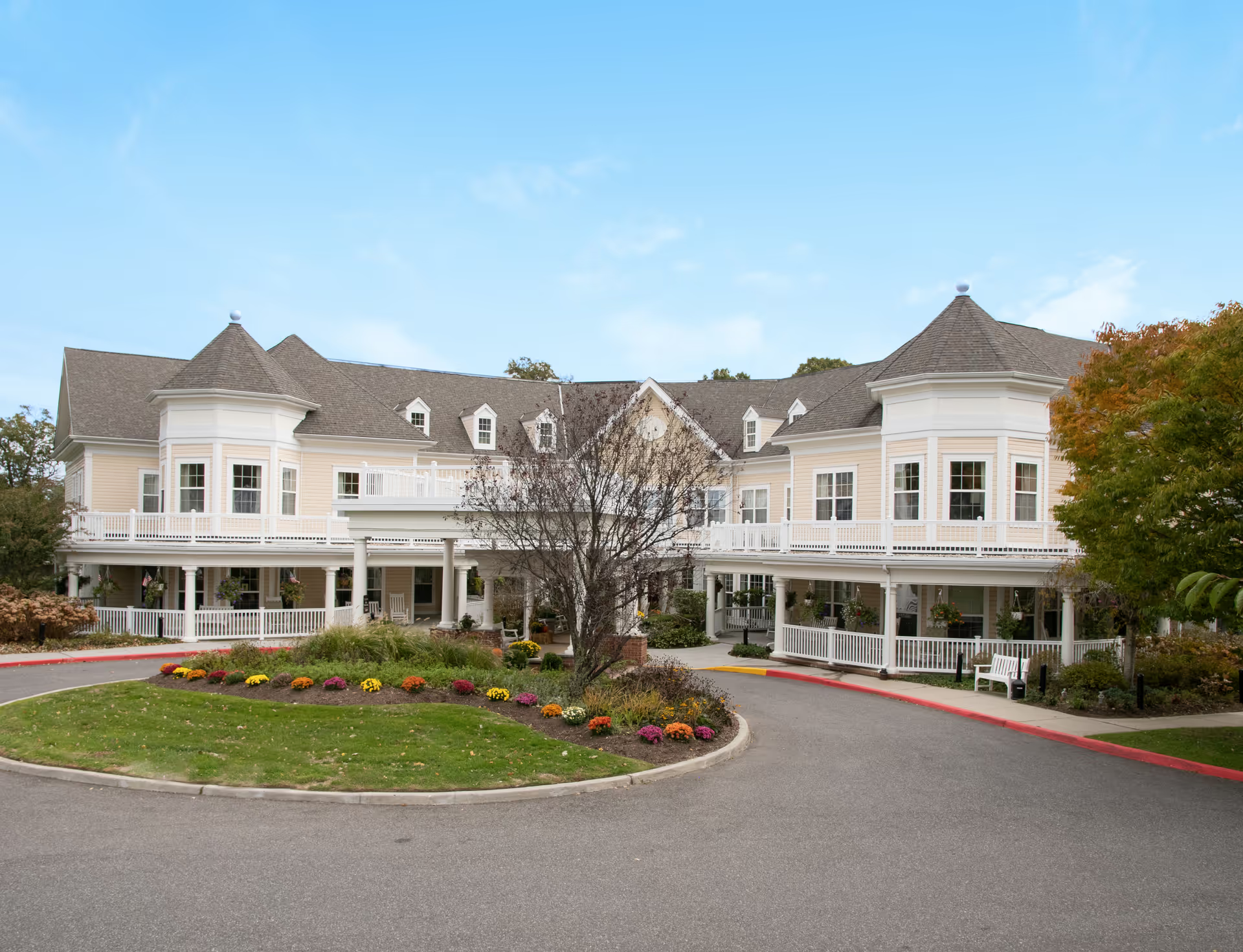
Facility condition and safety remarks are varied. Many reviewers described clean, attractive interiors, roomy rooms, and pleasant common areas. Others cited sanitation and linen-change lapses, isolated pest-control concerns, and areas in need of renovation. Safety-related issues raised include inconsistent fall-prevention measures, variable use of alarms or bed rails, and occasional instances where transfer or monitoring practices were perceived as inadequate. These reports indicate variability in safety processes across shifts.
Management and communication show variability in responsiveness. Several families praised administrators and specific staff for timely involvement, problem resolution, and hands-on leadership. In contrast, other reviewers reported difficulty obtaining clear information about care plans, delayed or confusing discharge and billing processes, and limited communication during clinical escalations. Restrictive visitation policies during infection-control periods were noted as a source of family stress in some cases.
Notable patterns across the reviews include a strong dependence on particular staff members—when engaged staff are present, outcomes and satisfaction are high; when staffing is thin or turnover is high, families report delays and lapses in basic care tasks. Prospective residents and families should consider variability across units and shifts when evaluating St. James: ask targeted questions about weekend and night staffing ratios, call-light response expectations, protocols for clinical escalation and diagnostic testing, feeding and toileting assistance plans, infection-control practices, and local pest-control actions. Observing mealtime, touring the unit you would be on, and requesting names of consistent point people (therapists, charge nurses, social work) can help set expectations and identify where the facility’s strengths align with a particular resident’s needs.