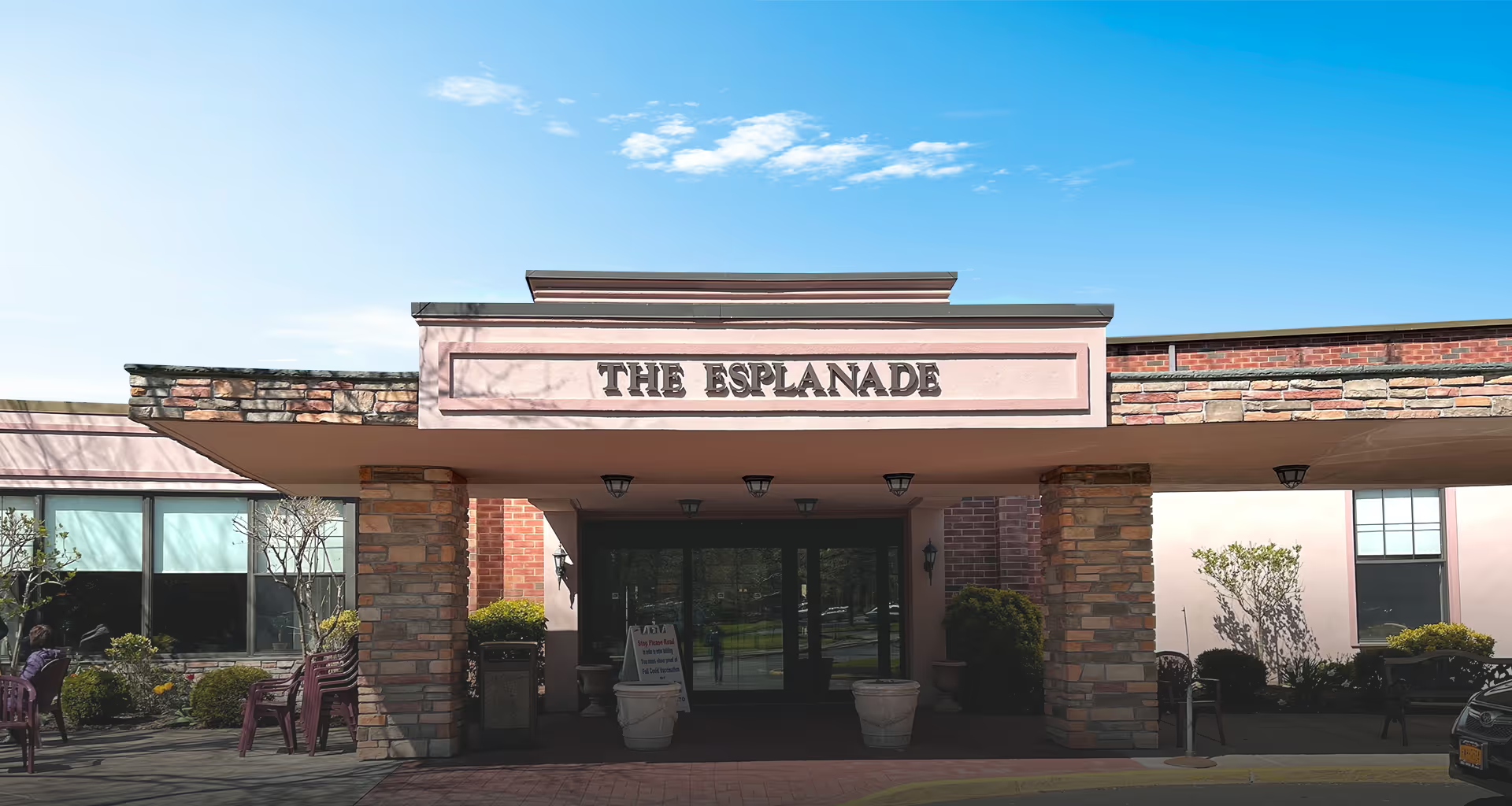
Tarrytown Rehabilitation and Nursing Center presents a mixed but consistent pattern across reviews: strong clinical rehabilitation services and an active recreational program are clear strengths, while operational and staffing variability is the primary area of concern.
Care quality: The facility is regularly praised for its physical, occupational, and speech therapy teams, with many families describing clear functional gains and successful discharges to home. Nursing and CNA caregivers are often characterized as compassionate and attentive; several reviewers identified individual staff members and supervisors who provided excellent hands-on care. However, recurring operational issues — notably understaffing, slow call-bell response times, and inconsistent attention to some basic care tasks — have been linked to clinical escalations requiring hospital transfers in a subset of cases. Medication timing is generally within an acceptable window for many residents, but reviewers also described variability in medication administration and documentation.
Staff and management: Reviews reflect a dual reality. On one hand, there are repeated endorsements of dedicated, knowledgeable clinicians, an effective admissions team, and a responsive social work department that coordinates finances, Medicaid setups, and transportation. On the other hand, reviewers report uneven staff professionalism and training, intermittent phone and administrative responsiveness, and leadership instability including turnover. A small number of serious individual claims — including allegations of theft and concerns about ownership practices — were raised and contribute to an overall perception of uneven oversight.
Dining and daily living: Opinions about dining are mixed. Some families and residents praised the kitchen and special accommodations, while others described limited meal options, hospital-style fare, and challenges meeting restrictive diets. Several comments referenced minimal bathing frequency or sponge-bath routines for some residents, which reviewers framed as a care-scheduling or staffing consequence rather than a clinical plan.
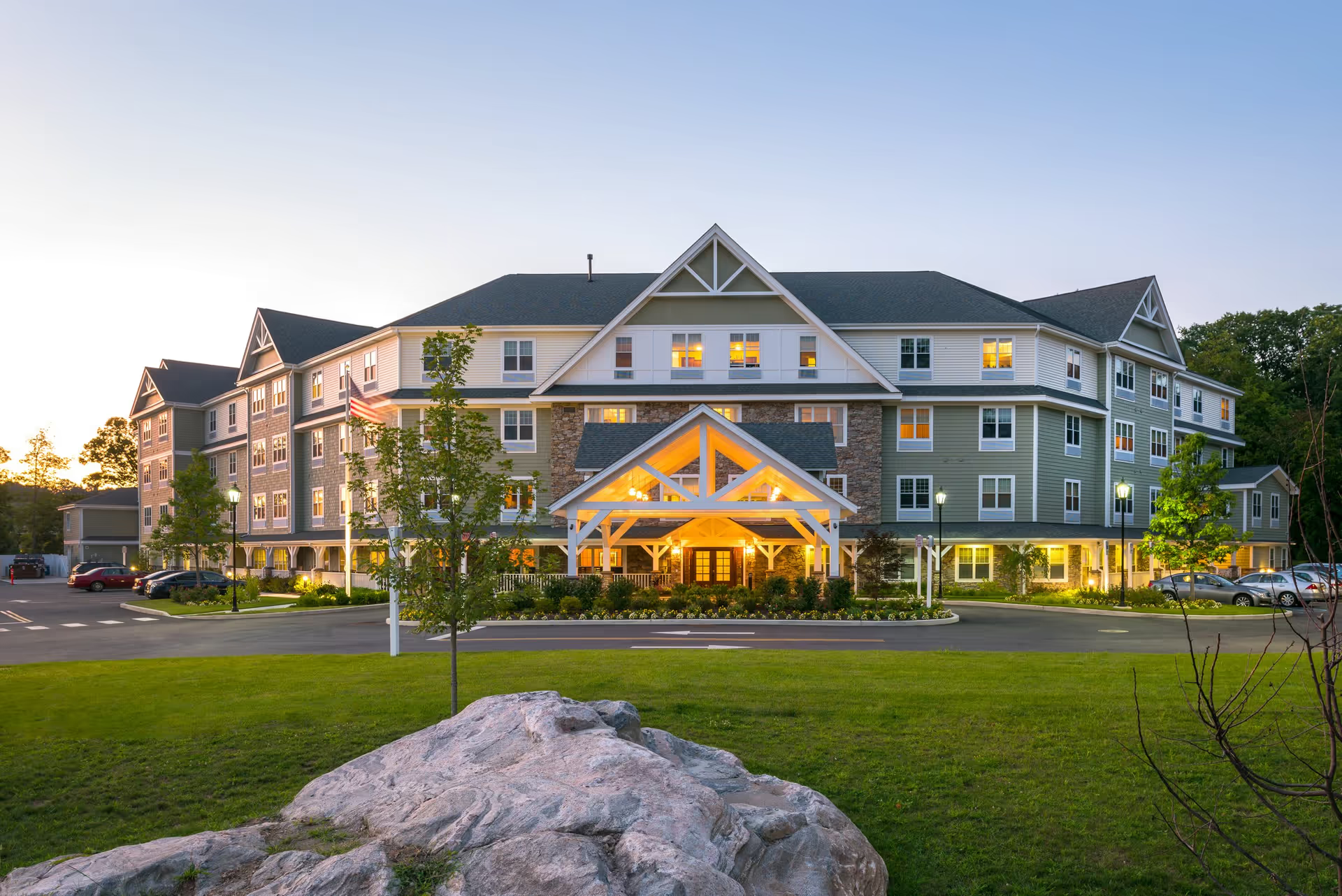
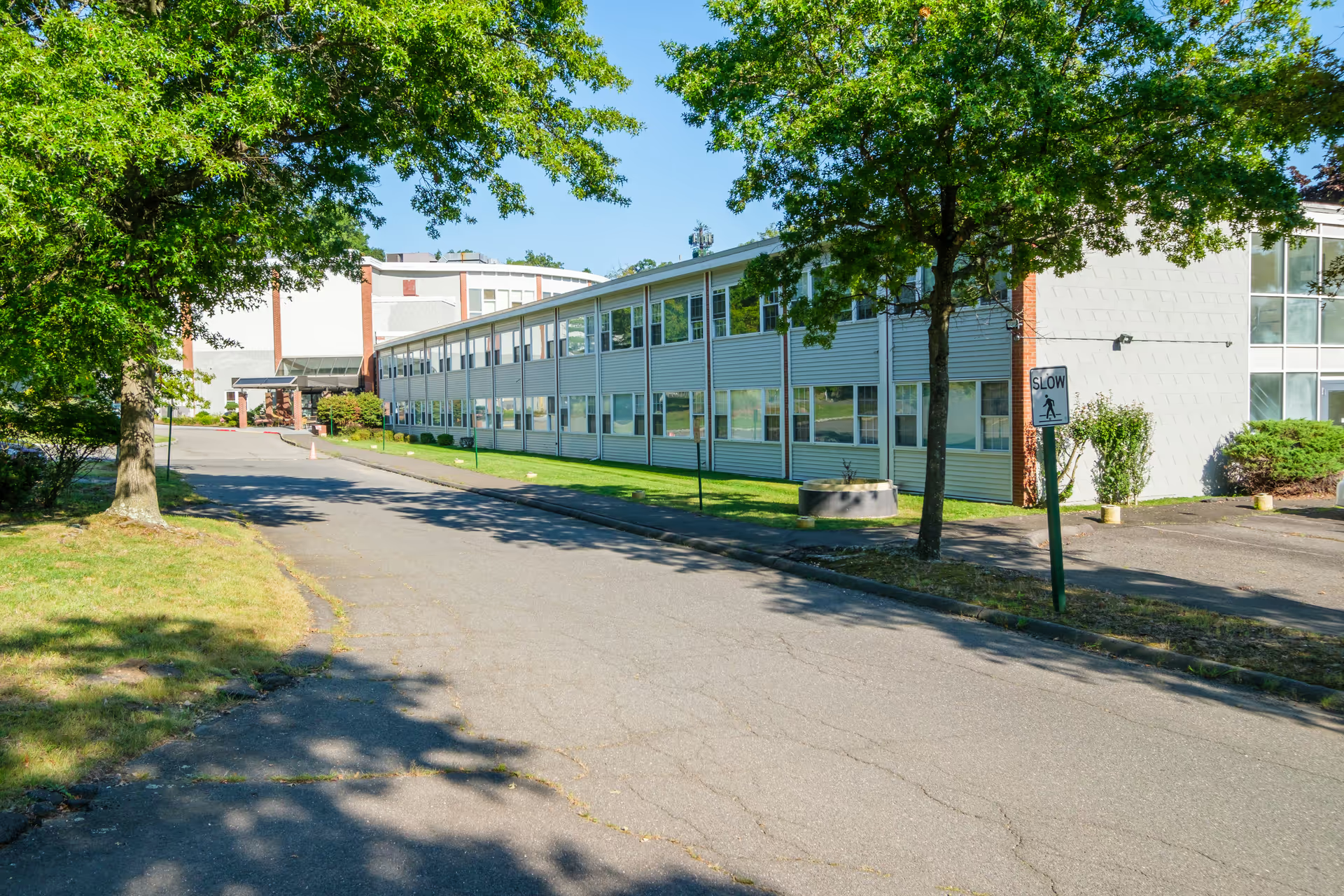
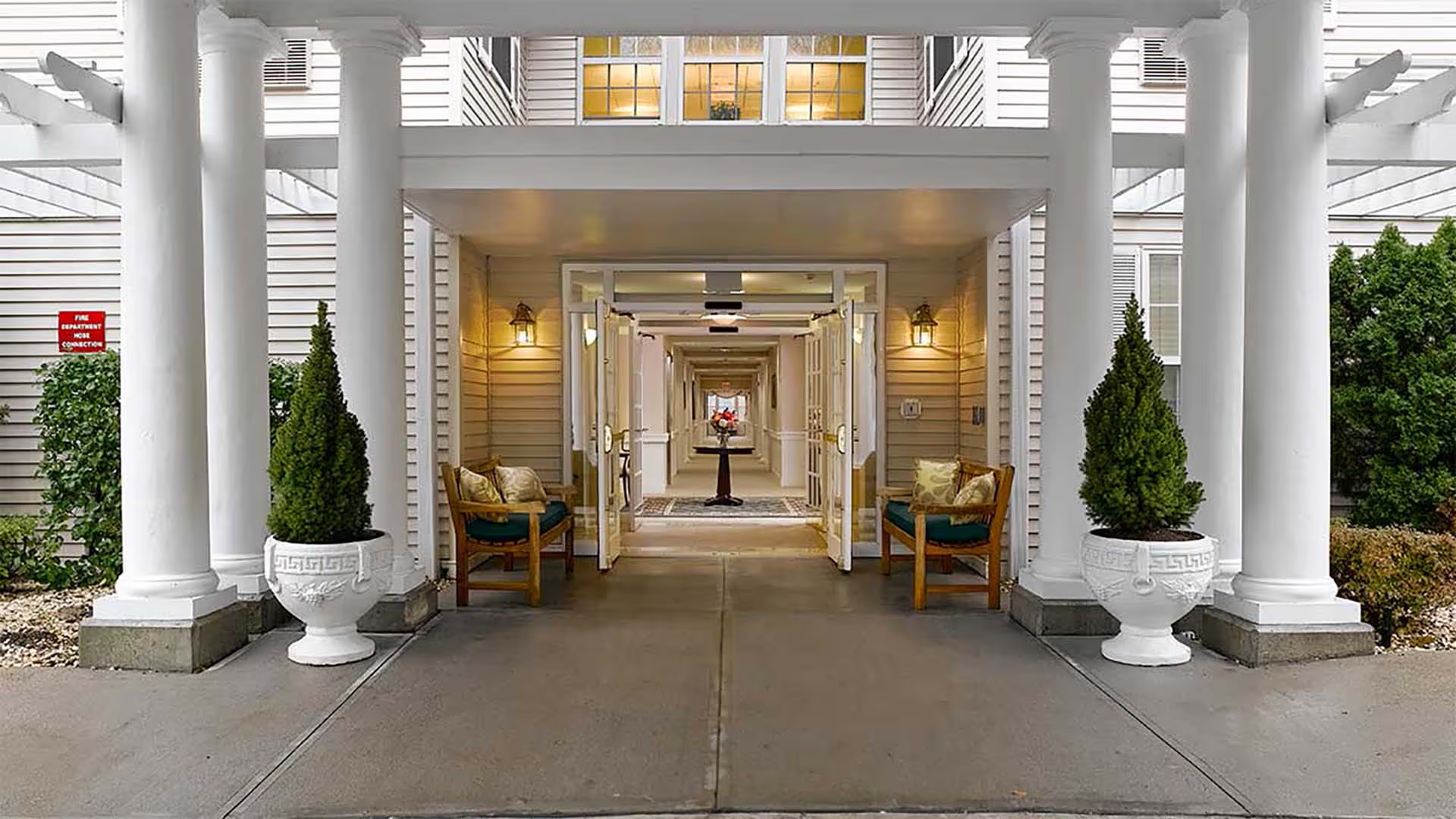
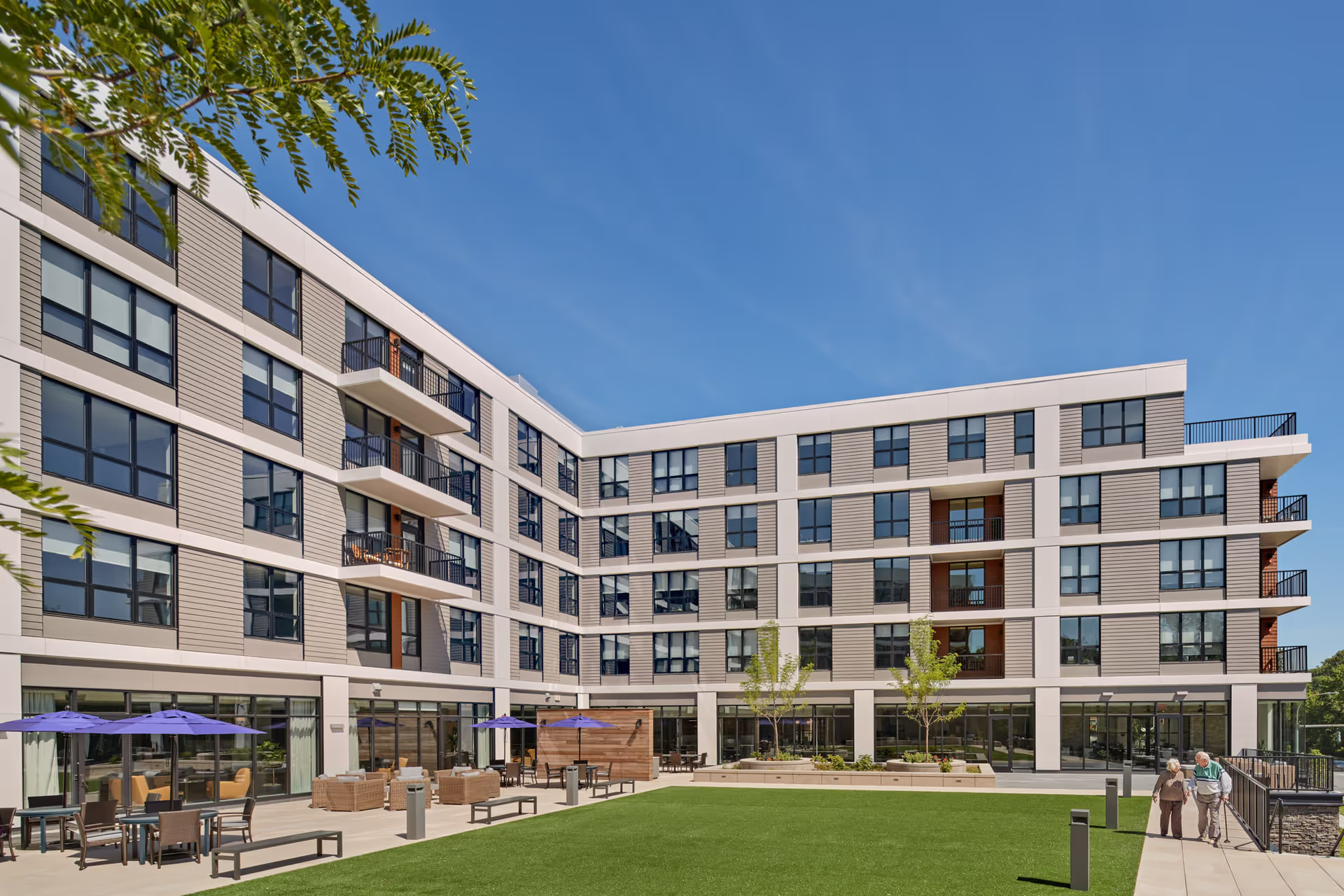
Activities and environment: The recreational and activities department is frequently singled out as a bright spot — organized programs, celebrations, crafts, and engaged staff enhance quality of life. Common areas, therapy spaces, and the grounds receive positive remarks for cleanliness and maintenance; the location and campus setting are also appreciated. That said, a subset of reviews raised sanitation and odor concerns in parts of the facility and noted inconsistent housekeeping standards.
Notable patterns and guidance for prospective families: If rehabilitation and active therapy are the primary goals, Tarrytown demonstrates strong capability and many reviewers recommend it for short-term rehab. Families prioritizing consistent staffing levels, rapid responsiveness to call bells, and reliable dining/daily-hygiene schedules should be aware of the reported variability and ask direct questions during a tour about current staffing ratios, medication-administration protocols, infection-control practices, and how management handles staffing shortfalls. Also inquire about how the facility addresses and documents serious allegations and how social work coordinates family communication and discharge planning. Overall, the facility combines high-quality therapy and many committed caregivers with operational challenges that merit careful, up-to-date review before placement.