Reviews for this facility present a mixed picture. Many families and residents highlight genuinely positive elements — notably compassionate caregiving from specific staff members, a range of social activities (arts and crafts, bingo, themed nights) and flexible visiting policies that support family involvement. Several reviewers described their relatives forming friendships and enjoying activity-based engagement, and some families recommend the facility for its supportive interpersonal environment.
At the same time, there are recurring operational concerns. Cleanliness and odor issues in shared spaces are mentioned repeatedly alongside delays in attending to personal-care needs; both point to weaknesses in routine incontinence care and timely assistance. A few reviewers raised more serious concerns about how some residents are handled during transfers or personal care, indicating inconsistent staff conduct and potential gaps in training or supervision. Staffing shortages and uneven coverage — particularly during evenings — correlate with reports of slow response times and unstaffed desks.
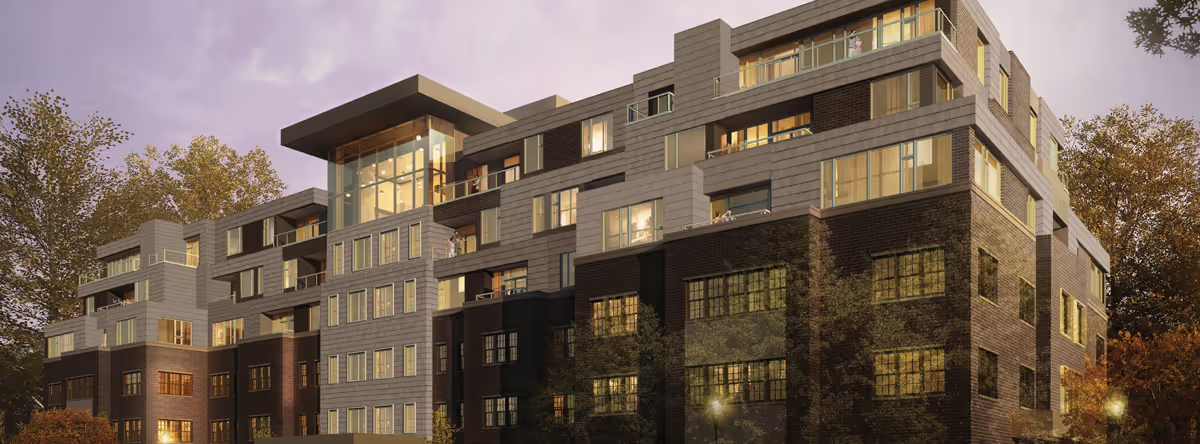
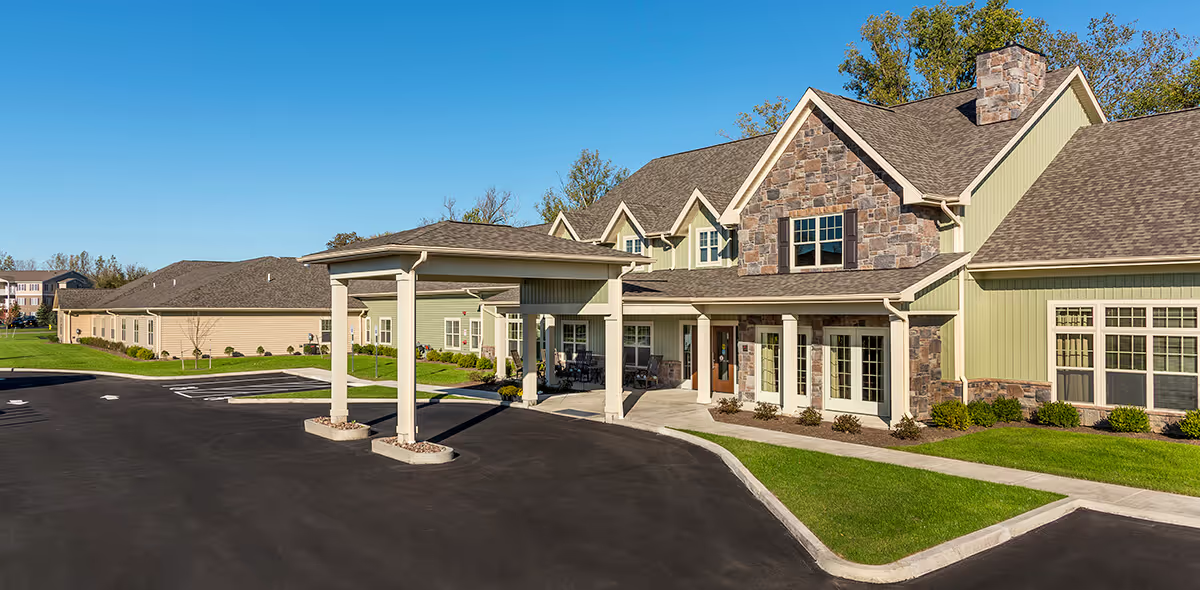
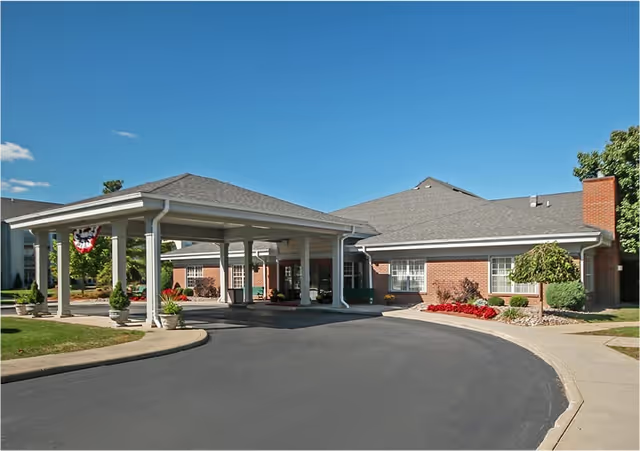
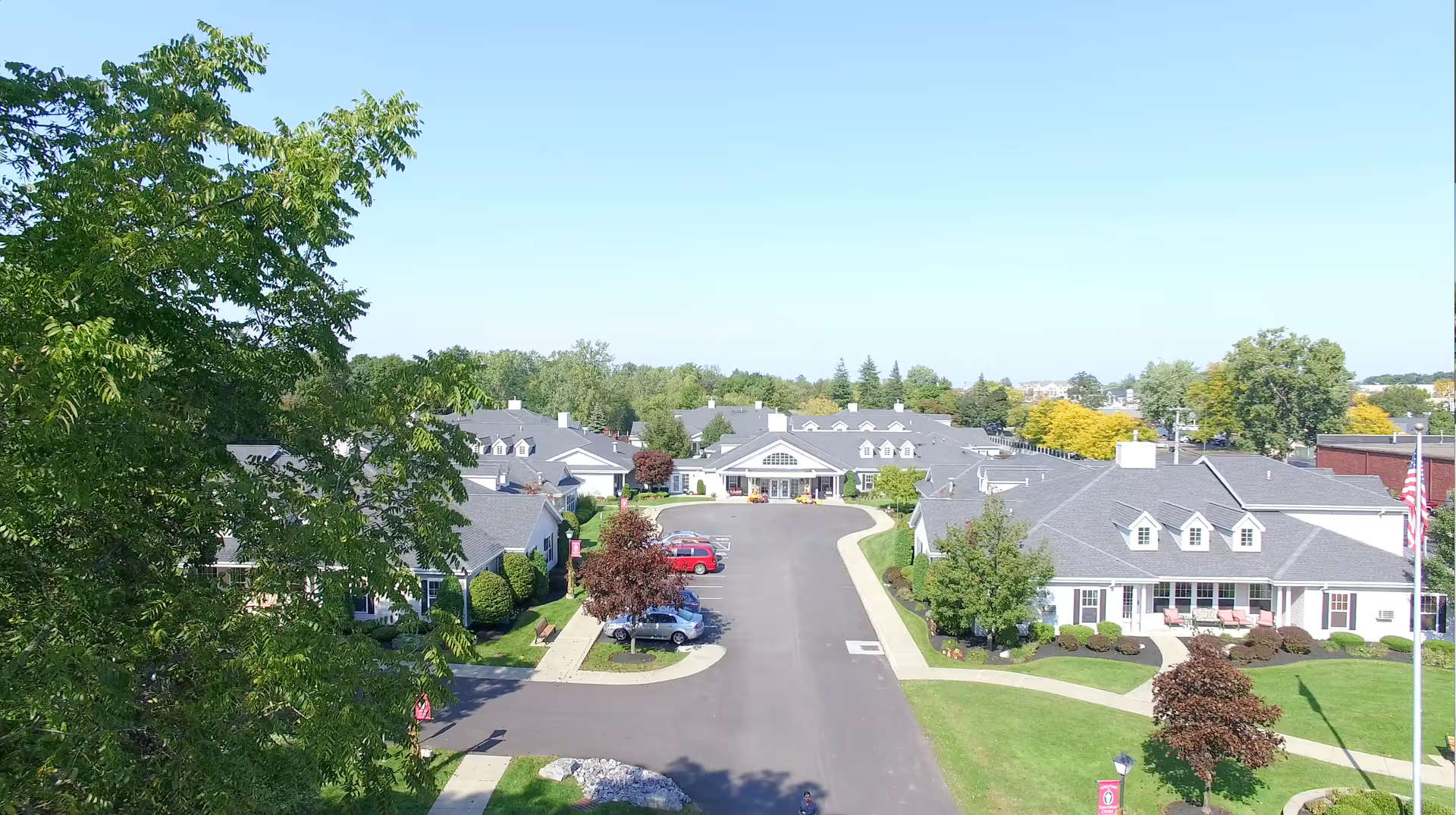
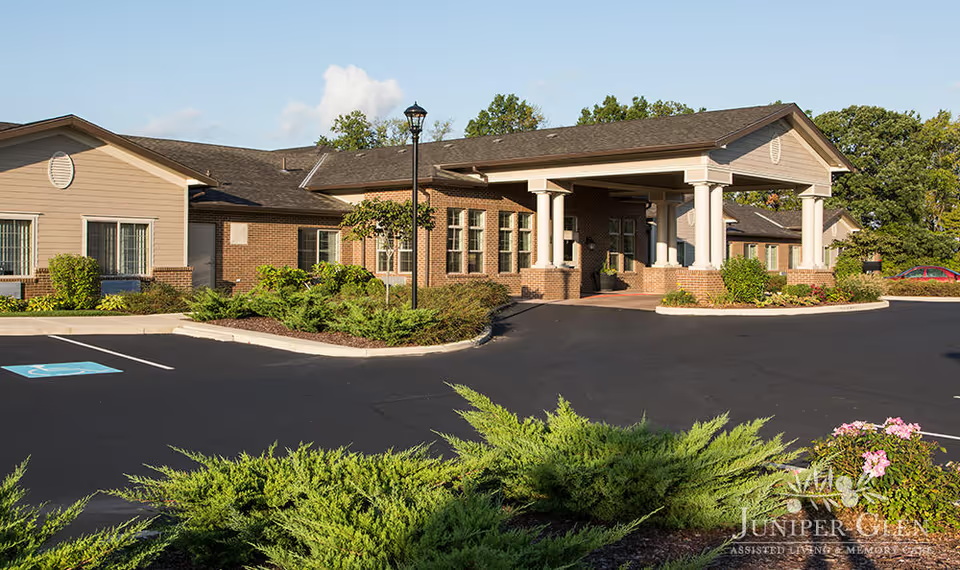
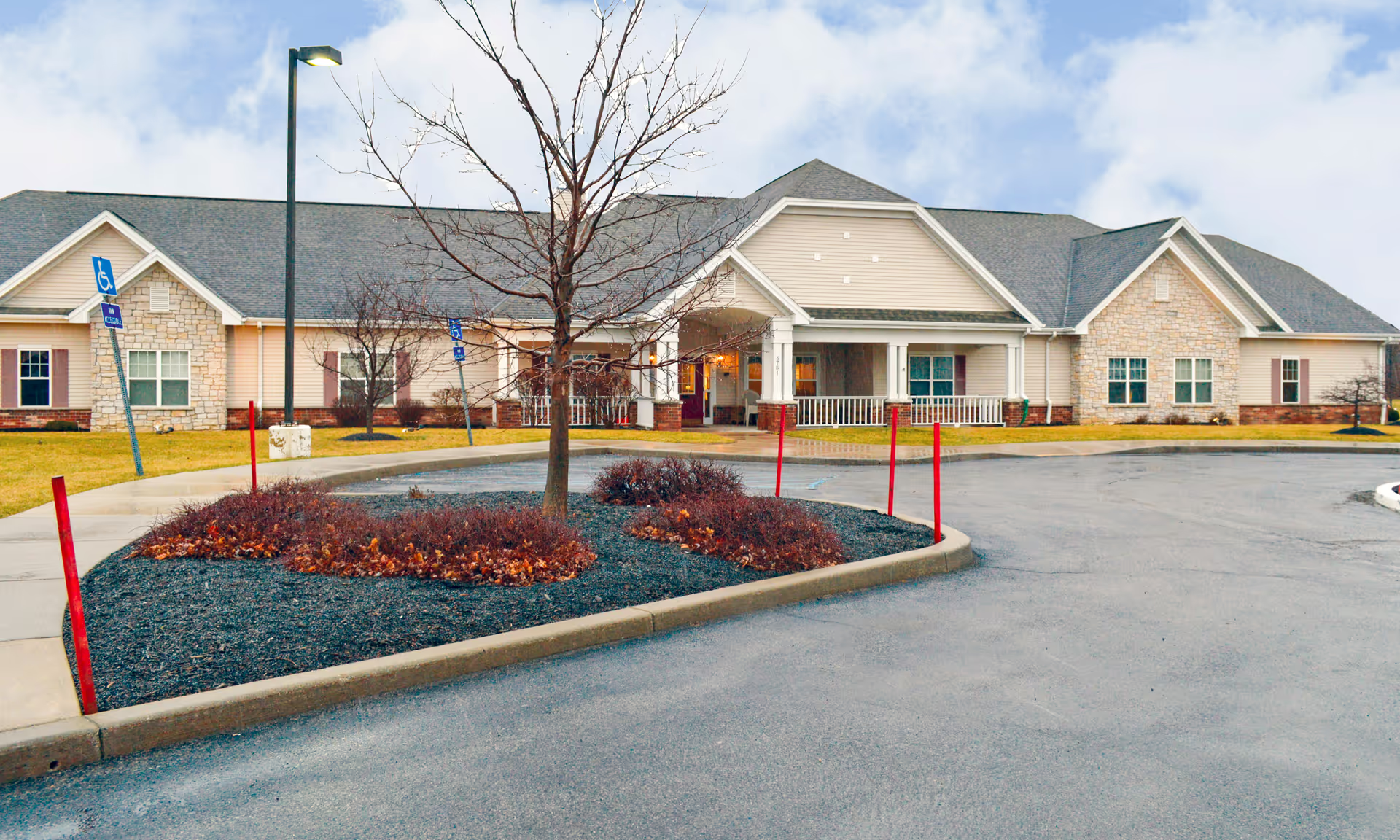
Facility maintenance and safety are additional areas of concern. Multiple accounts reference an aging, underfunded physical plant: dated lobby and exterior appearance, mold or similar moisture-related problems in places, and environmental-safety issues such as loose railings and worn furniture edges. Those conditions, together with reports of limited rehab assessments, suggest the facility may not be well equipped for higher-intensity rehabilitation needs.
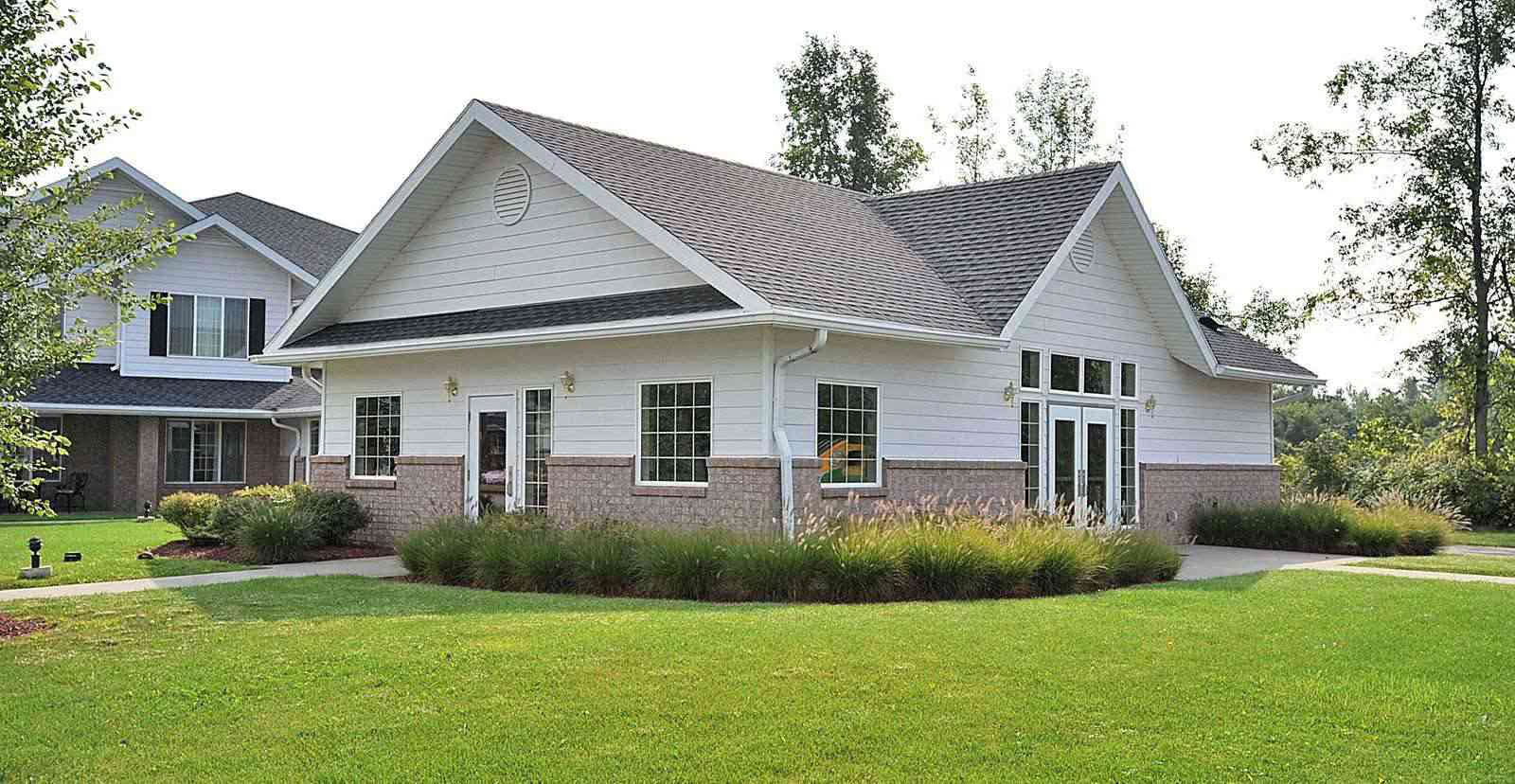
Dining and activities show variability. The activity program is a clear strength for social engagement, but the activity space is described as small and audiovisual capacity limited for group viewing. Dining receives mixed comments: some find options acceptable, while others report limited variety and inconsistent preparation quality. Communication and management practices are additional operational weaknesses — families describe difficulty reaching staff by phone, full voicemail boxes, and a perceived lack of organizational responsiveness. Several reviewers also framed these problems as symptoms of limited capital investment and operational instability, including name/ownership changes over recent years.
Taken together, the pattern is one of notable interpersonal strengths amid systemic operational shortcomings. Prospective residents and families who prioritize social activities and have positive experiences with individual staff members may find the environment suitable. Those who require reliable, timely personal-care assistance, structured rehabilitation services, or have heightened concerns about cleanliness and environmental safety should conduct careful, in-person assessments: ask about staffing ratios by shift, incontinence-care protocols, recent maintenance and infection-control documentation, rehab assessment availability, and current family engagement expectations before making a placement decision.