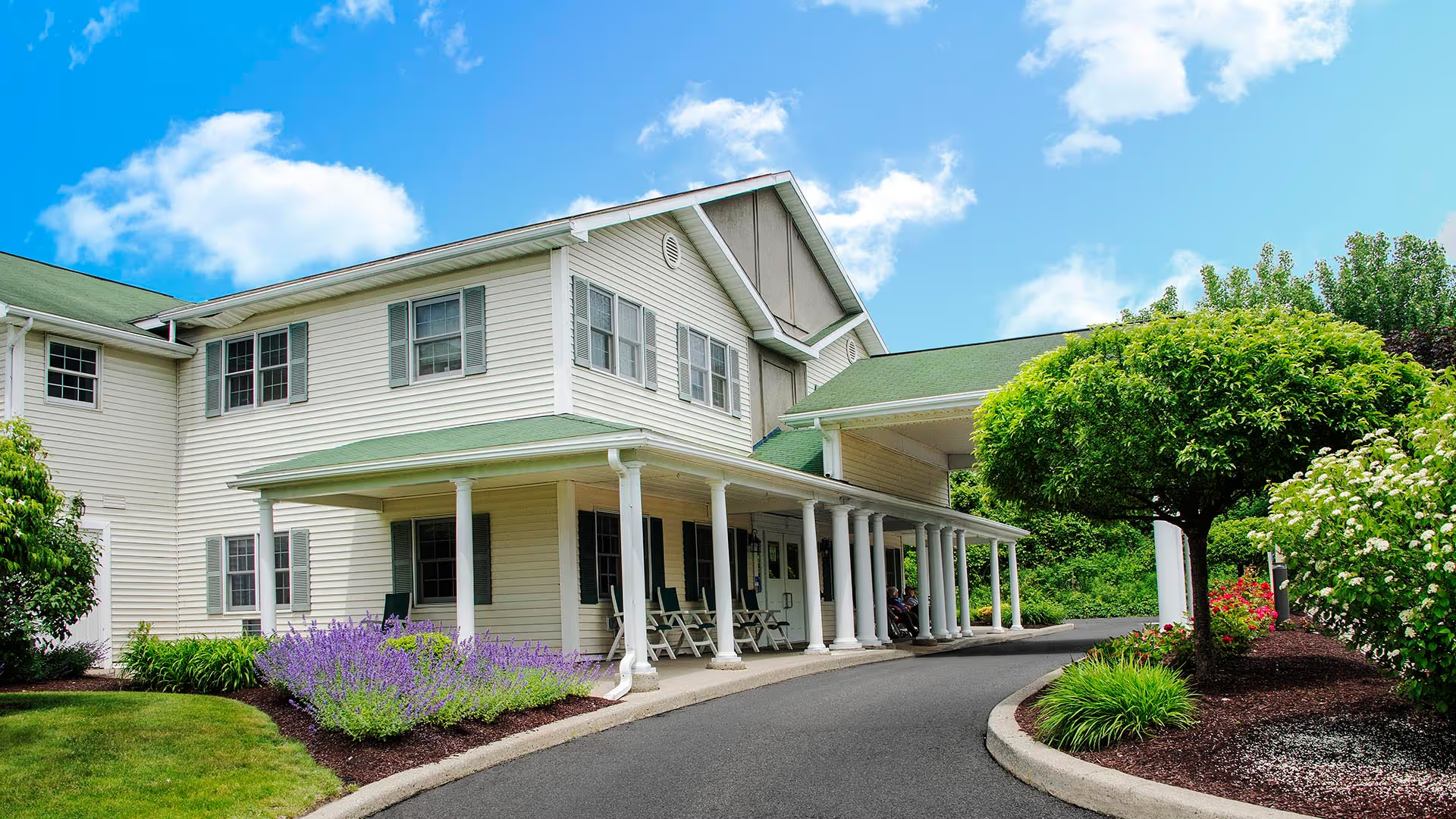
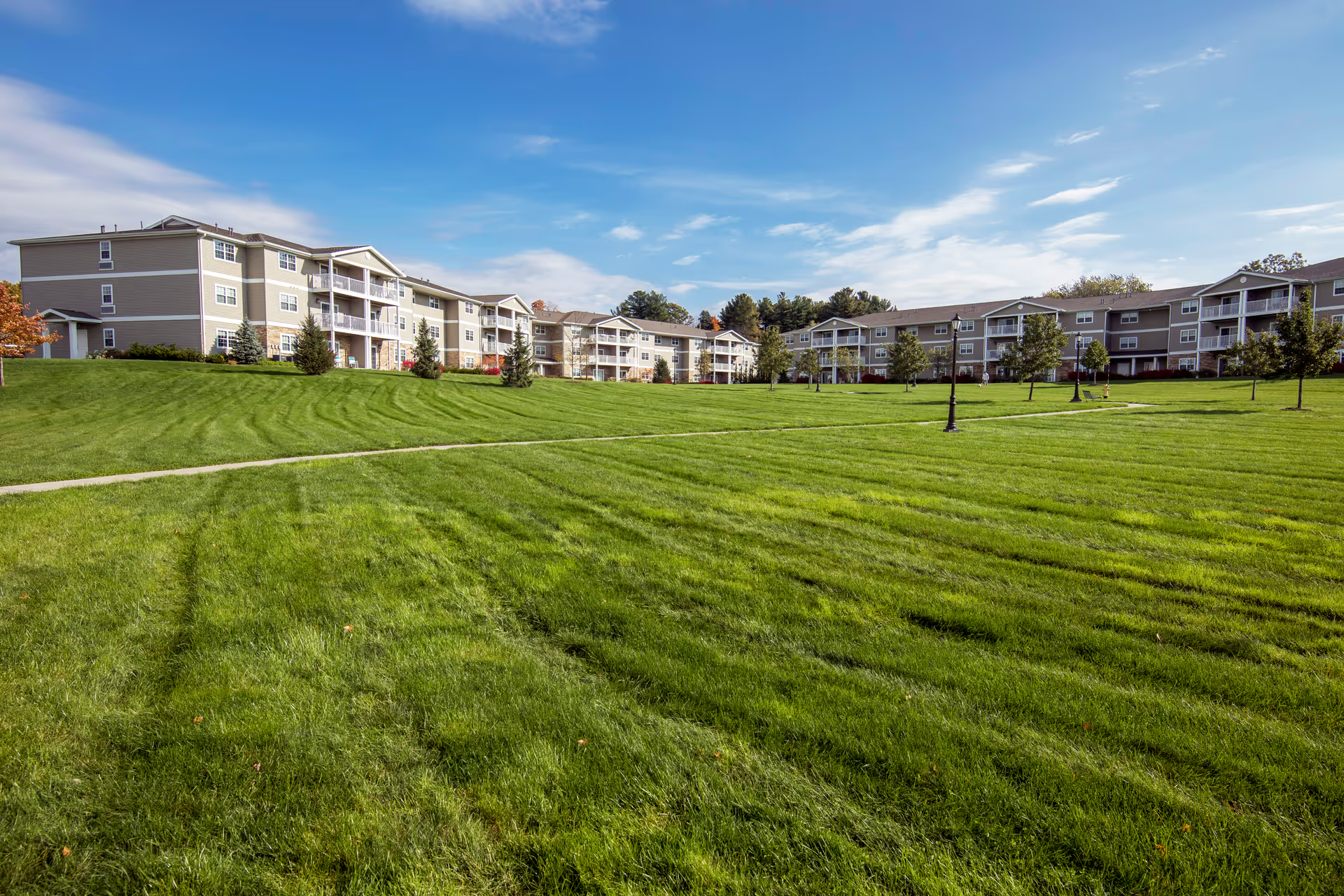
The body of feedback on Collar City Rehabilitation presents a highly mixed picture: several families and residents describe strong clinical strengths—particularly in rehabilitation services, therapy-driven mobility gains, and individualized social-work support—while other responses identify persistent operational weaknesses that affect day-to-day resident experience. The facility demonstrates clear capability in therapy-driven rehabilitation; multiple accounts credit the PT/OT teams with meaningful functional improvements and smooth admissions-to-rehab transitions. Some nurses, aides, and administrative staff are described as welcoming and attentive, and there are reports of positive recreational programming, in-room entertainment, and recently renovated rooms that contribute to a more comfortable environment.
At the same time, recurring operational patterns emerge that warrant attention. Staffing inconsistency and coverage gaps—including during meals, lunch breaks, and night shifts—appear to contribute to delayed responses to call bells, slower-than-expected assistance, and uneven delivery of routine care. These staffing patterns correlate with concerns about medication administration controls, meal-service reliability, and linen management. Several accounts indicate that planned menu items were not provided as listed and that laundry/linen processes were frequently delayed or mishandled. Housekeeping and sanitation processes are another commonly cited weakness: reviewers noted general cleanliness issues, odor concerns in some areas, and pest-control concerns in patient units.
Communication and management practices are another point of divergence. Some families praise particular administrators, social workers, and admissions staff for responsiveness and clear guidance; others describe lack of transparency, difficult complaint resolution, and inconsistent information-sharing about clinical incidents. There are also reports raising more serious governance concerns, including alleged irregularities in record keeping and regulatory compliance; these claims amplify perceptions of variability in the facility’s operational oversight. Staff conduct is described as variable—instances of respectful, supportive interactions coexist with reports of poor tone, inadequate bedside attention, and personal-device use during shifts—suggesting uneven training, supervision, or culture across teams.
For prospective residents and families, the overall pattern is one of contrast: strong, patient-centered rehabilitation capability alongside systemic operational weaknesses that can affect safety, comfort, and consistency of care. When evaluating the facility, families may want to directly assess staffing levels for the anticipated unit and shifts, review recent inspection and compliance records, inquire about medication administration protocols and linen/housekeeping schedules, and observe mealtime service and recreational programming. The facility also appears responsive to administrative intervention in some cases, so confirming points of contact for escalation and the presence of an engaged social-work team may be useful when considering placement.