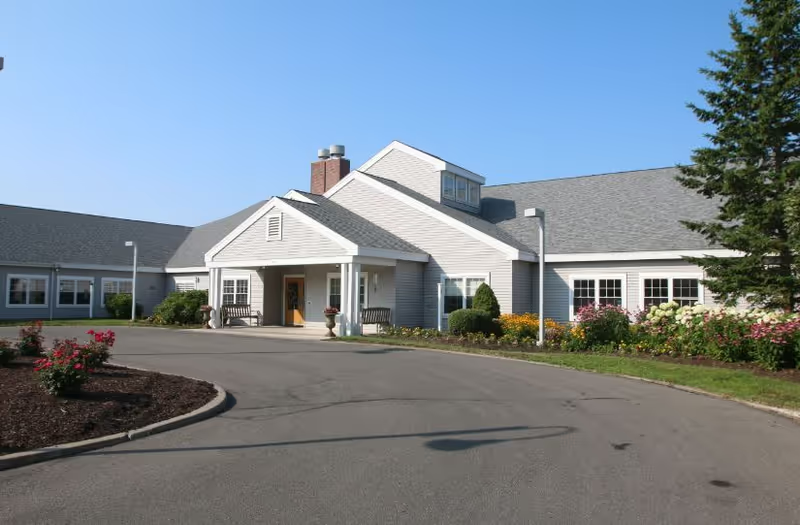
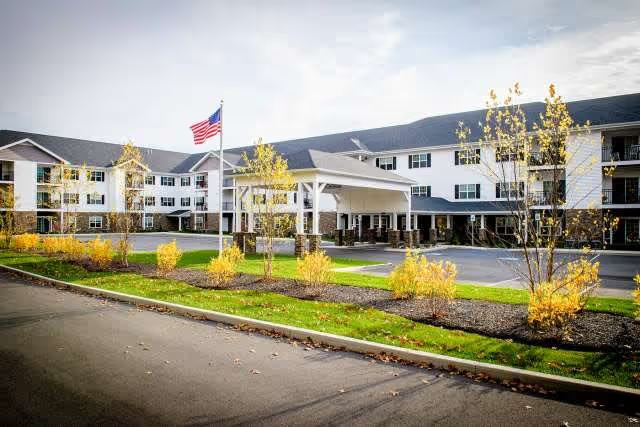
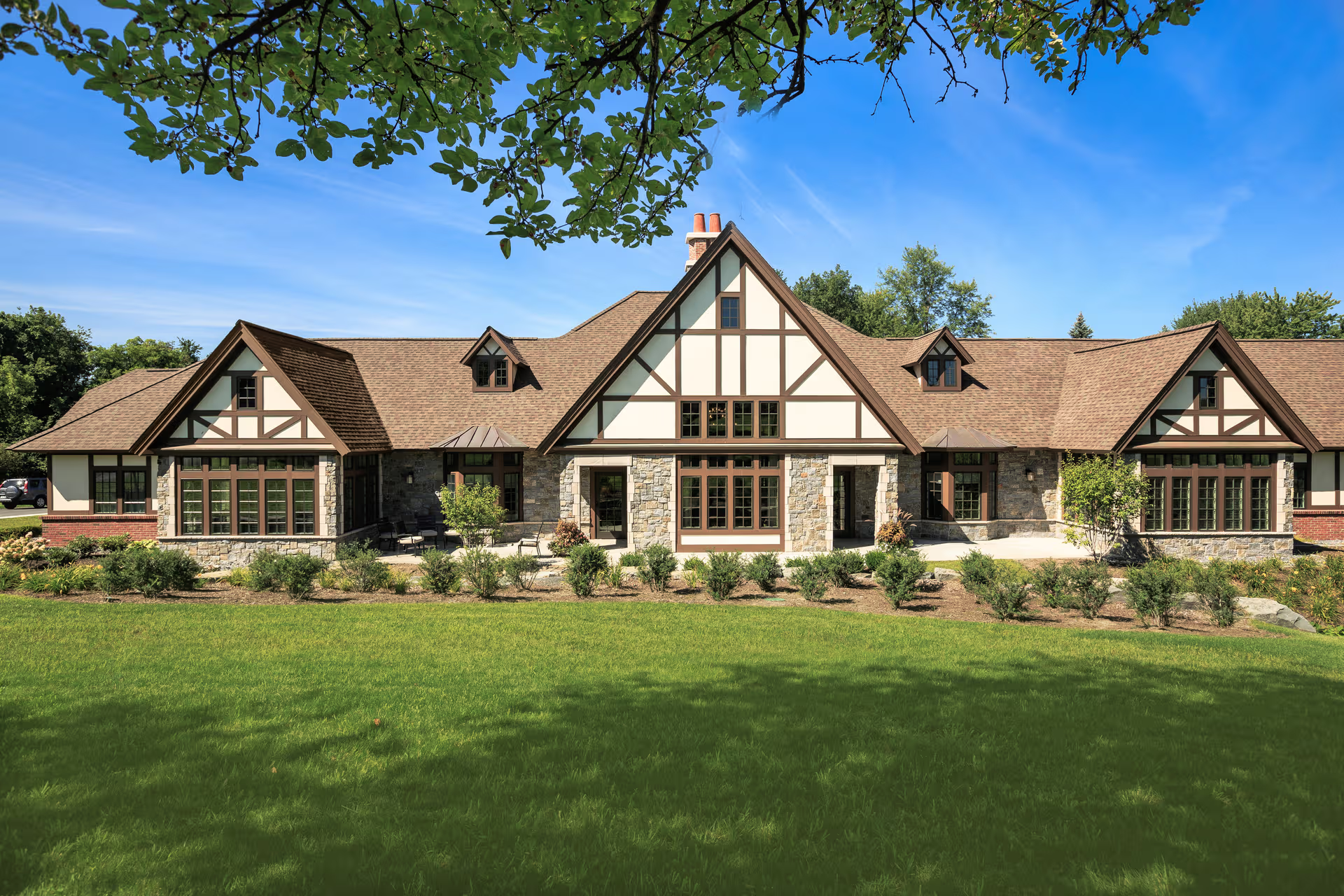
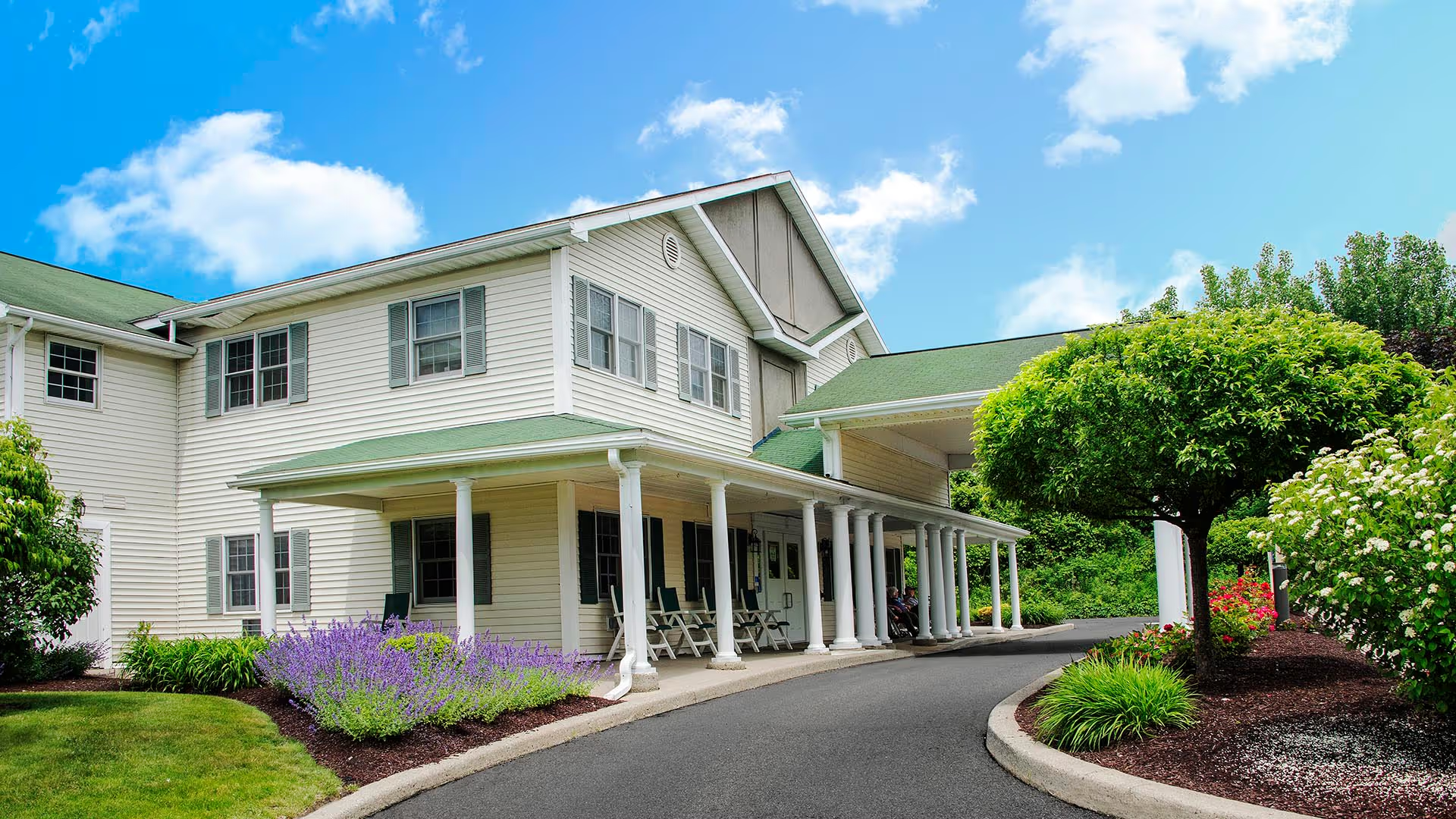
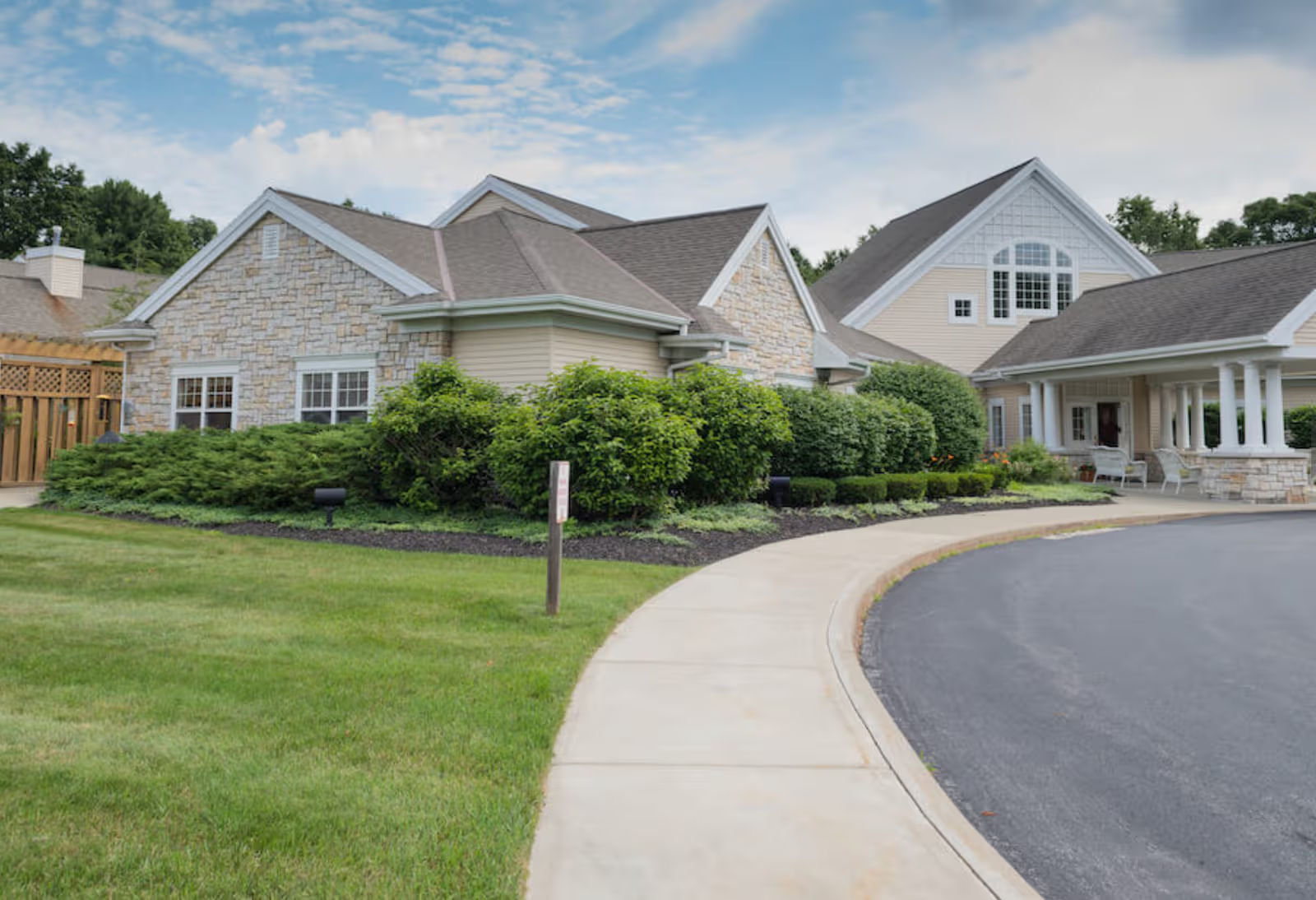
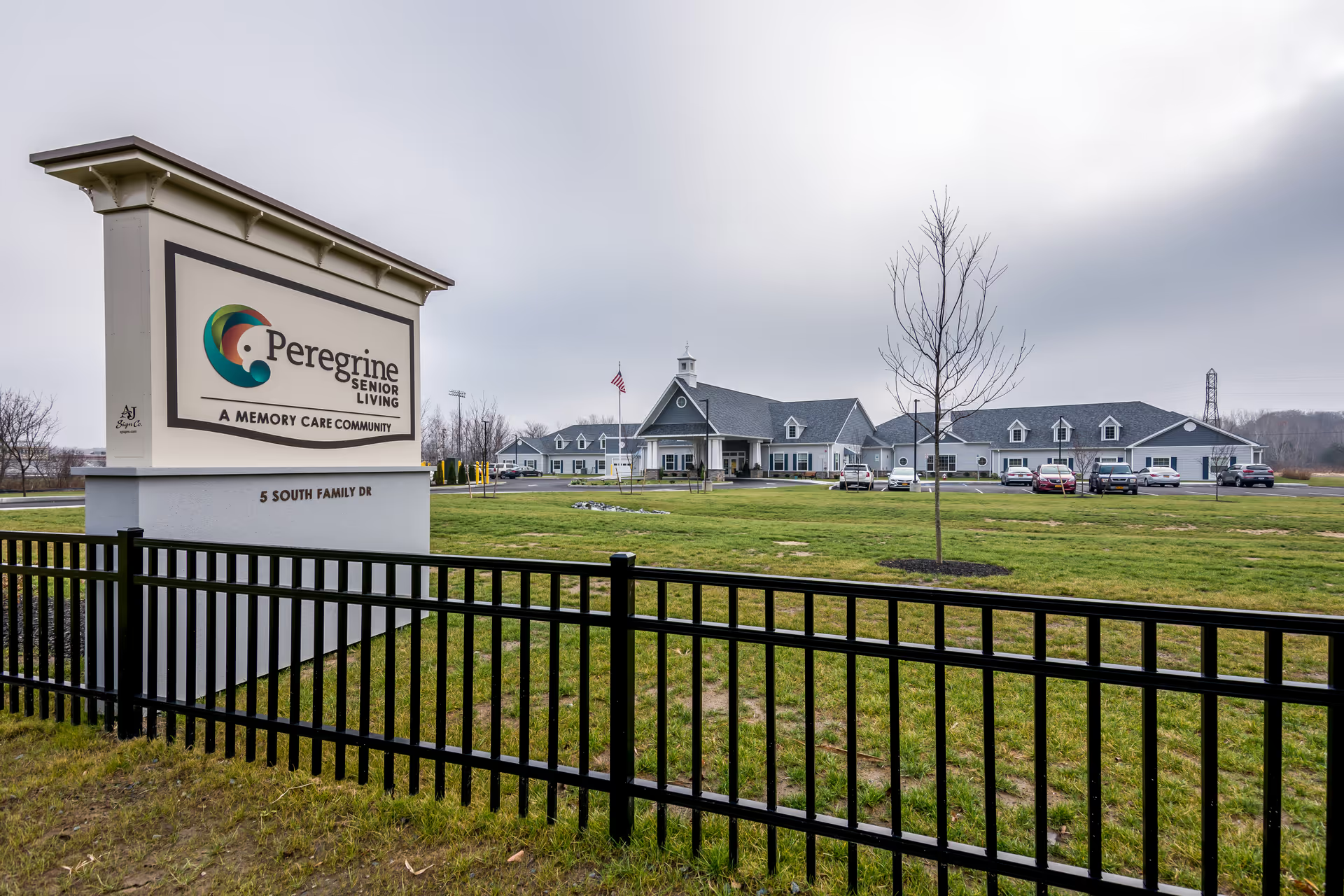
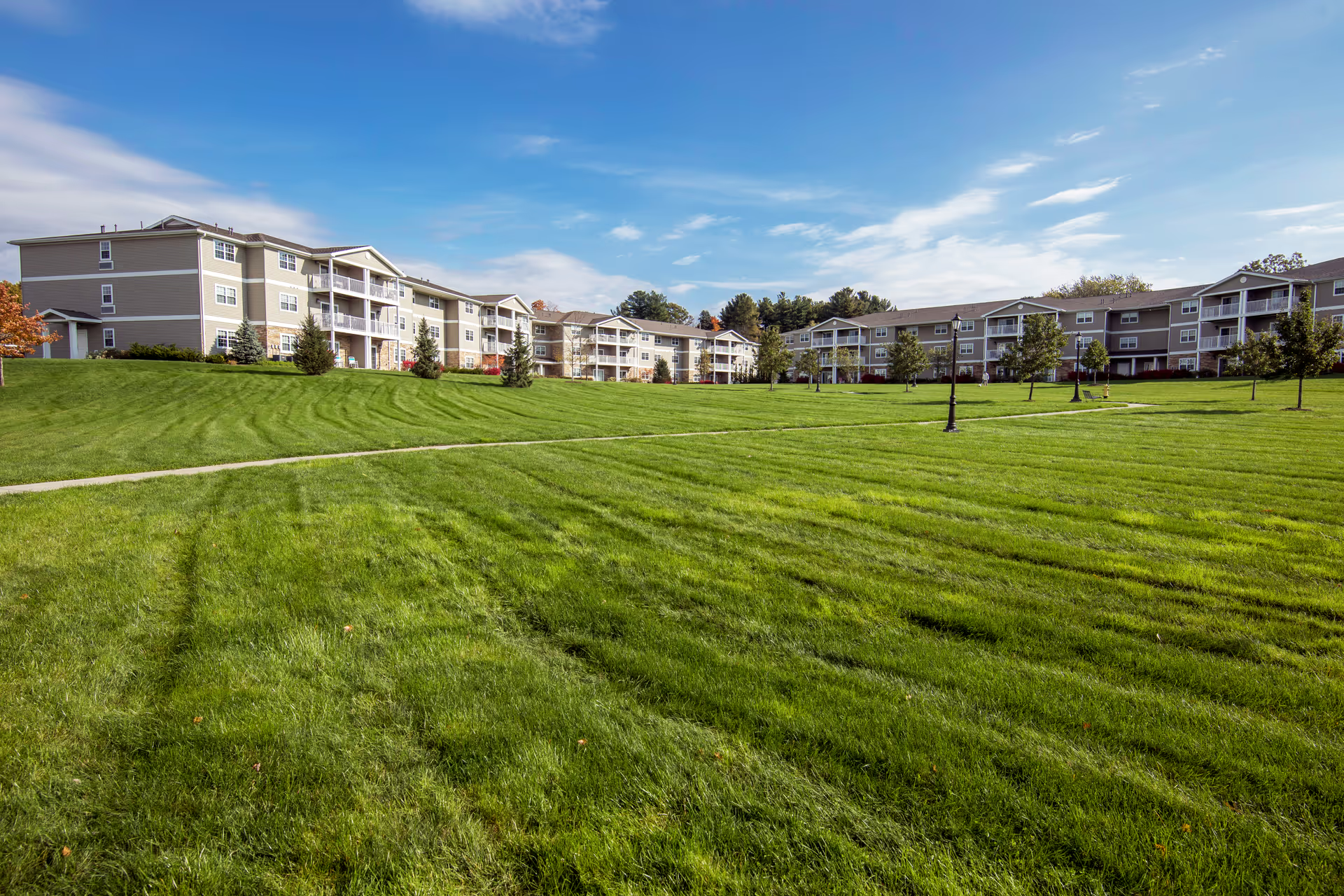
Diamond Ridge presents a mixed but consistent pattern of strengths and operational weaknesses across reviewers. Positively, the community is frequently described as attractive and recently refurbished, with well-kept grounds, multiple pleasant common areas (private dining, library, patios), and on-site conveniences such as free laundry and accessible apartments. The community offers three meals a day, weekly housekeeping, transportation to medical appointments, a gym and therapy room, and a range of apartment sizes. Many reviewers emphasize warm, compassionate staff interactions and a family-like atmosphere provided by individual caregivers and some long-standing managers.
Care quality and staff: Feedback on caregiving is polarized. Numerous comments praise individual staff members for responsiveness, compassion, and extra effort during moves and routine care. At the same time, there is a clear pattern of high staff turnover and erratic staffing levels that reviewers link to inconsistent service, variable responsiveness, and lapses in clinical monitoring. Specific operational indicators include delayed assistance for frail residents, missed or late attention following incidents, and uneven execution of mobility and transfer safeguards. These patterns suggest that care experience depends substantially on current staffing levels and the presence of experienced supervisors on site.
Dining and food service: Dining is a frequent source of divergent impressions. Some reviewers describe thoughtfully planned meals, a skilled chef, varied menus, and appropriate portions. Conversely, many others report declining meal quality over time, repetitive or pre-made fried options, running out of menu items, long wait times, and limited accommodation of dietary restrictions. There are additional food-safety and infection-control concerns raised about kitchen procedures and service practices. Taken together, the evidence indicates inconsistent meal service quality and logistical reliability that prospective residents should review in person.
Activities and social programming: The community offers a range of activities—lectures, bingo, musical entertainment, exercise classes, movies, and outings—and reviewers note active social opportunities and a lively resident population in many instances. However, several reviewers highlighted limited programming on some days, dependence on volunteers, and the absence of a dedicated activity room, with events sometimes held in lobbies or ad hoc spaces. Activity breadth and consistency appear to vary with staffing and management priorities.
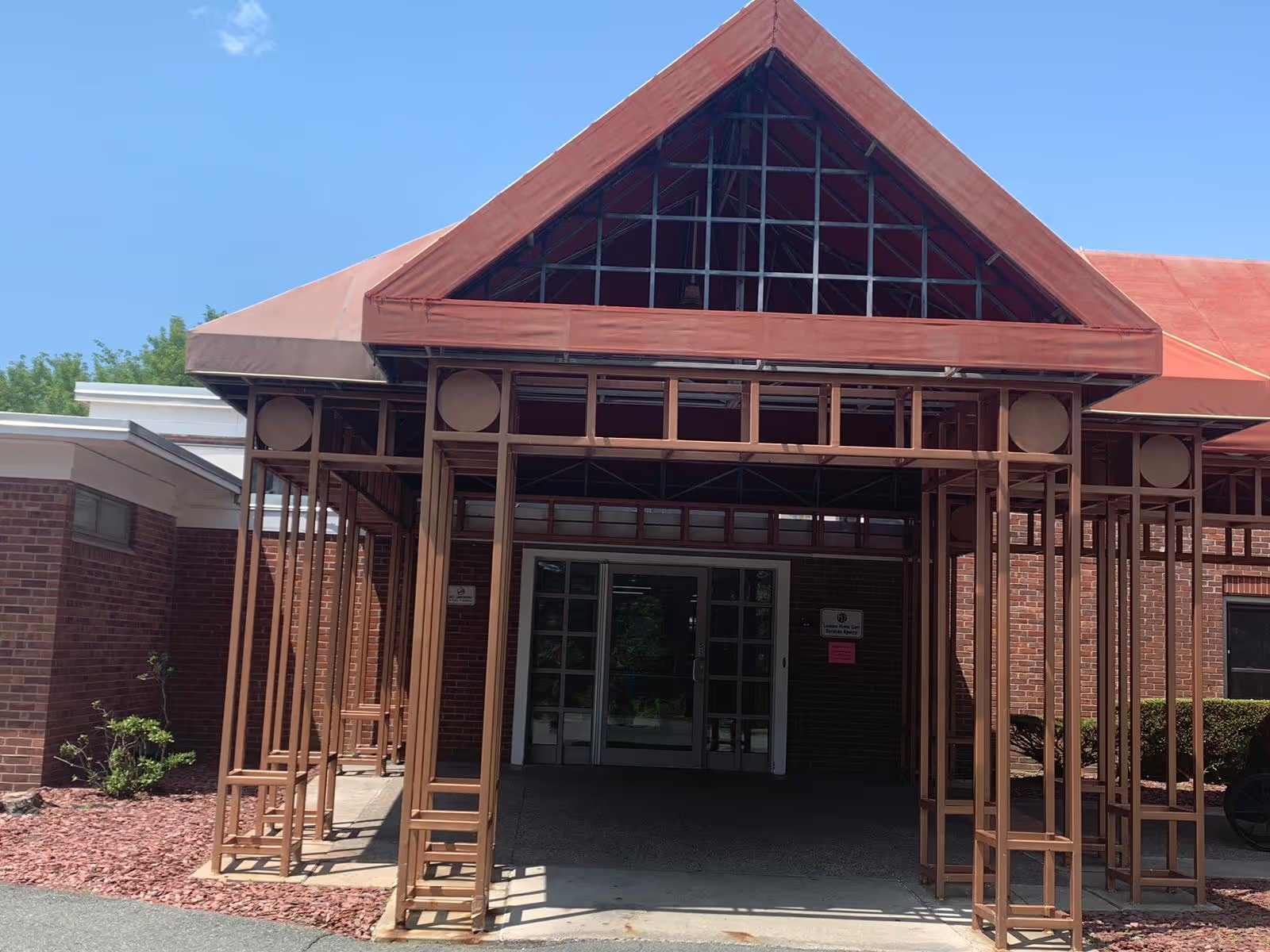
Facilities and maintenance: Facility strengths include accessible units, attractive common areas, outdoor spaces, and convenient features such as on-site therapy rooms and a barbershop. At the same time, multiple reviewers cite delayed repairs, dated apartment finishes in some wings, HVAC/temperature-control problems, persistent maintenance requests, and isolated safety hazards (trip/slip risks, quickly closing elevator doors, missing signage). Maintenance workload appears periodically overwhelmed, producing observable repair backlogs.
Management, administration, and value: Reviews describe fluctuating management quality. Some administrators and directors receive strong praise for communication and leadership; others are criticized for poor follow-through, unclear billing, and contract or charge disputes. Recurring themes include rent increases, perceived declines in service that affect perceived value, and uneven transparency around fees and move-out billing. There are also intermittent safety and security process concerns (entry procedures after hours, parking signage, shuttle reliability). These patterns suggest variability tied to leadership changes and operational staffing.
Overall impression and guidance: Many residents and families report satisfaction—especially with the social environment, certain staff, ground-level amenities, and affordability—while a substantial subset of reviews documents operational inconsistency that has affected dining, safety, maintenance, and billing. The community may be a good fit for prospective residents who prioritize location, outdoor space, and an affordable independent-living model and who confirm current staffing, kitchen leadership, and maintenance responsiveness during a visit. Prospective families should ask targeted questions about current staffing ratios, kitchen management and food-safety practices, maintenance response times, fall-prevention and transfer protocols, activity schedules, and contract/billing terms to assess whether the present operational environment aligns with their care and lifestyle needs.