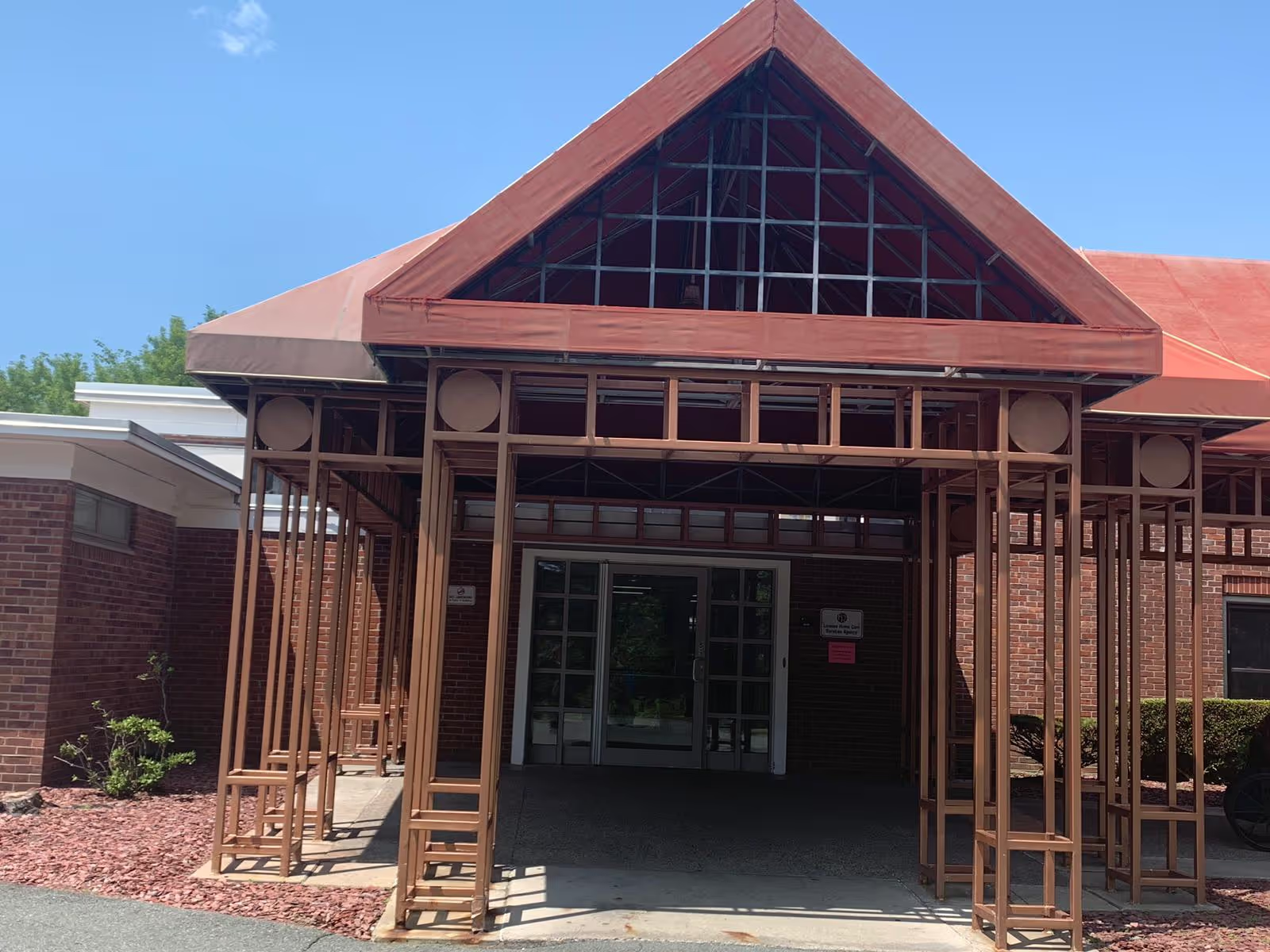
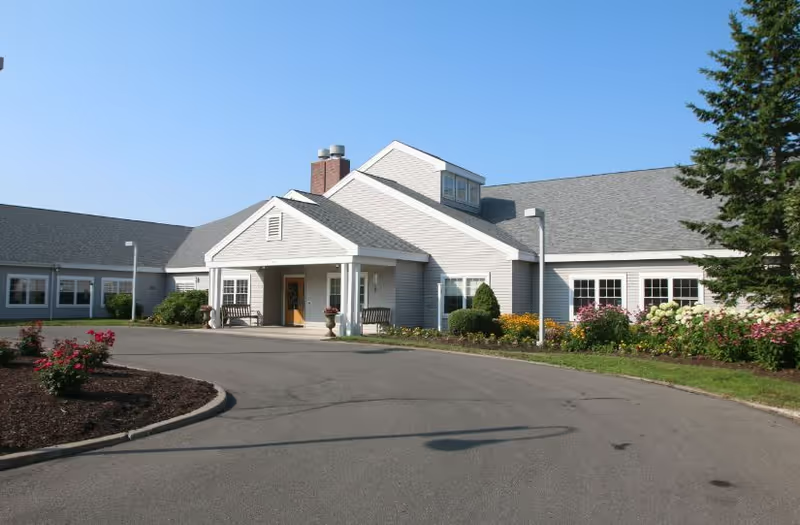
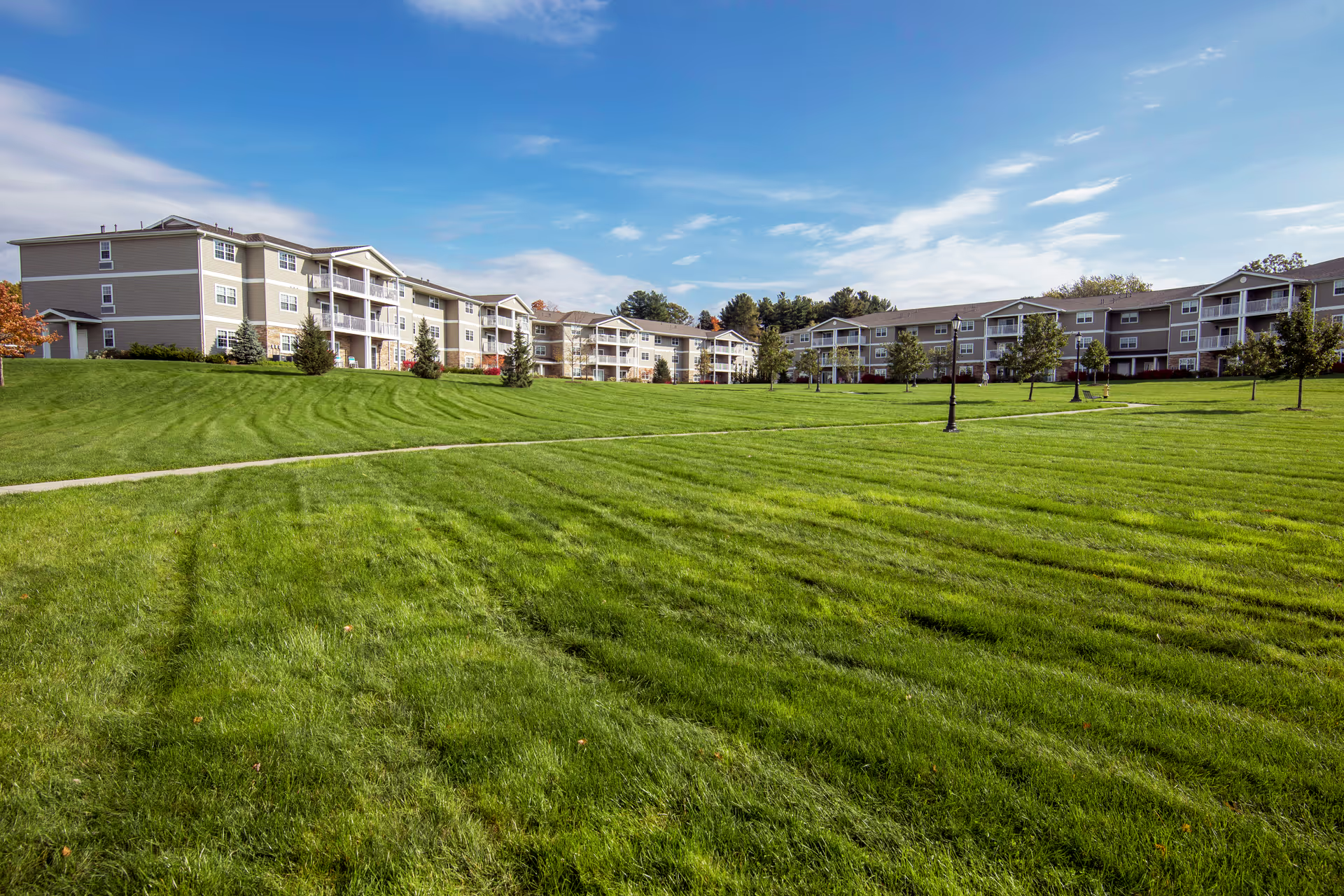
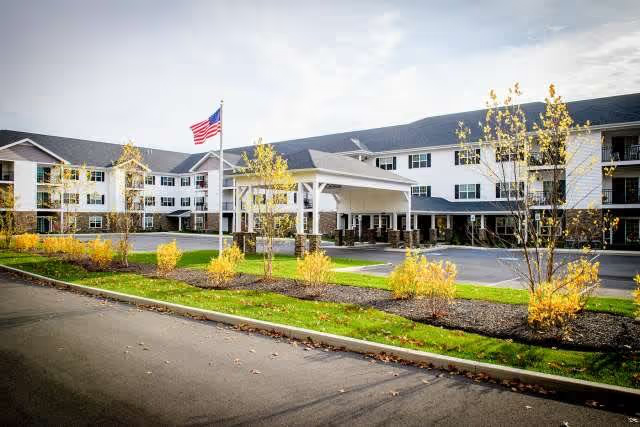
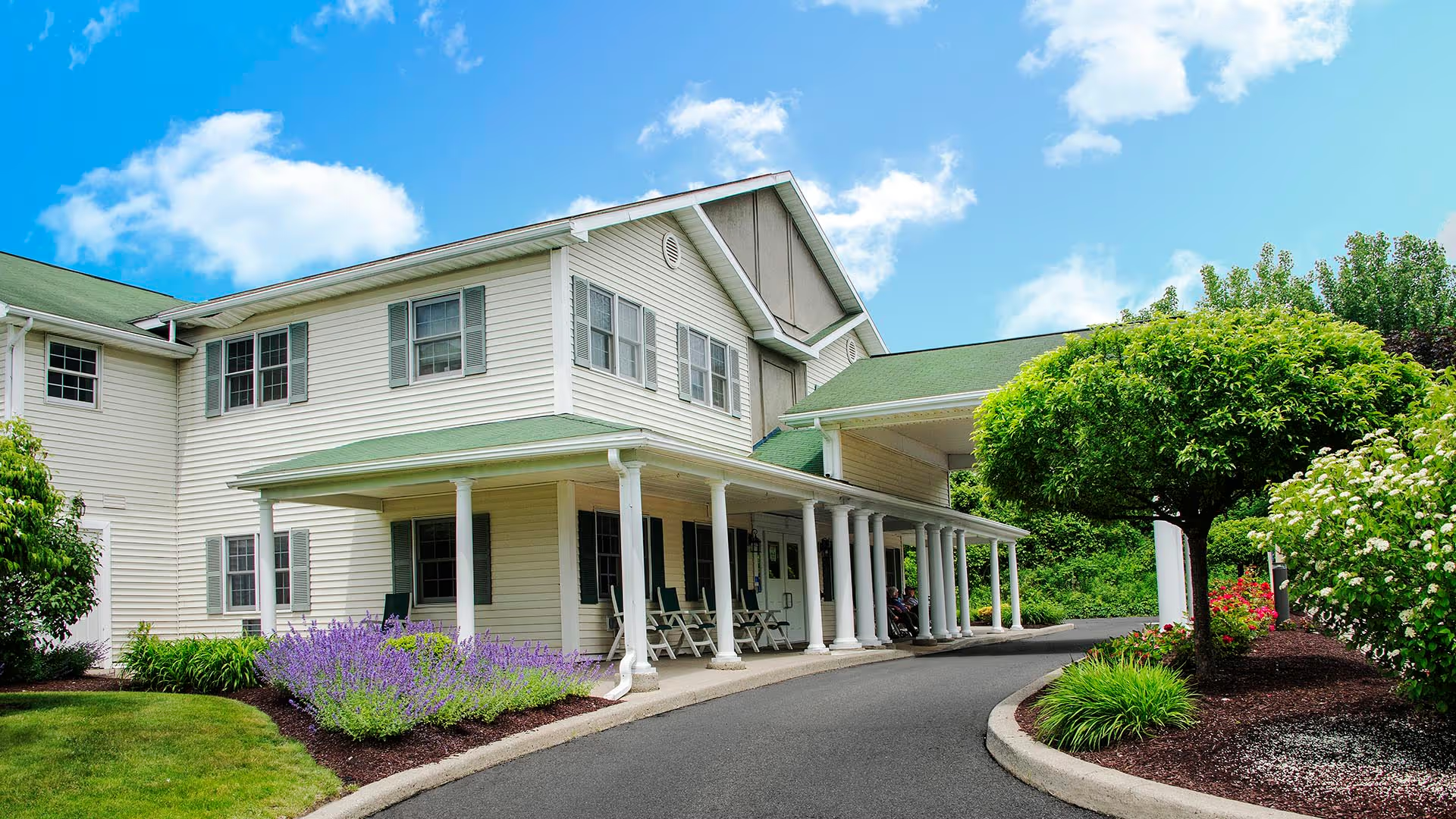
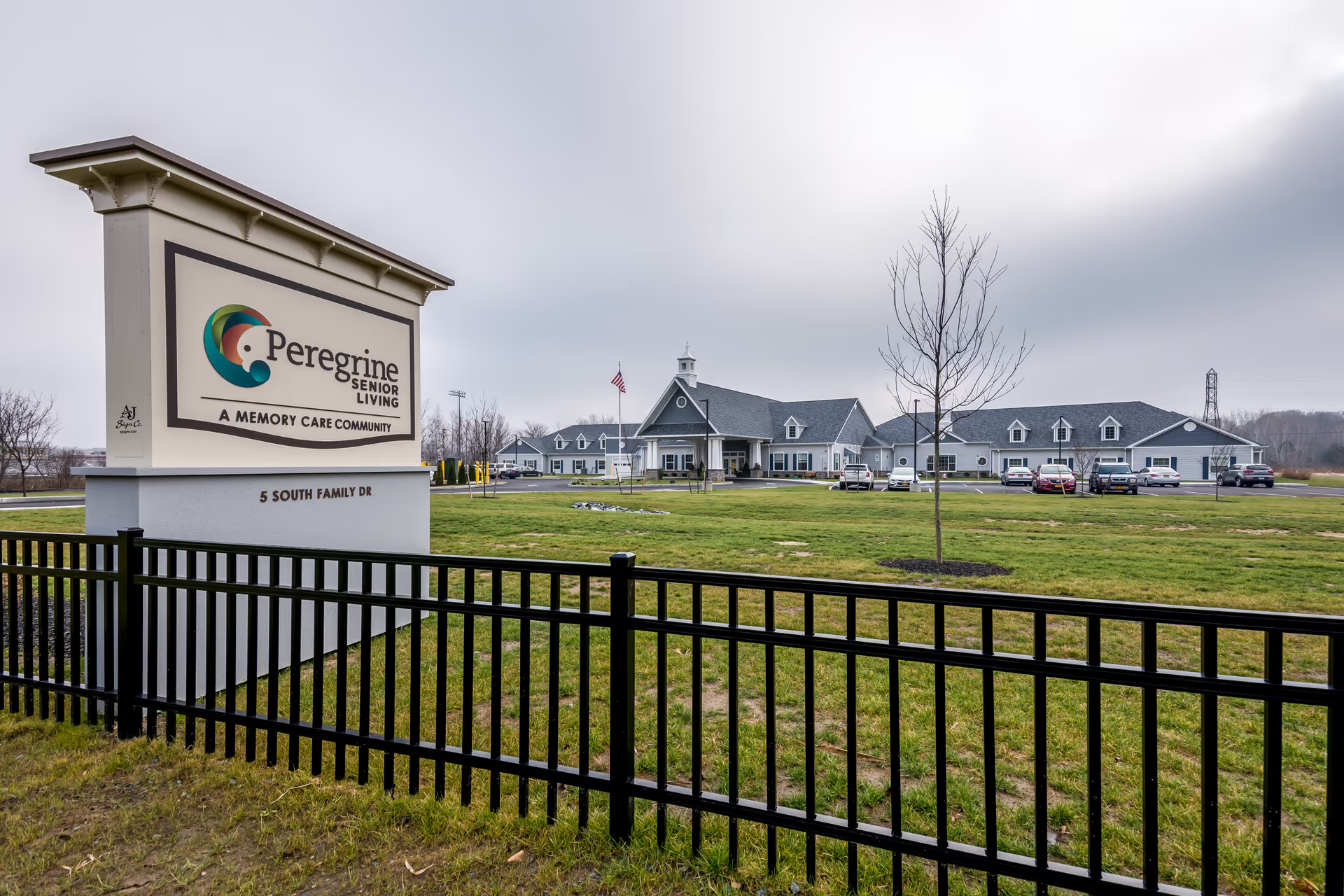
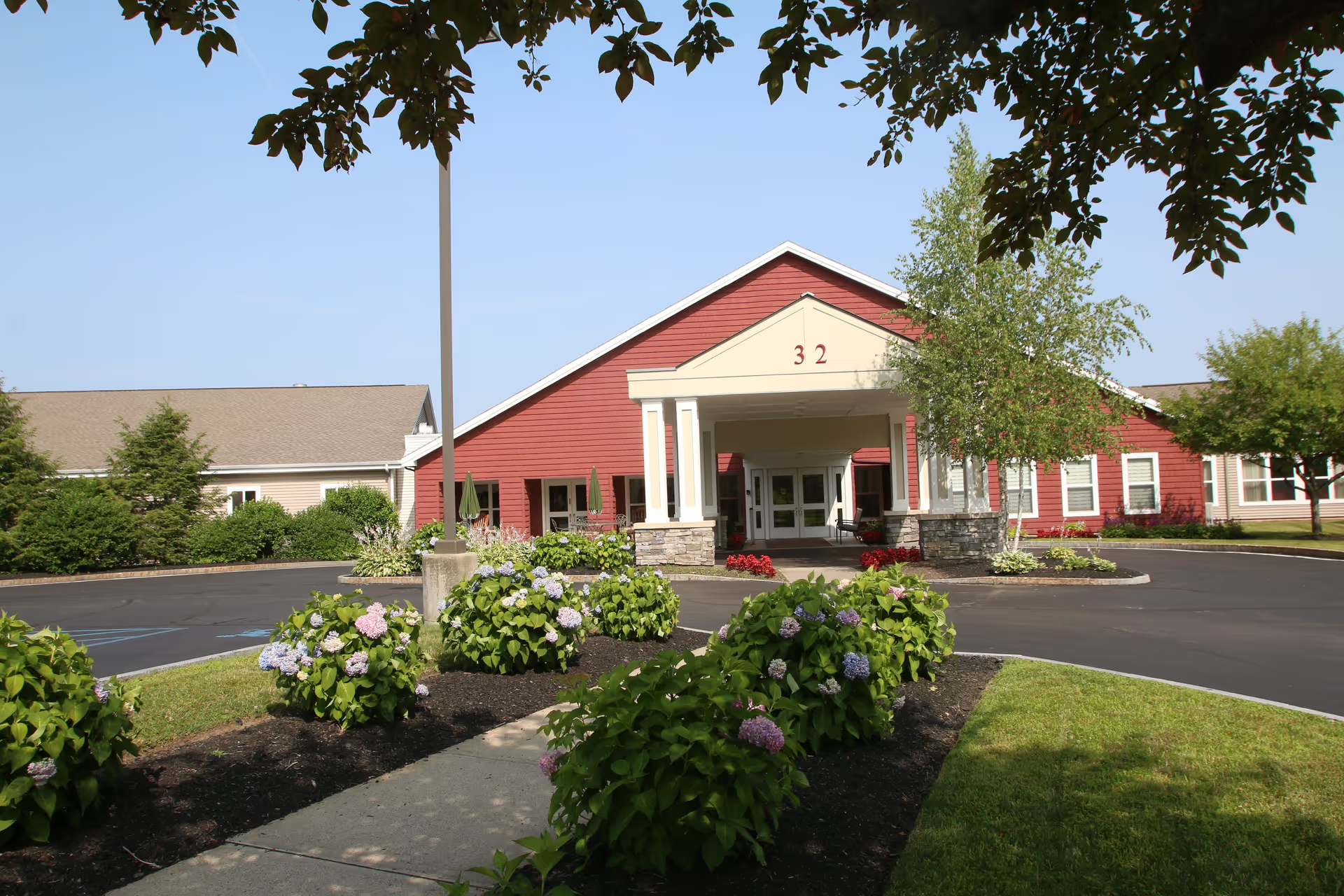
This facility elicits a mix of strongly positive impressions and substantive operational concerns. On the positive side, families and residents frequently describe compassionate, attentive caregiving and a welcoming, home-like atmosphere. Common areas are often described as clean and well-kept, and rooms are noted to be spacious and nicely appointed. Dining is regularly praised for a restaurant-style presentation and varied menu choices, and reviewers highlight organized activity programming — including grooming and social events — that contributes to resident engagement. Many also note the presence of on-site rehabilitation and therapy services and professional, friendly dining and service staff. Flexible stay options draw favorable comment from families seeking short-term or trial placements.
Care quality and staffing present a mixed picture. Several accounts commend individual aides and nurses for hands-on attentiveness and routine clinical checks, yet a recurring theme is inconsistent staffing levels and frequent use of agency personnel. That inconsistency is linked by reviewers to variable responsiveness to call lights and resident requests, higher workload for permanent staff, and communication breakdowns. There are specific concerns about medication administration practices and communication to families about medications and pain management; reviewers describe delays or lack of clear notification when medications are given. In addition, some accounts describe shortcomings in clinical-incident follow-up and wound-care continuity, which families regard as an area needing stronger protocols.
Facilities and housekeeping receive both praise and criticism. While many describe clean, well-maintained common areas and attractive resident rooms, others report inconsistent housekeeping in some rooms, gaps in weekend service coverage, and logistical shortcomings such as limited availability of small amenities (for example, ice or fresh water on some units). Reviewers also raised personal property management issues, including lost or mishandled items; a few accounts escalate to allegations of financial exploitation or coercive decision-making related to advance directives. Those are serious claims and warrant direct inquiry by prospective families.
Management and communication are another divided area. Some families describe responsive, caring leadership and a collaborative environment; others describe difficulty getting clear answers from administration, inconsistent supervision of staff, and problematic discharge documentation or transitions of care. Safety concerns appear in multiple narratives — primarily around falls, transfer practices, and inconsistent follow-through after clinical events — suggesting the facility would benefit from strengthened safety oversight and clearer family communication after incidents.
In summary, Eddy Heritage House offers strengths in resident engagement, dining, and a generally home-like environment with capable rehabilitation services. At the same time, recurring operational patterns — inconsistent staffing, variable housekeeping, gaps in medication and incident communication, and occasional management unresponsiveness — are important considerations for prospective residents and families. When evaluating this facility in person, families should ask about staffing ratios and agency usage, call-light response metrics, medication-administration protocols, incident reporting and follow-up procedures, property-management policies, housekeeping schedules, and specific rehabilitation outcomes to gauge whether the facility’s positive features align with their care priorities.