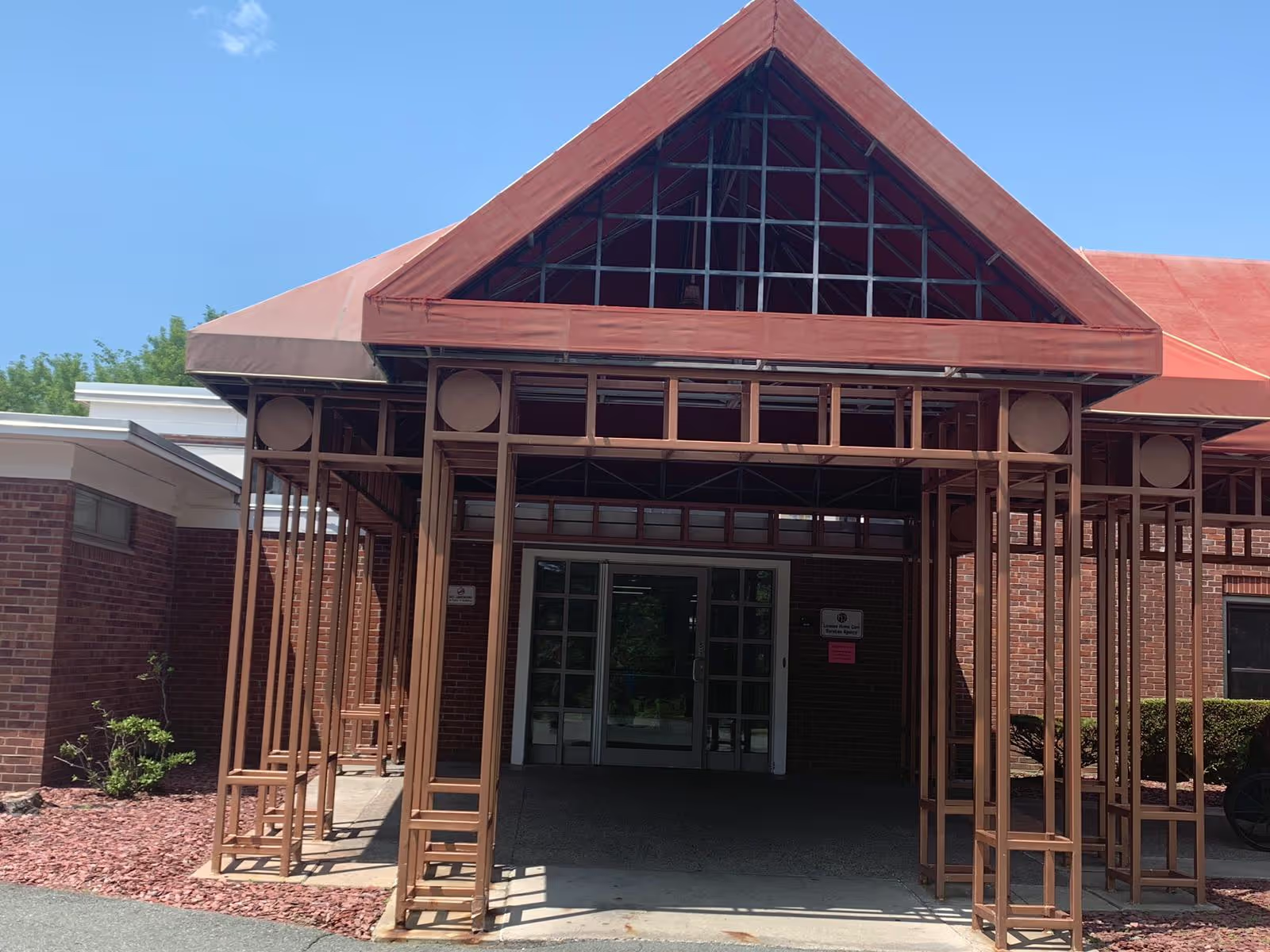
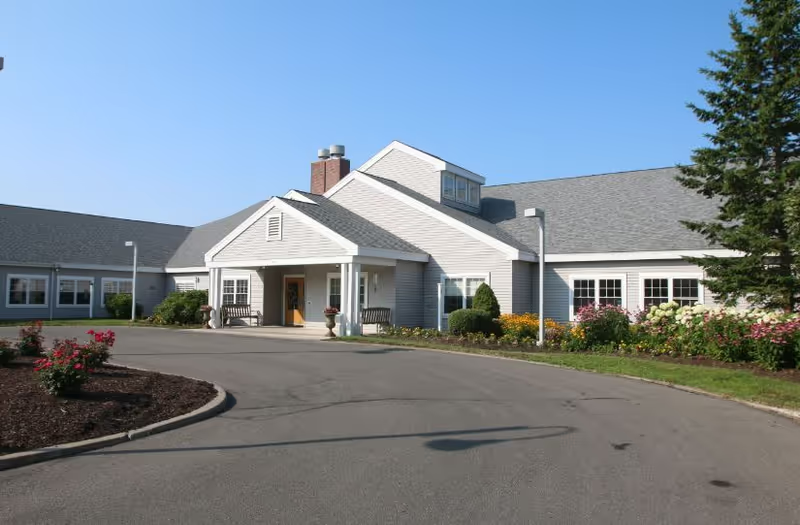
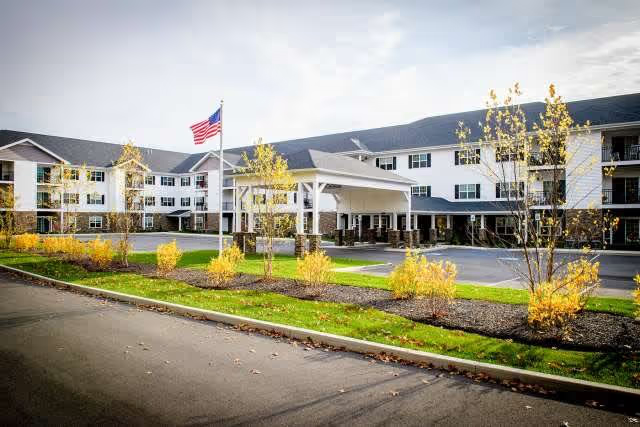
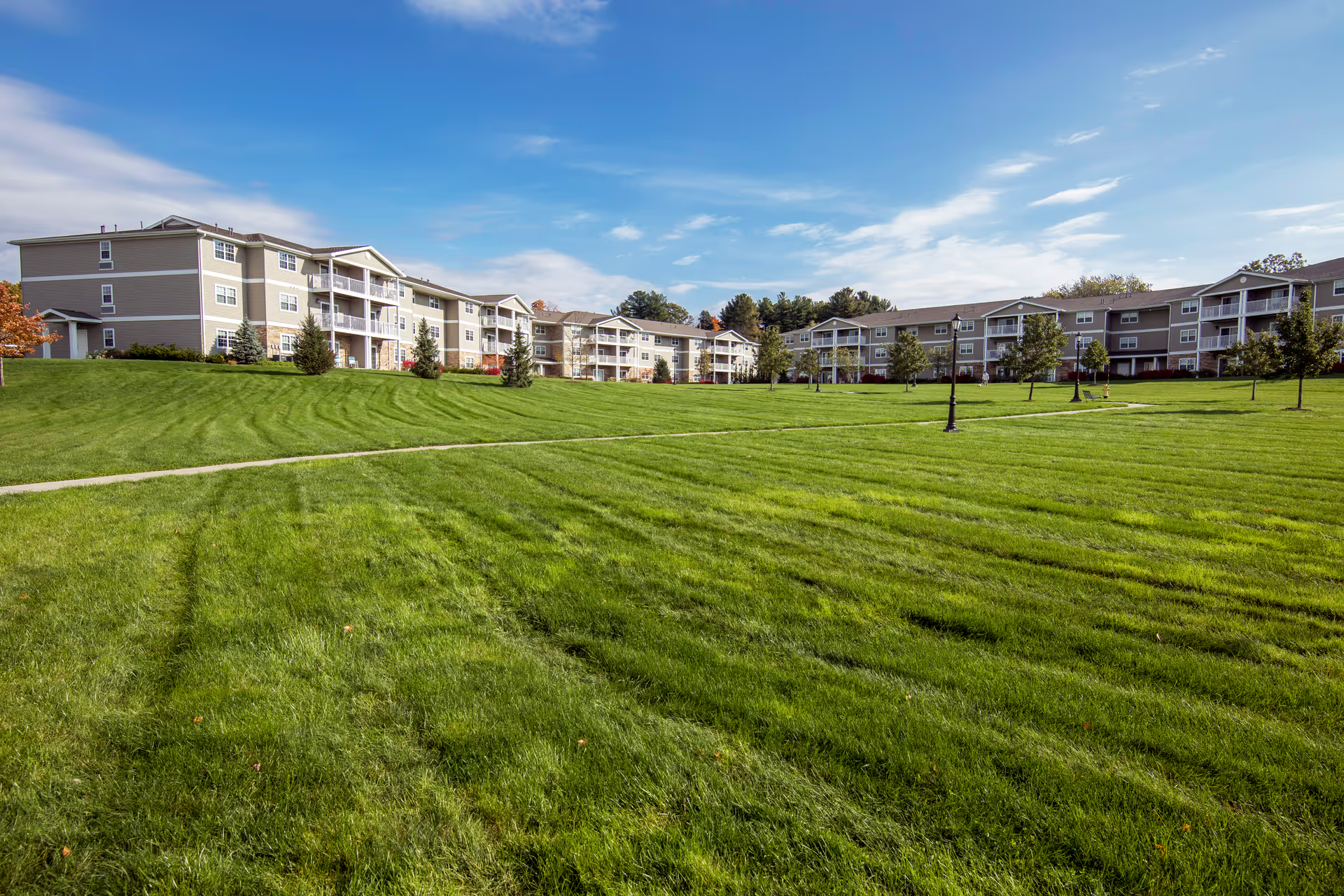
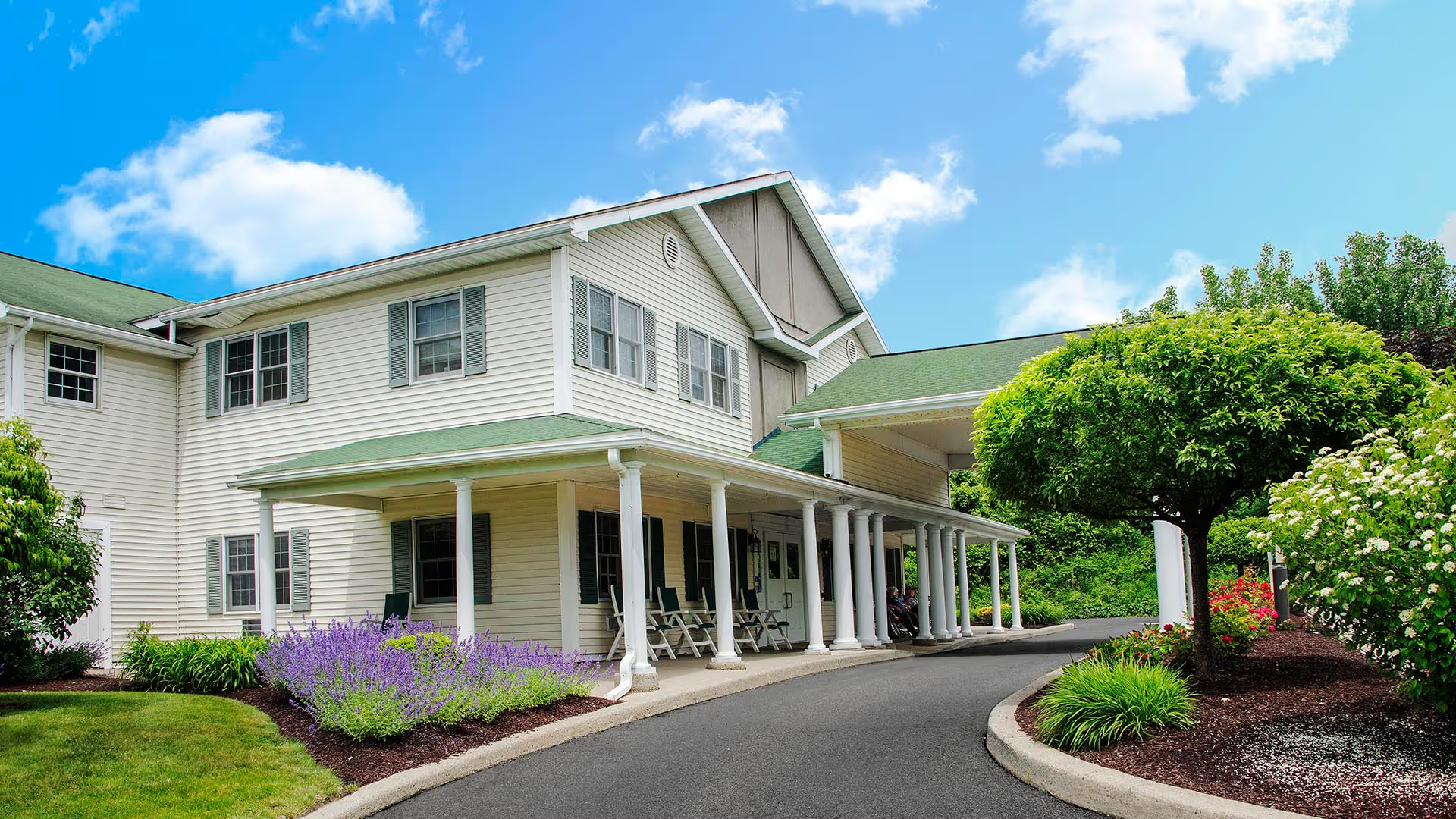
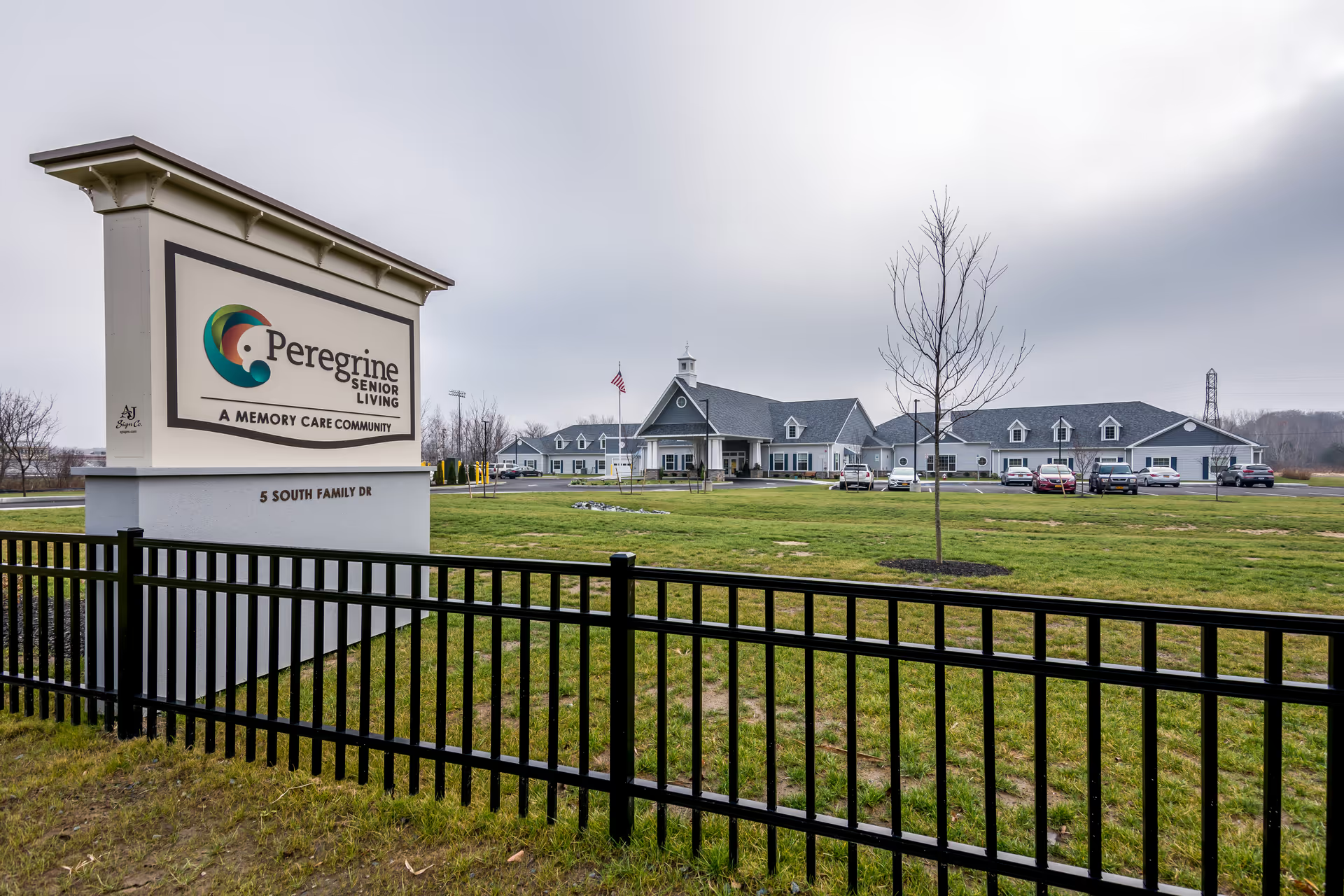
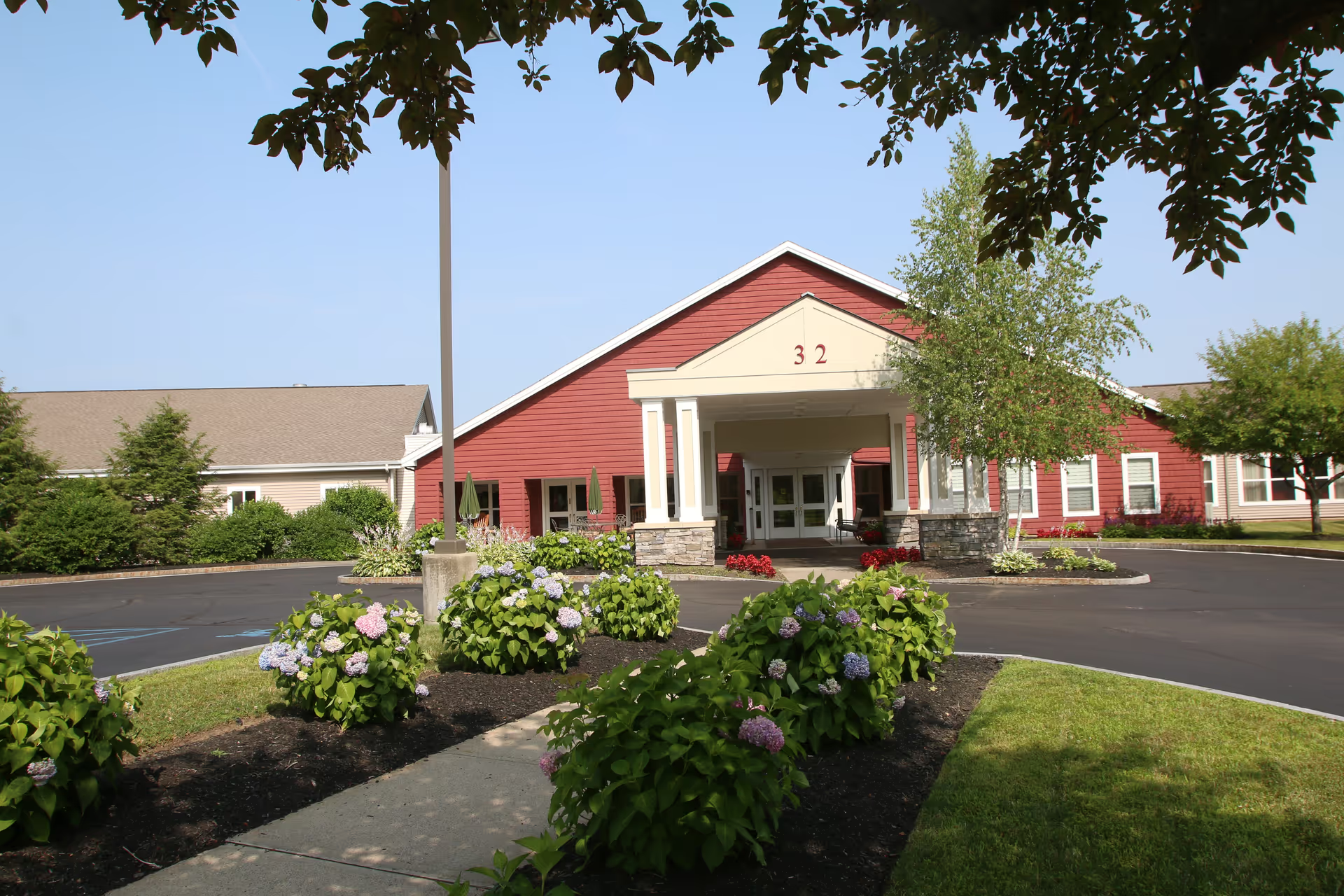
Overall impression: Terrace at Eddy Memorial receives predominantly positive comments for its staff, therapy services, cleanliness, and residential environment. Many families and residents describe a welcoming, home-like atmosphere with staff who are described as compassionate, helpful, and attentive. The facility is noted for its strong housekeeping, maintenance, and pleasant common areas including patios and outdoor spaces; apartments are frequently described as spacious and light-filled.
Care and staff: Reviewers consistently highlight the quality of caregiving and rehabilitation. Therapists, CNAs, and nursing staff are frequently characterized as hardworking and skilled; several families attributed measurable recovery gains to the facility’s therapy programs and referenced the Bridge-to-Home and respite options as effective transition supports. End-of-life and palliative interactions were also described as compassionate. That said, there are indications of variability in care consistency: while many residents experience attentive, family-style care, others reported lapses in personal-care scheduling that suggest operational inconsistency.
Dining and activities: Dining is a mixed area. Some reviewers praised the food and social dining model—stable seating arrangements were noted to help residents build relationships—while others reported uneven meal quality. Activity programming is generally seen as engaging and lively, with a range of offerings; however, a few comments indicate the activity mix may not meet all preferences (for example, limited options for residents who prefer non-reading activities), pointing to opportunities to broaden and individualize programming.
Facilities and amenities: The physical plant and amenities receive strong praise. The building is described as clean and well maintained, with pleasant common areas, patios, and convenient first-floor access near dining. Housekeeping and laundry are noted as reliable services. The facility’s hospital affiliation and clinical linkages were viewed positively by families who value that connection.
Management and communication: Administrative performance shows a mixed pattern. Several reviewers commended staff and admissions personnel for smooth transitions and effective family communication; others reported gaps in responsiveness, such as delayed or unanswered messages from administration. These communication and responsiveness inconsistencies appear to be an operational weak point and are reflected in differing family experiences.
Notable patterns and recommendations: Strengths are concentrated in the interpersonal and rehabilitative aspects of care—compassionate staff, effective therapy, and a clean, comfortable environment. Areas for improvement include standardizing personal-care routines, addressing variability in meal quality, expanding memory-support programming, and improving administrative responsiveness to family communications. Prospective residents and families who prioritize strong therapy services, a home-like atmosphere, and clean facilities are likely to have a positive experience; those needing robust memory-care services or highly consistent personal-care scheduling should inquire specifically about those capabilities during a visit.