The set of reviews indicates a facility with a pronounced split between clinical rehabilitation strengths and persistent operational weaknesses. Many families and former patients praised the physical‑rehabilitation program (PT/OT) and named individual clinicians and nurses who delivered effective, outcome‑oriented care. Several comments describe successful short‑term rehab stays and staff members who are caring, hands‑on, and dedicated; leadership in nursing also received positive mention in some accounts.
Conversely, recurring operational themes create concern about day‑to‑day care continuity. Reviewers describe slow or inconsistent responses to call lights and room requests, difficulty reaching staff by phone, and delays in attending to basic personal‑care needs such as bathing and repositioning. These issues are linked to staffing shortages, frequent last‑minute absences, and uneven scheduling. Multiple accounts also note medication administration inconsistencies and lapses in clinical documentation that prospective families should clarify when evaluating care plans.
Dining and activities are inconsistent across reports. Therapy and activities staff are highlighted as strengths by some reviewers, and named activity coordinators were credited with improvements. However, meal service timing and quality were described as unreliable by others, with accounts of delayed or cold meals and preferences to supplement facility food with brought‑in items. Activity programming appears to be improving under new leads but remains variable in frequency and engagement for some residents.
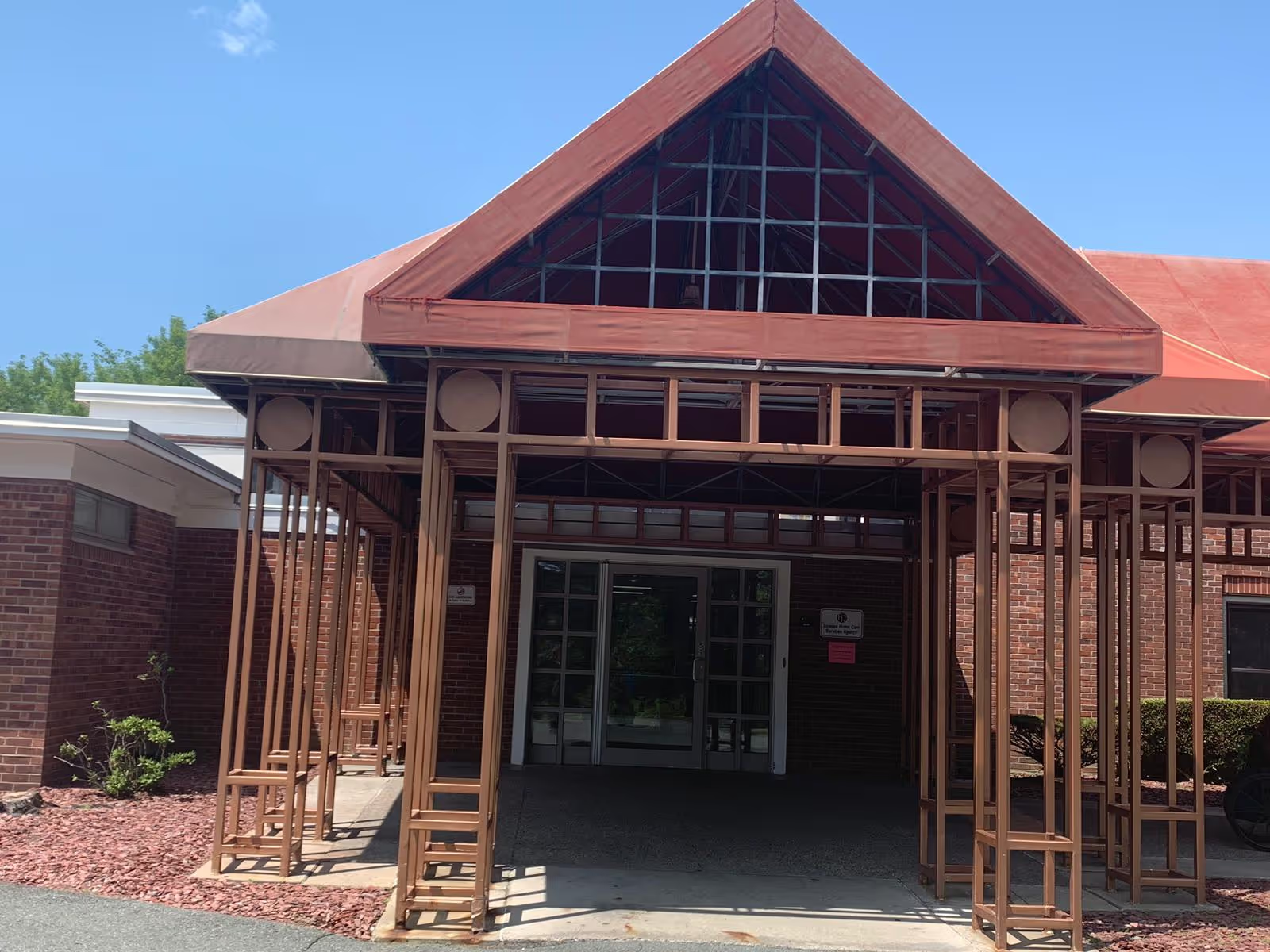
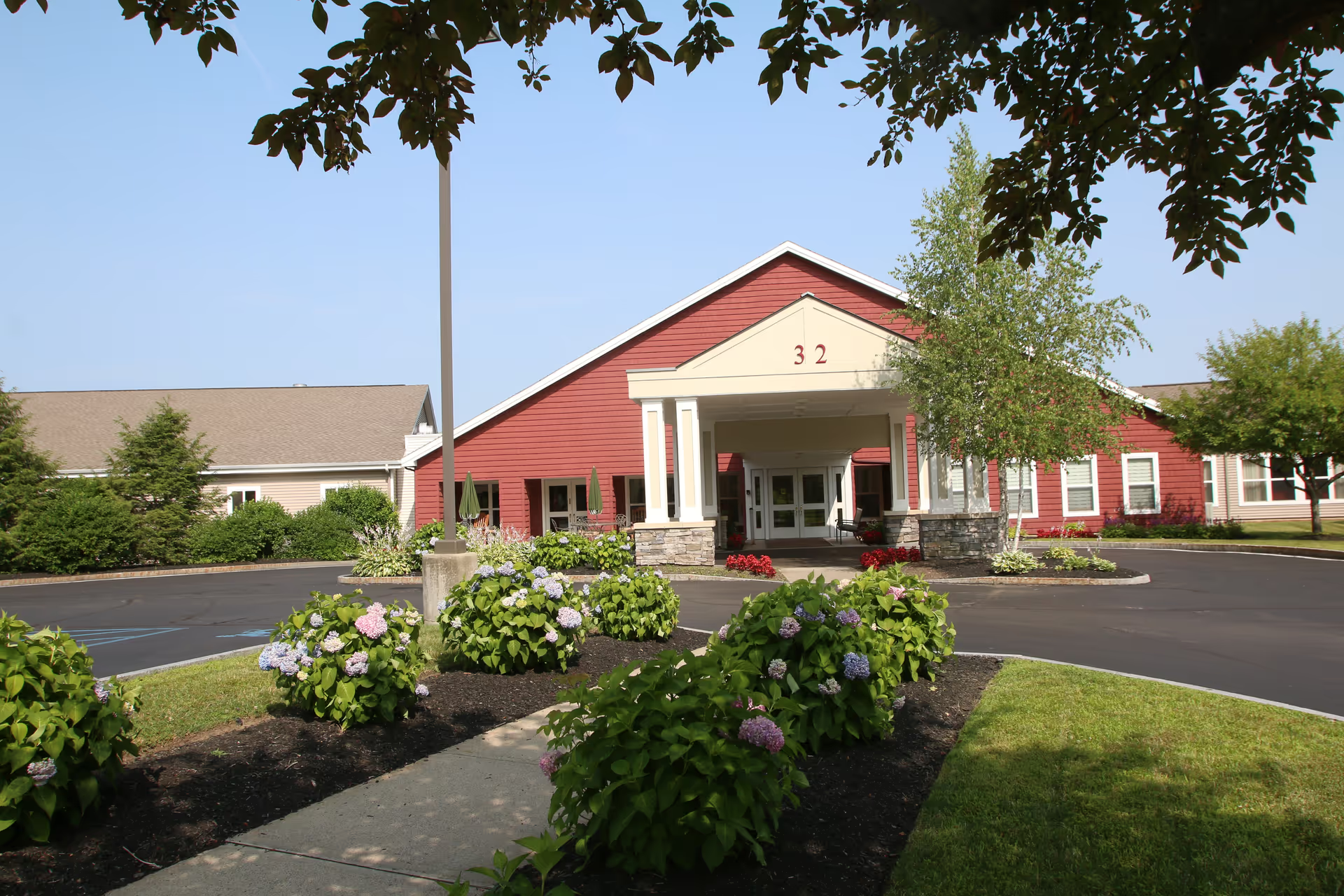
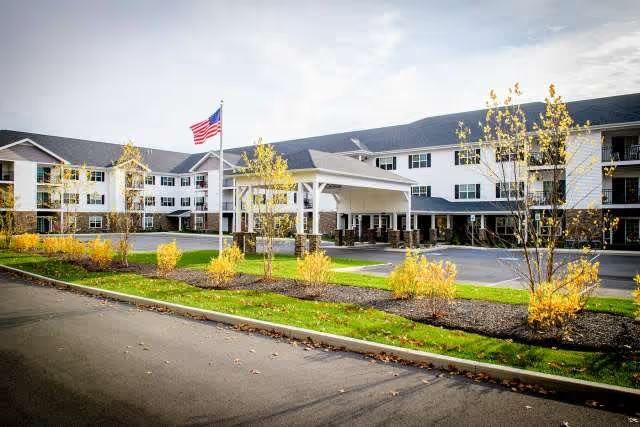
Facilities and environmental maintenance are another area of concern. Comments reference building maintenance issues such as leaks, damaged flooring, and general repair needs, alongside sanitation and odor concerns in rooms and common areas. Pest‑control issues and housekeeping inconsistencies were also mentioned. These infrastructure and cleanliness matters intersect with care quality when they affect resident comfort and safety.
Management and communication patterns are mixed. Some reviewers note recent administrative improvements and engaged leaders; others describe inaccessible communication channels, mishandling of personal belongings, and weak follow‑up after incidents. There are also one‑time serious allegations — including concerns about review practices and calls for regulatory attention — that have prompted families to file complaints or involve external authorities. Prospective families should review state inspection reports and ask facility leadership directly about incident response protocols, inventory policies, staffing ratios, and improvements implemented since any cited investigations.
Overall, the facility demonstrates notable strengths in rehabilitation services and in the commitment of specific clinical staff, but it also exhibits systemic operational challenges that affect daily resident experience: responsiveness, consistency of personal care, meal service reliability, environmental maintenance, and communication. Families considering placement should request recent regulatory reports, tour the building (including unannounced visits if possible), meet direct‑care staff and therapy teams, and obtain written policies on medication administration, incident notification, belongings inventory, and staffing levels to see whether the facility’s current operations match their expectations and care needs.